
Fuente de la India en el Paseo de Isabel IIa — History & Facts
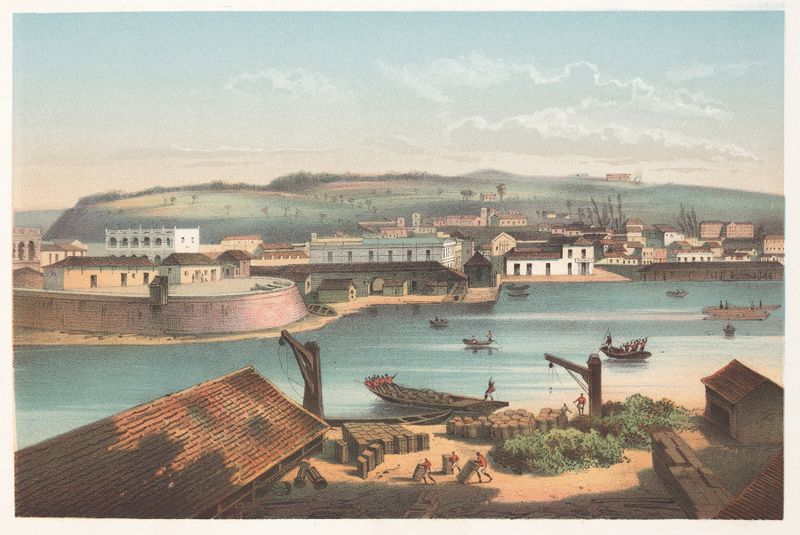
In the chaotic dance of color and form, madness often whispers truths we fear to confront. Look closely at the vibrant fountain, its intricate details captured with precision. Notice how the water cascades in crystalline strands, the sunlight glinting off each droplet, creating a spectacle of shimmering life. The surrounding foliage intensifies the scene, framing the fountain like a secret yet to be uncovered.
The contrast of the cool blues and greens against the warm earth tones evokes both tranquility and unease, making the viewer question whether harmony can exist amidst the tumult. The figures in the background seem to blend into the landscape, suggesting a collective disconnection within the bustling city. Their indifferent stances echo the madness of urban life, where beauty and chaos coexist in an unsteady equilibrium. Perhaps the artist intended to highlight this tension, as the fountain stands resilient—a symbol of nature’s insistence amidst human turmoil.
Each detail, from the ornate carvings to the swirling water, reflects a longing for serenity, caught in a web of societal frenzy. In 1855, Mialhe painted this scene while living in Paris, during a time marked by rapid change and industrial growth. The artwork reflects the tension of a society grappling with modernity, where traditional beauty faced the onslaught of the urban experience. As the world around him transformed, Mialhe found solace in capturing fleeting moments of beauty, paving the way for future generations to explore the intersection of art and reality.
More Artworks by Pierre Toussaint Frédéric Mialhe
Browse all →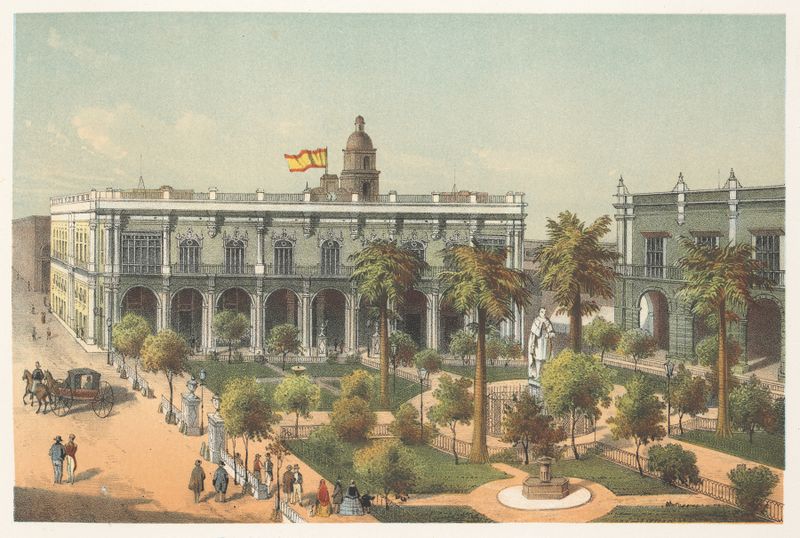
Plaza de Armas
Pierre Toussaint Frédéric Mialhe
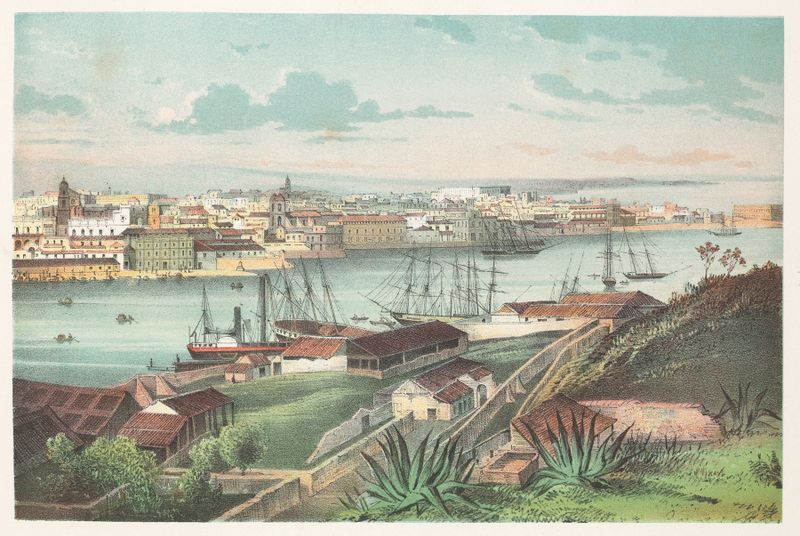
Habana.
Pierre Toussaint Frédéric Mialhe
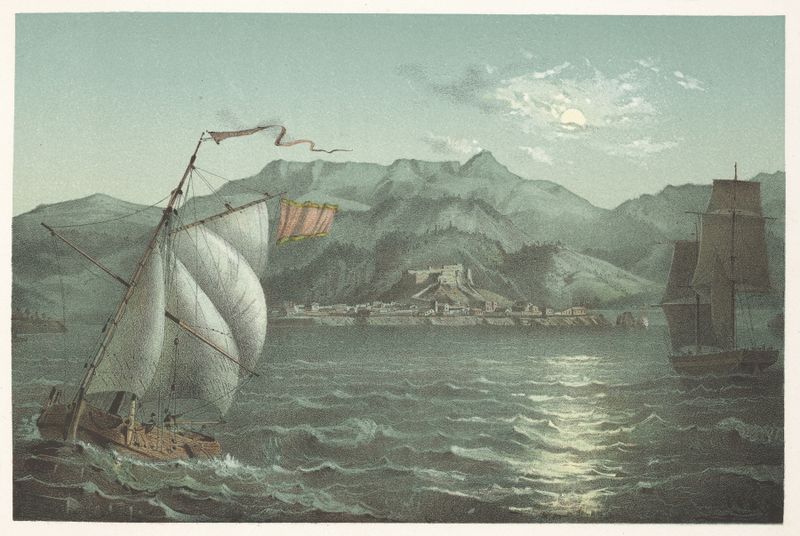
Vista genl. de la cuidad y montañas de Baracoa
Pierre Toussaint Frédéric Mialhe
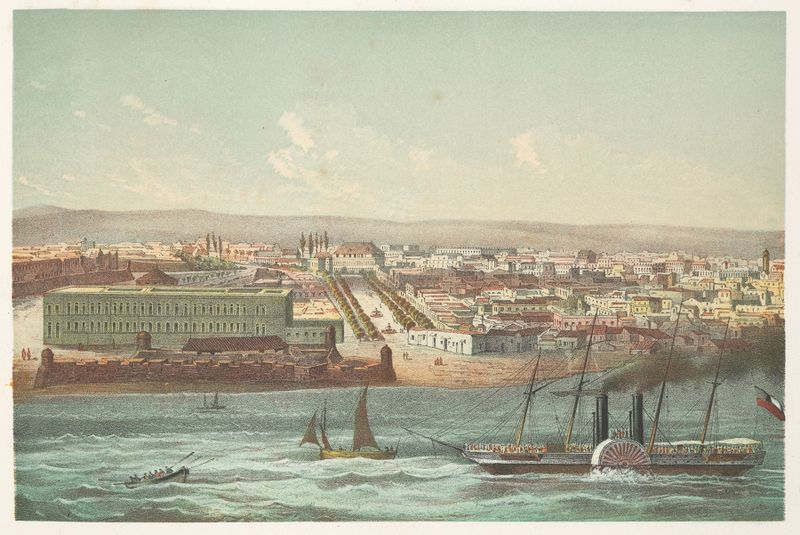
Vista de la Habana, parte de Estramuros
Pierre Toussaint Frédéric Mialhe

Vista de la Habana
Pierre Toussaint Frédéric Mialhe
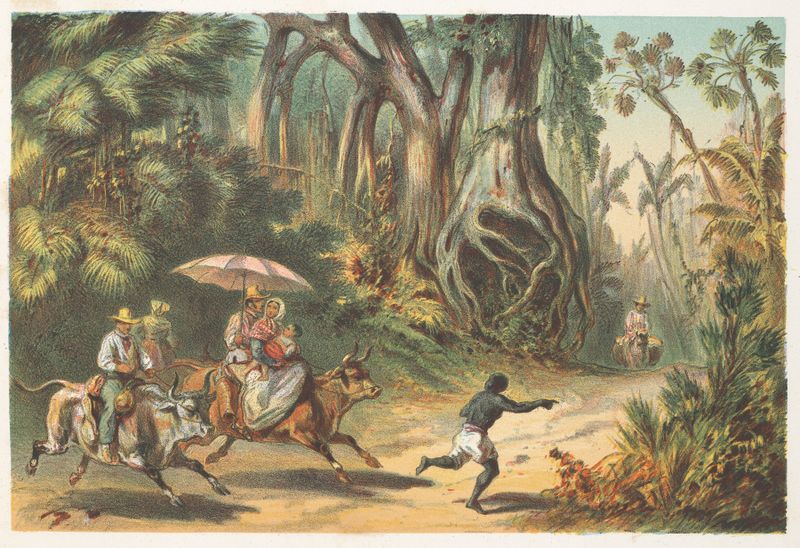
Cercanias de Baracoa
Pierre Toussaint Frédéric Mialhe
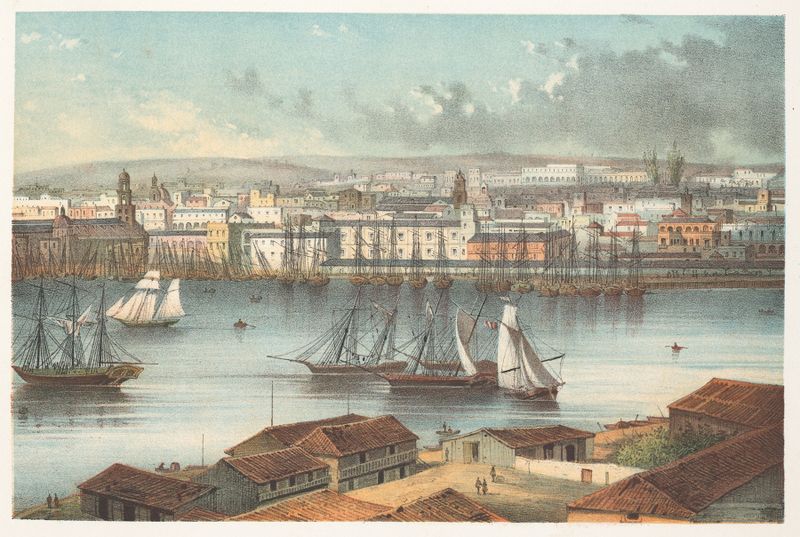
Habana
Pierre Toussaint Frédéric Mialhe
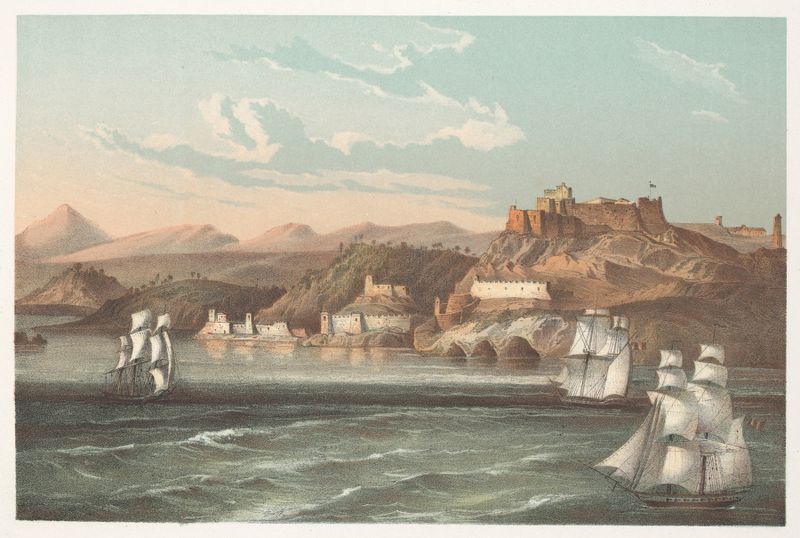
Morro y entrada del puerto de Santiago de Cuba
Pierre Toussaint Frédéric Mialhe
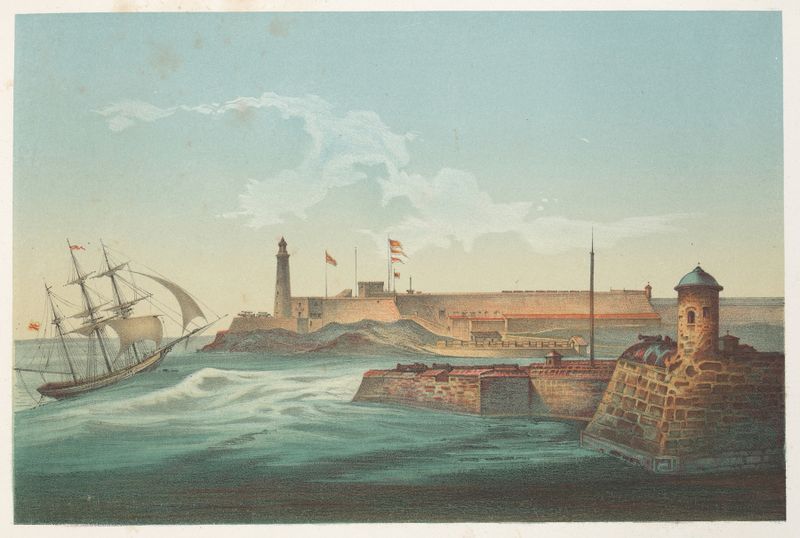
Morro y entrada puerto de la Habana
Pierre Toussaint Frédéric Mialhe
Matanzas
Pierre Toussaint Frédéric Mialhe





