
Fuji no yukibare, Tagonoura (Clearing after a snowfall on Mount Fuji, Tagonoura Beach) — History & Facts
What if beauty was never meant to be finished? In the delicate interplay of snow and light, a moment of serene impermanence comes to life, inviting us to linger, to question, and to feel. Look to the foreground where meticulously rendered snow blankets the earth, each flake a brushstroke in Kawase Hasui's winter landscape. The cool tones of the snow contrast with the warm hues of the distant sky, where a soft pink dawn breaks over the horizon. Focus on Mount Fuji, rising majestically in the background, its peak beautifully crowned with white—a tribute to nature’s enduring grace.
The curvature of the mountain draws the eye, while the tranquil waters of Tagonoura Beach reflect the ethereal glow, creating a harmonious balance between earth, water, and sky. The emotional tension lies in the fleeting nature of this scene. The snow, symbolizing purity and renewal, is ever so temporary, yet it envelops the landscape in a moment of stillness—a reminder of life's transience. The contrast between the solid, unwavering Fuji and the delicate, melting snow evokes a poignant sense of longing.
Each element, from the gentle ripples in the water to the pastel clouds, is an illusion of perfection that whispers of impermanence, urging the viewer to embrace beauty as it exists—if only for a moment. In 1932, during a period of significant social and political change in Japan, Hasui's work reflected a growing appreciation for traditional landscapes amidst modernity. Living in Tokyo, he sought to capture the essence of Japan's natural beauty, creating woodblock prints that celebrated both the familiar and the ephemeral. This piece, like many of his works, invites contemplation on the relationship between nature and humanity, a theme that resonated deeply in the post-war context of his life.
More Artworks by Kawase Hasui
Browse all →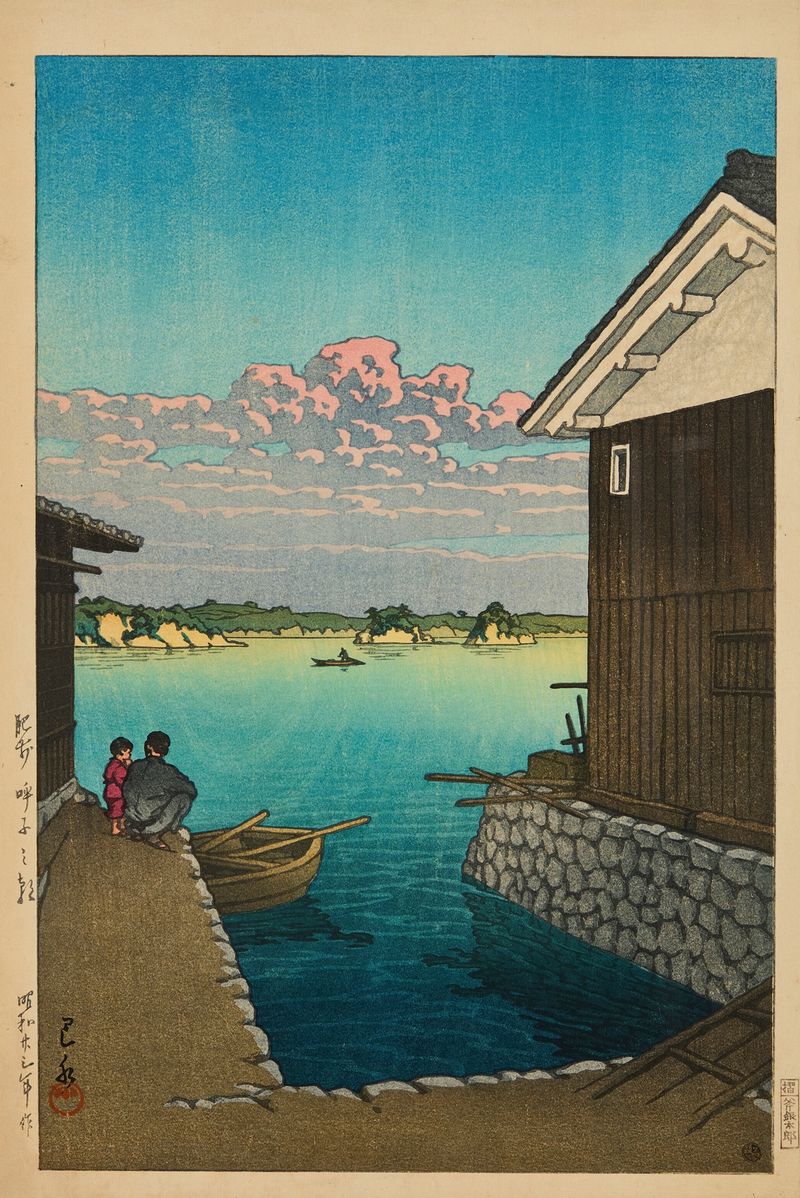
Hizen Yobuko no asa (Morning in Yobuko, Hizen)
Kawase Hasui
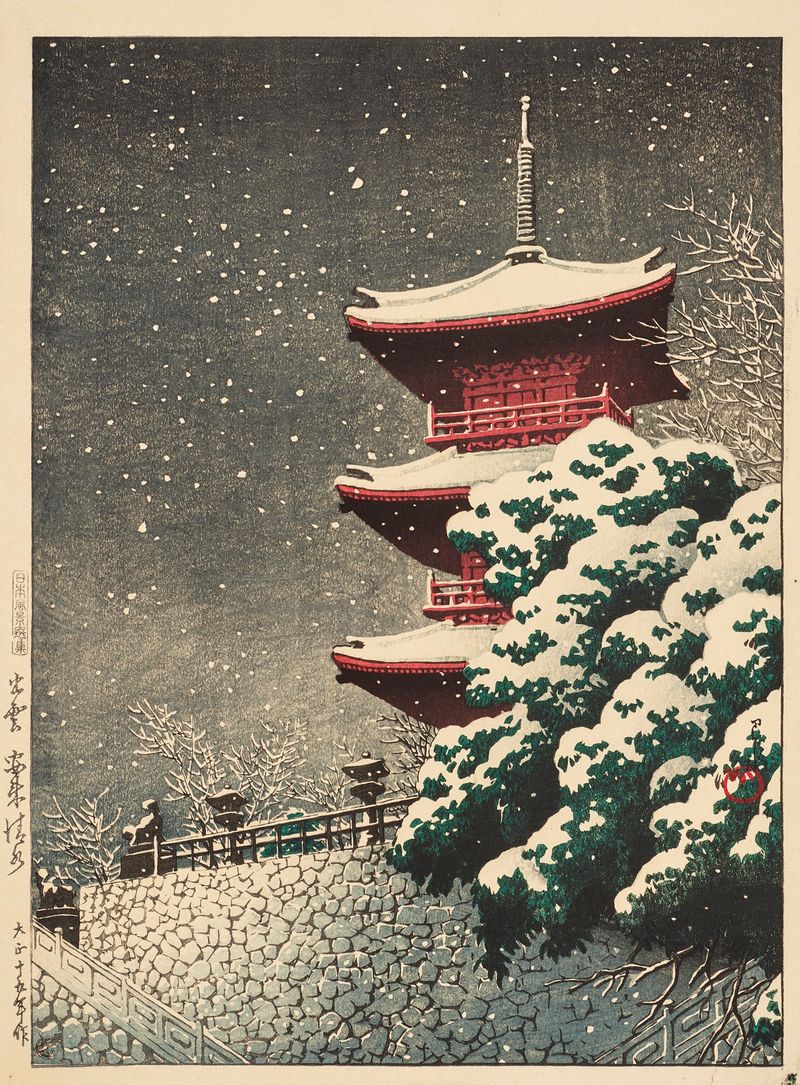
Izumo, Yasugi Kiyomizu (Yasugi Kiyomizu Temple at Izumo)
Kawase Hasui
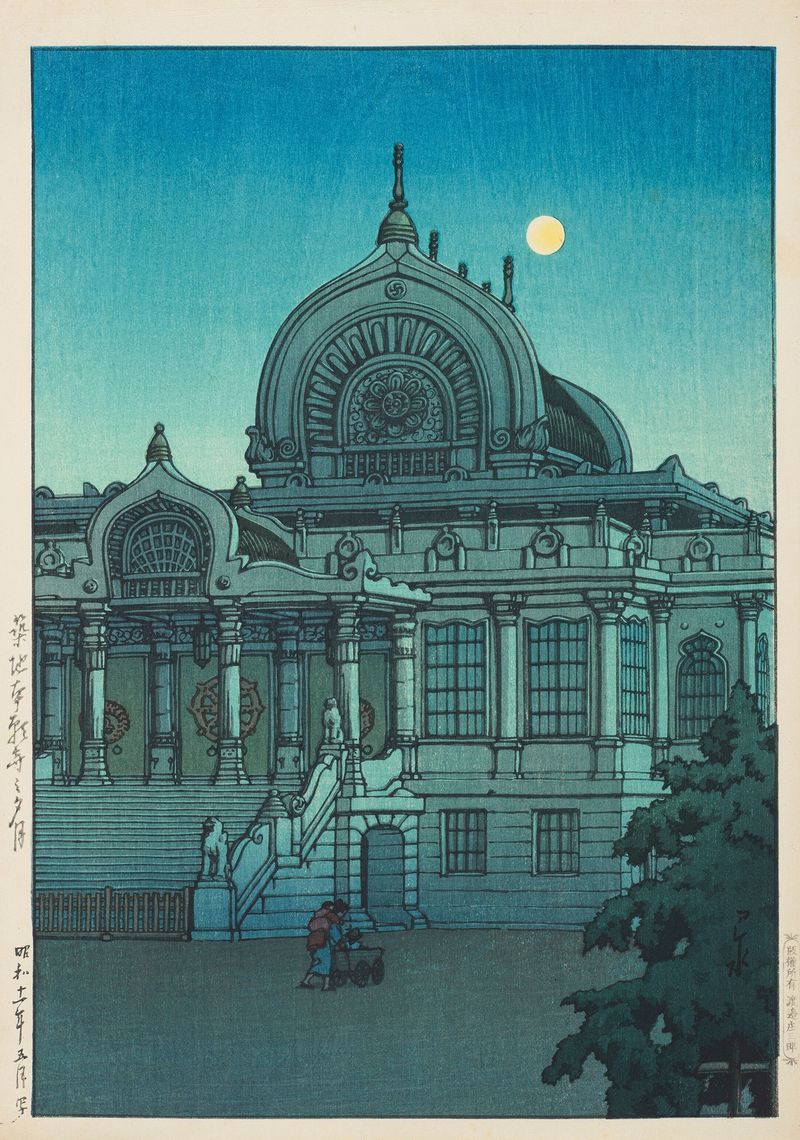
Tsukiji Honganji no yuzuki (Evening moon at Honganji Temple in Tsukiji)
Kawase Hasui
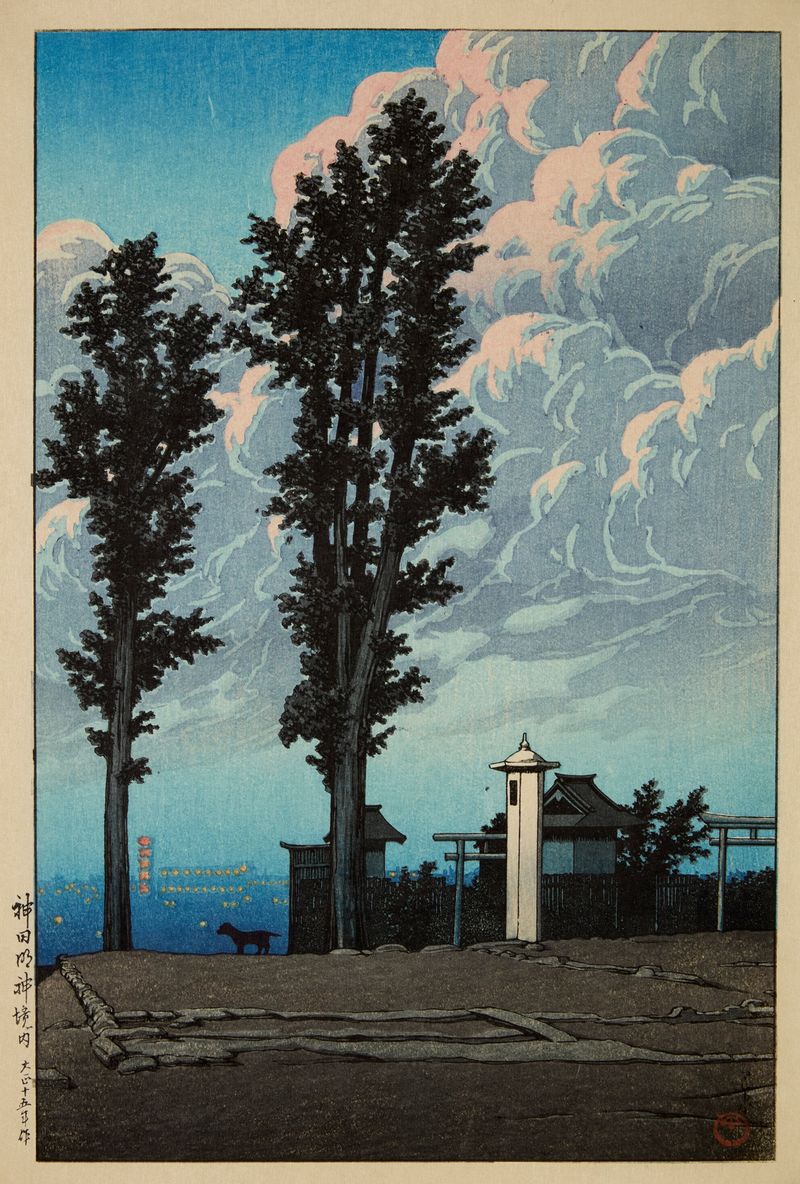
Kanda Myojin keidai (Kanda Myojin Shrine precent)
Kawase Hasui
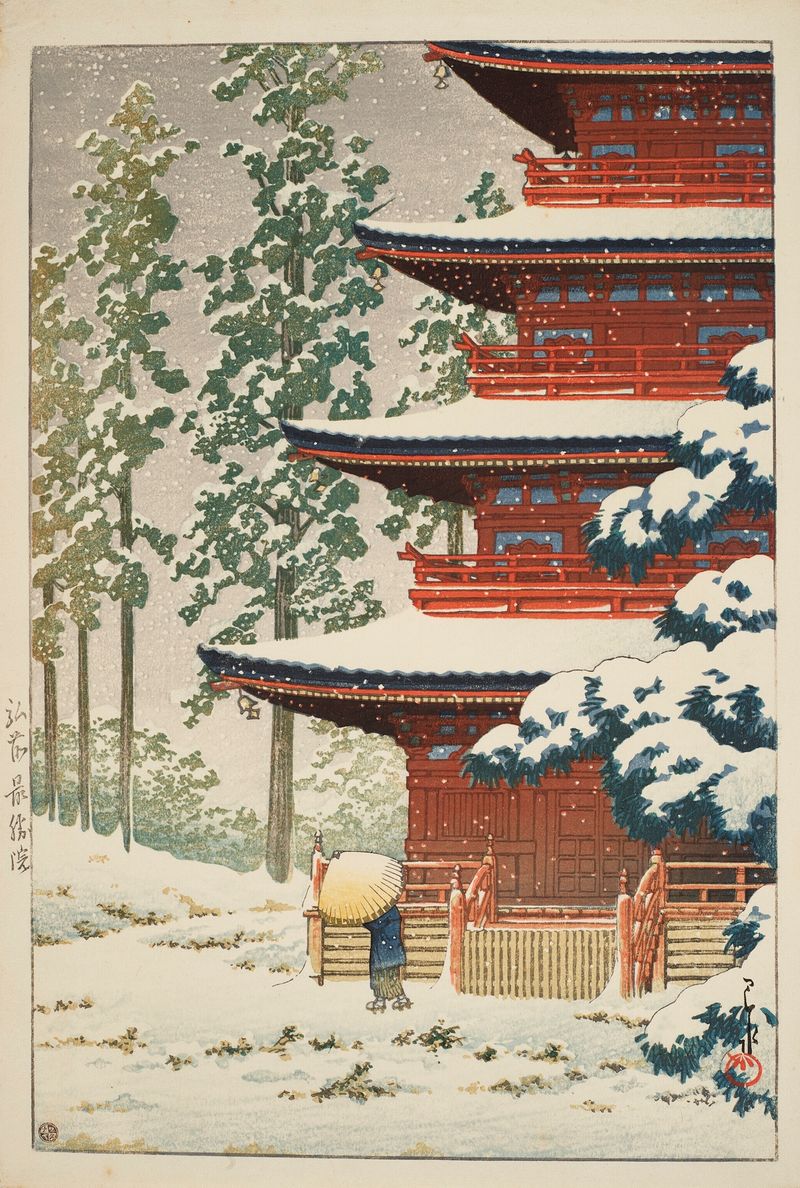
Saisho-in Temple, Hirosaki
Kawase Hasui
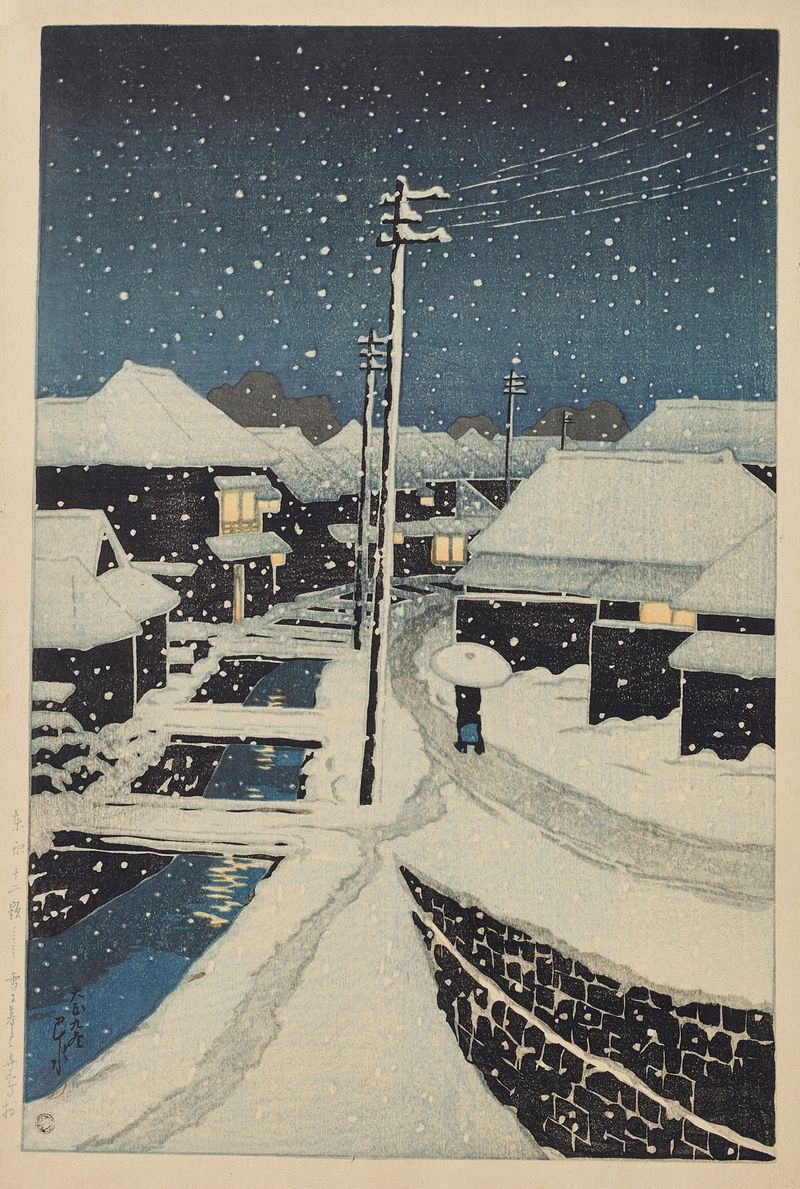
Yuki ni fururu Terajima mura (Evening snow at Terajima Village)
Kawase Hasui
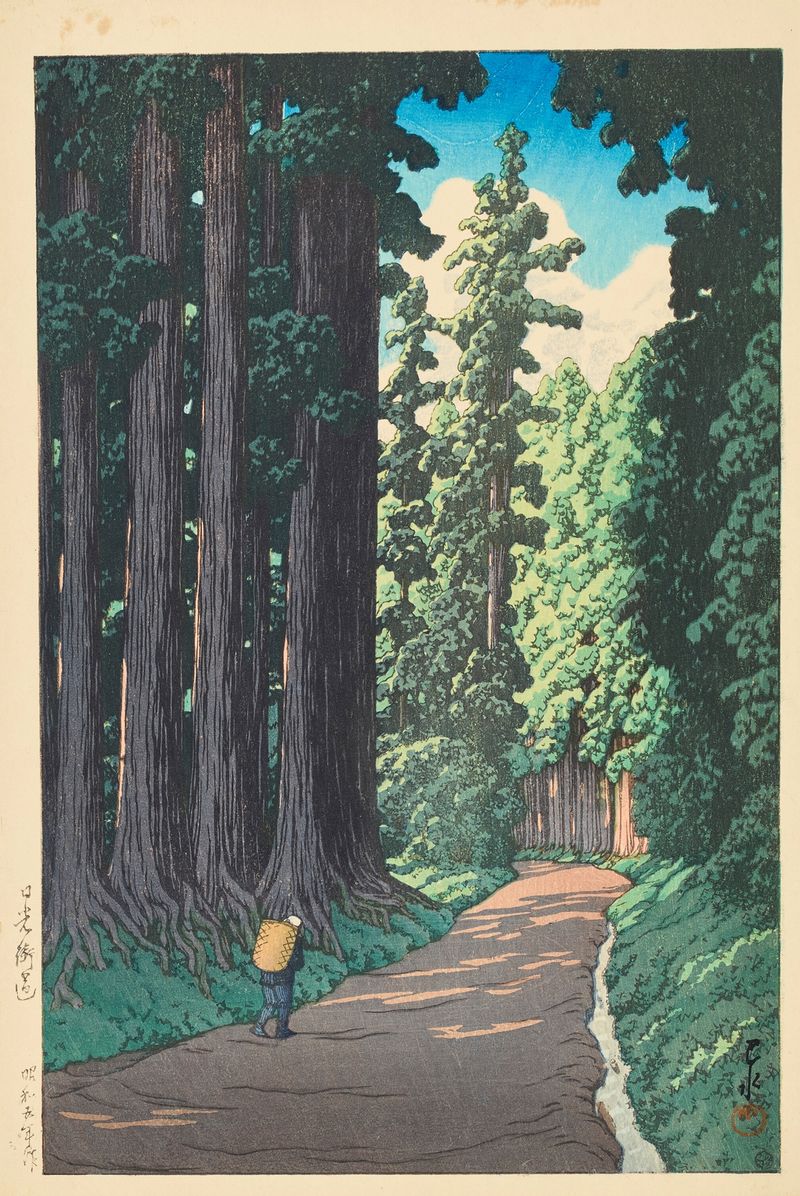
Nikko gaido (The Road to Nikko)
Kawase Hasui
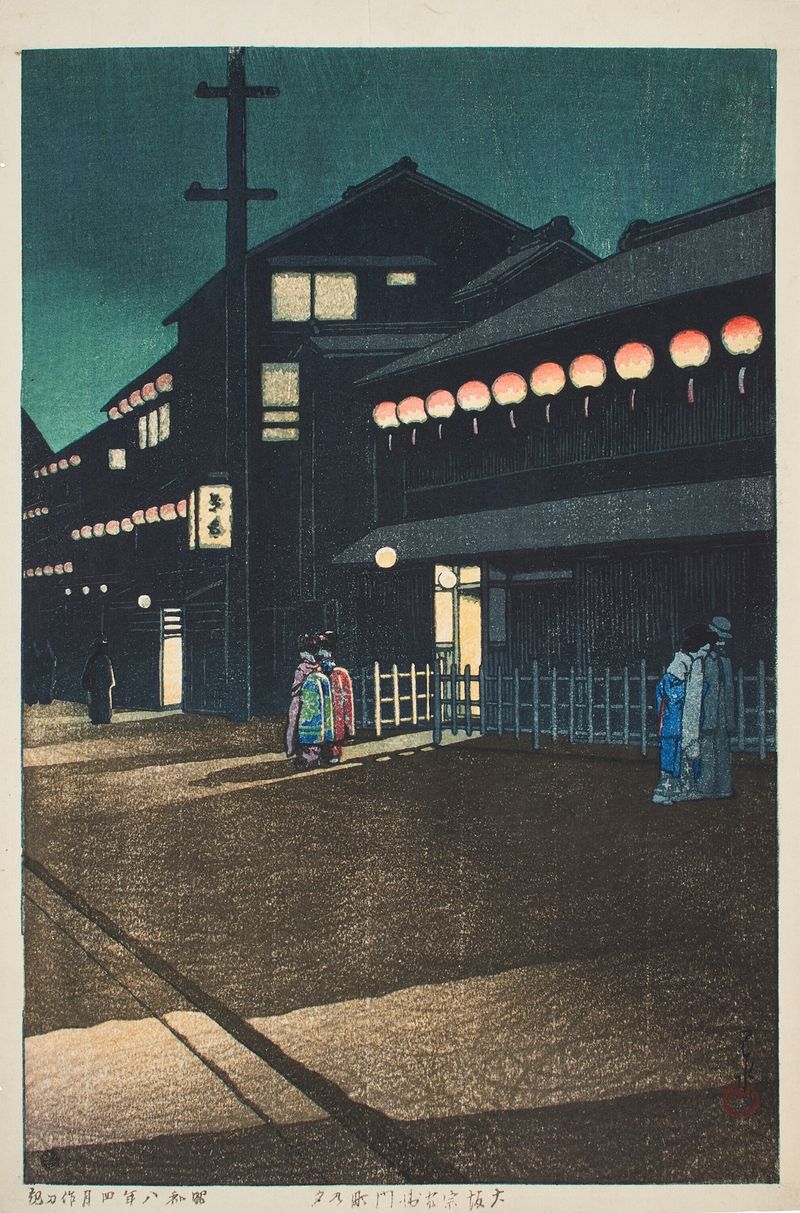
Osaka Soemon-cho no yu (Evening in Soemon-cho, Osaka)
Kawase Hasui
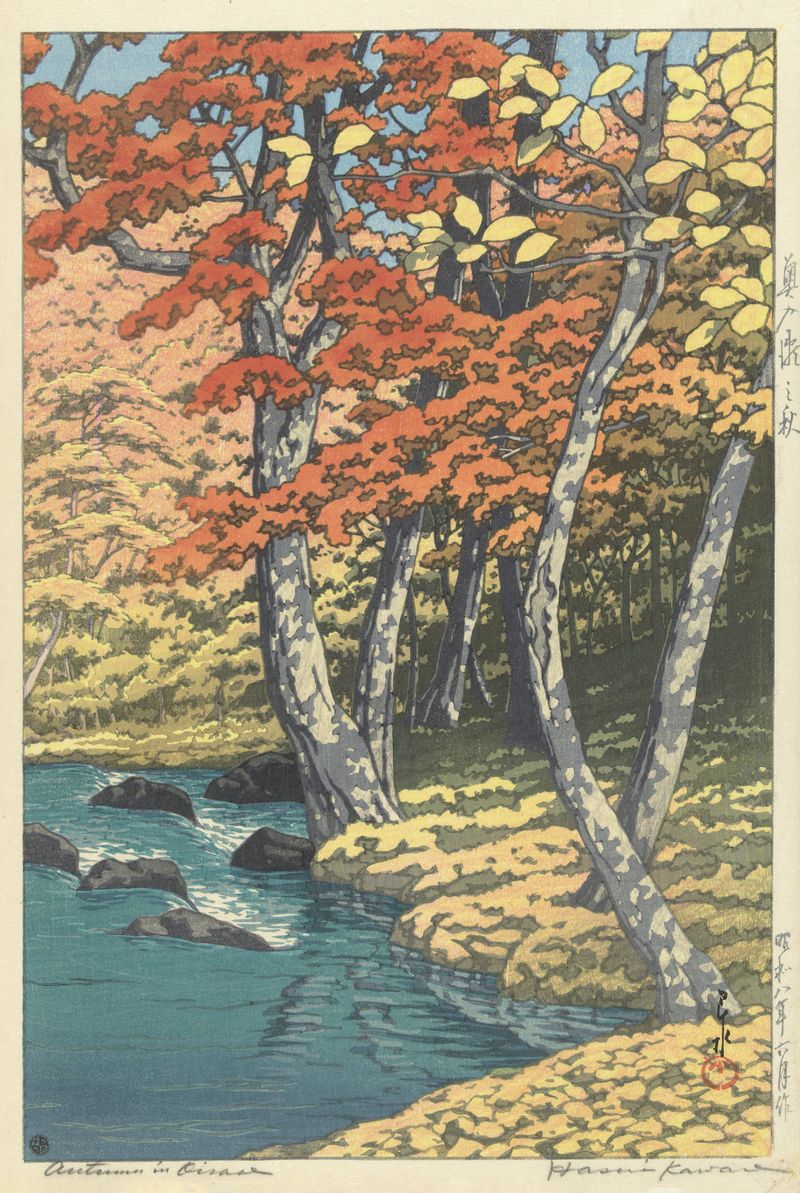
Autumn In Oirase
Kawase Hasui
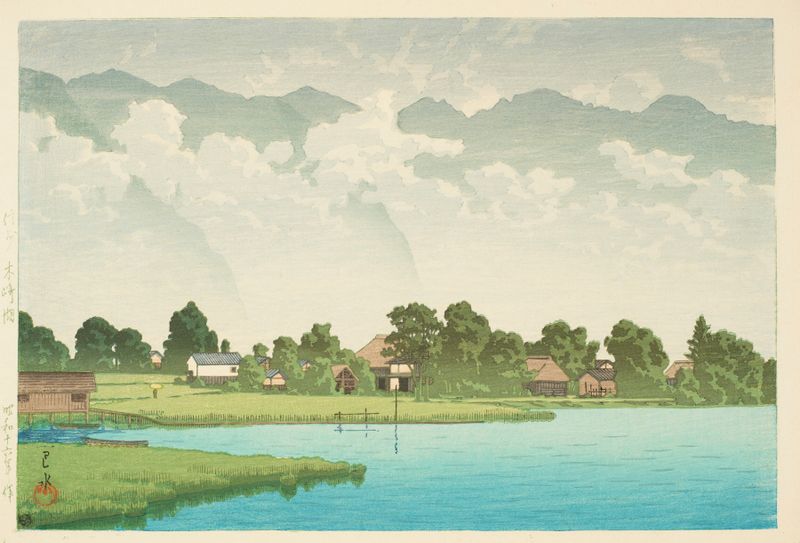
Shinshu Kizakiko (Kizaki Lake in Shinshu)
Kawase Hasui





