
Funatsu no aki (Autumn in Funatsu) — History & Facts
Can beauty exist without sorrow? In Funatsu no aki, the answer rests within the delicate balance of vibrant hues and fading leaves, whispering of both life's transience and its undeniable charm. Look to the foreground, where a silk-like lake mirrors the fiery oranges and reds of autumn trees, beckoning your gaze into a tranquil embrace. The artist employs soft brushstrokes to transform the scene, creating a sense of gentle movement that suggests the wind is softly rustling through the foliage. Notice how the light filters through the branches, casting dappled shadows on the water's surface, inviting contemplation of what lies beneath the picturesque exterior. As you delve deeper, the interplay between decay and beauty becomes evident.
Each falling leaf symbolizes the passage of time, while the vibrant coloration evokes a bittersweet nostalgia. The scene encapsulates a fleeting moment, reminding us that beauty can be both radiant and fleeting, a brilliant crescendo that precedes the stillness of winter. The serene landscape resonates with emotions of longing and acceptance, urging viewers to confront their own experiences of change. In 1953, Hasui was a leading figure in the Shin-hanga movement, which sought to blend traditional ukiyo-e techniques with Western influences.
Living in post-war Japan, he was exploring new artistic expressions while drawing on the rich heritage of his culture. Funatsu no aki reflects a period of introspection and renewal, capturing the essence of a nation reevaluating its identity amidst the changing seasons of life and art.
More Artworks by Kawase Hasui
Browse all →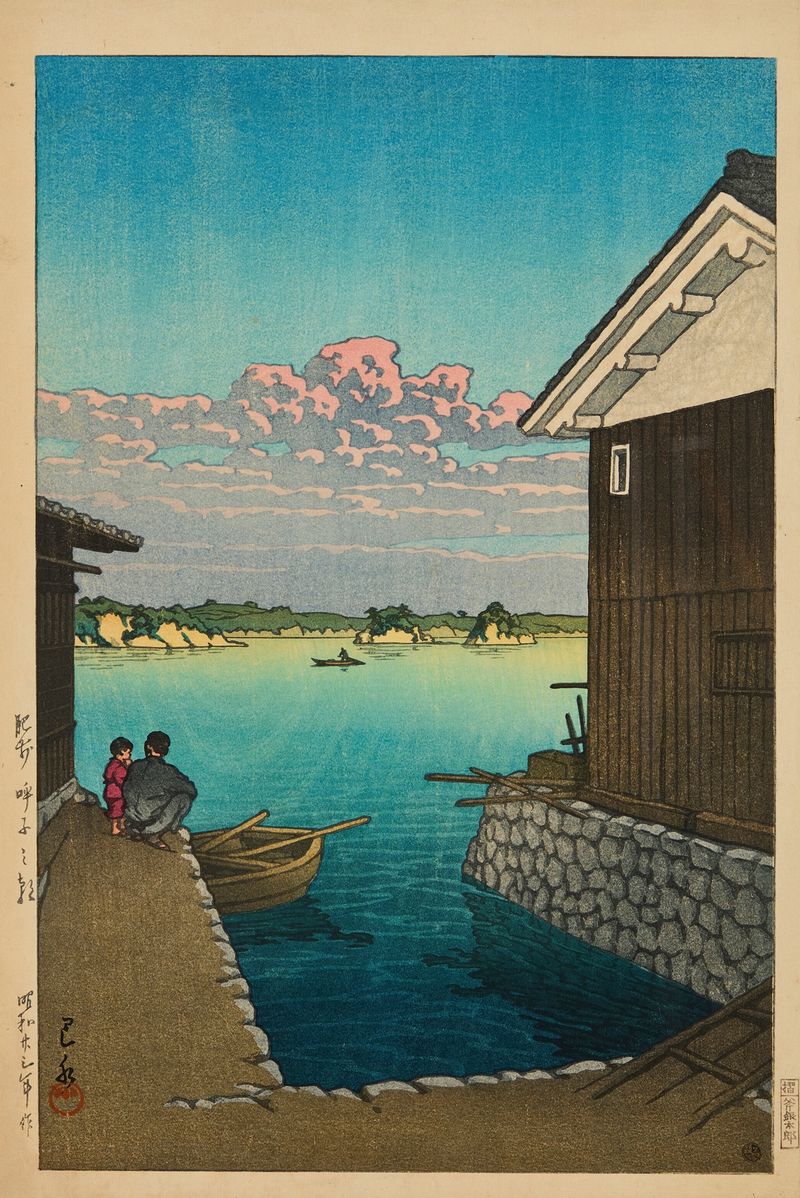
Hizen Yobuko no asa (Morning in Yobuko, Hizen)
Kawase Hasui
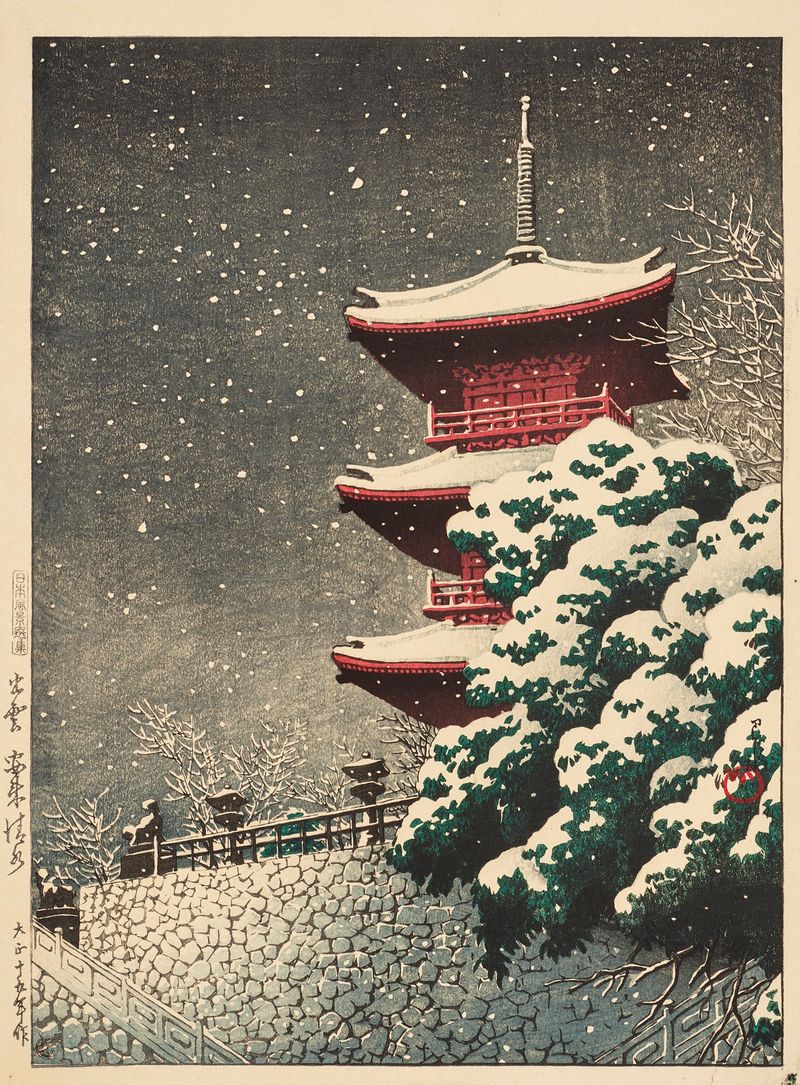
Izumo, Yasugi Kiyomizu (Yasugi Kiyomizu Temple at Izumo)
Kawase Hasui
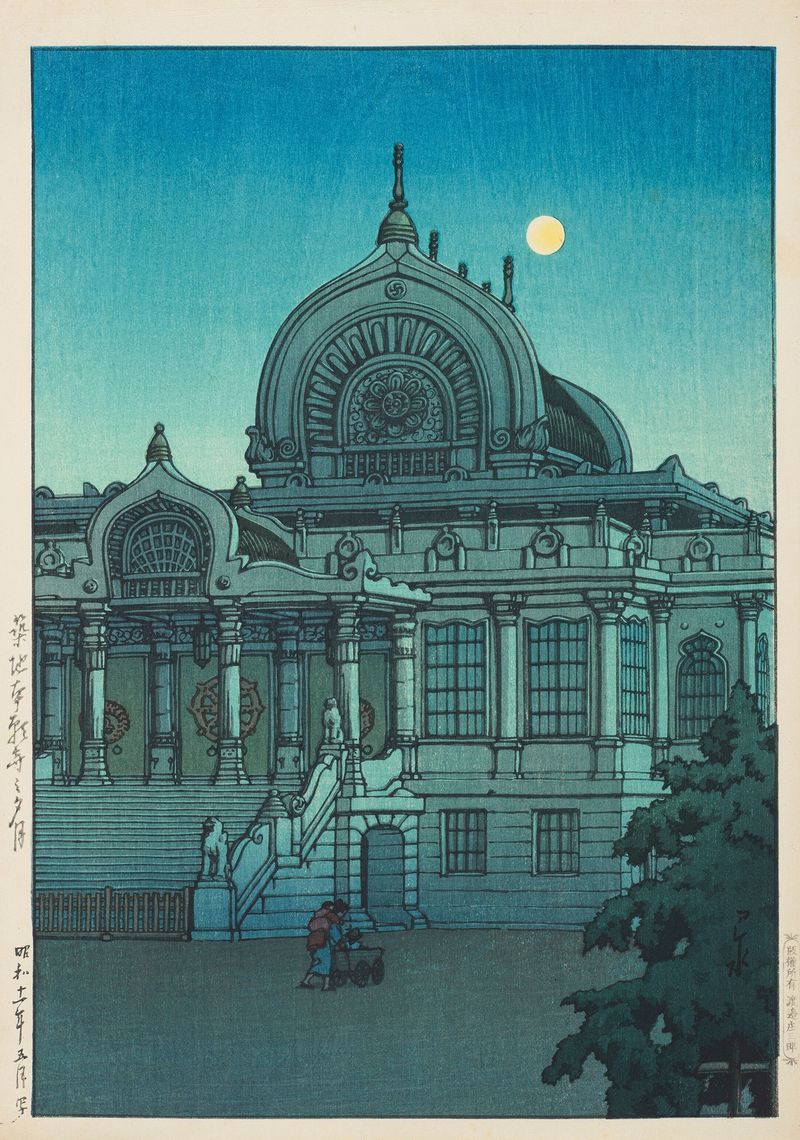
Tsukiji Honganji no yuzuki (Evening moon at Honganji Temple in Tsukiji)
Kawase Hasui
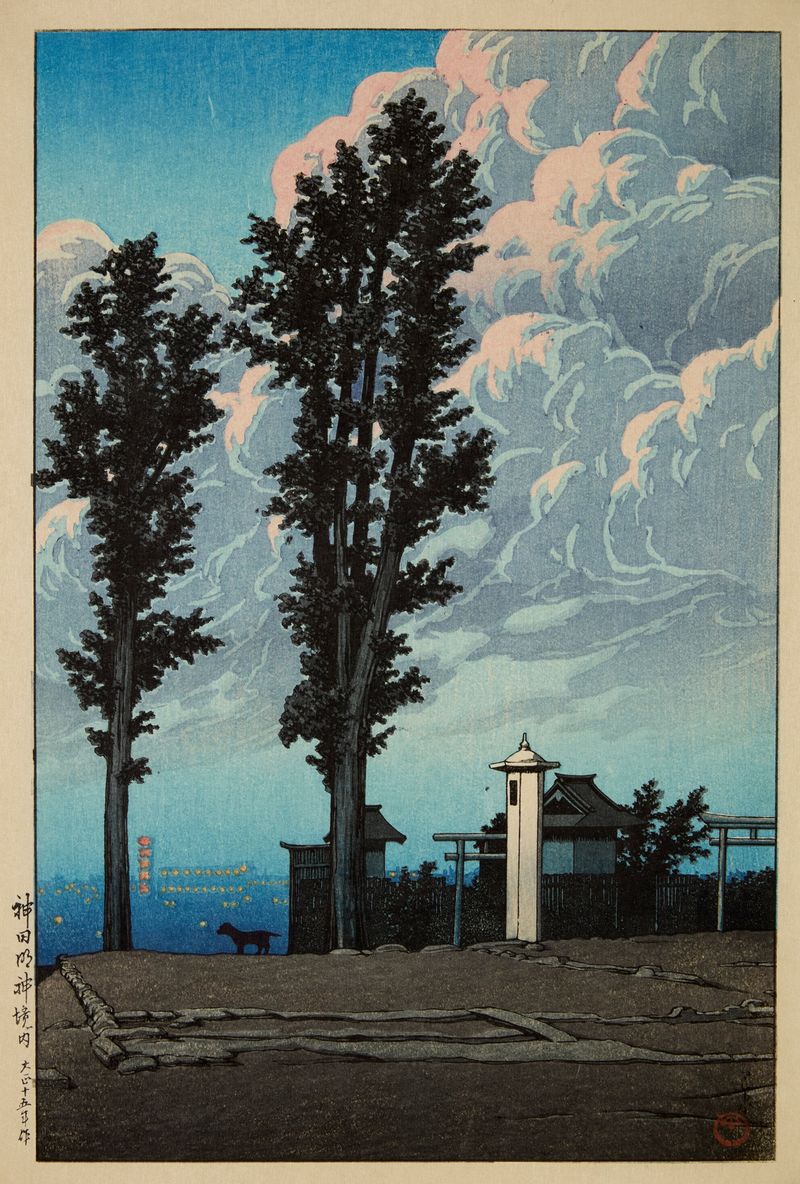
Kanda Myojin keidai (Kanda Myojin Shrine precent)
Kawase Hasui
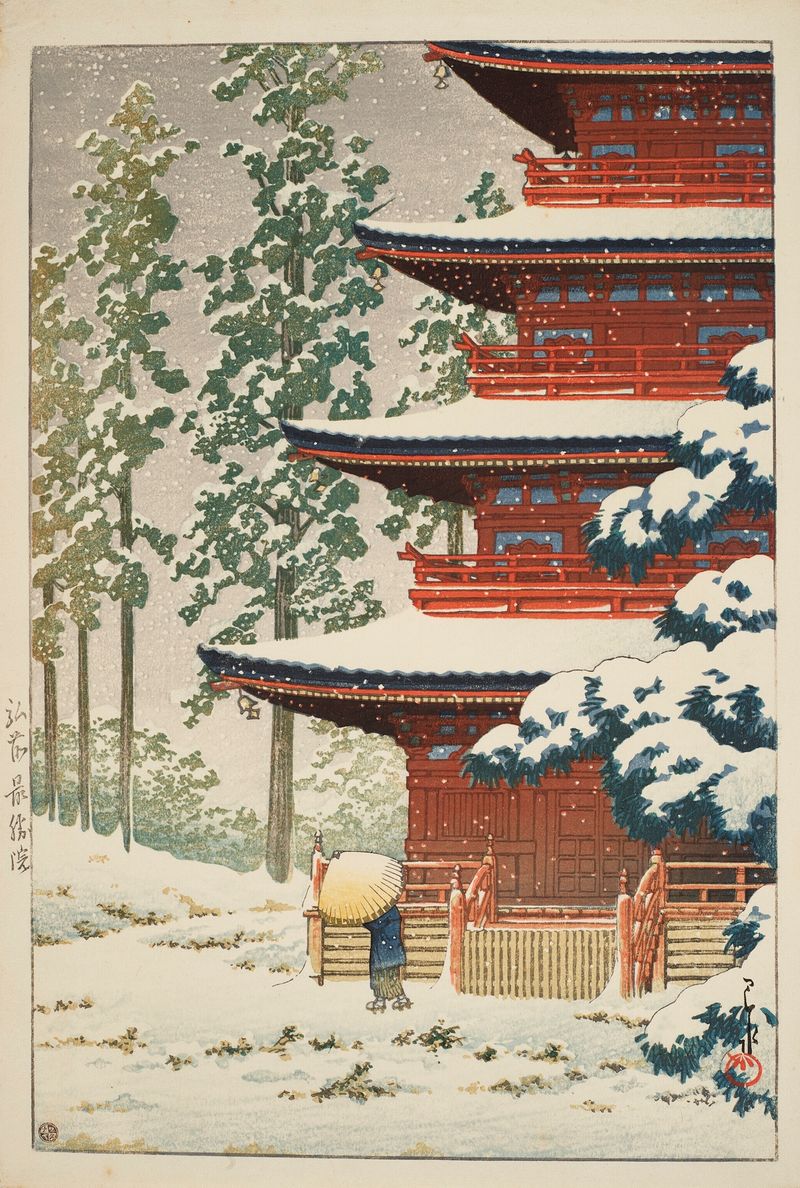
Saisho-in Temple, Hirosaki
Kawase Hasui
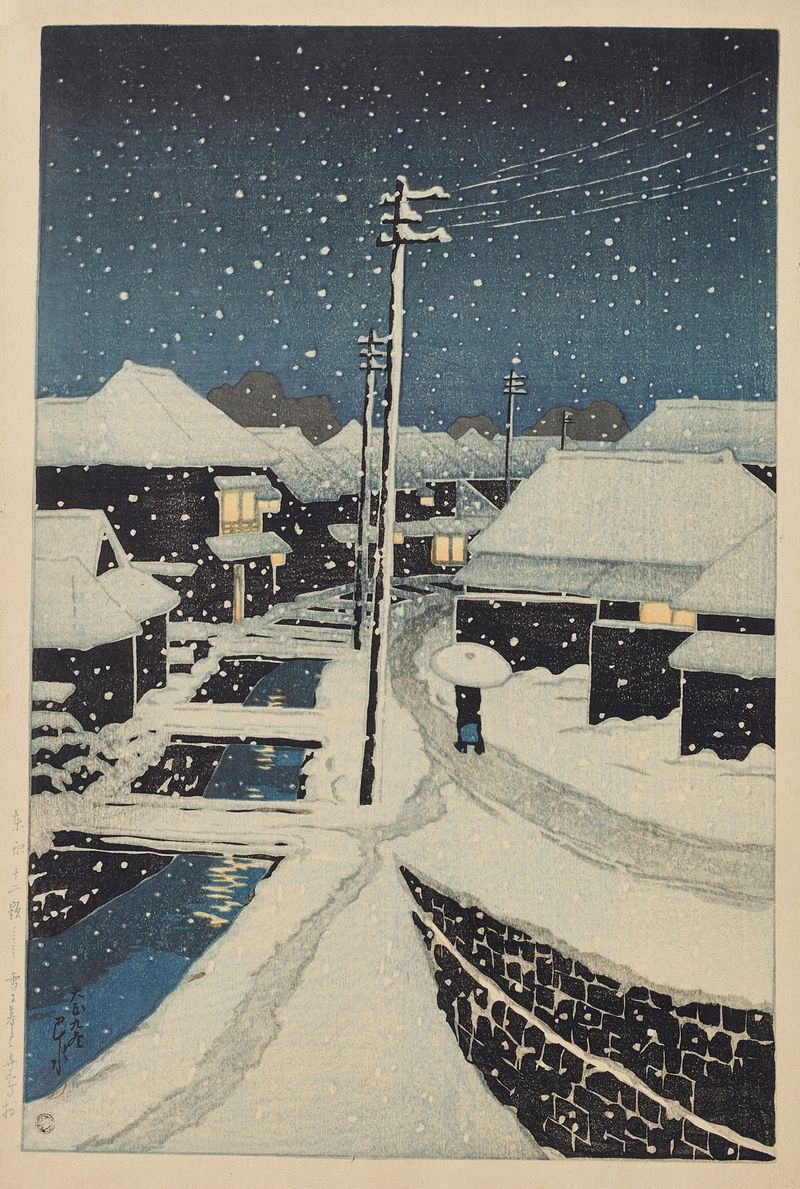
Yuki ni fururu Terajima mura (Evening snow at Terajima Village)
Kawase Hasui
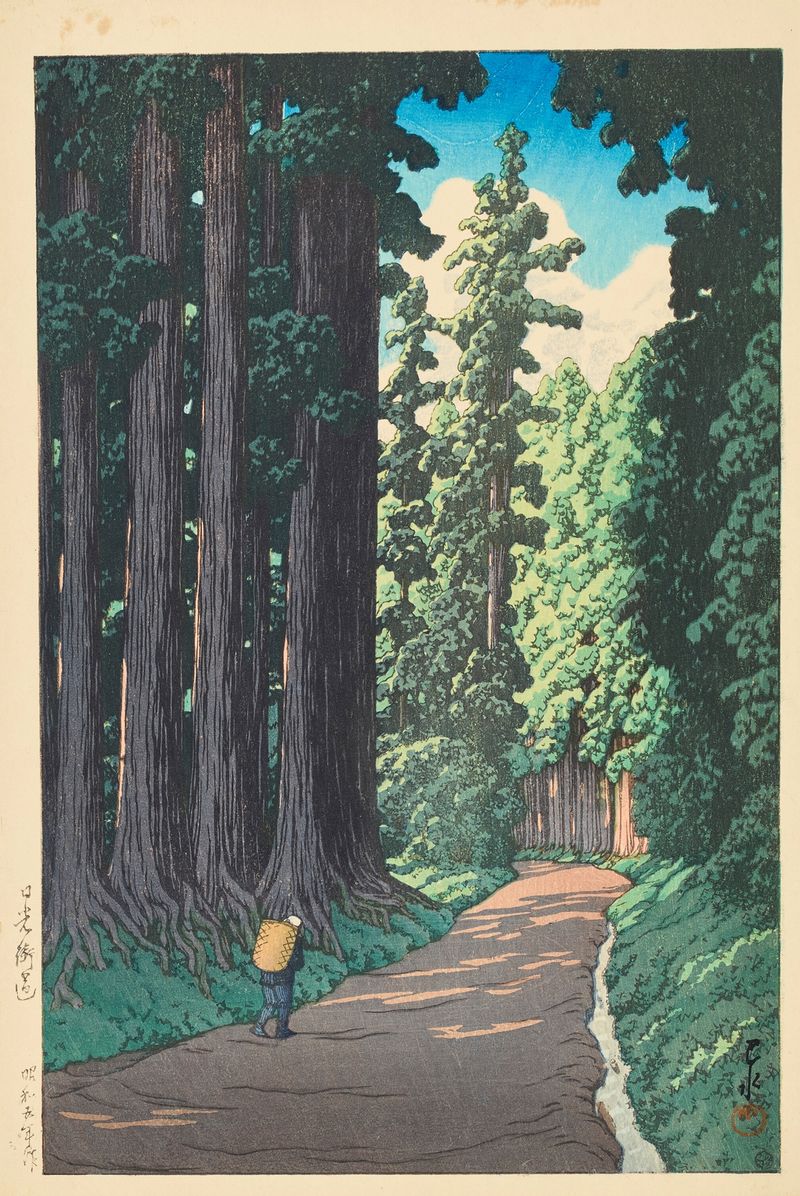
Nikko gaido (The Road to Nikko)
Kawase Hasui
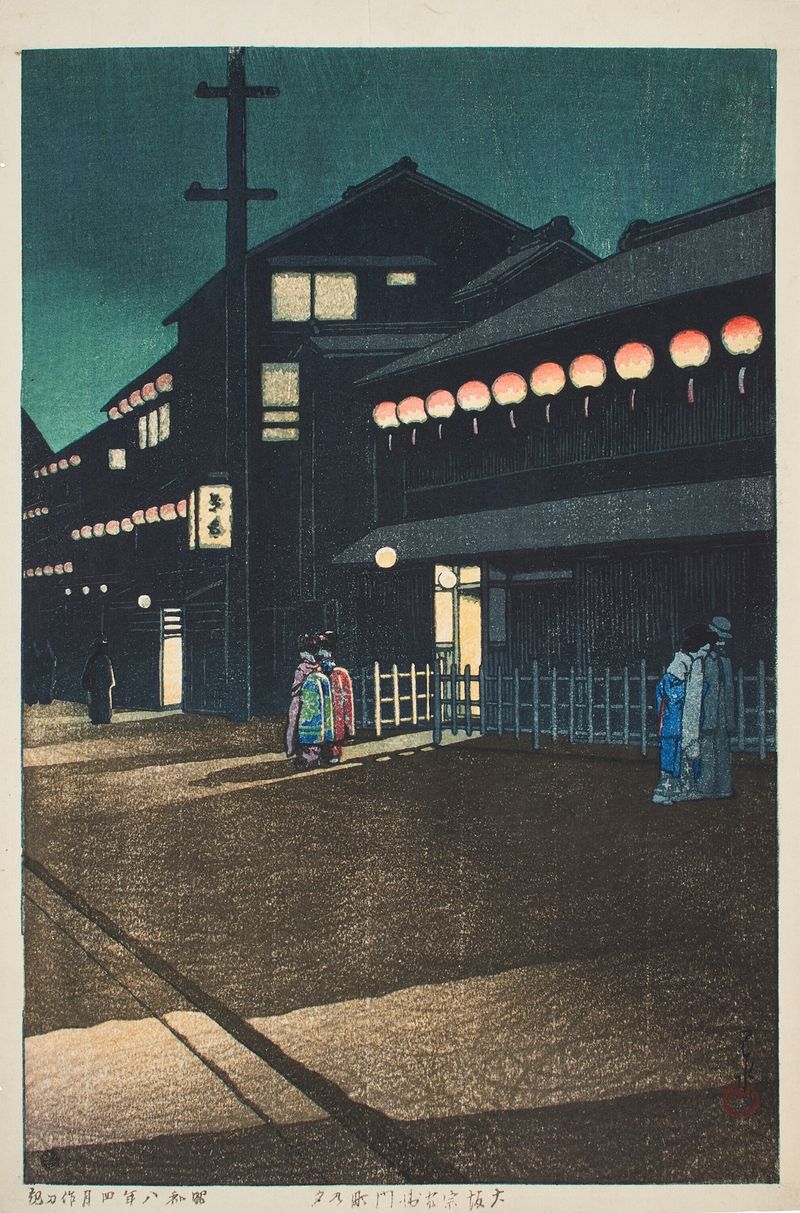
Osaka Soemon-cho no yu (Evening in Soemon-cho, Osaka)
Kawase Hasui
Autumn In Oirase
Kawase Hasui
Shinshu Kizakiko (Kizaki Lake in Shinshu)
Kawase Hasui





