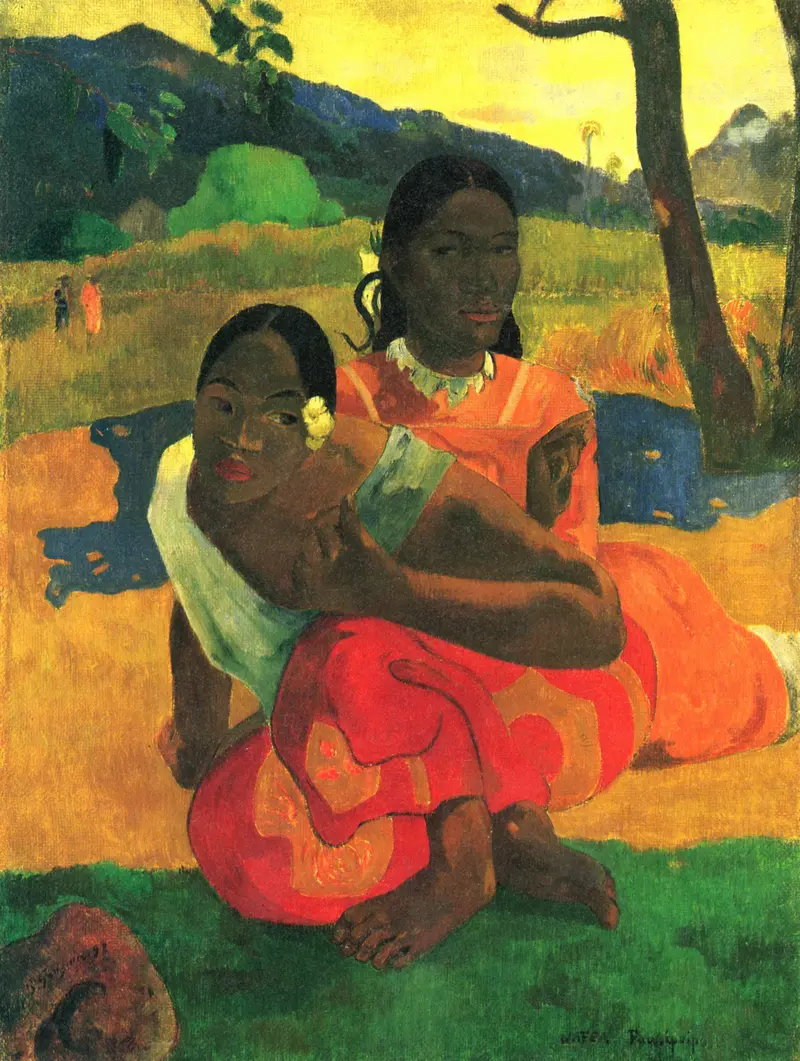
Für den einheimischen Getreidebau, für billiges Brot! — History & Facts
The first thing that seizes the eye in Emil Cardinaux’s Für den einheimischen Getreidebau, für billiges Brot! is the way the figures are anchored in the land, their profiles sharply outlined against a sky of unbroken blue. The woman and child, rendered in sturdy, sculptural forms, stand at the front—her gaze set outward, his turned toward her, both holding a basket that signals the harvest’s bounty. Behind them, the fields are alive with labor: workers bend to the grain, haystacks rise like monuments, and the sweep of the land draws the viewer’s eye into the rhythm of rural work.
The palette is earthy and direct, with ochres and browns rooting the scene in a sense of honest toil, while the bold lettering overhead transforms the picture into a call to action—this is not just a view of country life, but a vision of its value. Created in 1929, this work belongs to a world where posters were more than advertisements; they were instruments of persuasion, shaping public opinion in a time of political debate. The text makes its purpose plain, urging voters to support domestic grain production and affordable bread—a reflection of the era’s anxieties about food security and national self-sufficiency. Such posters were often commissioned by political groups or government bodies, designed by artists like Emil Cardinaux who specialized in clear, impactful imagery.
History has kept few traces of individual posters’ journeys, but this example, preserved in a Swiss collection, stands as a testament to the power of art in the service of democracy. Look again at the woman’s steady profile, and see not just a mother, but a symbol of the nation’s hopes for stability and sustenance.
More Artworks by Emil Cardinaux
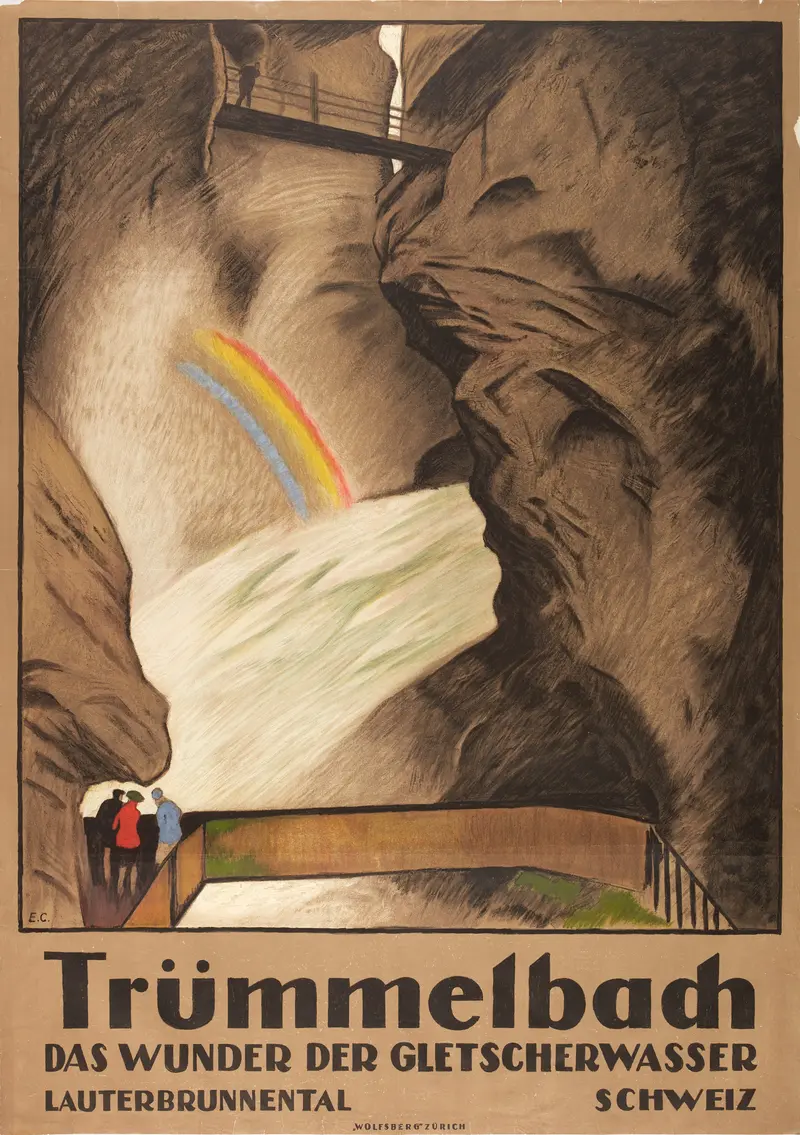
Trümmelbach
Emil Cardinaux
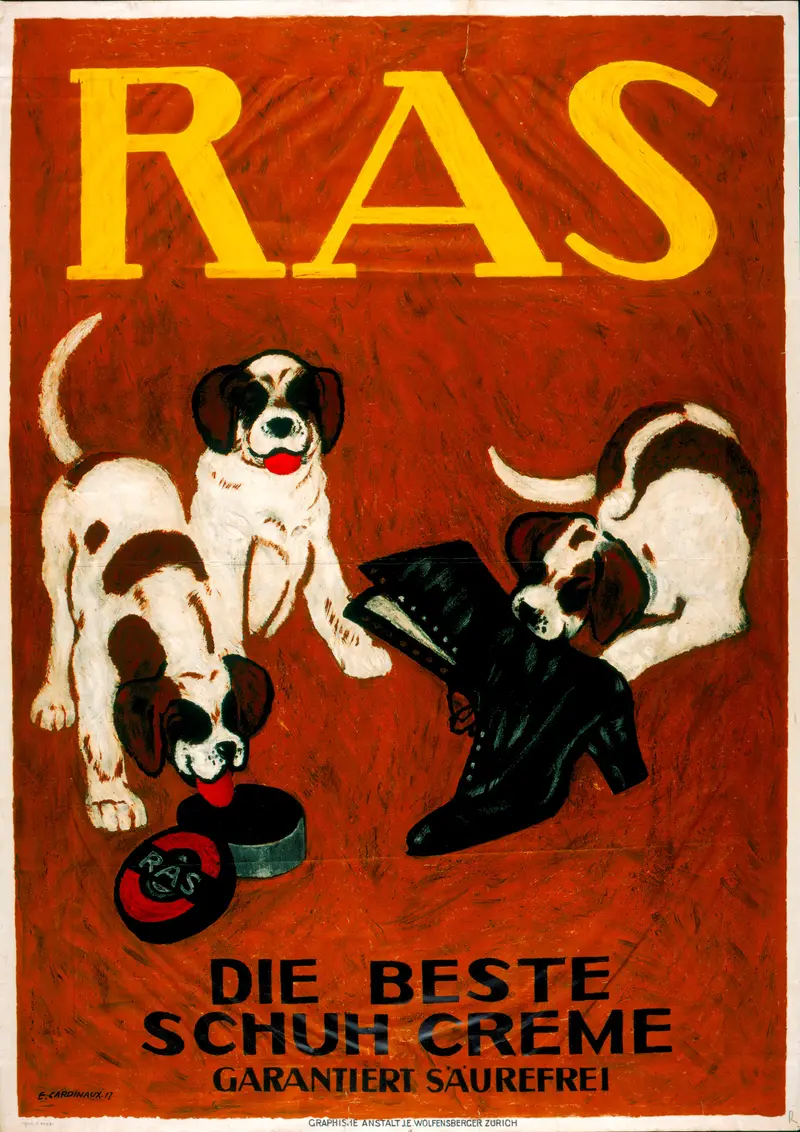
RAS, die beste Schuhcrème
Emil Cardinaux
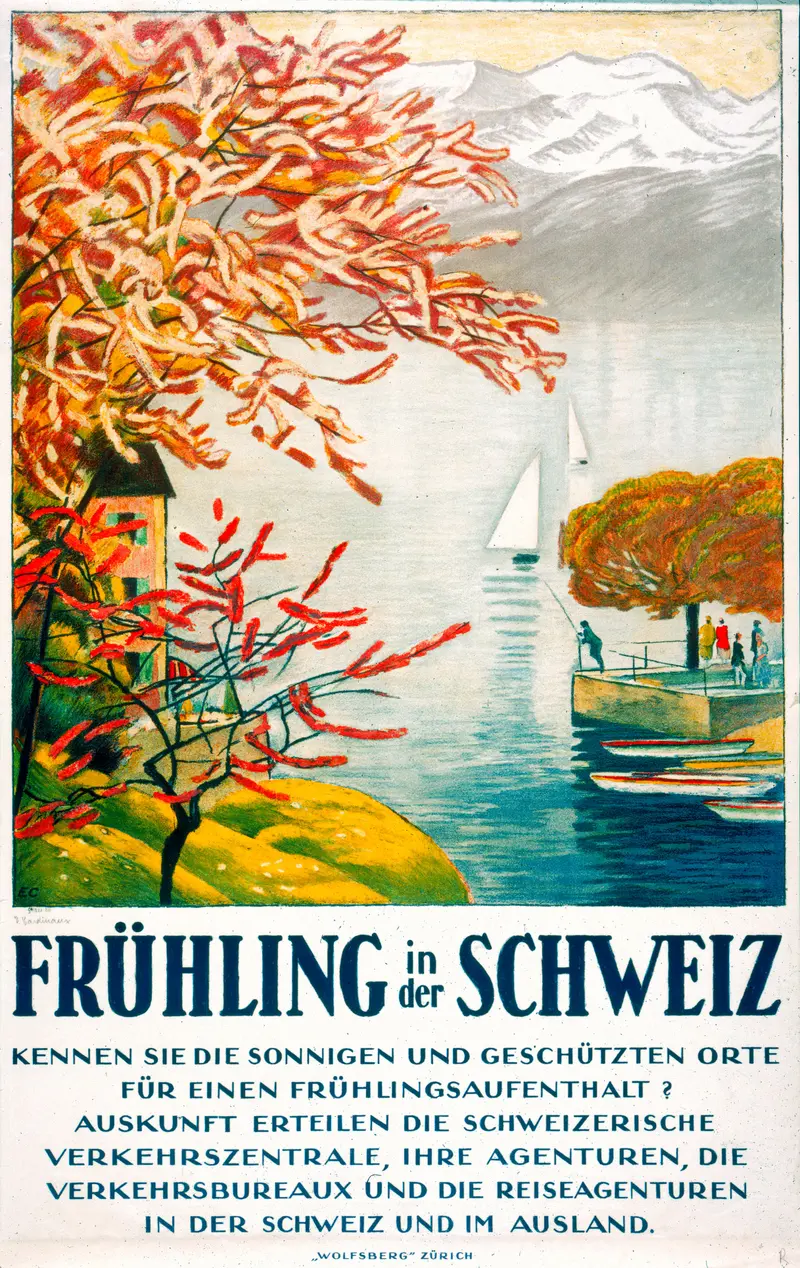
Frühling in der Schweiz
Emil Cardinaux
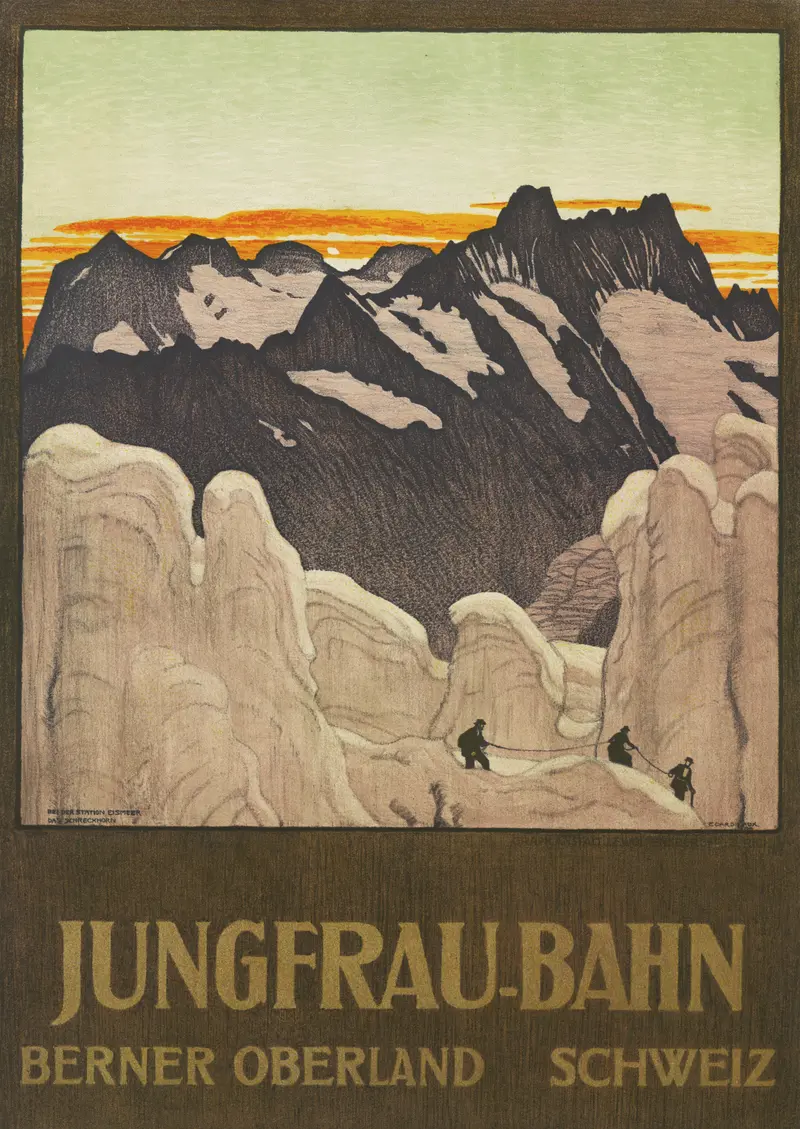
Jungfrau-Bahn, Berner Oberland
Emil Cardinaux
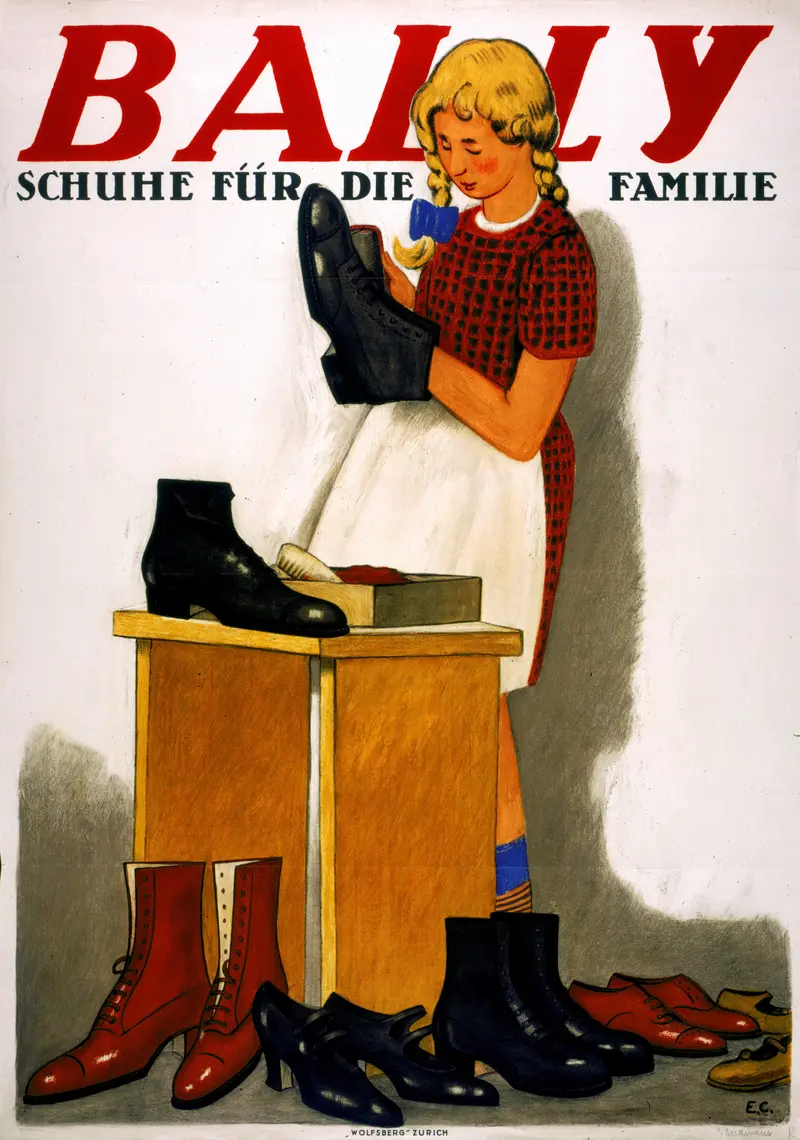
Bally – Schuhe für die Familie
Emil Cardinaux

Winter in Switzerland
Emil Cardinaux
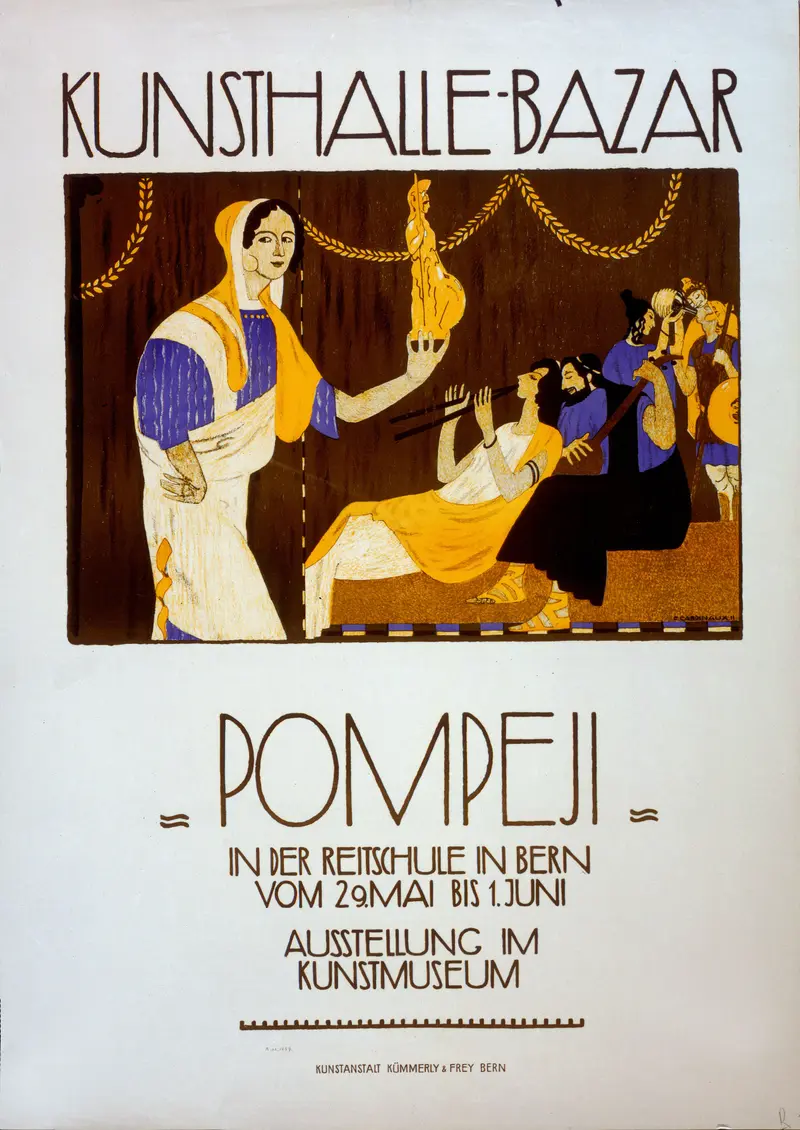
Kunsthalle-Bazar Pompeji, Bern 1911
Emil Cardinaux
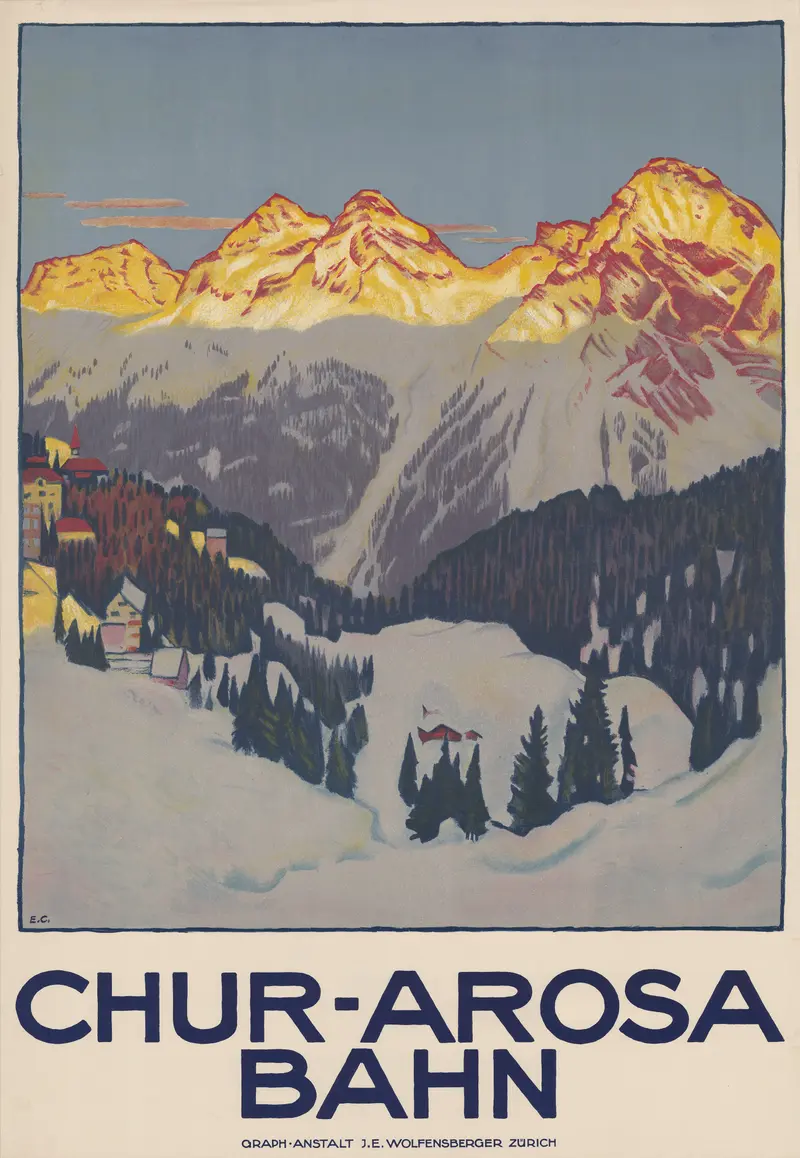
Chur-Arosa-Bahn
Emil Cardinaux
Vermögensabgabe – Nein
Emil Cardinaux
Sommer in der Schweiz
Emil Cardinaux