
Garden of Montmartre — History & Facts
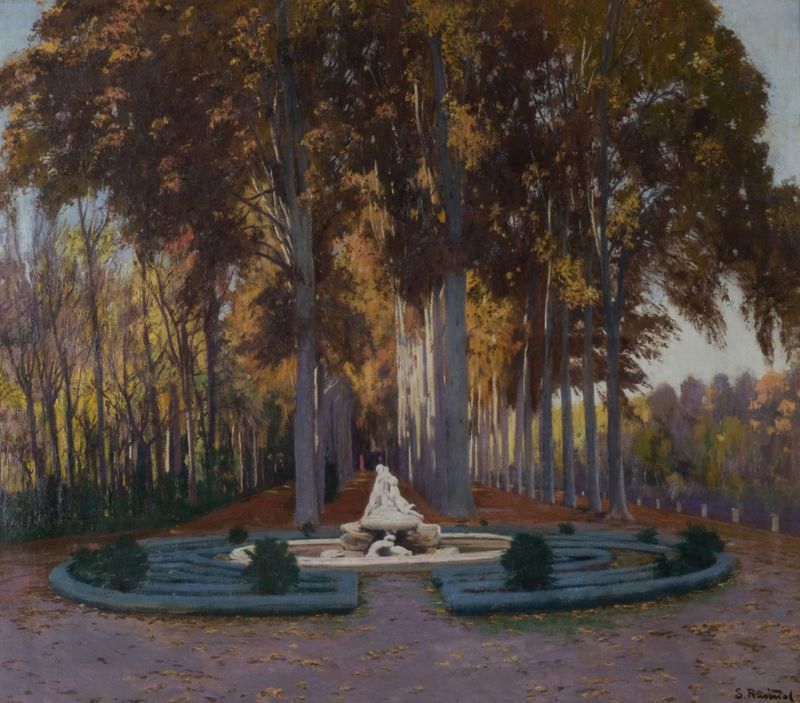
In the soft embrace of a Montmartre afternoon, vibrant flowers sway gently in the breeze, their colors shimmering like whispers of joy. A figure, perhaps lost in thought, strolls amidst the blossoming beauty, the light filtering through the greenery like a painter’s brush caressing a canvas. There’s an intimate stillness, punctuated only by the rustle of petals, as if the garden itself holds its breath, inviting the viewer to linger in this moment of transcendence. Look to the left at the splashes of crimson and gold, where the lush blooms erupt against the earthy backdrop.
Notice how the sunlight dances upon the flowers, illuminating their intricate details and casting playful shadows on the path. The artist employs soft, swirling brushstrokes, inviting a sense of movement and life, while the palette is infused with a harmony that feels both natural and dreamlike, drawing you deeper into this floral sanctuary. Delve into the emotional contrasts at play: the serenity of nature juxtaposed against the fleeting human experience. The solitary figure hints at reflection and solitude, suggesting a journey toward inner peace amidst chaos.
Each flower can be seen as a symbol of life’s beauty and impermanence, urging the viewer to confront their own relationship with the transitory moments that define existence. Santiago Rusiñol painted this piece from 1890 to 1891 during a pivotal period in his artistic career, where he was deeply influenced by the Symbolist movement. Residing in Montmartre, he immersed himself in the vibrant art scene of Paris, experimenting with color and light to convey emotional depth. This garden reflects the artist's own longing for beauty and escape from the turmoil of the world around him, revealing a profound connection between art and the human spirit.
More Artworks by Santiago Rusiñol
Browse all →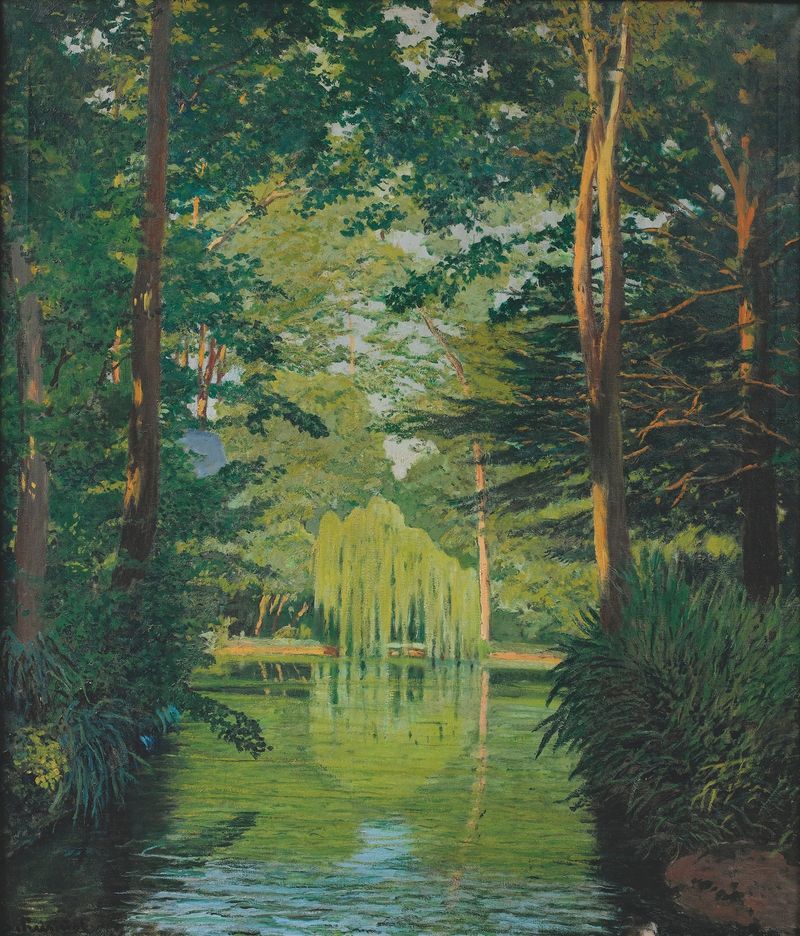
Parc Badés, Arbúcies
Santiago Rusiñol
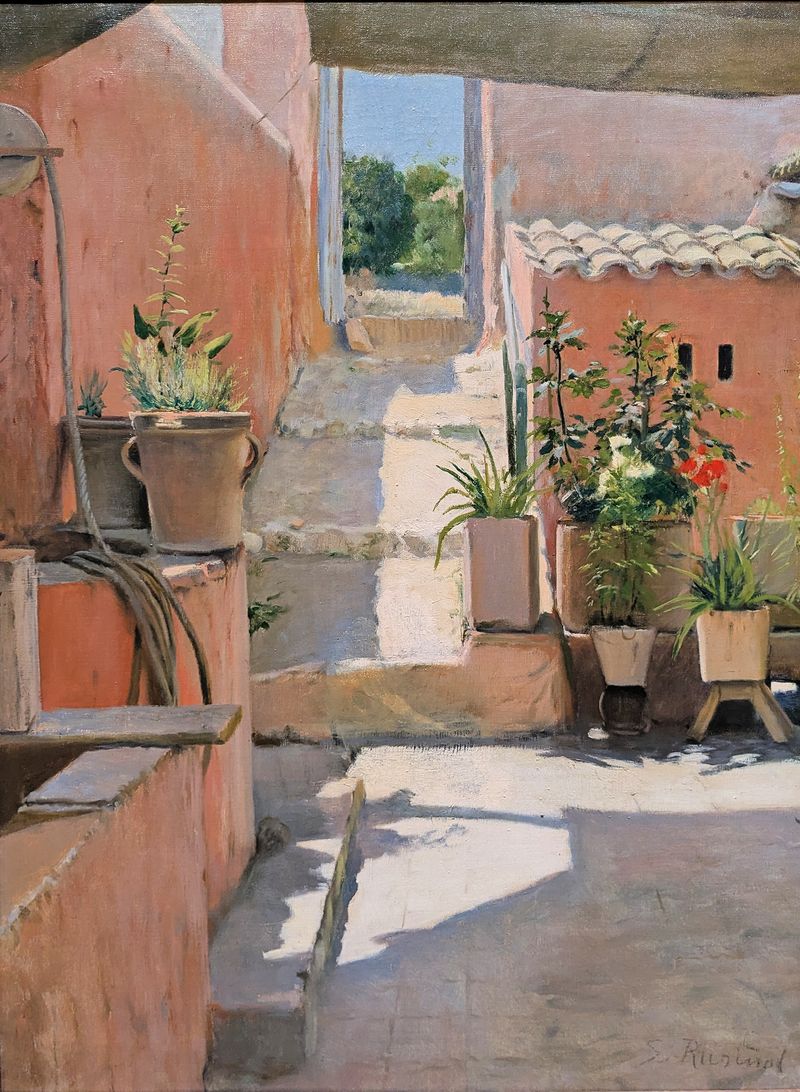
Patio in Sitges
Santiago Rusiñol
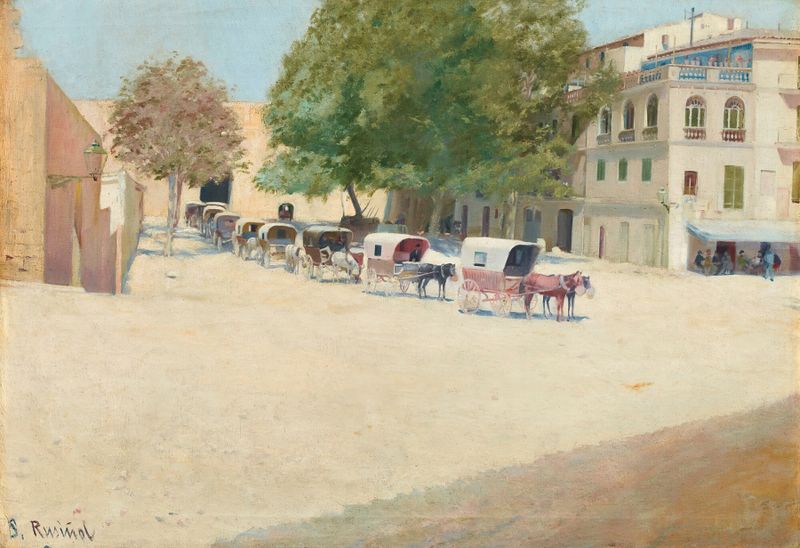
Paseo De Mallorca
Santiago Rusiñol
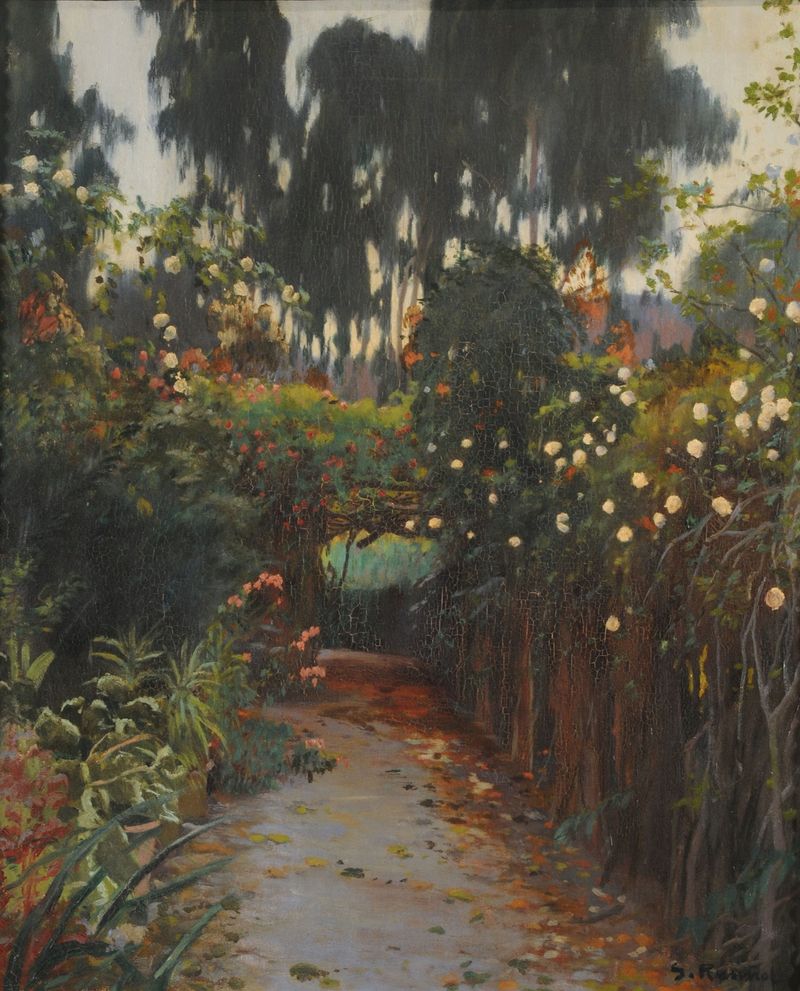
Camino de rosas
Santiago Rusiñol

Lavaderos De La Barceloneta
Santiago Rusiñol
Otoñal
Santiago Rusiñol

Cala Grisa
Santiago Rusiñol

Gardens of the Generalife
Santiago Rusiñol

Jardín De Sa Coma. Valdemosa
Santiago Rusiñol

La Fuente De Los Cipreses
Santiago Rusiñol





