
Garotos da Ladeira — History & Facts
In Garotos da Ladeira, Eliseu Visconti presents a lively street scene filled with children playing. The painting is characterized by vibrant colors, with warm yellows and deep blues dominating the palette. The figures are depicted in motion, capturing the joy and energy of youth.
The setting suggests a bustling neighborhood, likely in Brazil, where the artist lived and worked. The painting is created using oil on canvas, a medium that allows for rich texture and depth. Visconti employs a loose brushwork style typical of Post-Impressionism, which adds a sense of spontaneity to the scene. The composition is dynamic, with figures arranged in a way that leads the viewer's eye through the painting.
The approximate dimensions of the artwork are 80 x 100 cm. Eliseu Visconti was a prominent Brazilian artist known for his contributions to the Post-Impressionist movement. Garotos da Ladeira reflects his interest in everyday life and the vibrancy of Brazilian culture. An interesting fact about this work is that it showcases the artist's ability to blend traditional techniques with modern themes, making it a significant piece in his oeuvre.
Visconti's work often highlights the beauty of ordinary moments, as seen in this lively depiction of children at play.
More Artworks by Eliseu Visconti

Retrato de José da Silva Brandão
Eliseu Visconti

Dorso de mulher
Eliseu Visconti
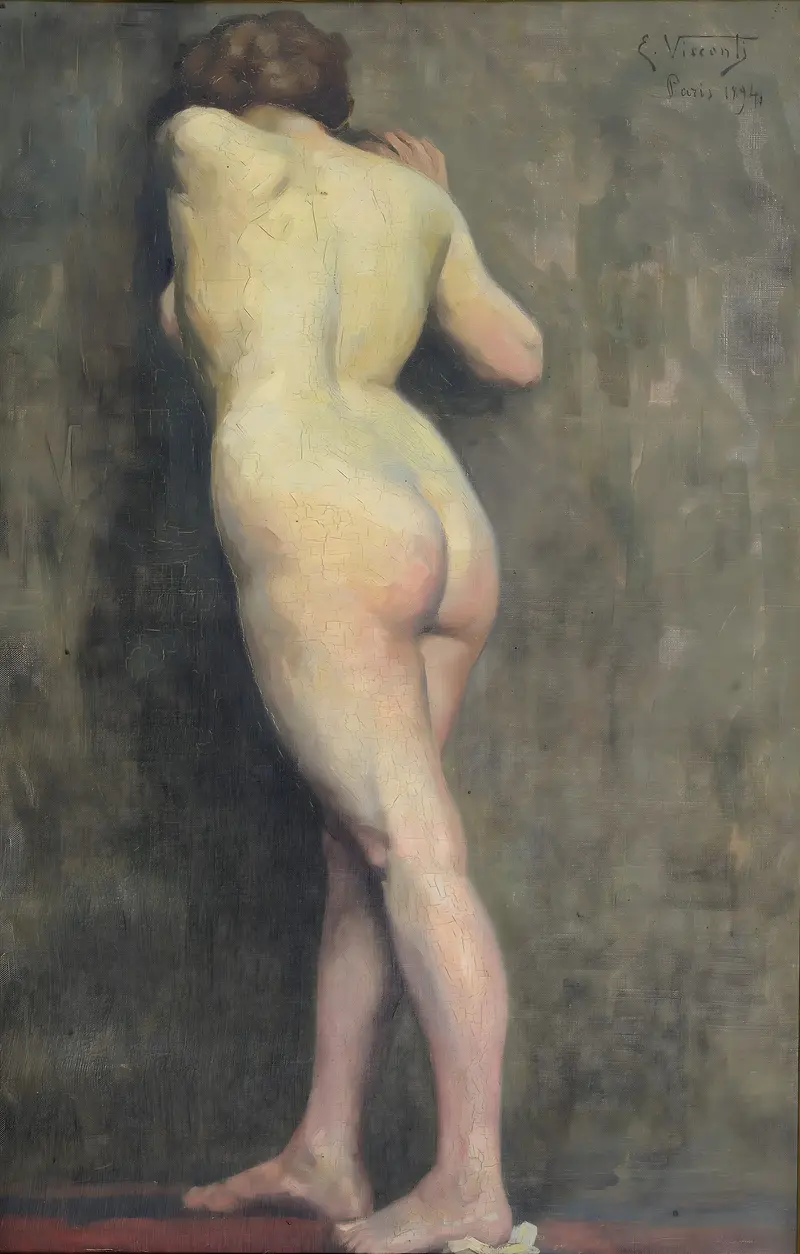
Nu feminino de costas
Eliseu Visconti
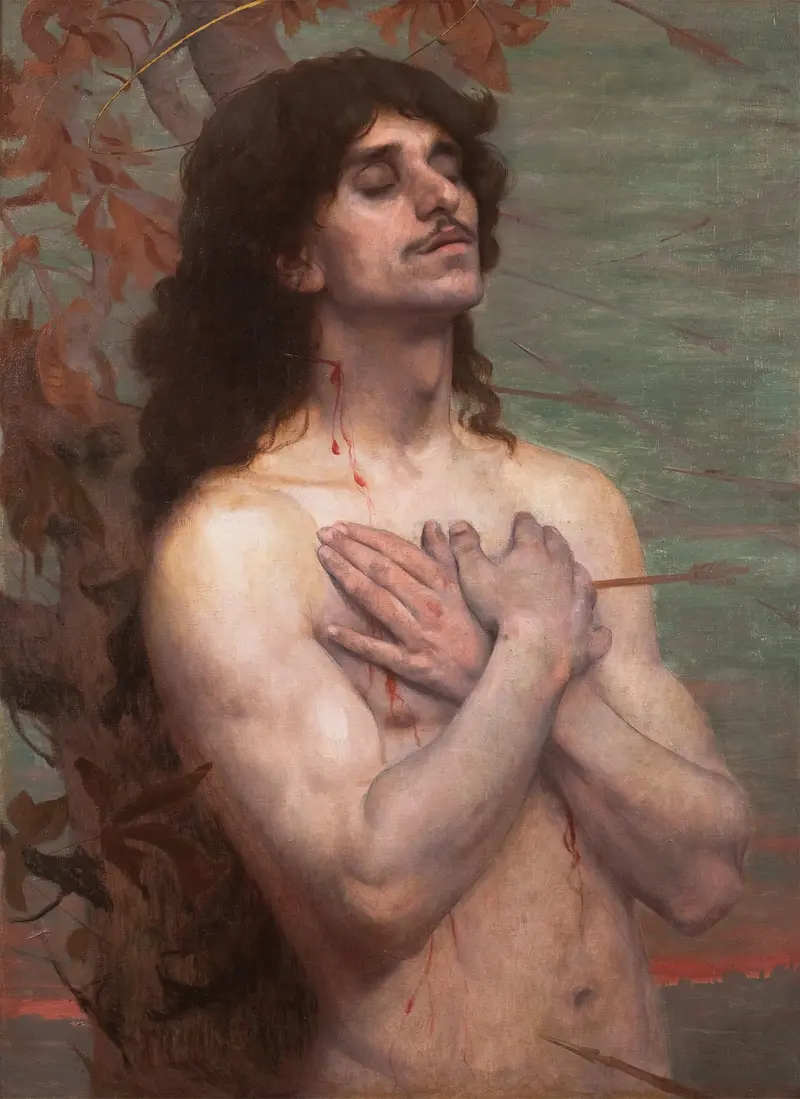
São Sebastião – Estudo para “Recompensa de São Sebastião”
Eliseu Visconti
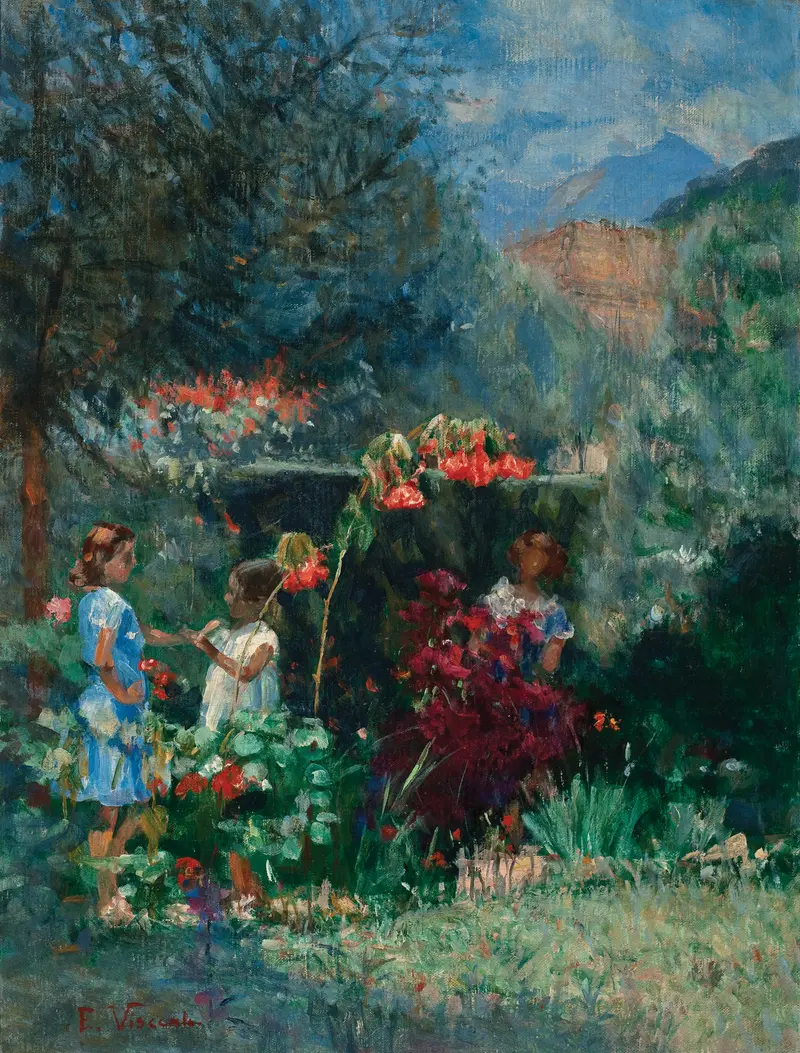
Três meninas no jardim
Eliseu Visconti
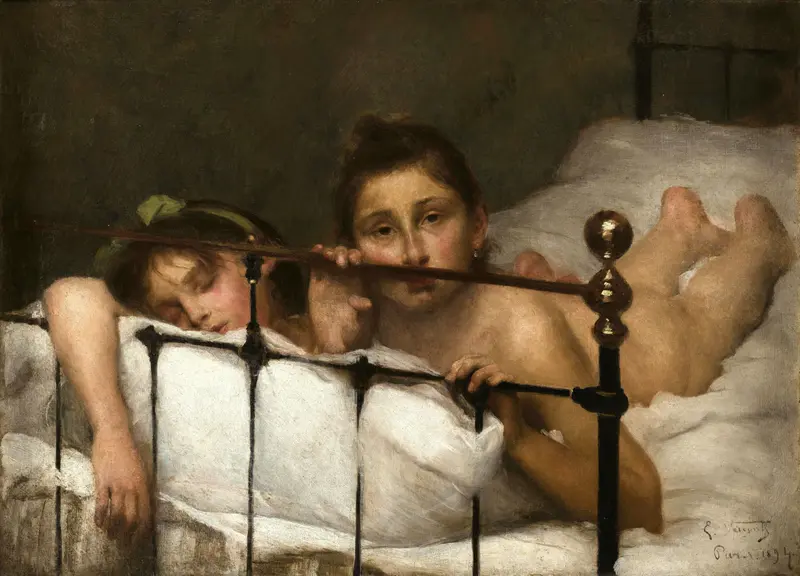
The two sisters or In summer
Eliseu Visconti
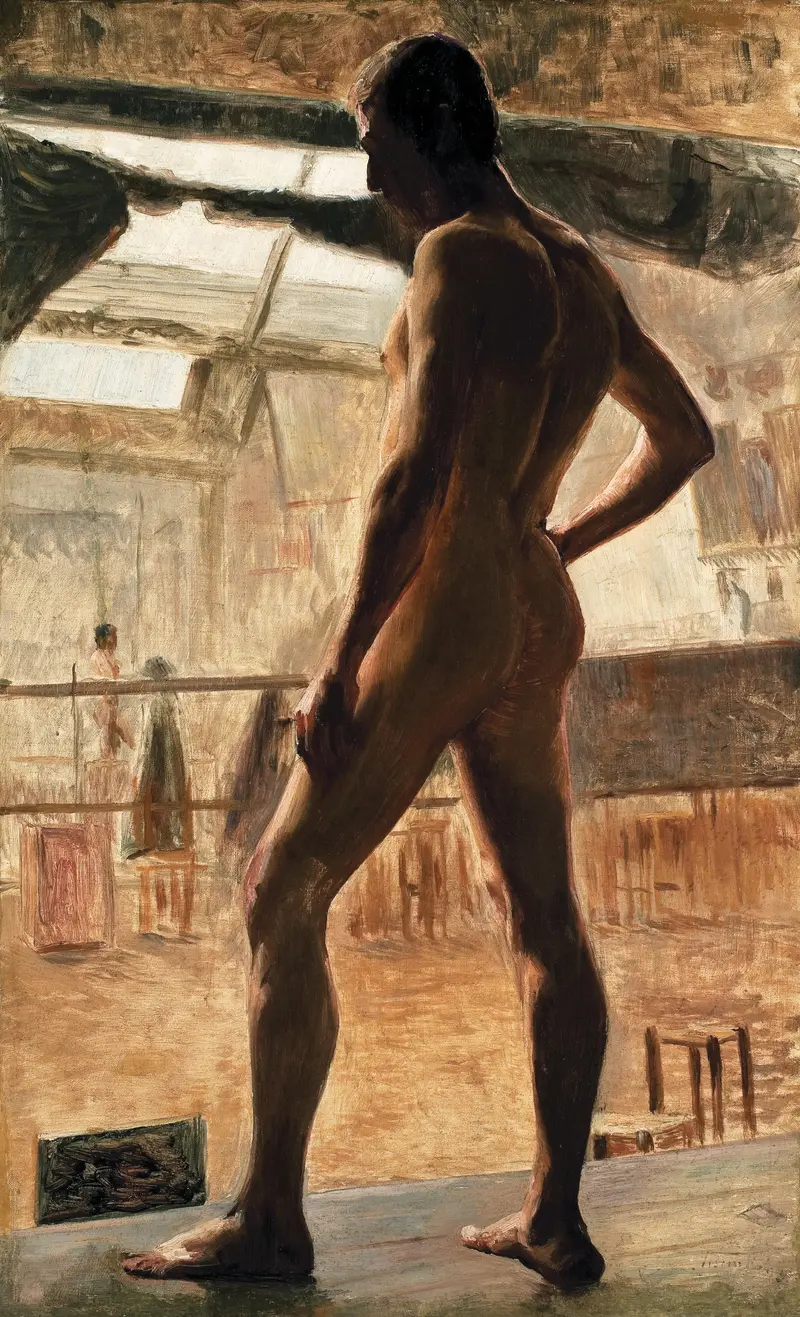
Nu masculino
Eliseu Visconti
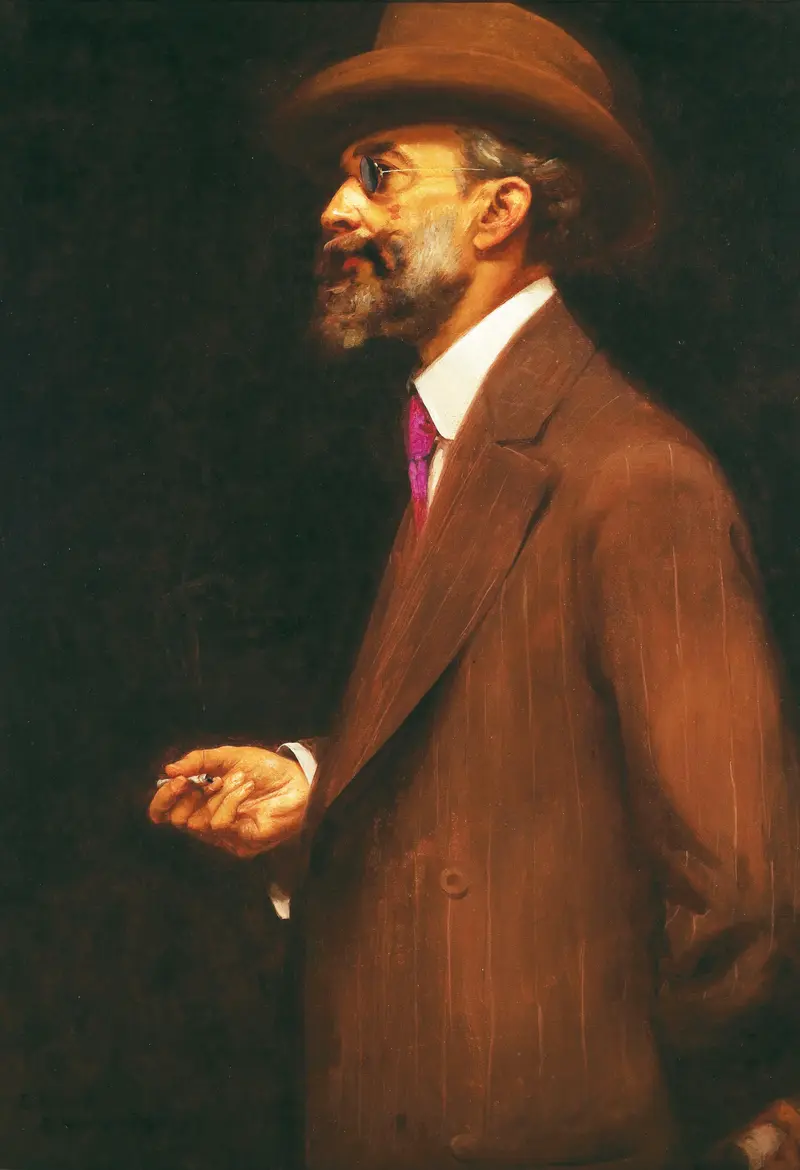
Retrato de Gonzaga Duque
Eliseu Visconti
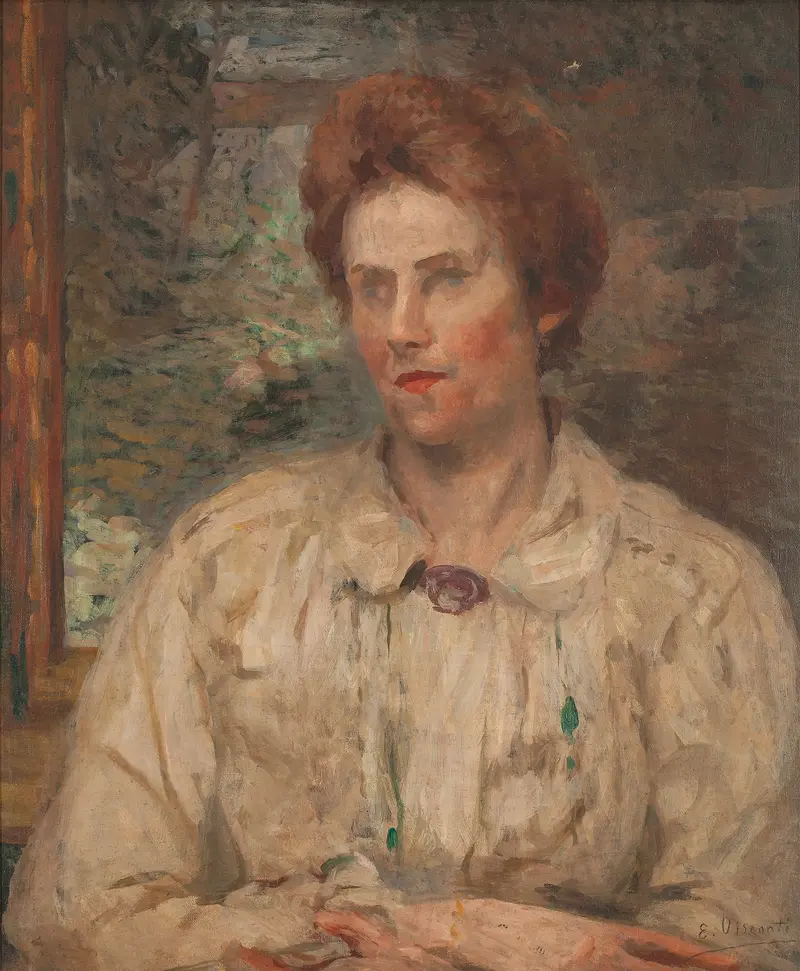
Retrato de Louise
Eliseu Visconti
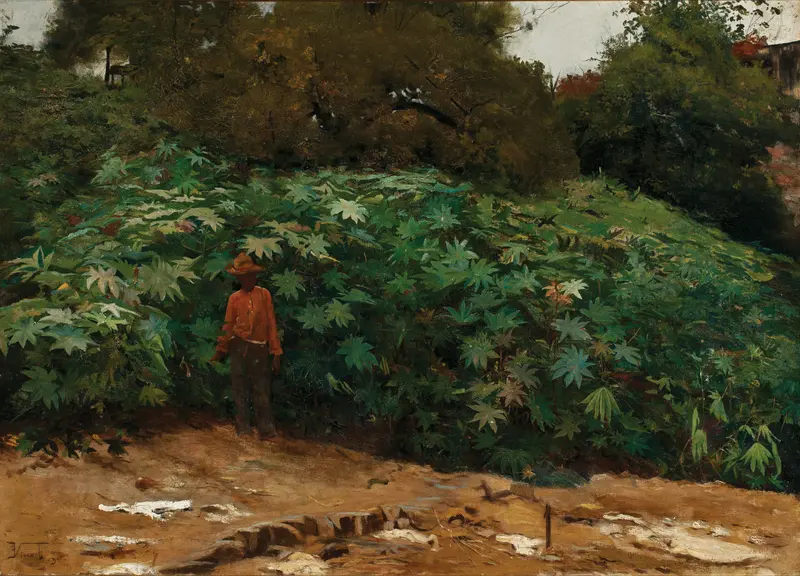
Mamoneiras – Morro de São Bento
Eliseu Visconti
More Genre Scene Art

Banquet of the Officers of the St George Civic Guard
Frans Hals

Rembrandt and Saskia in the Scene of the Prodigal Son
Rembrandt van Rijn

Bal du moulin de la Galette
Pierre-Auguste Renoir

Quadrille at the Moulin Rouge
Henri de Toulouse-Lautrec

A Burial at Ornans
Gustave Courbet

When Will You Marry?
Paul Gauguin