
Gazebo — History & Facts
A path winds through slender birch trunks, drawing the viewer’s gaze toward a pale, two-story structure half-concealed by the forest’s early spring growth. The eye slips between the verticals of tree and shadow, catching on the green roof and delicate balcony railings, hints of human presence amid the wildness. Sunlight dapples the ground in quick, loose strokes of green and blue, while the house itself glows with a gentle warmth that suggests both shelter and seclusion.
The composition invites a pause: is the gazebo a destination, a memory, or simply a moment of stillness in the woods? The painter’s brushwork is brisk and assured, capturing the fleeting clarity of light before the leaves return. Painted in the 1920s by Apollinari Mikhailovich Vasnetsov, this work belongs to a world in transition—Russia between wars, where nature and architecture often met in quiet, contemplative scenes. The genre of landscape painting had long been a space for artists to reflect on national identity, solitude, and the passage of time, and Vasnetsov was known for his atmospheric views of Russian forests and towns. Little is recorded about this specific Gazebo, now catalogued in a Russian collection, but its mood and subject speak to the enduring appeal of the retreat into nature.
The viewer is left to imagine the stories that might unfold along that winding path, or the conversations that might have drifted from the balcony into the trees.
More Artworks by Apollinari Mikhailovich Vasnetsov

Landscape With Lake
Apollinari Mikhailovich Vasnetsov
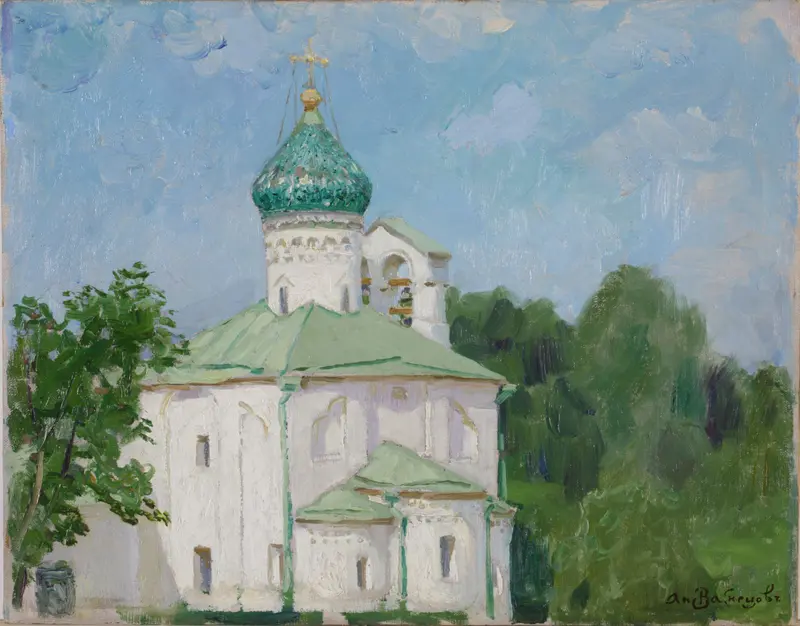
Sergius Luzhki
Apollinari Mikhailovich Vasnetsov
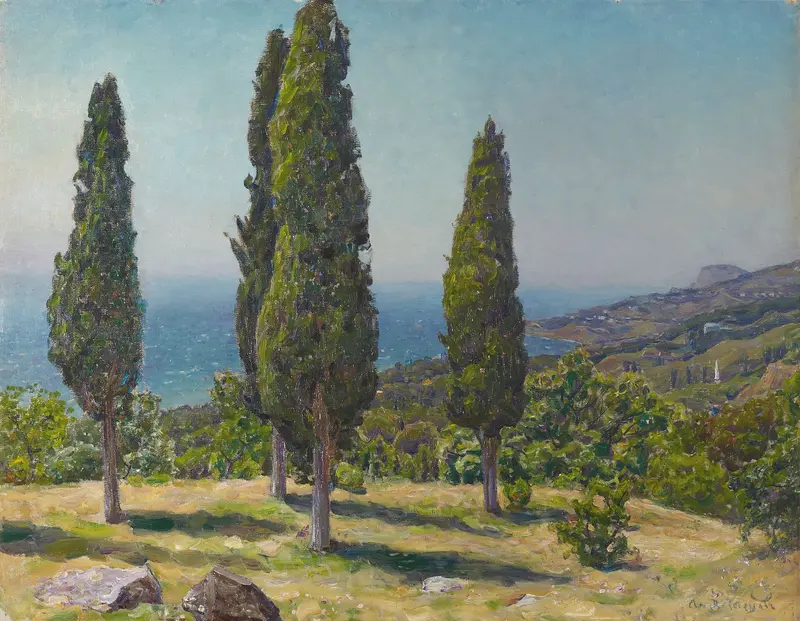
cypresses. Crimea
Apollinari Mikhailovich Vasnetsov
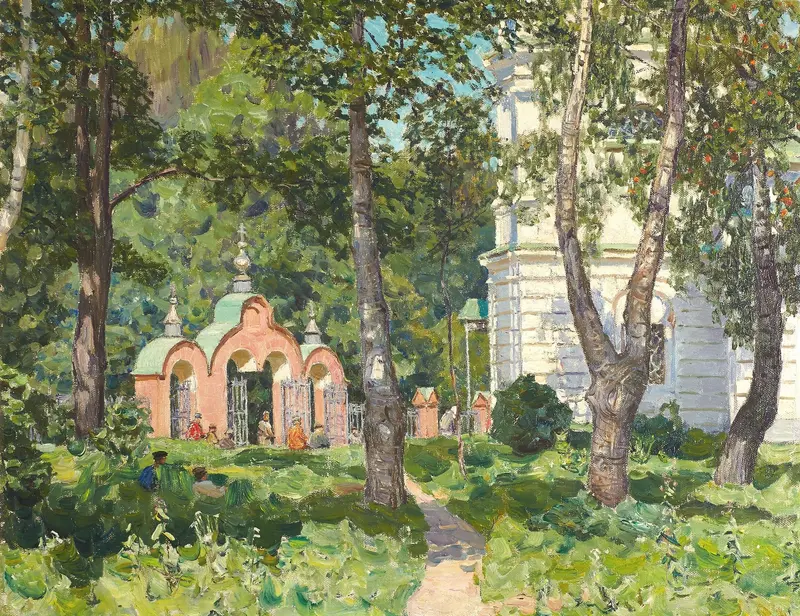
Demyanovo. At the churchyard
Apollinari Mikhailovich Vasnetsov
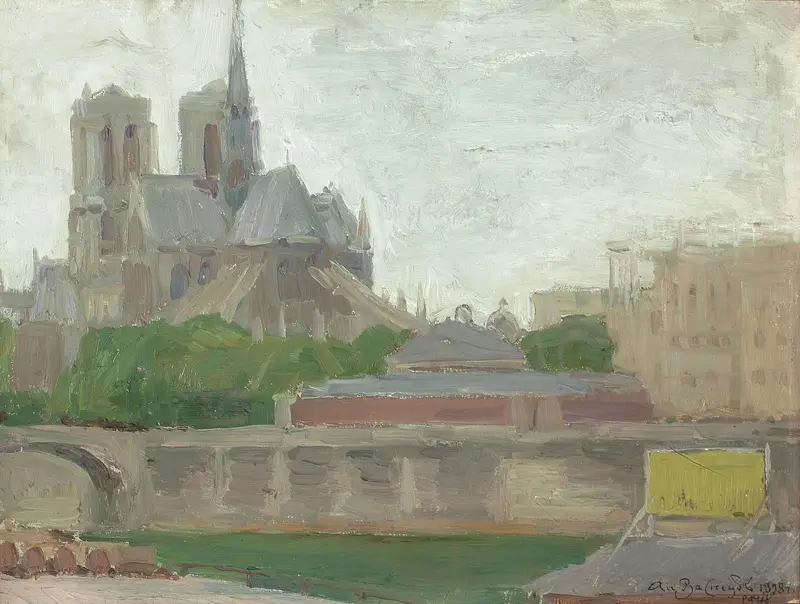
Notre Dame de Paris
Apollinari Mikhailovich Vasnetsov
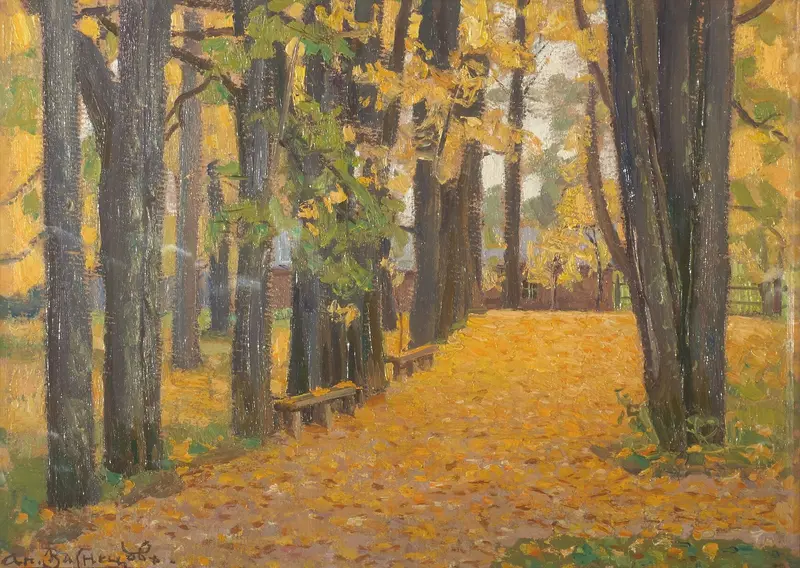
Autumn park
Apollinari Mikhailovich Vasnetsov
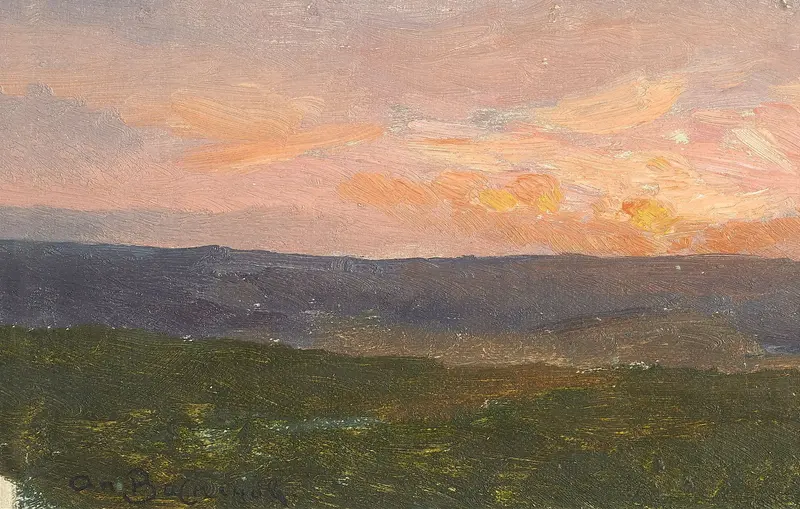
Sunset. Shurma
Apollinari Mikhailovich Vasnetsov

Via delle Tombe Pompeii
Apollinari Mikhailovich Vasnetsov
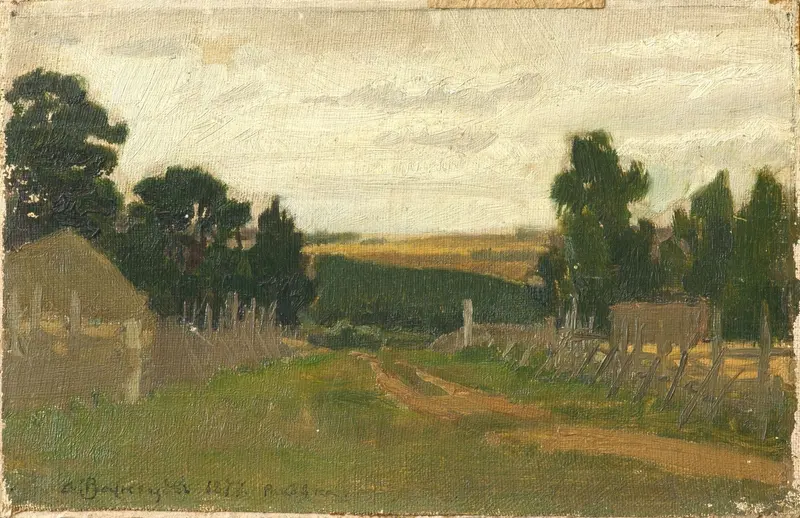
Rakovka
Apollinari Mikhailovich Vasnetsov
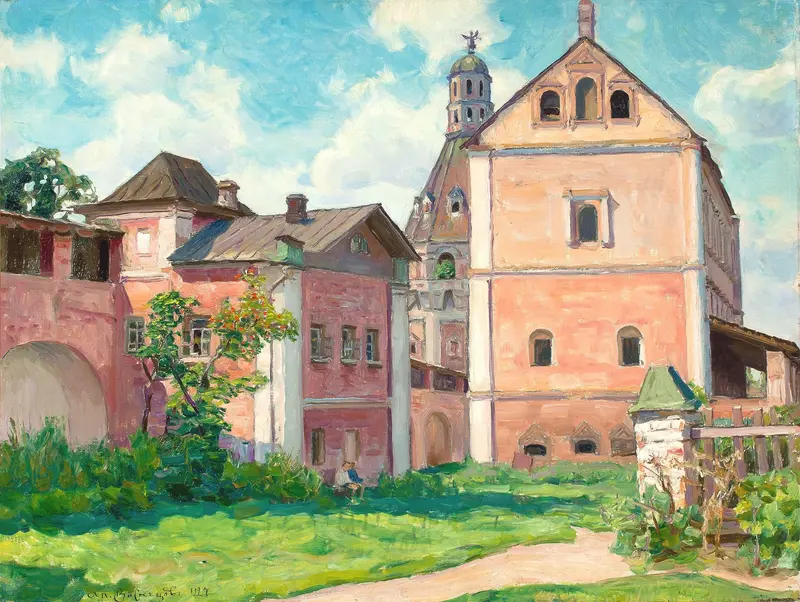
Simonov tower
Apollinari Mikhailovich Vasnetsov
More Landscape Art

The Starry Night
Vincent van Gogh

View of Delft
Johannes Vermeer

Water Lilies
Claude Monet

The Grand Canal, Venice, looking north-west from the Ca' Corner to the Ca' Contarini degli Scrigni, with the campanile of Santa Maria della Carità
Canaletto

Windsor Castle
Canaletto

The Grand Canal looking North-East from the Palazzo Dolfin-Manin to the Rialto Bridge
Canaletto