
Geboorte van Christus en aanbidding van herders — History & Facts
In the realm of art, destiny often weaves its threads through moments of profound significance. The birth of Christ, a moment where divinity meets the earthly realm, encapsulates the intersection of hope and suffering in the human experience. Look to the center of the composition where the infant Christ is cradled by His mother, enveloped in a soft, ethereal light that highlights the tender affection between them. The figures surrounding them — the shepherds, humble yet awestruck — draw your gaze with their expressive gestures and vivid costumes.
Notice how the artist employs a warm palette, with rich reds and golden hues that illuminate the scene, contrasting against the darker background, creating an almost sacred atmosphere that invites contemplation. Delve deeper into the contrasts at play: the stark vulnerability of the newborn juxtaposed with the strength found in the adoration of the shepherds. The varying expressions of wonder and reverence hint at personal journeys and destinies intertwined with the divine. Each figure carries an emotional weight, suggesting that the act of witnessing this miraculous birth might change their lives forever, plunging them into a new reality where hope intertwines with inevitable sacrifice. Created between 1534 and 1535, this work emerged during a time of religious upheaval in Europe as the Reformation gathered momentum.
Pencz, a notable figure of the Northern Renaissance, painted during an era marked by vibrant artistic expression and a yearning for spiritual clarity amidst social turmoil. His depiction of this profound biblical event reflects not only his personal artistry but also the broader cultural dialogues of faith and redemption that permeated his time.
More Artworks by Georg Pencz
Browse all →
Parabel van de zaaier
Georg Pencz

Parabel van de arbeiders in de wijngaard
Georg Pencz
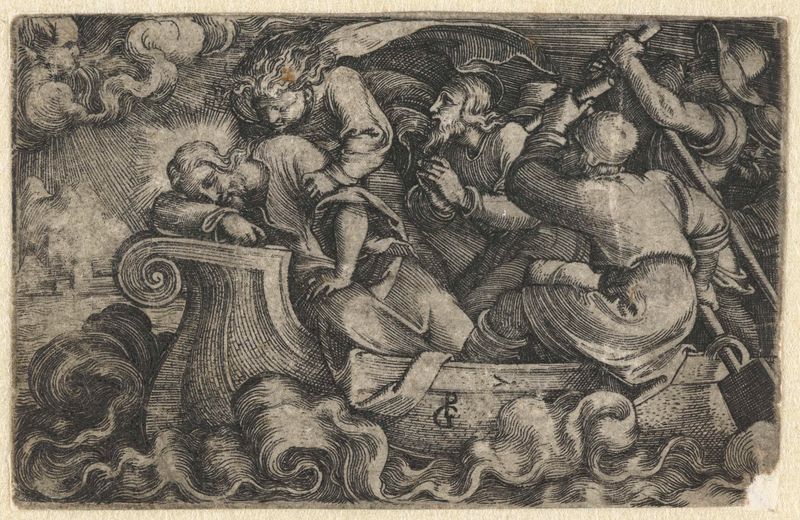
Discipelen wekken slapende Christus tijdens storm op Meer van Galilea
Georg Pencz

Afgunst (Invidia)
Georg Pencz
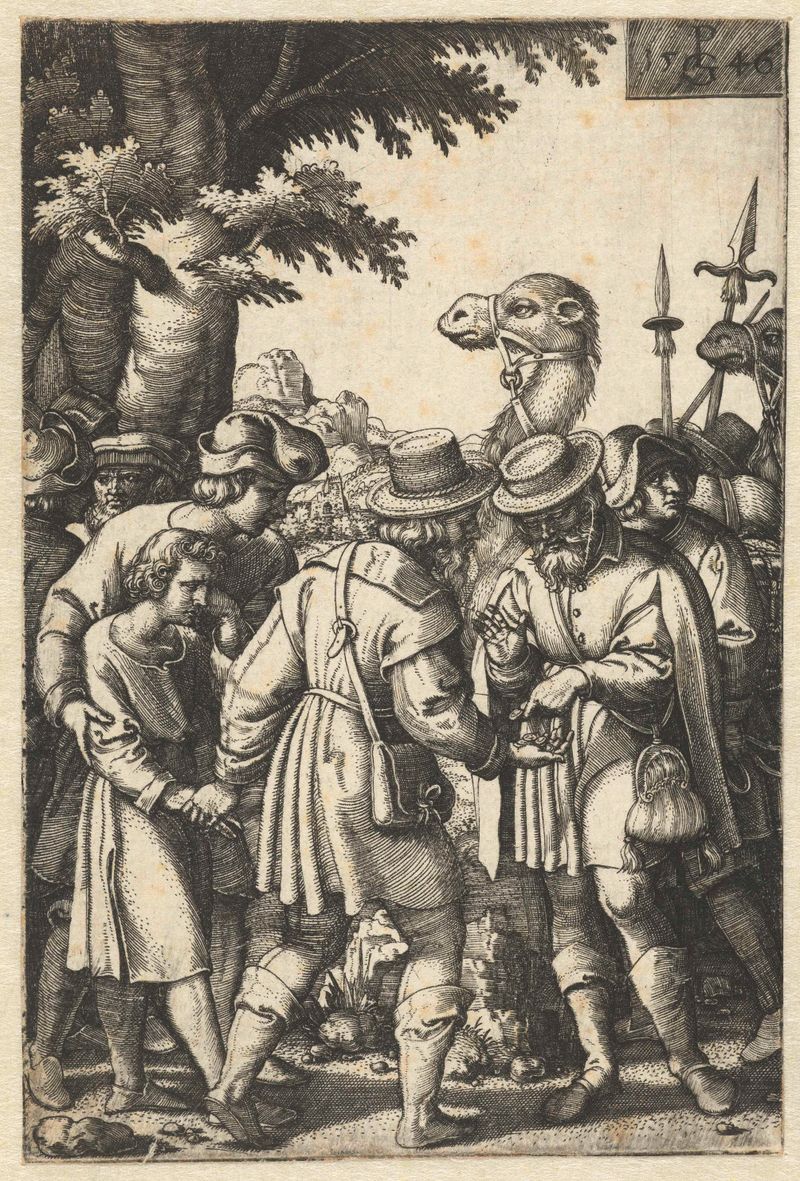
Jozef wordt verkocht aan kooplieden op weg naar Egypte
Georg Pencz

Aanbidding der koningen
Georg Pencz
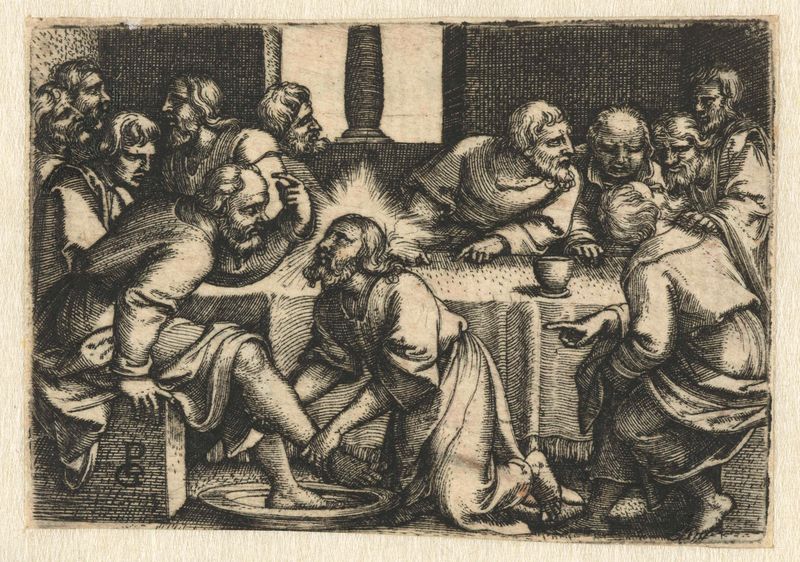
Petrus protesteert als Christus zijn voeten wast
Georg Pencz
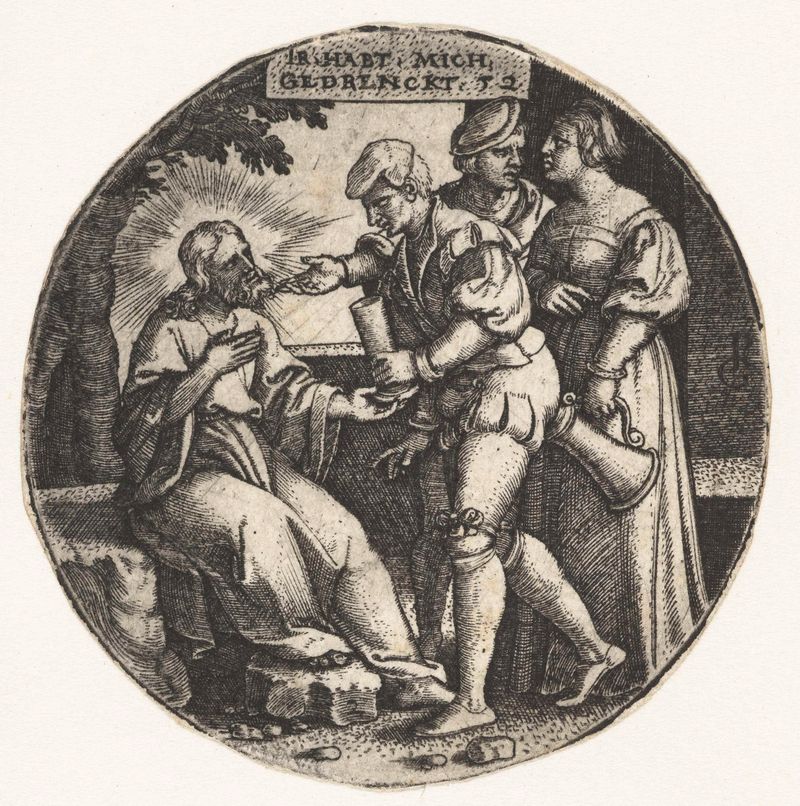
Christus heeft dorst en krijgt drinken aangeboden
Georg Pencz
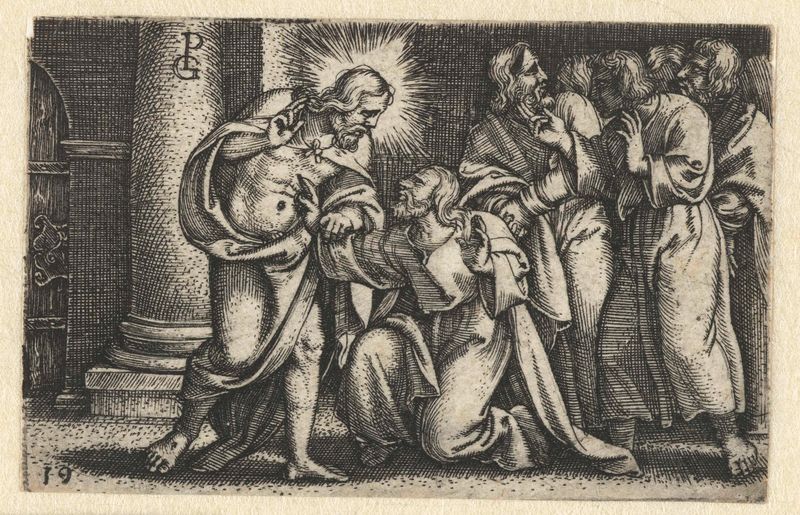
Ongelovige Thomas raakt wonden Christus aan
Georg Pencz

Offer van Abraham van Isaak
Georg Pencz
More Religious Art
Browse all →
The Return of the Prodigal Son
Rembrandt van Rijn

The Garden of Earthly Delights
El Bosco

Count Orgaz’ funeral
El Greco

The Hundred Guilder Print: the central piece with Christ preaching, the plate arched
Rembrandt van Rijn

The Descent from the Cross
Rogier van der Weyden

The return of the prodigal son
Rembrandt van Rijn