
Geboorte van Johannes de Doper — History & Facts
Could beauty survive in a century of chaos? In the stillness of Geboorte van Johannes de Doper, we encounter a delicate moment that whispers of desire amidst turmoil. Look to the left at the gentle glow illuminating the infant's face, a tender light that embodies hope and purity. The artist employs a soft color palette dominated by warm golds and earthy tones, drawing our gaze to the serene expressions of the figures encircling the newborn. The intricate details of their garments highlight the meticulous technique Liefrinck is known for, while the careful placement of each character invites us to ponder their emotional connections and shared joy in this sacred event. Beneath this serene surface lies a profound tension between innocence and the impending chaos of the world outside the frame.
The rounded forms of the figures suggest protection and nurturing, yet their solemn expressions hint at the weight of destiny that rests on the child's shoulders. The juxtaposition of light and shadow serves as a metaphor for the duality of life — beauty exists even as the shadows of uncertainty loom large. Created between 1553 and 1558, this work emerged during Liefrinck's time in the Low Countries, where the social fabric was fraying under political strife and religious upheaval. As the artist navigated his own career amidst the shifting tides of the Reformation, he captured not only an intimate moment of birth but also the underlying desire for stability and beauty in a world marred by discord.
More Artworks by Hans Liefrinck (I)
Browse all →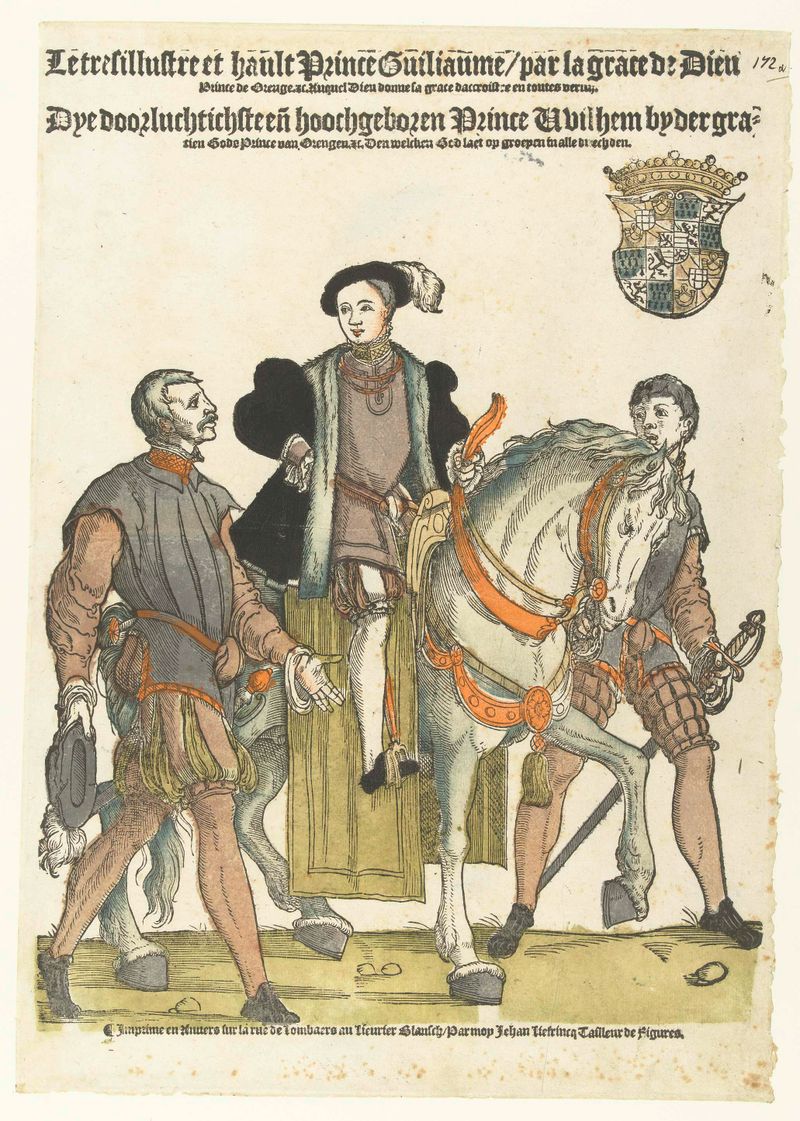
Portret van Willem van Oranje als jongen te paard
Hans Liefrinck (I)
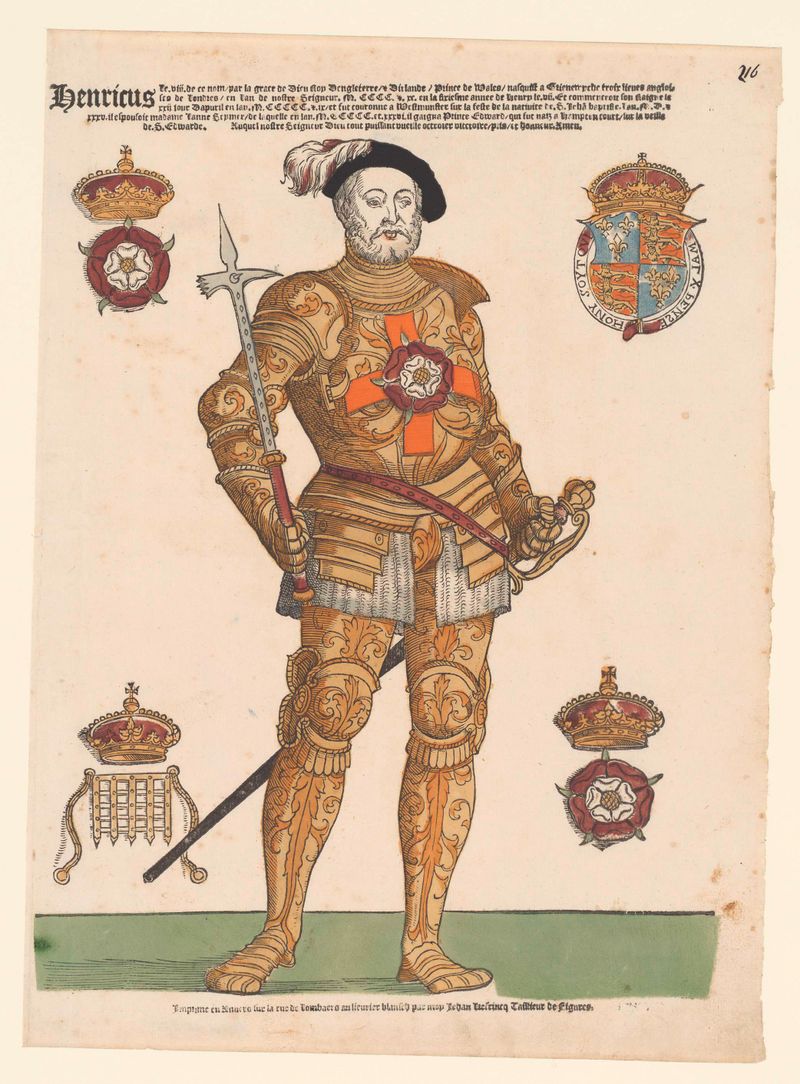
Portret van Hendrik VIII van Engeland
Hans Liefrinck (I)
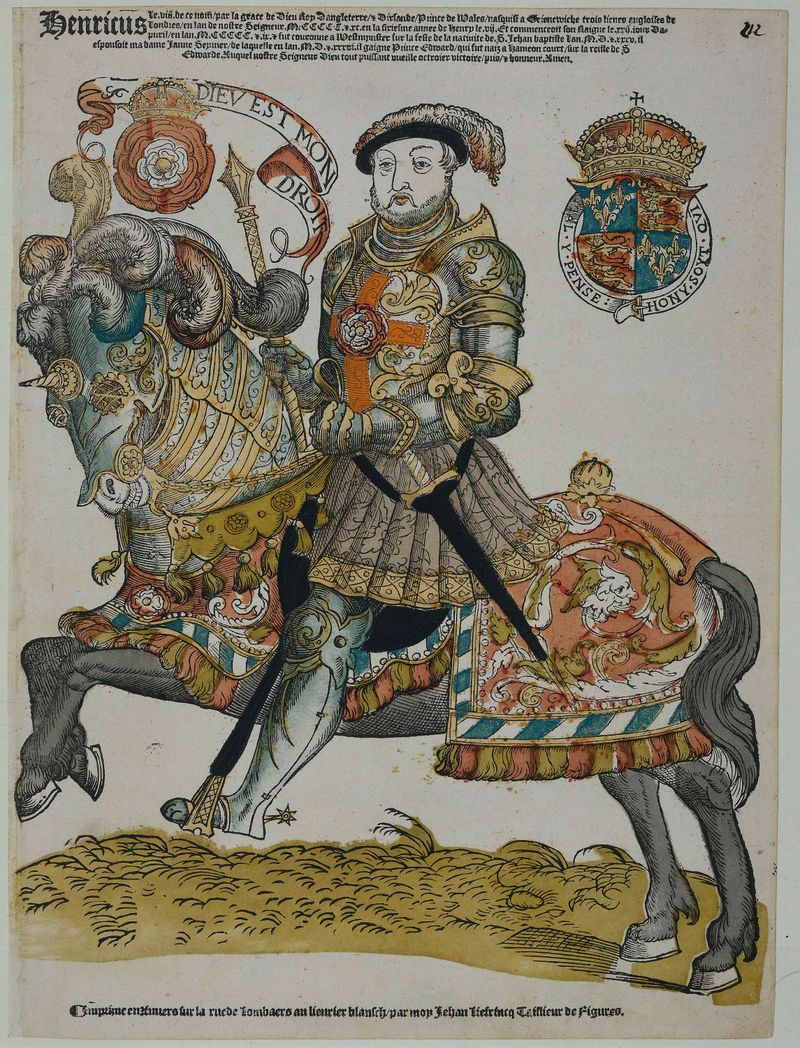
Portret van Hendrik VIII van Engeland
Hans Liefrinck (I)
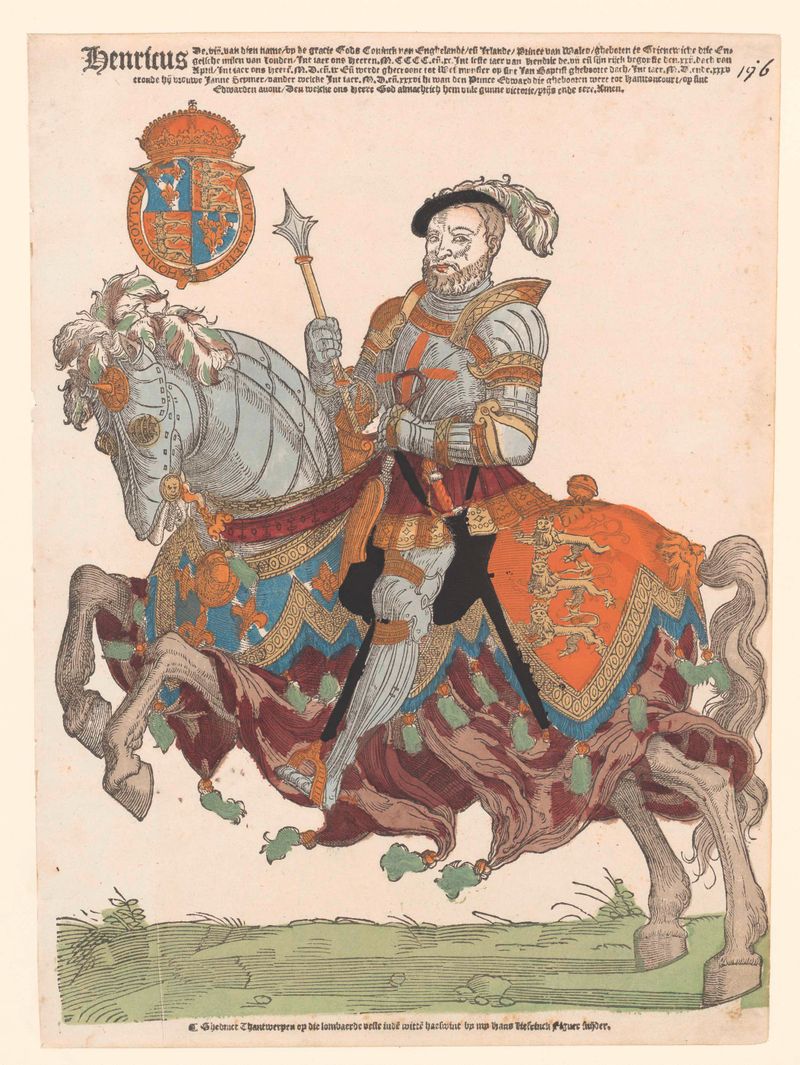
Portret van Hendrik VIII van Engeland
Hans Liefrinck (I)
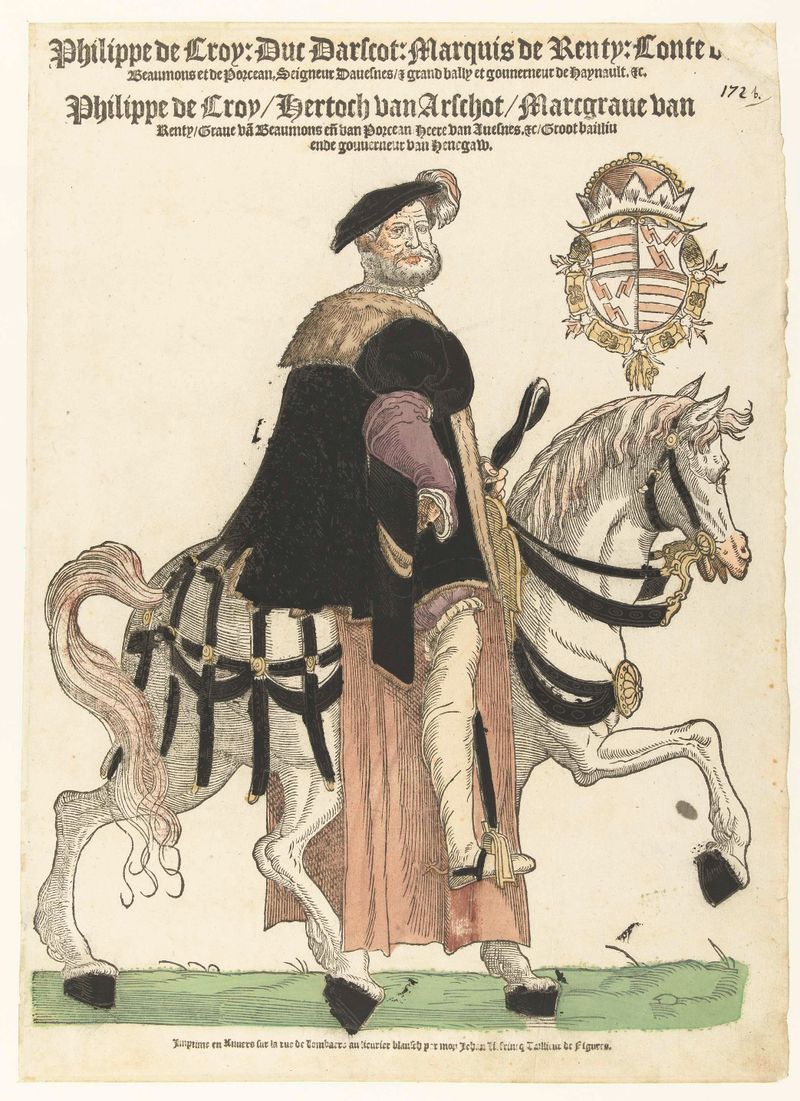
Portret van Filips de Croy te paard
Hans Liefrinck (I)
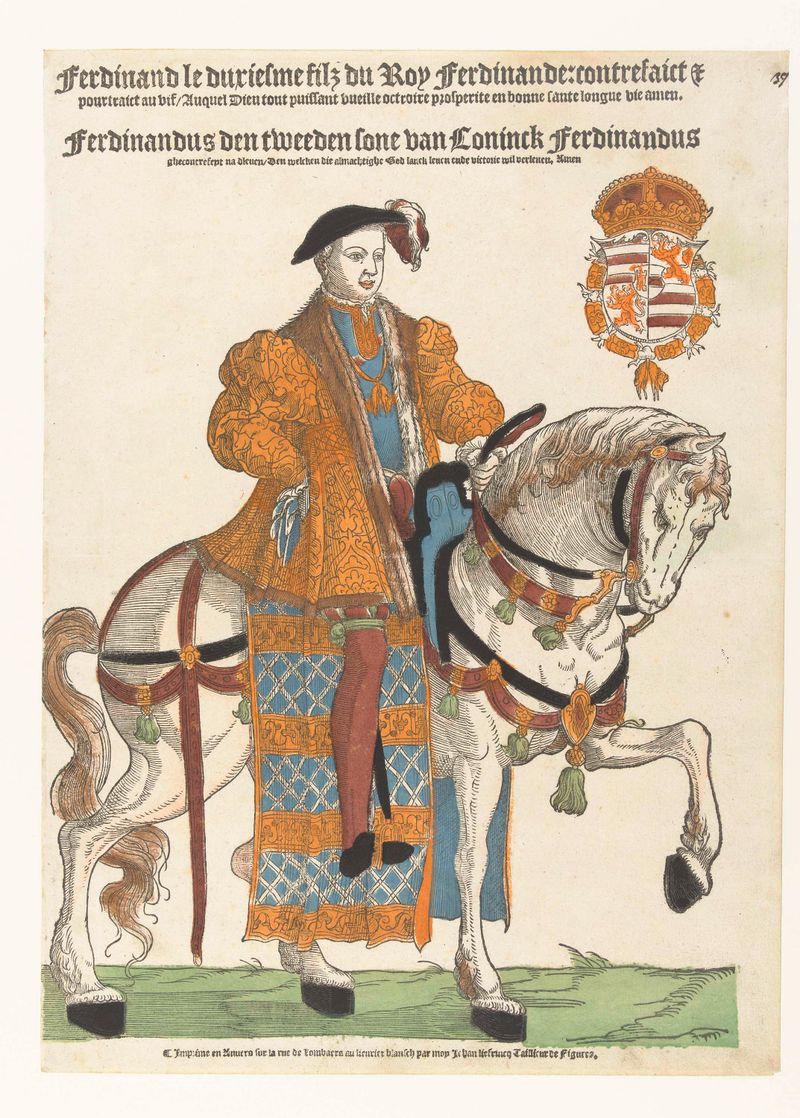
Portret van Ferdinand van Tirol te paard
Hans Liefrinck (I)
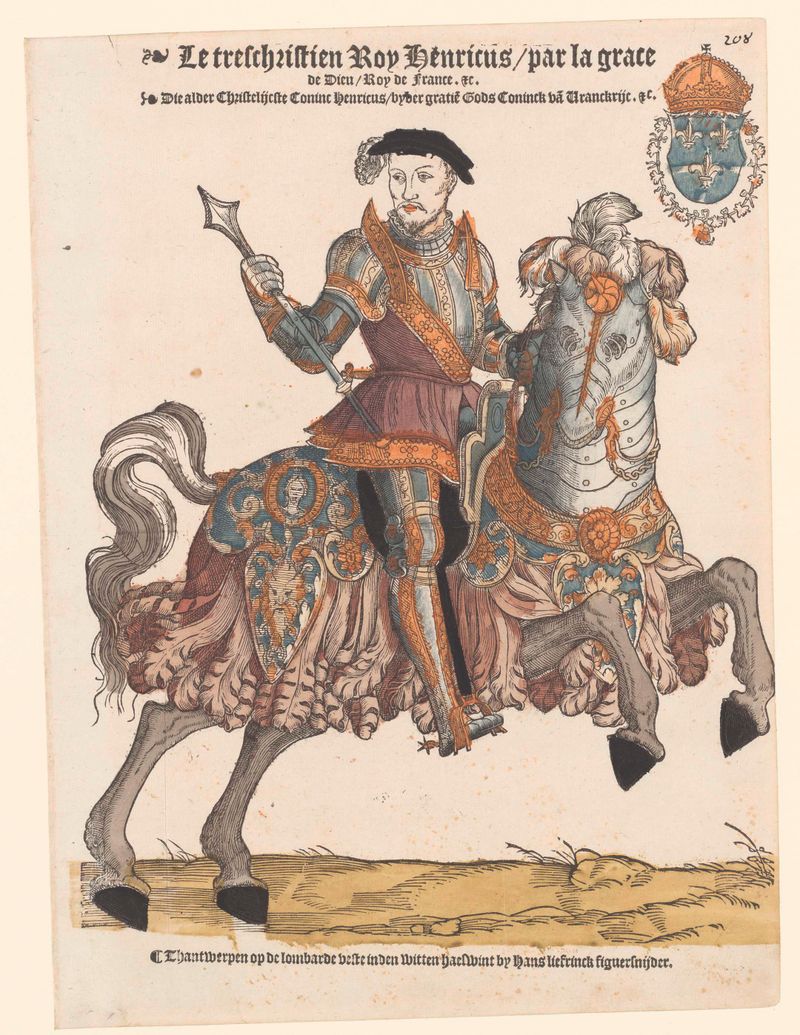
Portret van Hendrik II van Frankrijk in harnas te paard, naar rechts
Hans Liefrinck (I)
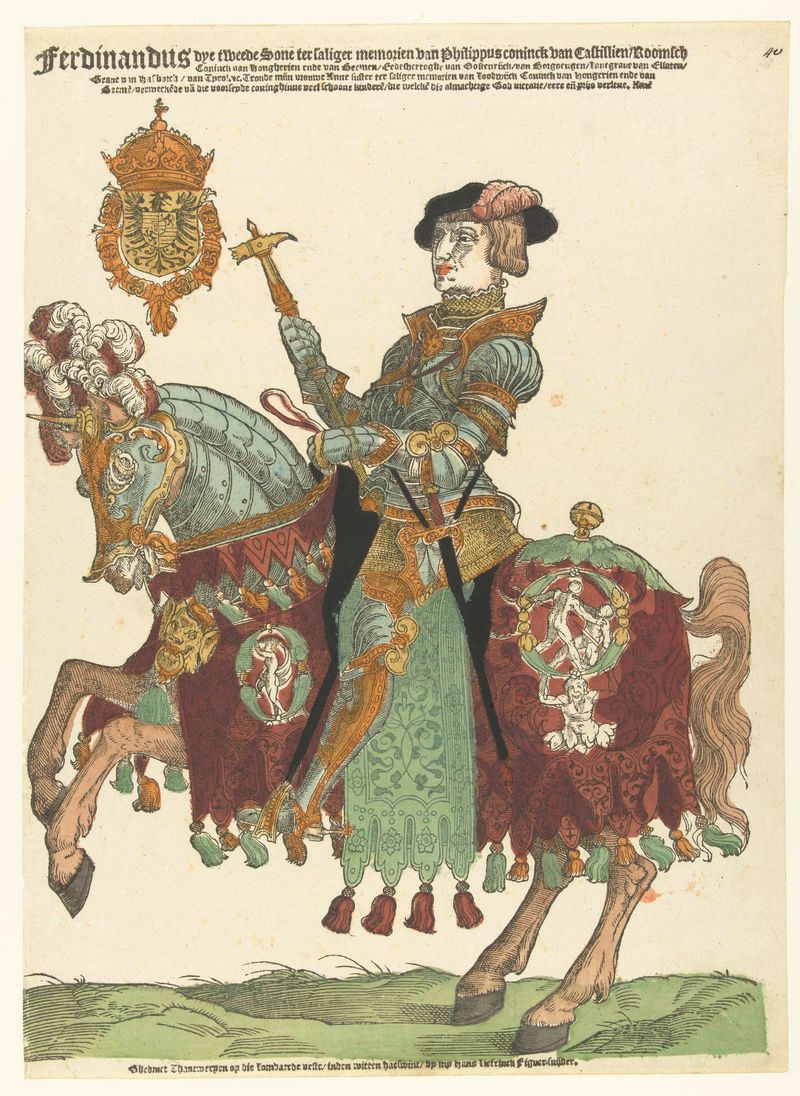
Portret van Ferdinand I van Oostenrijk te paard
Hans Liefrinck (I)
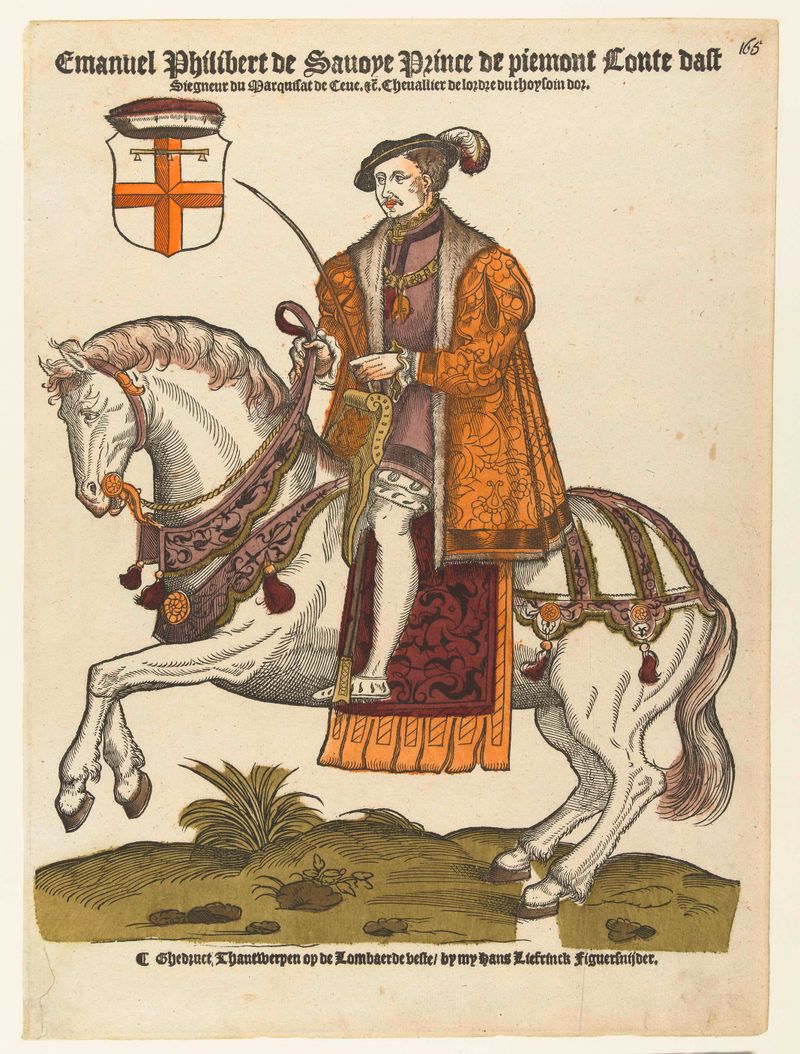
Portret van Emanuel Philibert van Savoye te paard
Hans Liefrinck (I)
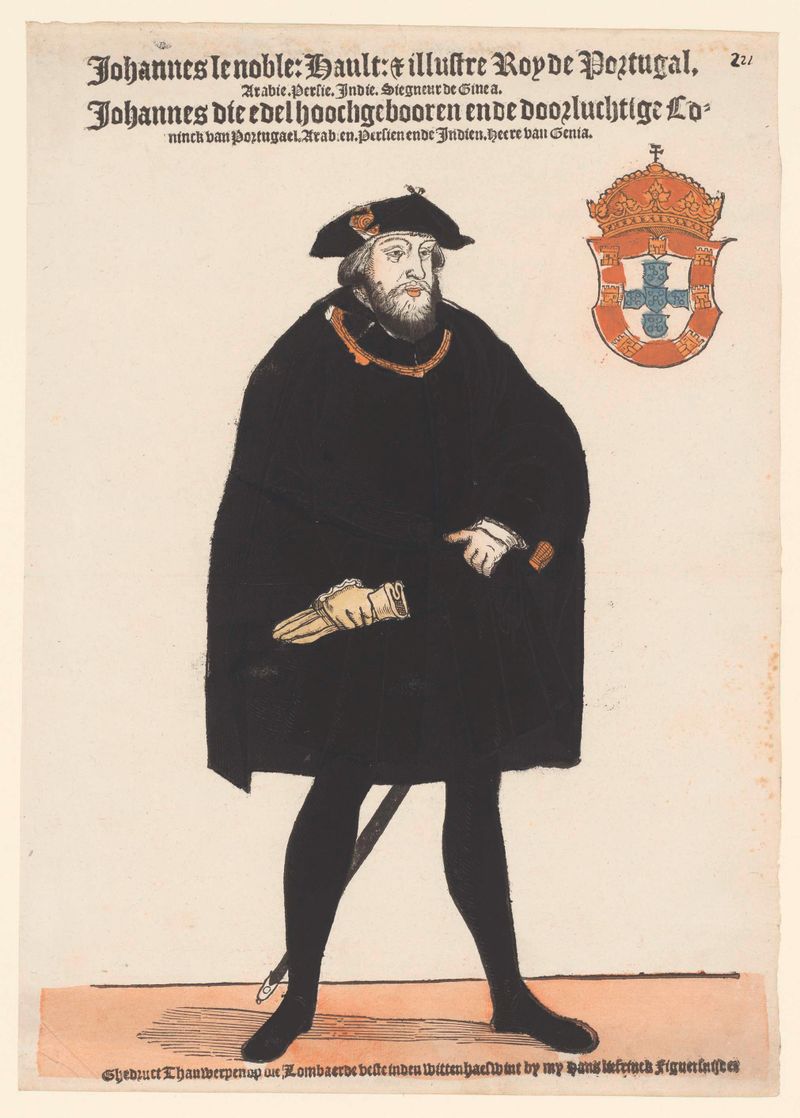
Portret van Johannes III van Portugal
Hans Liefrinck (I)
More Religious Art
Browse all →
The Return of the Prodigal Son
Rembrandt van Rijn

The Garden of Earthly Delights
El Bosco

Count Orgaz’ funeral
El Greco

The Hundred Guilder Print: the central piece with Christ preaching, the plate arched
Rembrandt van Rijn

The Descent from the Cross
Rogier van der Weyden

The return of the prodigal son
Rembrandt van Rijn