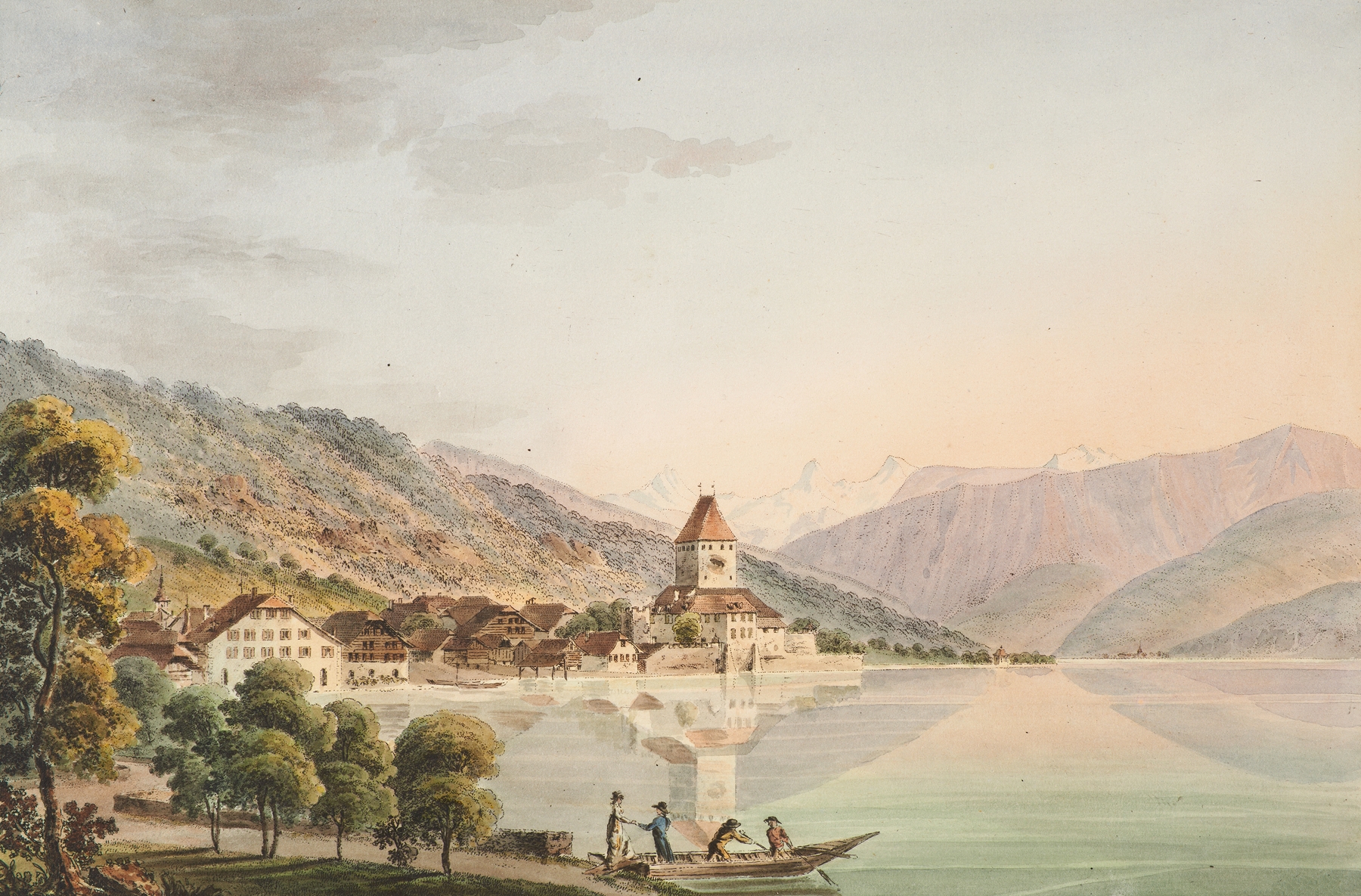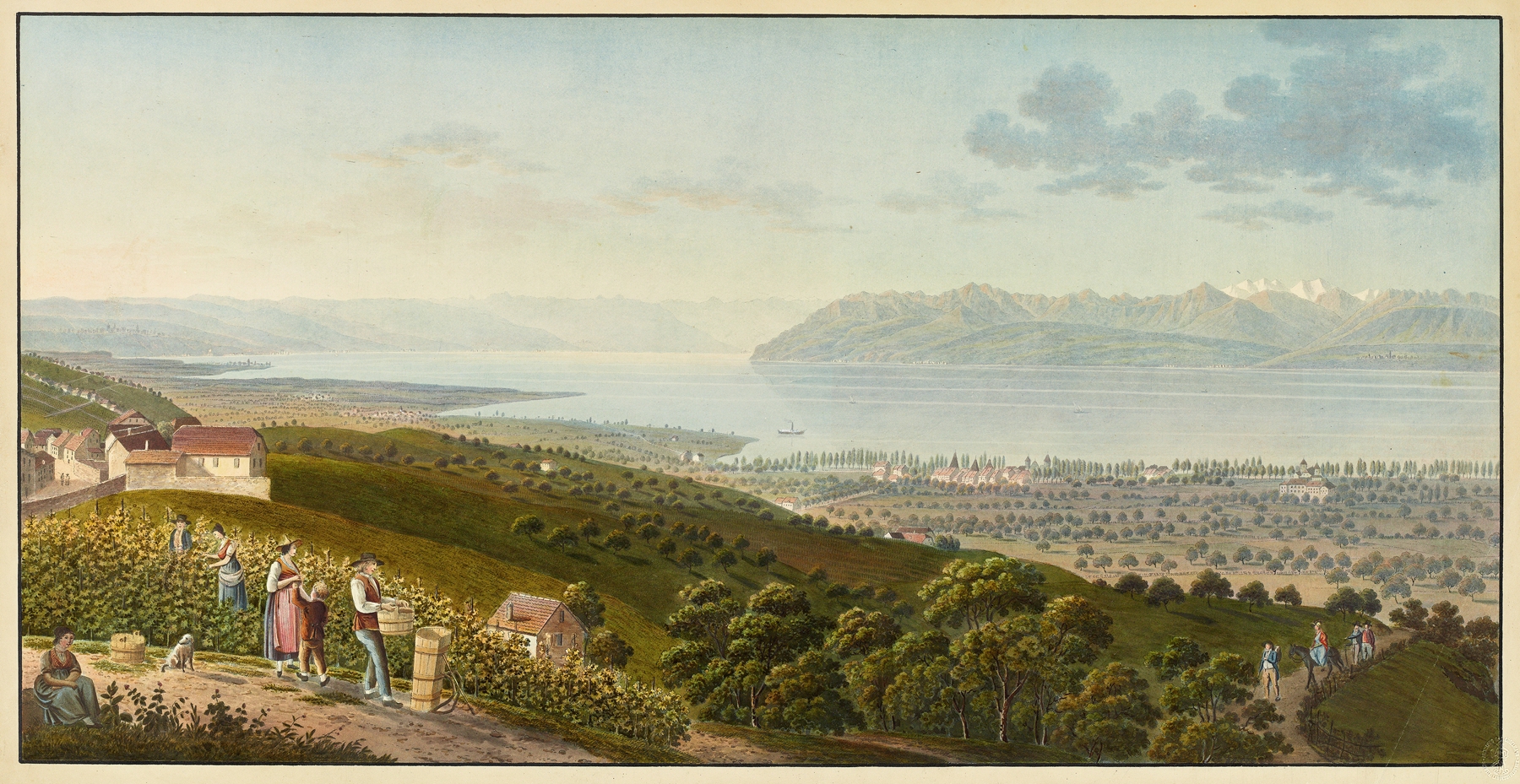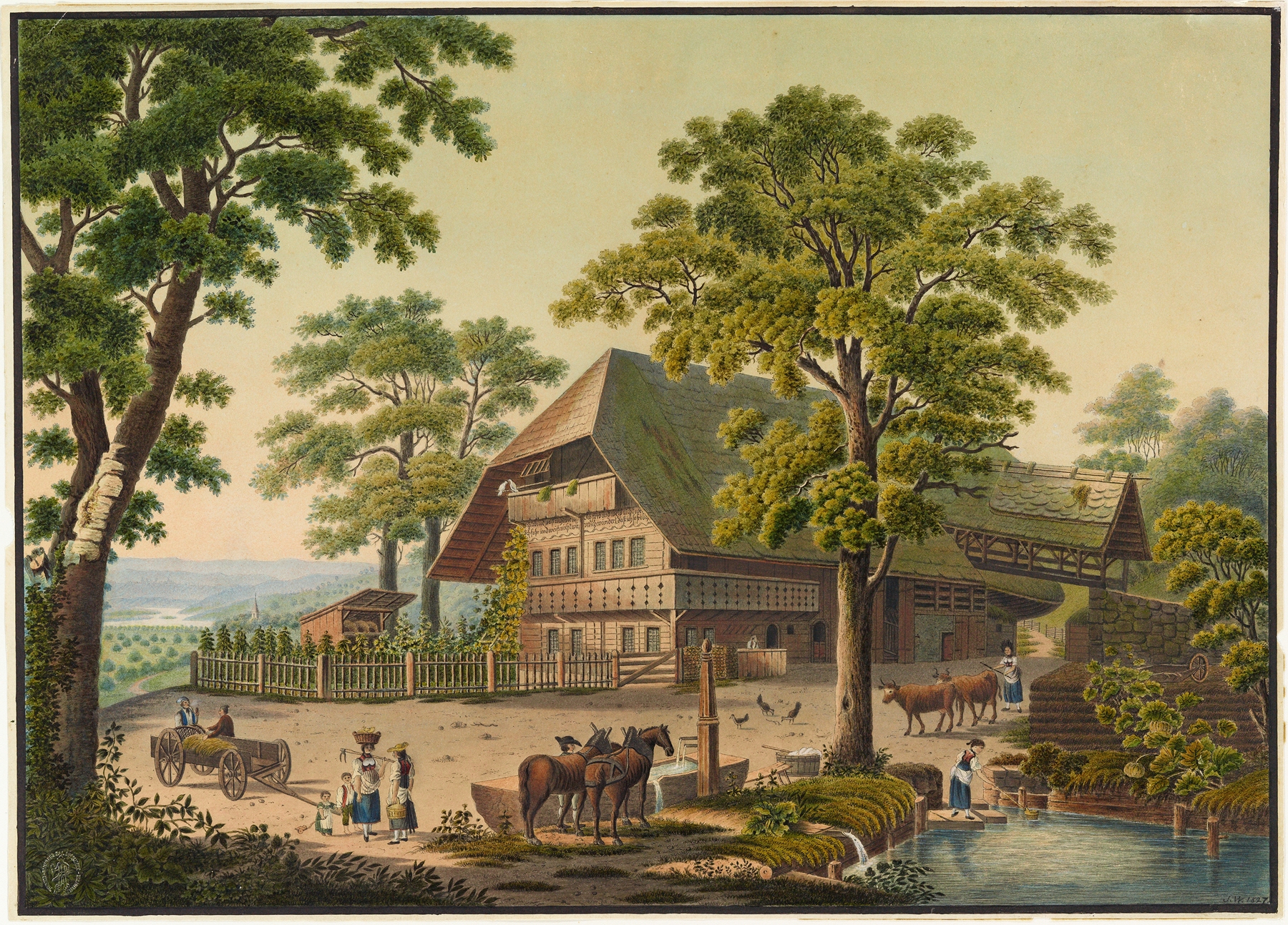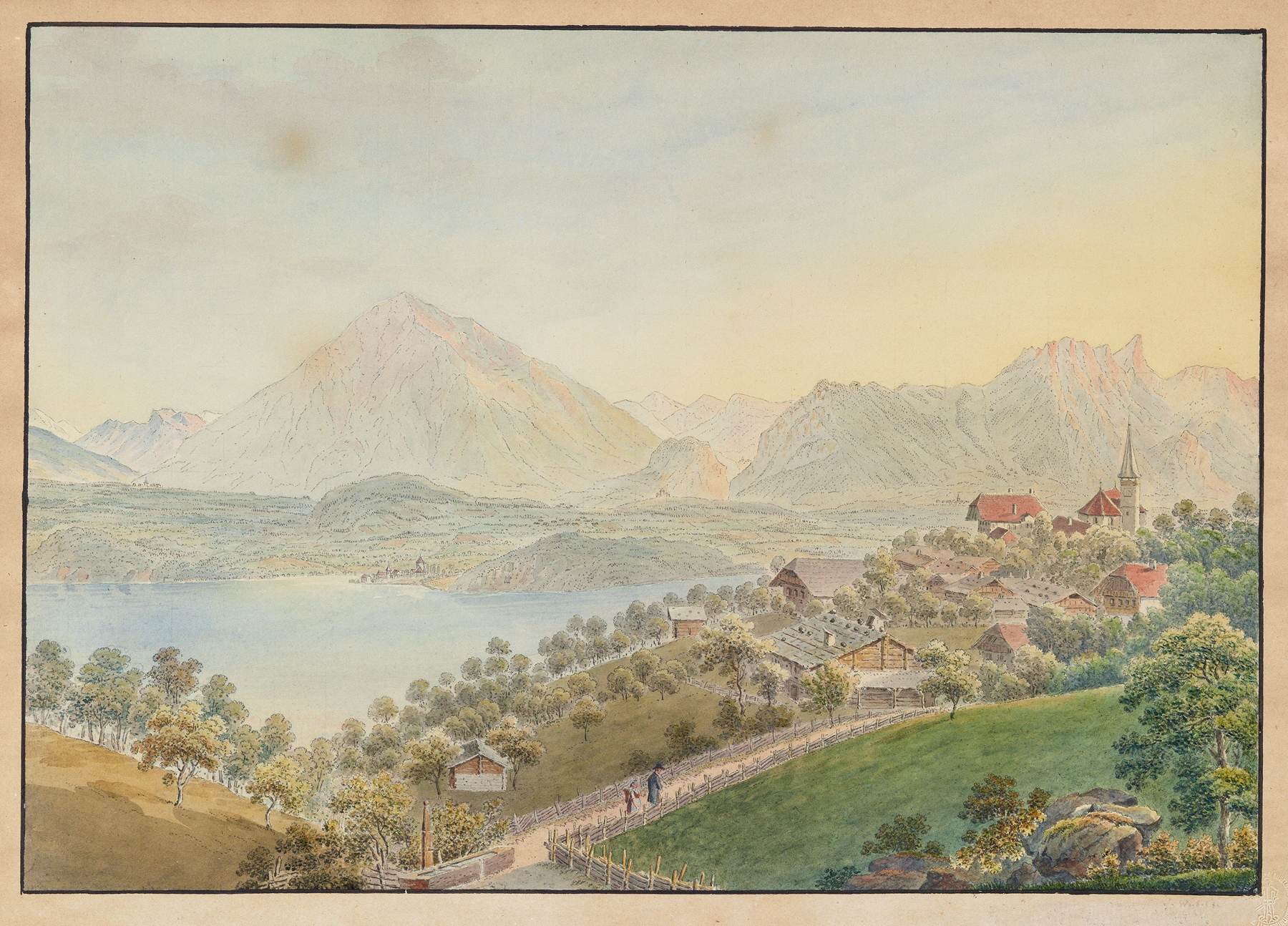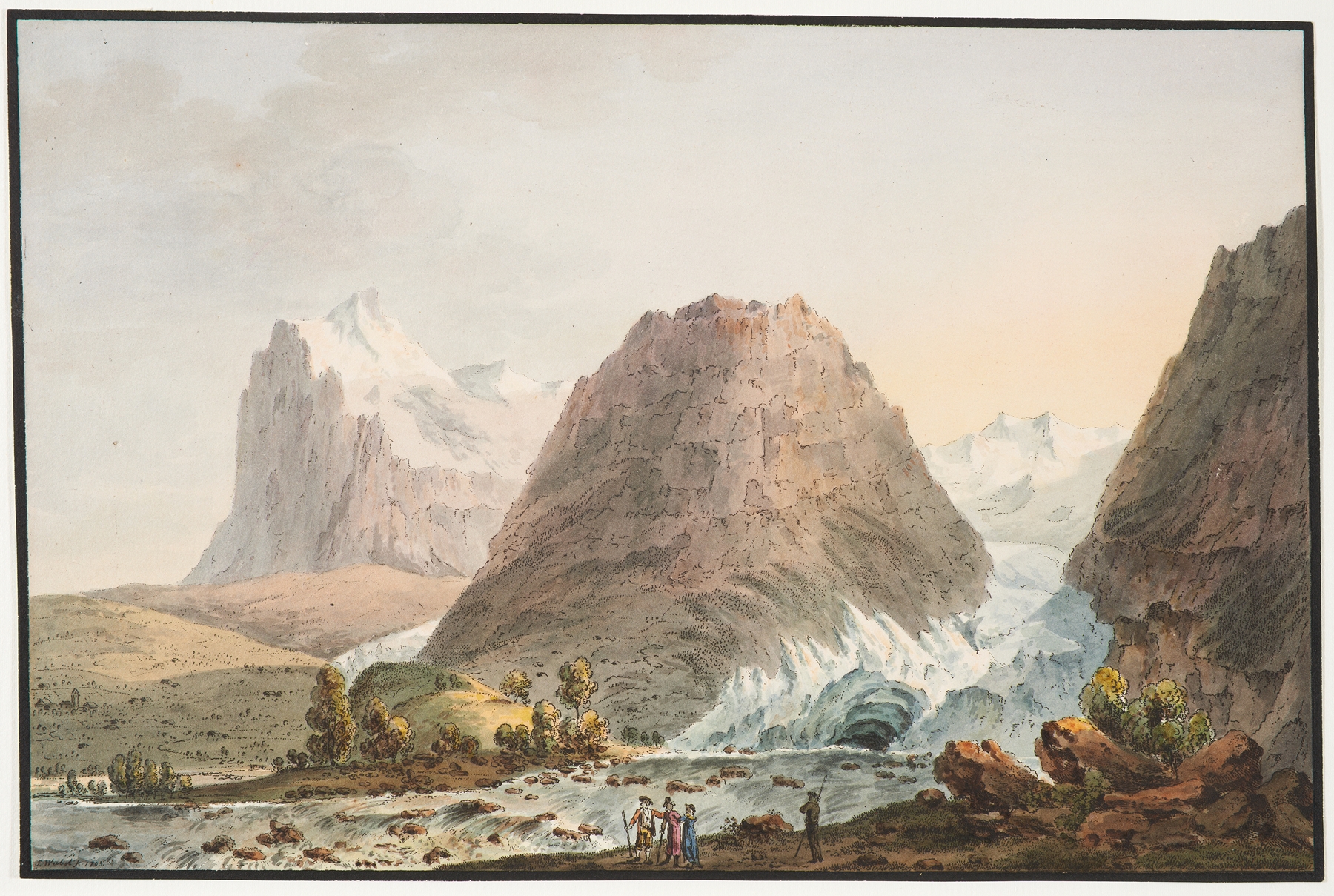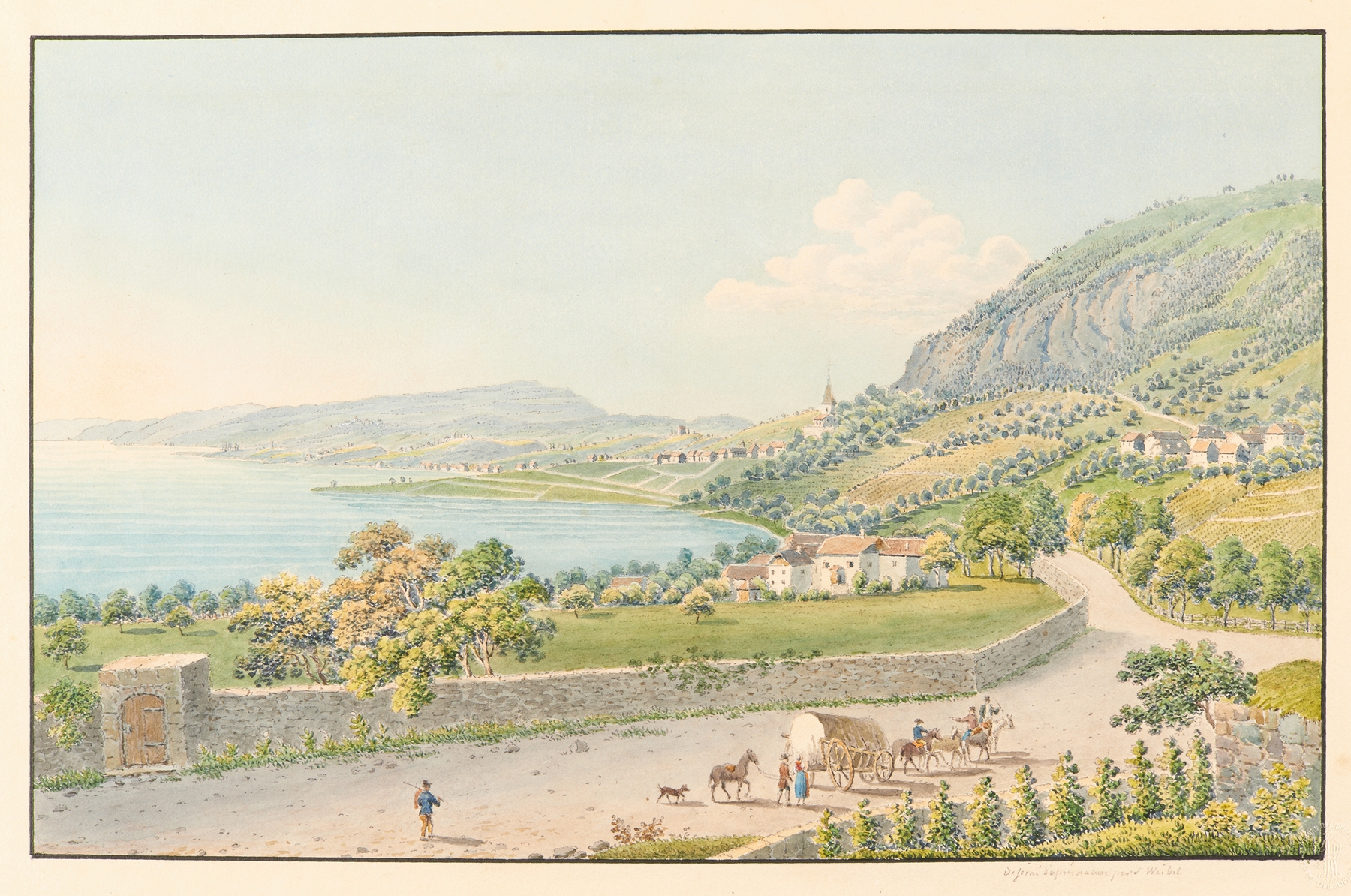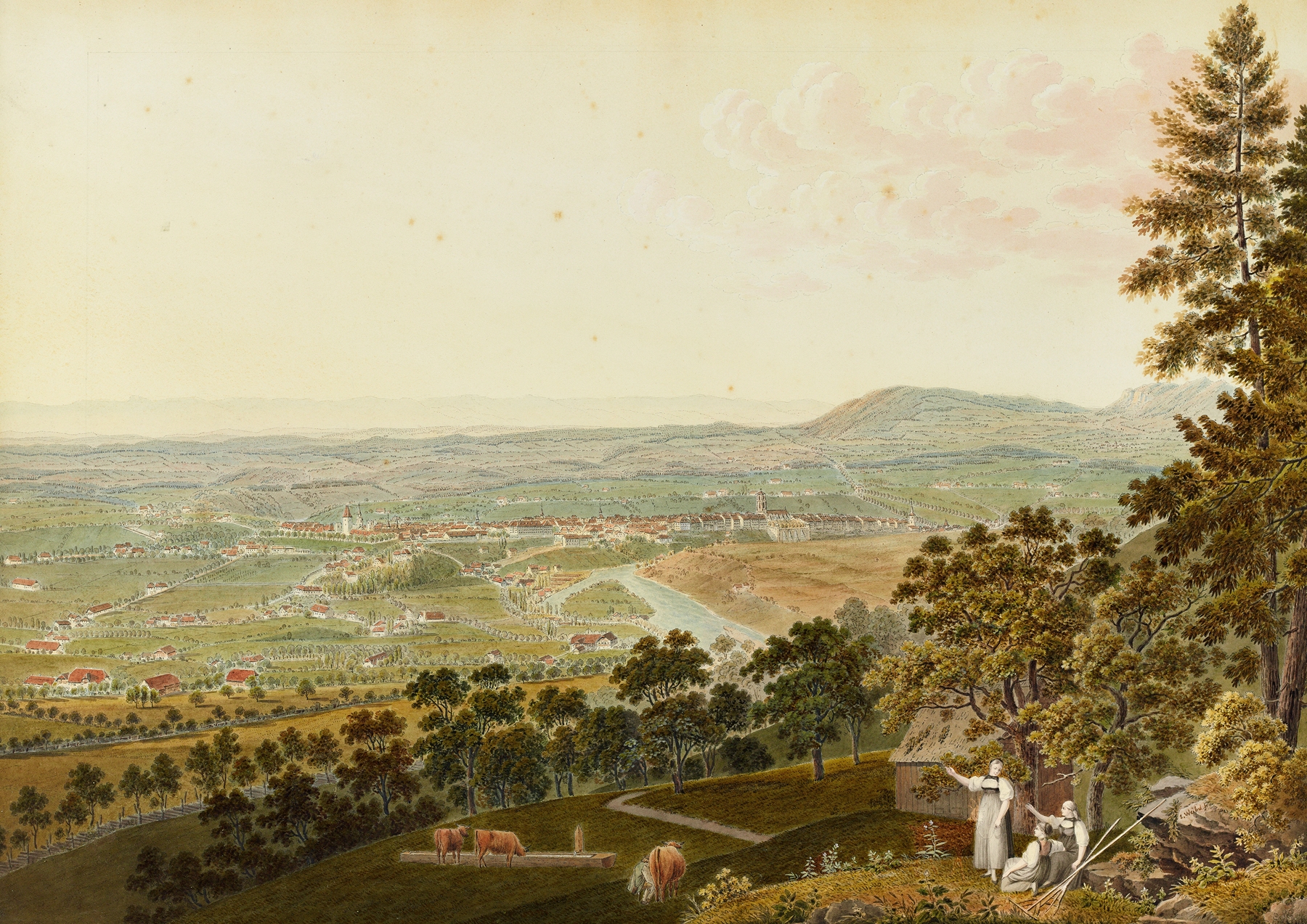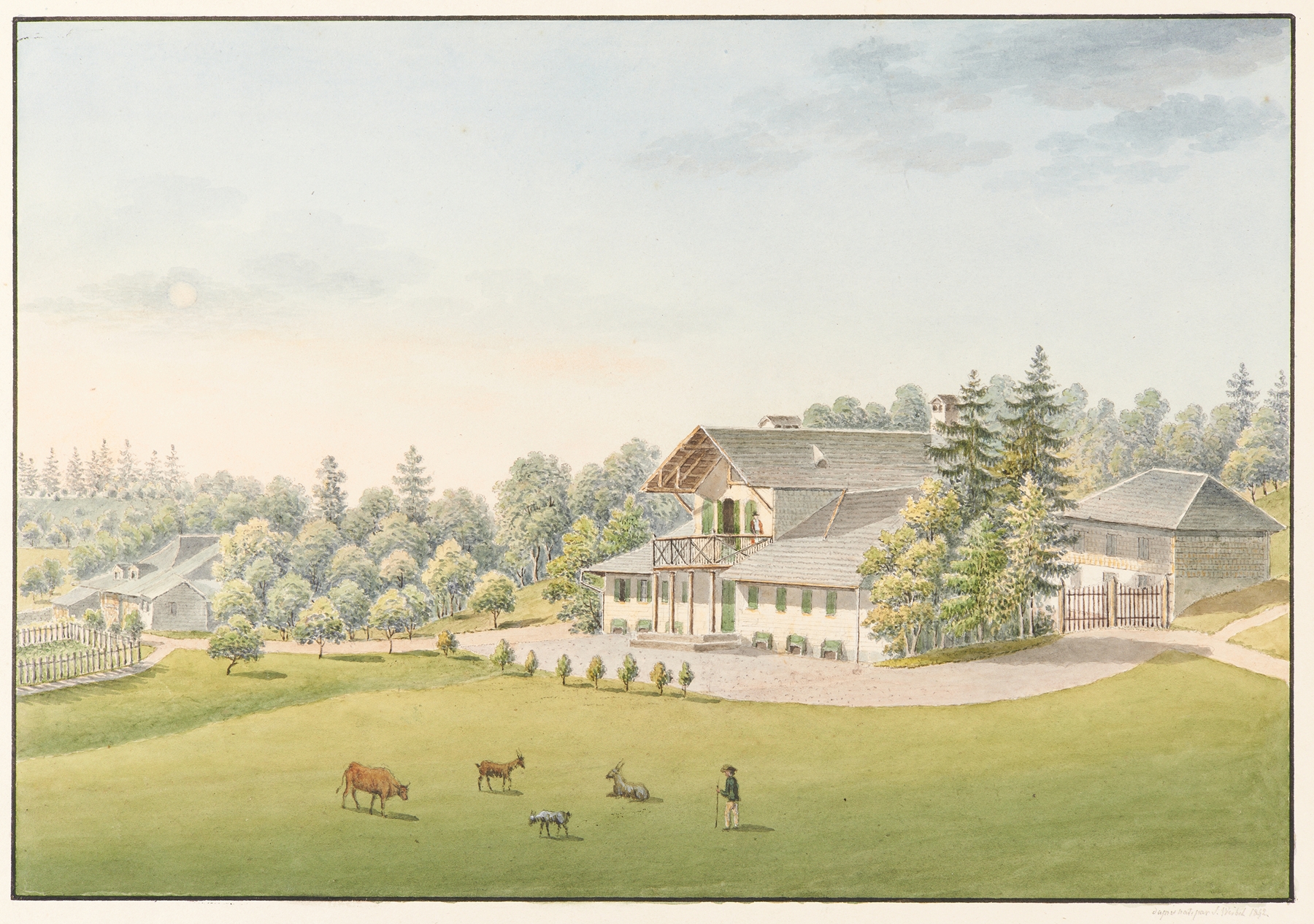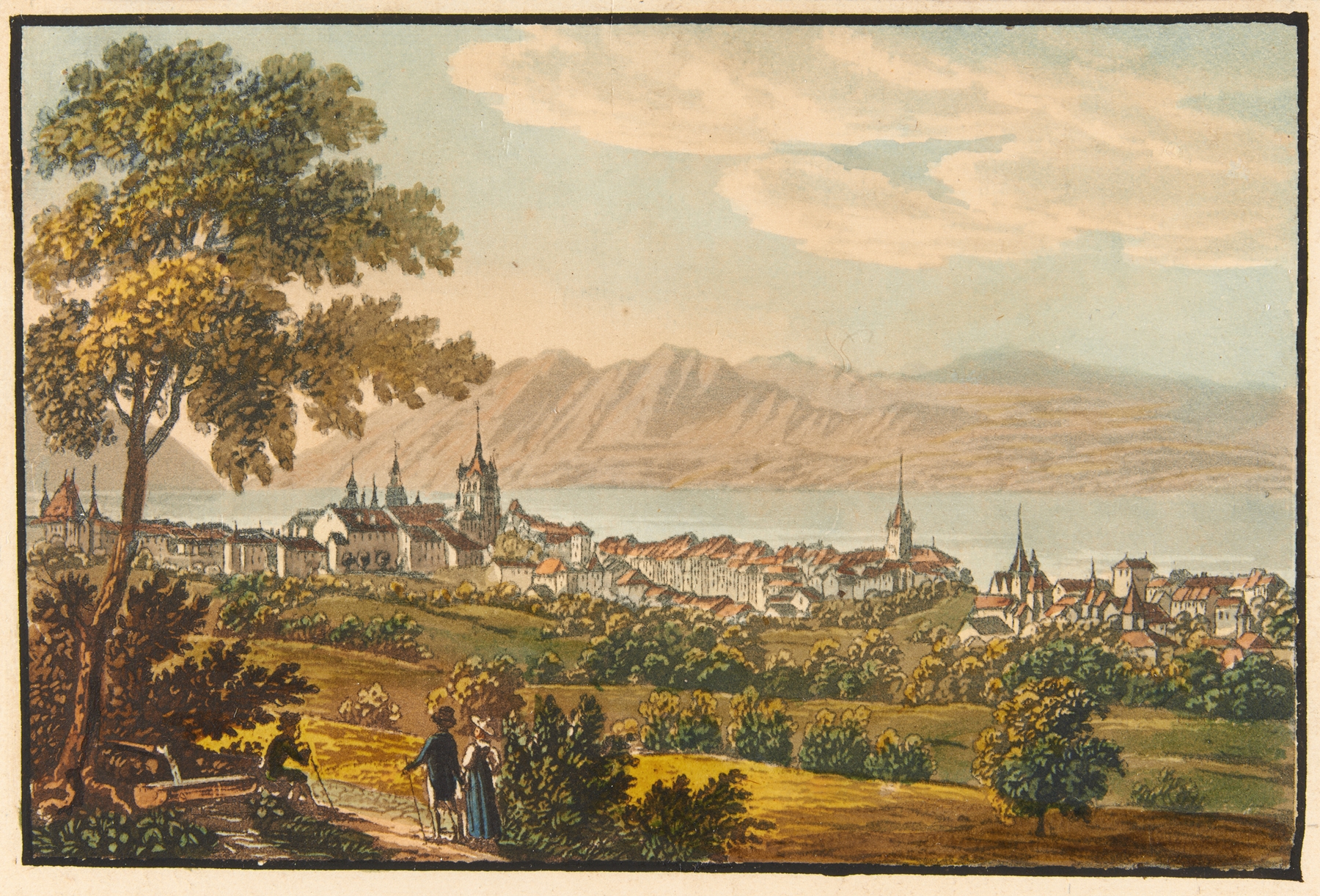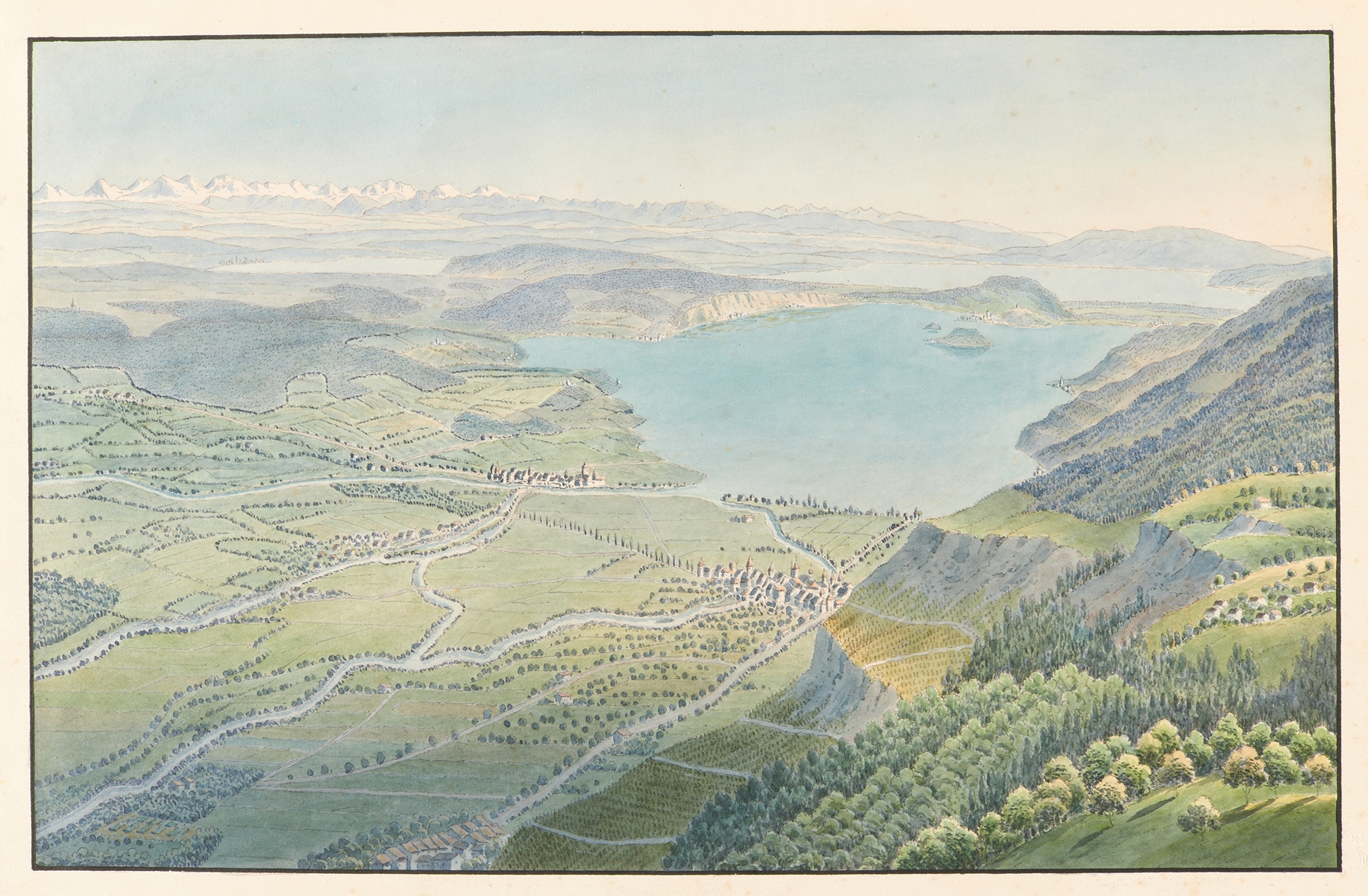
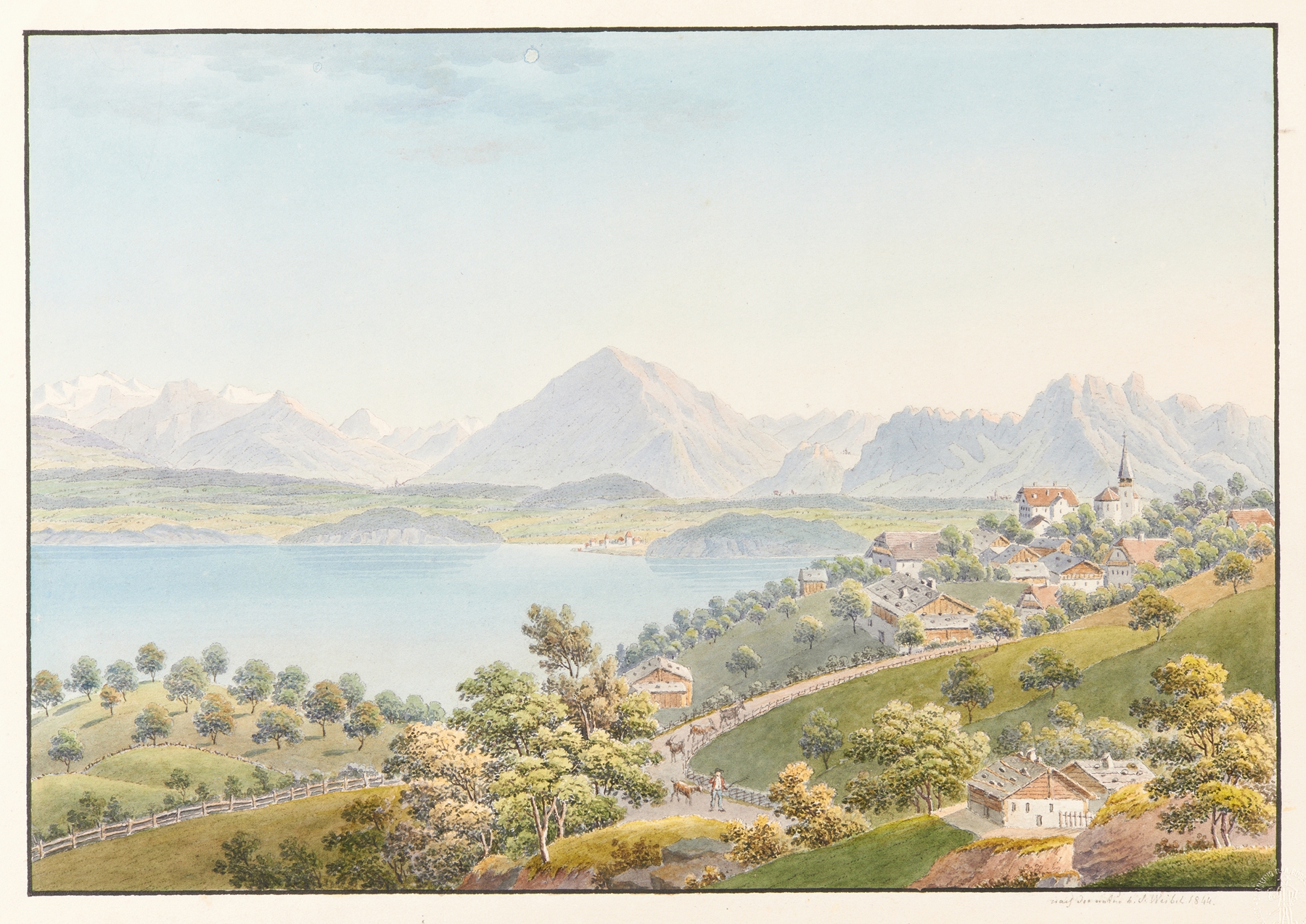
“Every brushstroke is a heartbeat remembered.” In the meticulous dance of paint, the tumult of revolution emerges, captured in the stillness of a canvas. Focus your gaze upon the intricate layers of color and texture that weave across the surface. The interplay of deep blues and vibrant ochres composes a narrative of conflict and resilience, inviting you to trace the dynamic strokes. Notice how the varying thickness of paint creates a tangible rhythm, as if each mark is a pulse synchronizing with the heartbeat of a society on the brink of transformation. Hidden within the chaos lies the tension between rigidity and fluidity. There’s an underlying struggle echoed through sharp, angular lines that clash with softer curves, representing the opposing forces at play during times of upheaval. The contrasting colors evoke a visceral response, suggesting the emotional weight of revolution—both beautiful and destructive. Each detail, from the subtle gradations of light to the bold declarations of hue, beckons viewers to contemplate the cost of change. Jakob Samuel Weibel crafted his work in a time of profound political and social shifts, though the exact date remains uncertain. Working within the post-revolutionary context of European art, Weibel became increasingly involved in the dynamic conversations surrounding identity and expression. His artistic endeavors reflect not only personal exploration but also a broader commentary on the world around him, solidifying his role in the evolving narrative of modern art.