
Gehoor — History & Facts
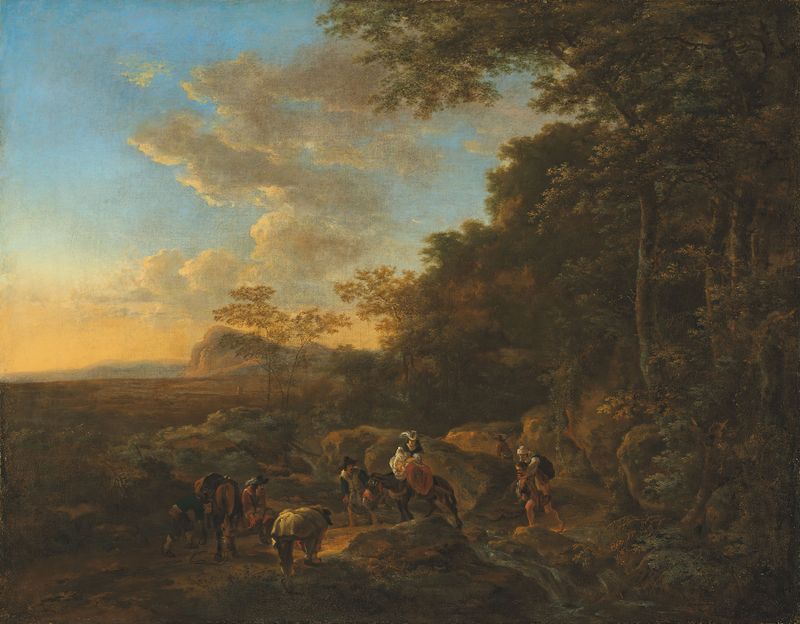
Can paint confess what words never could? In Gehoor, the landscape whispers the profound solitude felt in the heart of humanity, crafting a visual dialogue that transcends language. Look closely at the horizon where the earth meets the sky, a subtle gradient of blues and greens envelops the landscape. The gentle curve of rolling hills leads the eye towards a solitary figure, dwarfed by the expansive terrain. Notice the way light softly caresses the tree branches, casting dappled shadows that dance across the ground, imbuing the scene with a serene yet haunting beauty.
Each brushstroke seems deliberate, as if the artist sought to encapsulate the essence of isolation within this tranquil setting. As you take in the depth of the painting, consider the emotional weight of the lone figure amidst the vastness. The contrast between the delicate details of the foliage and the stark emptiness surrounding the individual speaks to the tension of connection and disconnection. There is a profound stillness here, a moment frozen in time, suggesting that even in nature’s embrace, loneliness can linger heavily like an unseen fog. Jan Both painted Gehoor during his time in the Netherlands, between 1620 and 1638.
This period was marked by the blossoming of Dutch landscape painting, where artists sought to explore the relationship between humanity and nature. These explorations coincided with Both's own journey as he traveled through Italy, absorbing influences that would shape his work and help convey the emotional landscapes of solitude and introspection.
More Artworks by Jan Both
Browse all →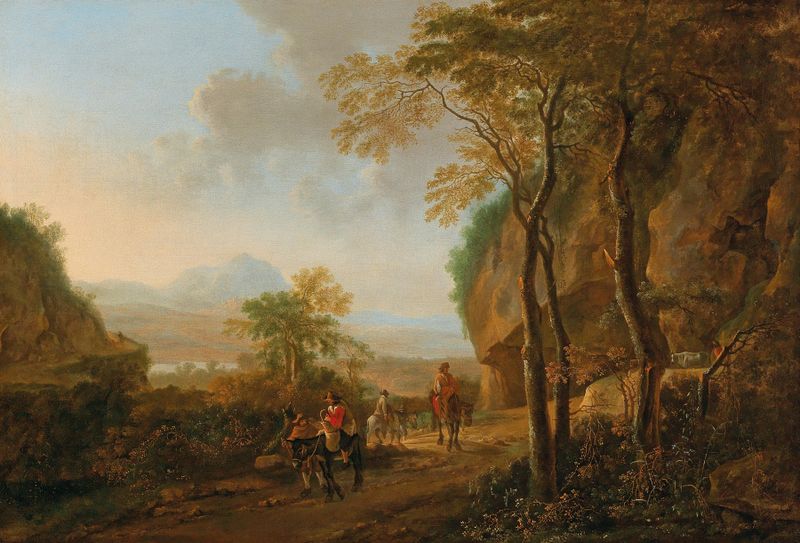
An Italianate landscape with travellers
Jan Both
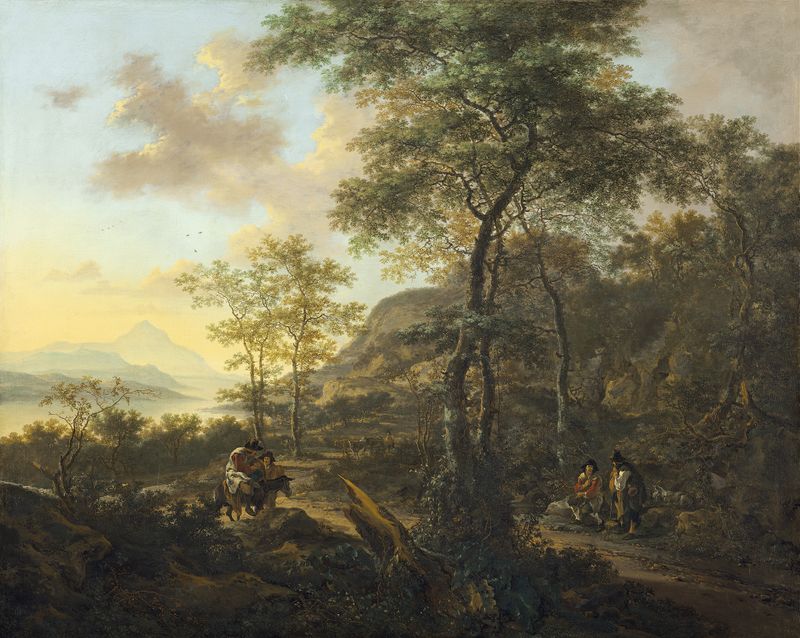
An Italianate Evening Landscape
Jan Both
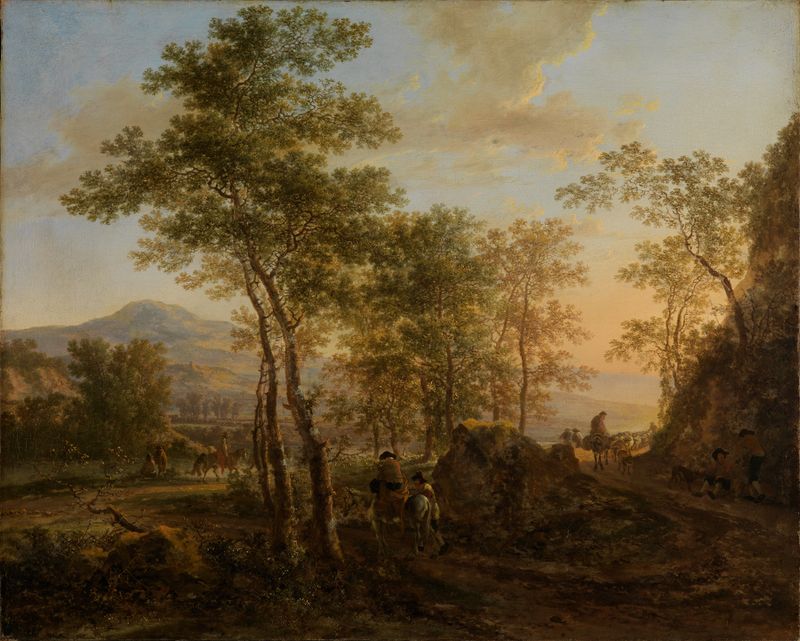
Italienische Landschaft am Abend
Jan Both
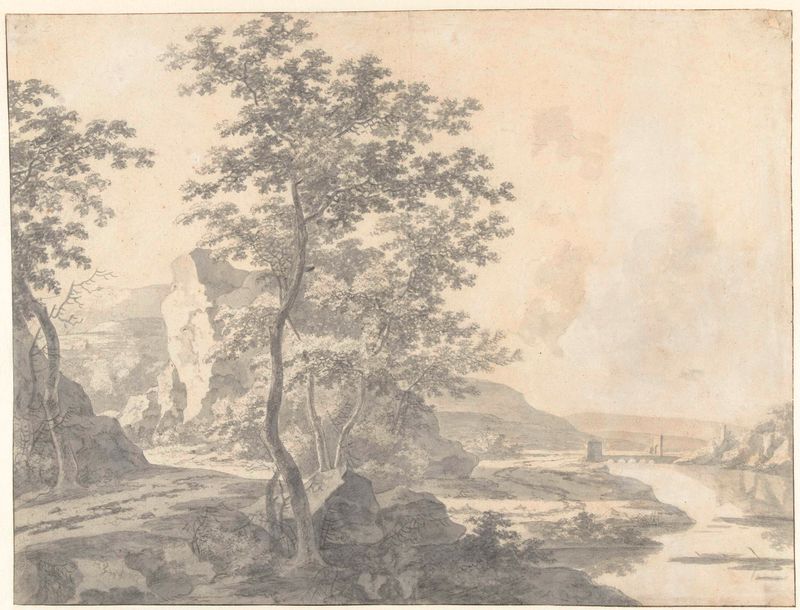
Italiaans landschap
Jan Both
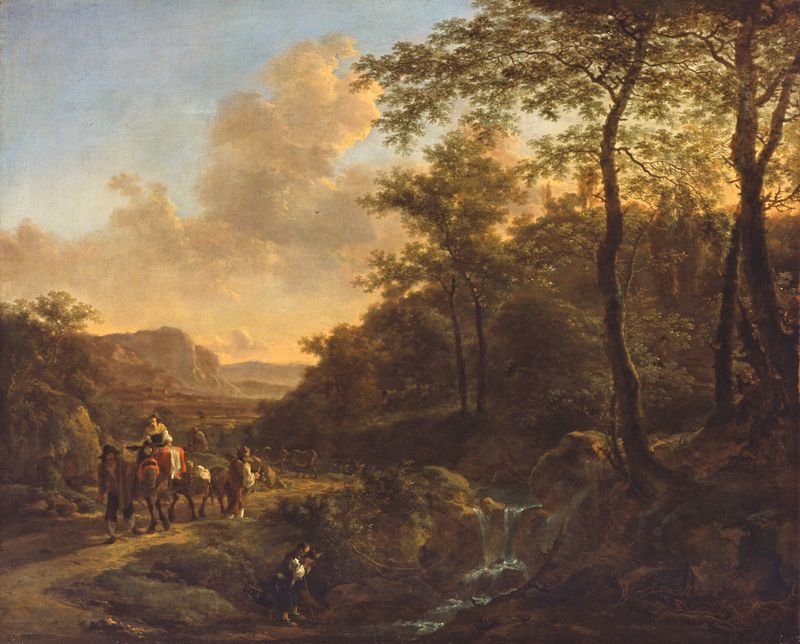
Scene of the Roman Campagna
Jan Both
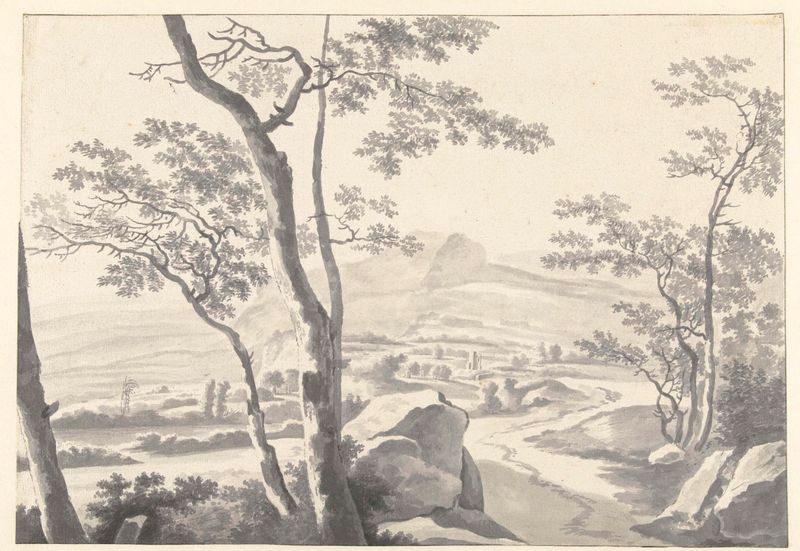
Landschap
Jan Both
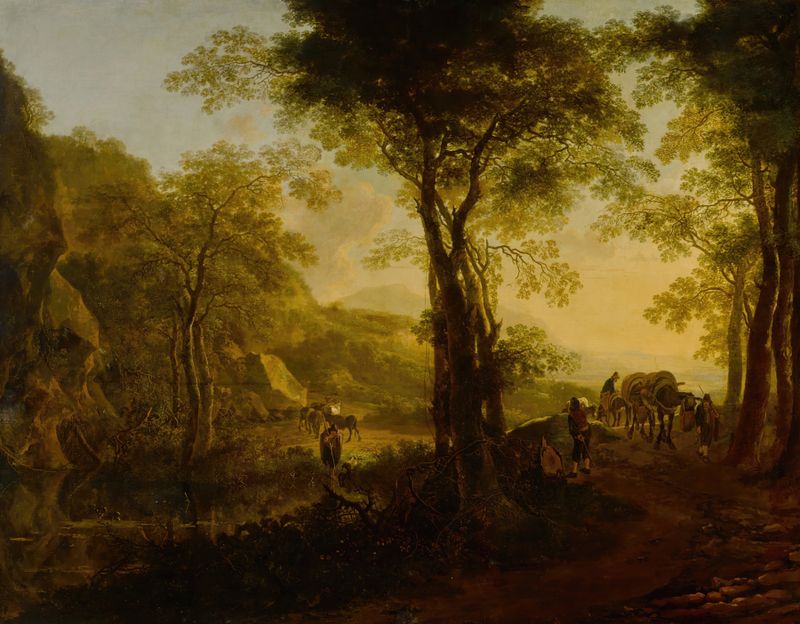
Italianate landscape at sunset, with travelers on a country road
Jan Both
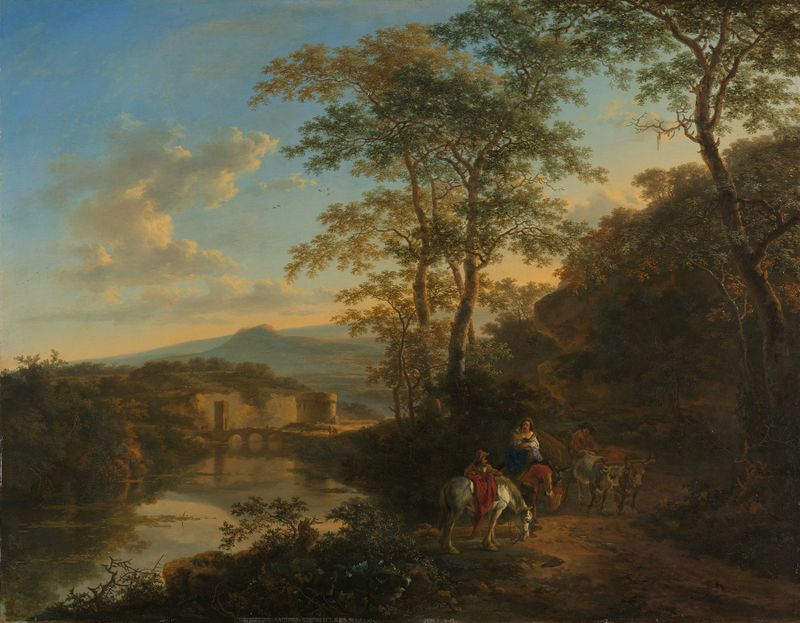
Italian Landscape with the Ponte Lucano over the Aniene River
Jan Both
A wooded landscape with travellers crossing a ford
Jan Both

Italian Landscape
Jan Both





