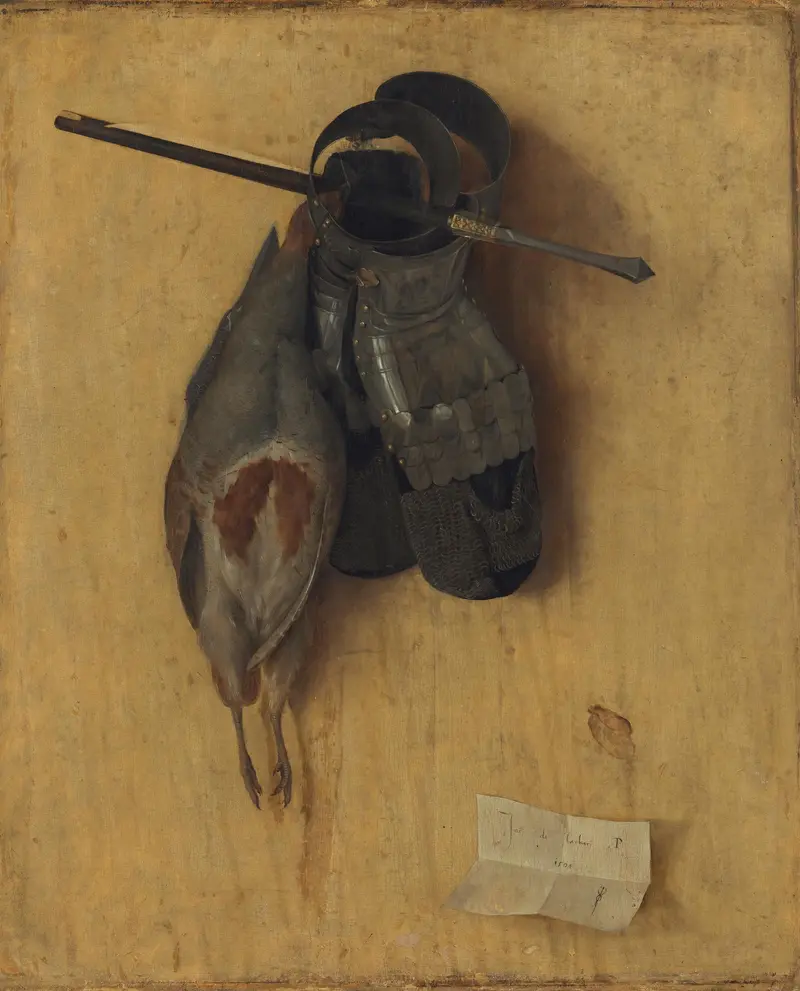
Geraniums — History & Facts
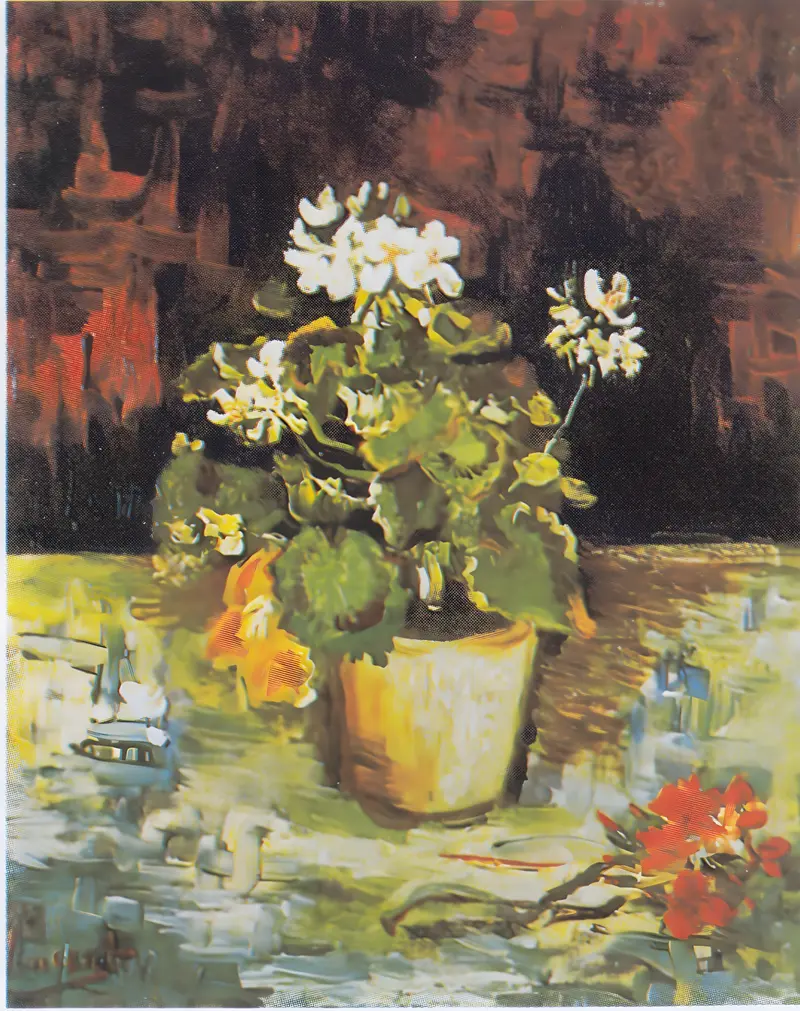
In Geraniums, Paul Cézanne presents a lively arrangement of vibrant red and pink flowers. The geraniums are depicted in a simple vase, surrounded by lush green leaves. The background features soft, muted colors that create a harmonious setting.
The overall composition is both dynamic and balanced, showcasing Cézanne's unique approach to still life. Cézanne's technique in this painting is characterized by bold brushstrokes and a rich palette. The flowers are rendered with thick layers of paint, giving them a textured appearance. The play of light and shadow adds depth, enhancing the three-dimensional quality of the flowers.
This work exemplifies the Post-Impressionist style, focusing on the artist's perception of the subject. Created in the 1890s, Geraniums reflects Cézanne's dedication to exploring color and form. This painting is part of his broader investigation into still life, where he often used everyday objects to convey deeper emotions. Interestingly, Cézanne believed that nature could be reduced to geometric shapes, a concept that influenced many modern artists.
Today, this work is housed in the Musée d'Orsay, a testament to its significance in art history.
More Artworks by Paul Cézanne

Apples, Peaches, Pears and Grapes
Paul Cézanne
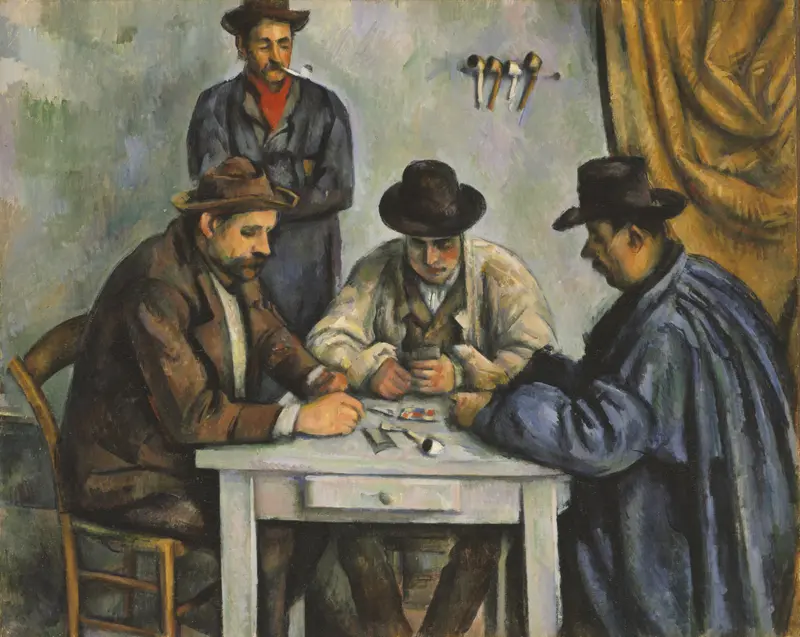
The Card Players
Paul Cézanne
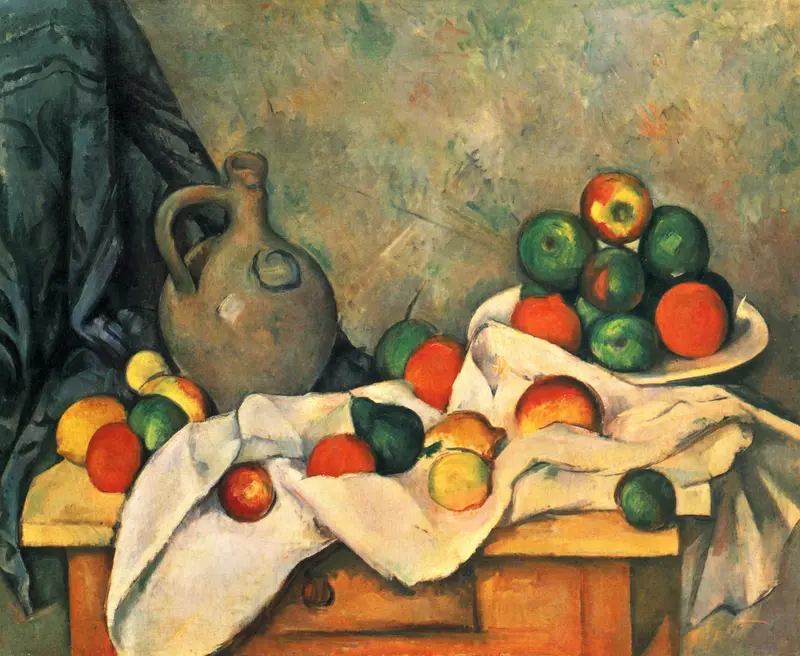
Rideau, Cruchon et Compotier
Paul Cézanne

The Boy in the Red Vest
Paul Cézanne
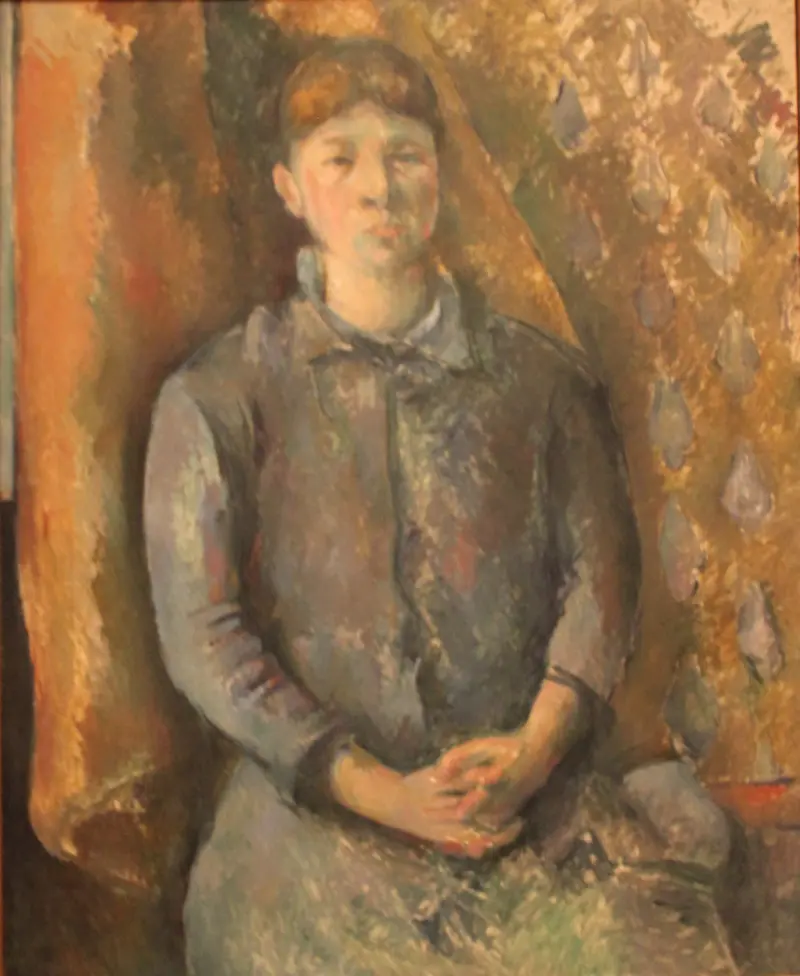
Madame Cézanne
Paul Cézanne
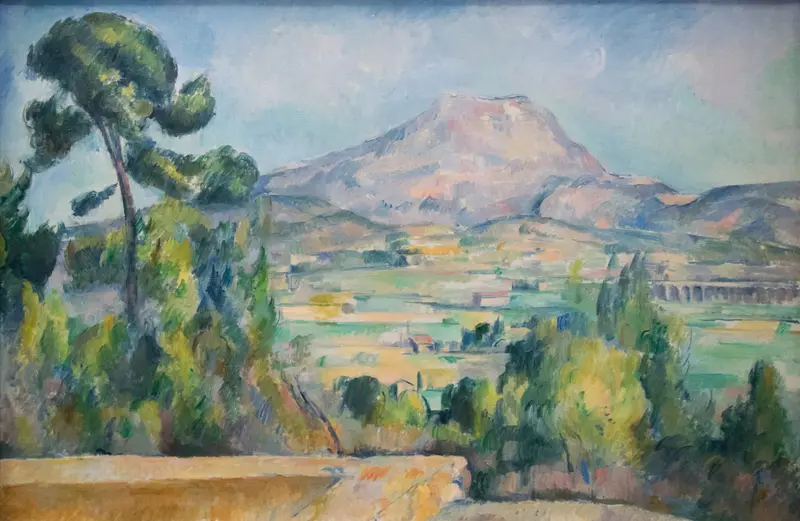
Montagne Saint-Victoire
Paul Cézanne
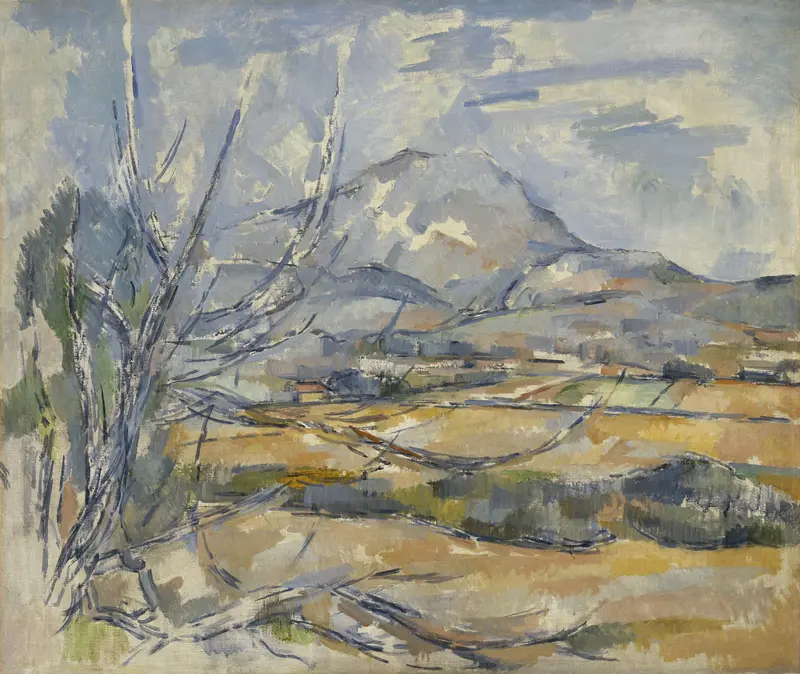
Montagne Sainte-Victoire
Paul Cézanne

Mont Sainte-Victoire Seen beyond the Wall of the Jas de Bouffan
Paul Cézanne
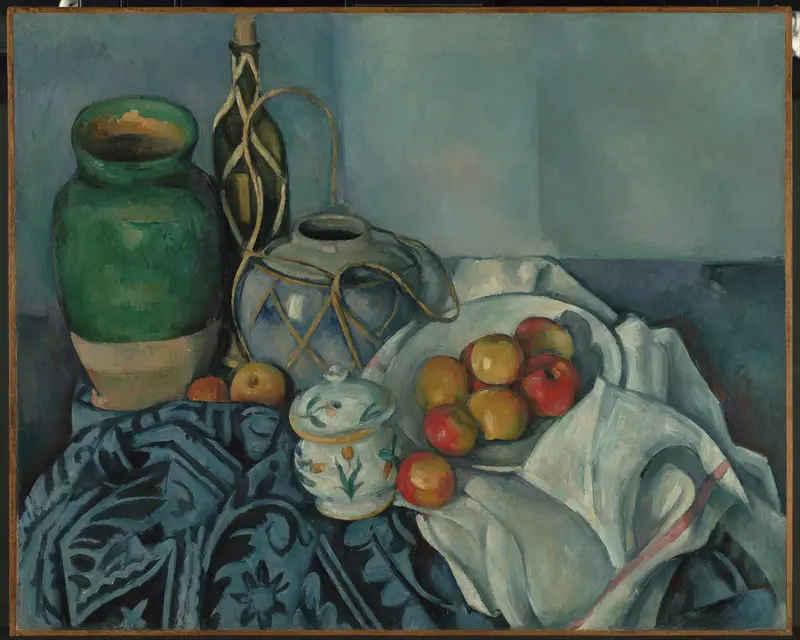
Still Life with Apples
Paul Cézanne

La Montagne Sainte-Victoire
Paul Cézanne