
Geseling — History & Facts
Who listens when art speaks of silence? In a world filled with noise, Geseling captures the essence of innocence, a moment where words evade and simplicity reigns. Look to the center where a delicate figure rests, her fragile frame embodying purity and serenity. Notice the tender play of light across her skin, accentuating the softness of her expression and the subtle folds of her attire. The meticulous detailing of her garments juxtaposes against the stark background, highlighting her isolation and the profound stillness surrounding her. This artwork invites contemplation of contrasts.
The subject’s innocence is palpable, yet the void of her surroundings evokes a sense of loneliness, as if she exists in both a serene haven and a realm of solitude. The juxtaposition of her gentle features and the starkness of the background speaks to the fragility of innocence, suggesting that it thrives in isolation but is also vulnerable to the world's encroaching chaos. In 1496, during a time of burgeoning exploration and artistic innovation, the artist created this piece in Nuremberg, a city bustling with the exchange of ideas. Dürer was deeply influenced by the emerging Renaissance ideals, focusing on both technical precision and emotional depth.
In this period, he was refining his skills in printmaking and painting, establishing himself as a pivotal figure in the Northern Renaissance.
More Artworks by Albrecht Dürer
Browse all →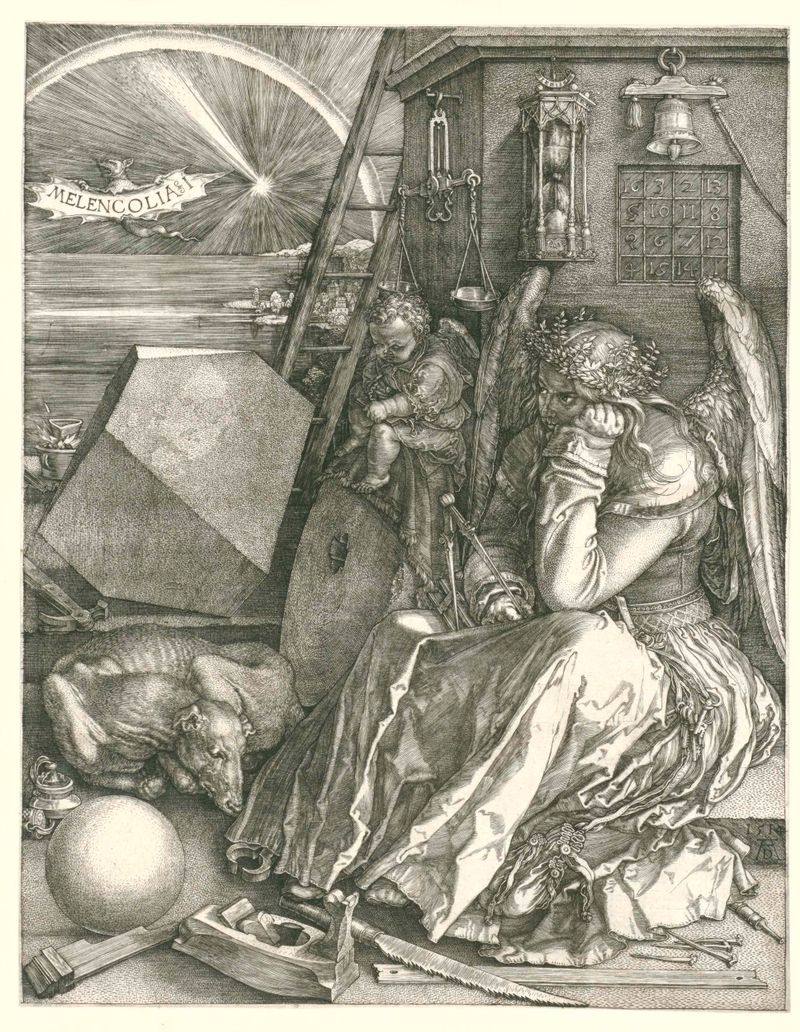
Melancholia
Albrecht Dürer
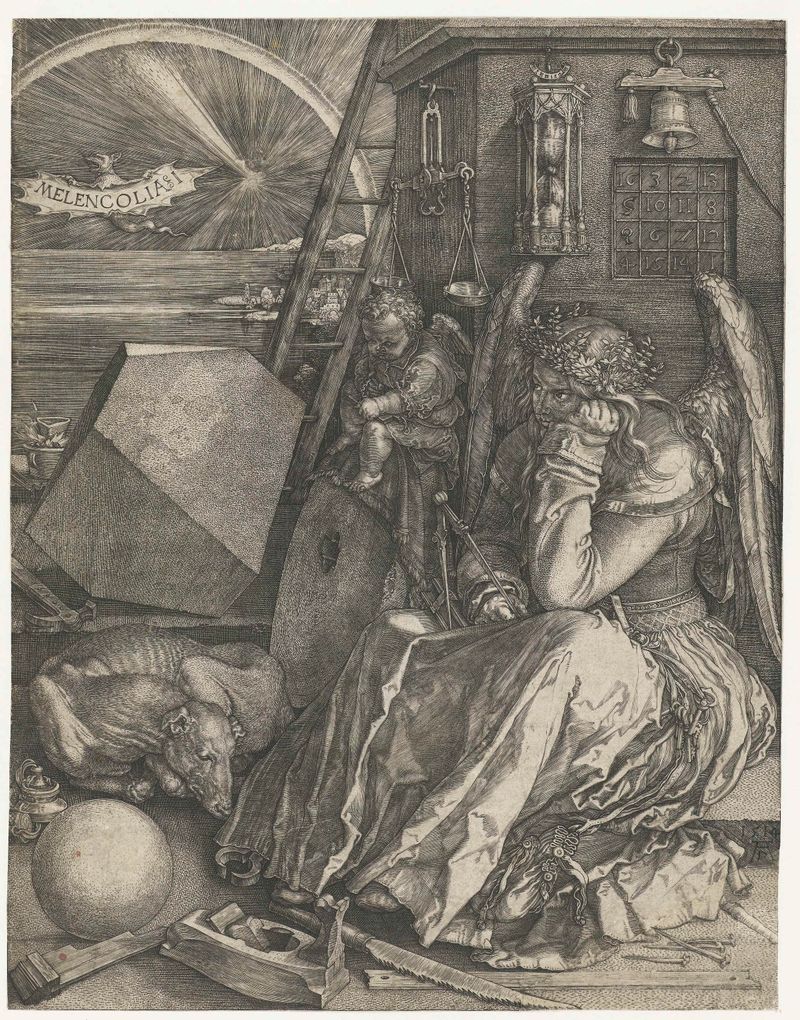
Melancholie
Albrecht Dürer
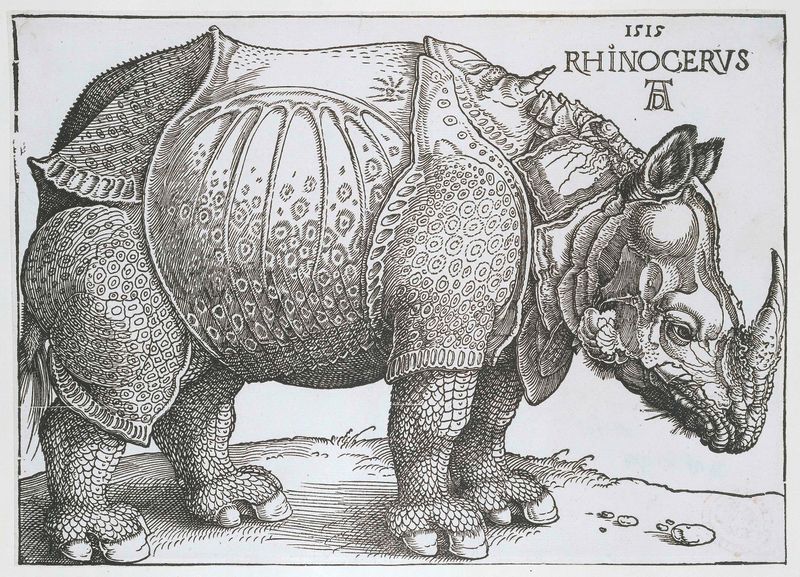
Neushoorn
Albrecht Dürer
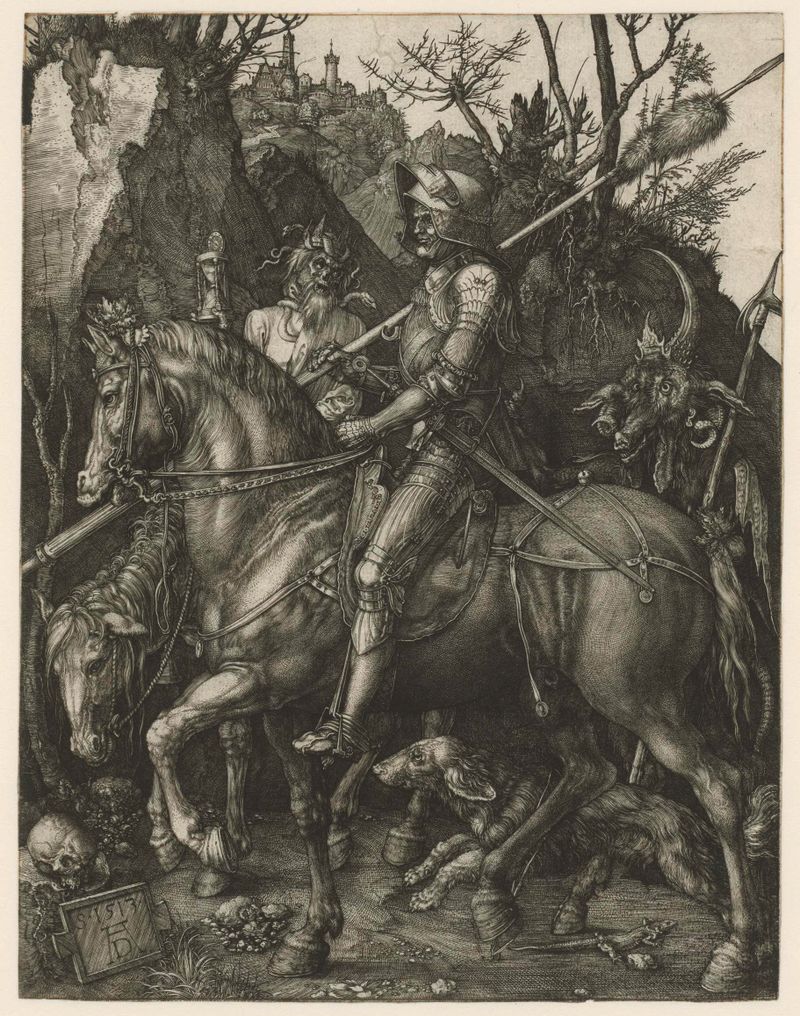
Knight, Death, and the Devil
Albrecht Dürer

De vier ruiters van de apocalyps
Albrecht Dürer

De vier ruiters van de apocalyps
Albrecht Dürer
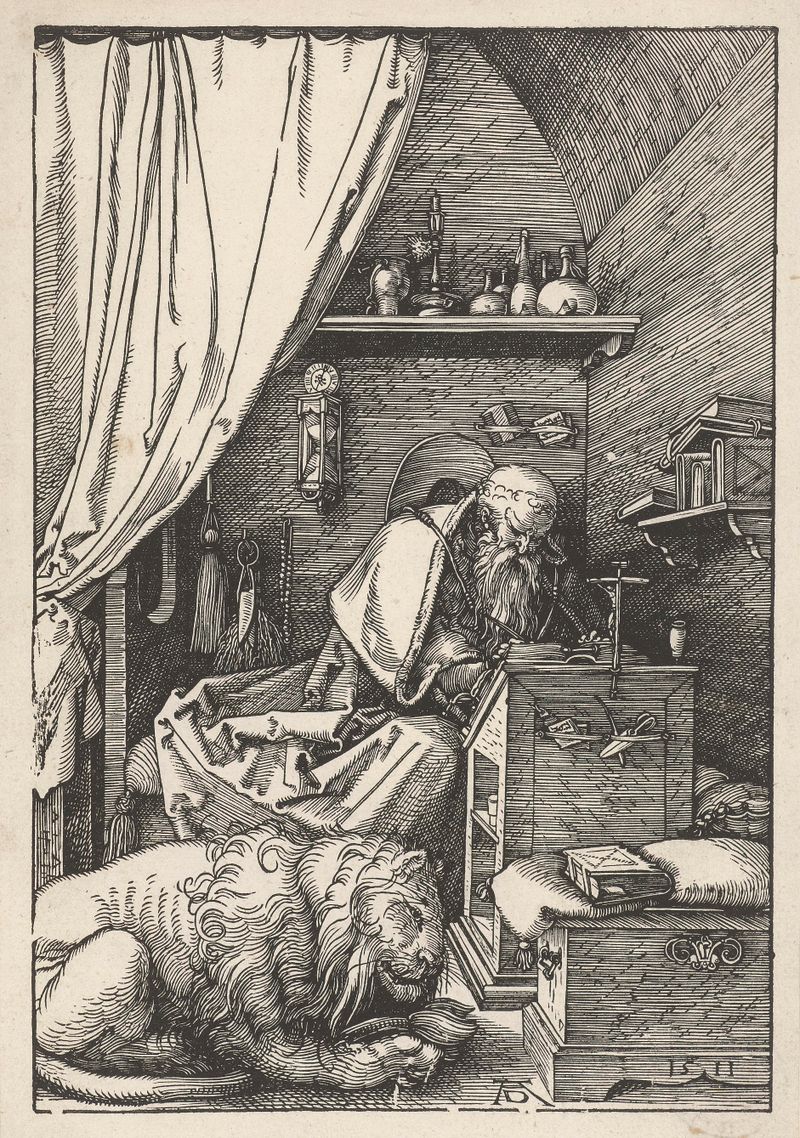
De Heilige Hiëronymus in zijn studeervertrek
Albrecht Dürer
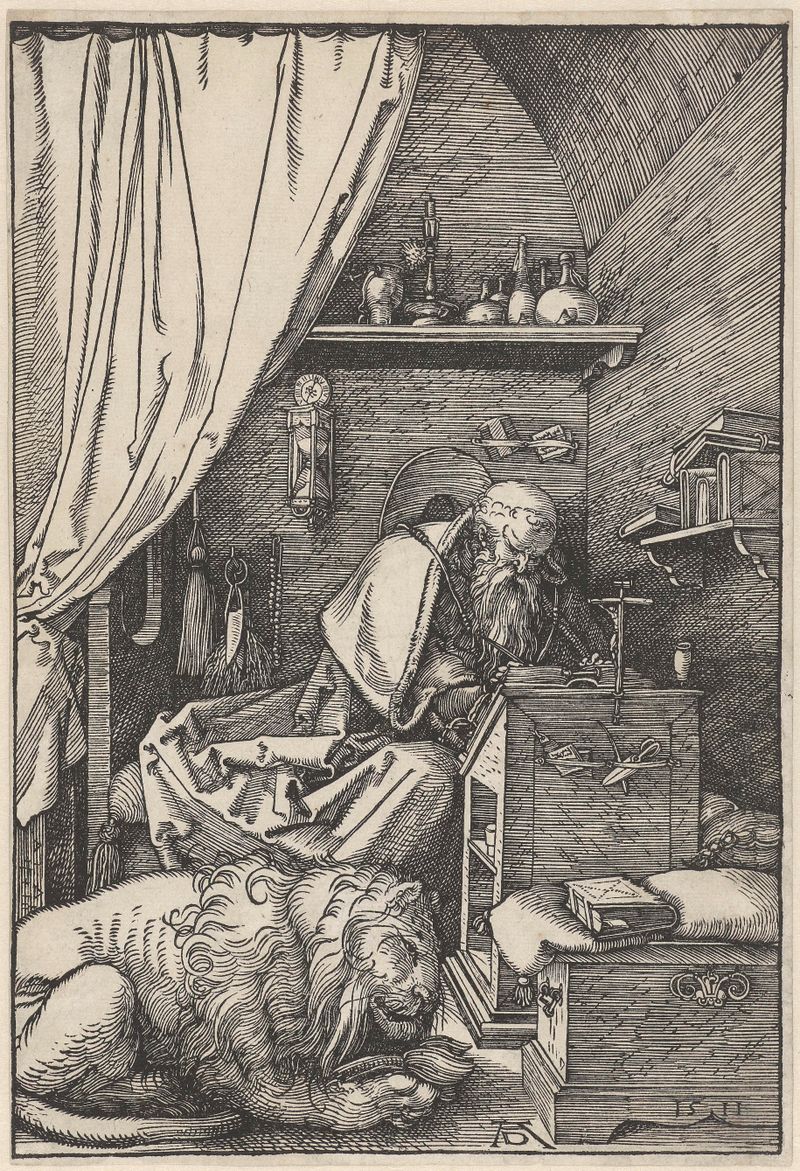
De Heilige Hiëronymus in zijn studeervertrek
Albrecht Dürer
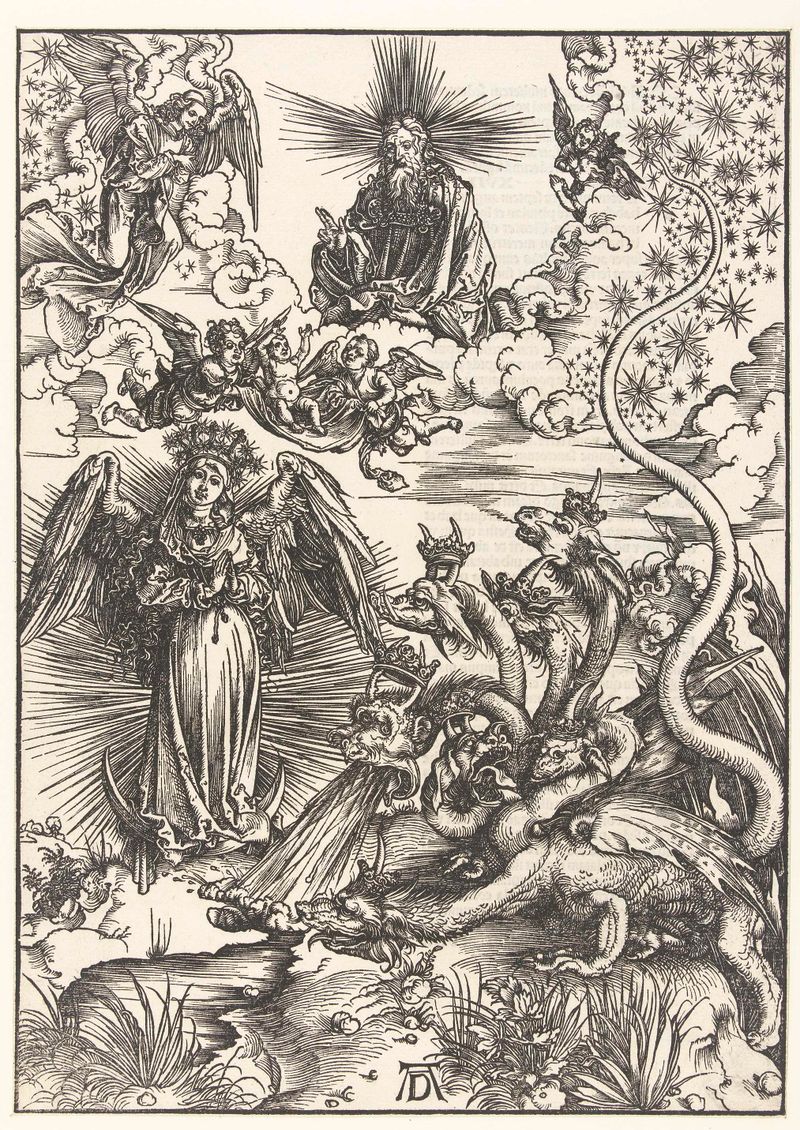
De apocalyptische vrouw en de zevenkoppige draak
Albrecht Dürer
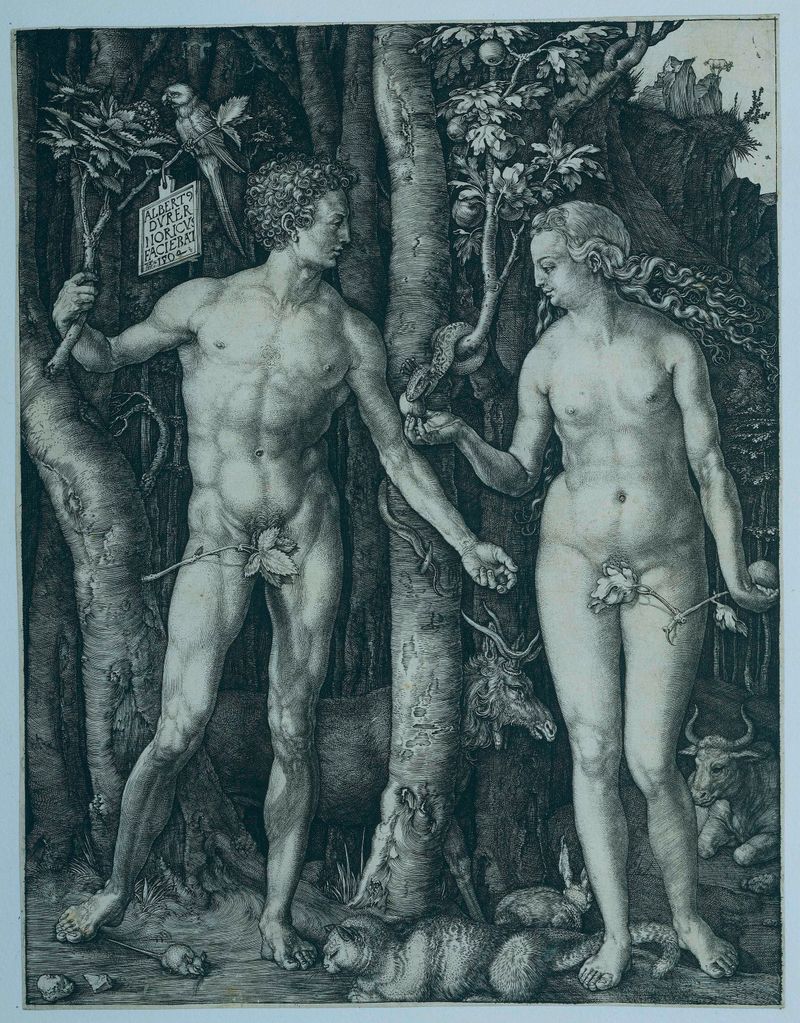
Adam en Eva
Albrecht Dürer




