
Geseling van Christus — History & Facts
Could beauty survive in a century of chaos? In Geseling van Christus, the juxtaposition of divine grace and human suffering invites the viewer into a poignant reflection on faith and resilience amidst turmoil. Focus on the central figure—Christ—who bears the weight of his suffering yet emanates an ethereal calm. Notice how the sharpness of his features contrasts with the soft, flowing lines of the surrounding figures, drawing you into the tension inherent in the scene. The muted color palette, dominated by earthy tones, emphasizes the somber atmosphere, while the delicate play of light highlights Christ’s serene expression, illuminating the divine amidst suffering. The work delves into profound themes of sacrifice and redemption.
The varying emotions of the figures surrounding Christ, from sorrow to disdain, encapsulate the human experience of grappling with faith. The intricate details, such as the blood flowing from his wounds juxtaposed with the serenity of his gaze, provoke an emotional dissonance, compelling viewers to confront their own beliefs about salvation and suffering. The artist's choice to portray such a moment of brutality wrapped in an aura of divinity speaks to the enduring strength of hope. Created in 1509, this piece reflects a time when Lucas Cranach (I) was deeply engaged with the themes of Reformation and religious turmoil sweeping across Europe.
Working in Wittenberg, he was not only a pivotal figure of the Northern Renaissance but also a close associate of Martin Luther. This proximity to the revolutionary ideas of his time influenced his work, as he sought to visually reconcile the spiritual and the corporeal, highlighting the complexities of faith during a period of unprecedented upheaval.
More Artworks by Lucas Cranach (I)
Browse all →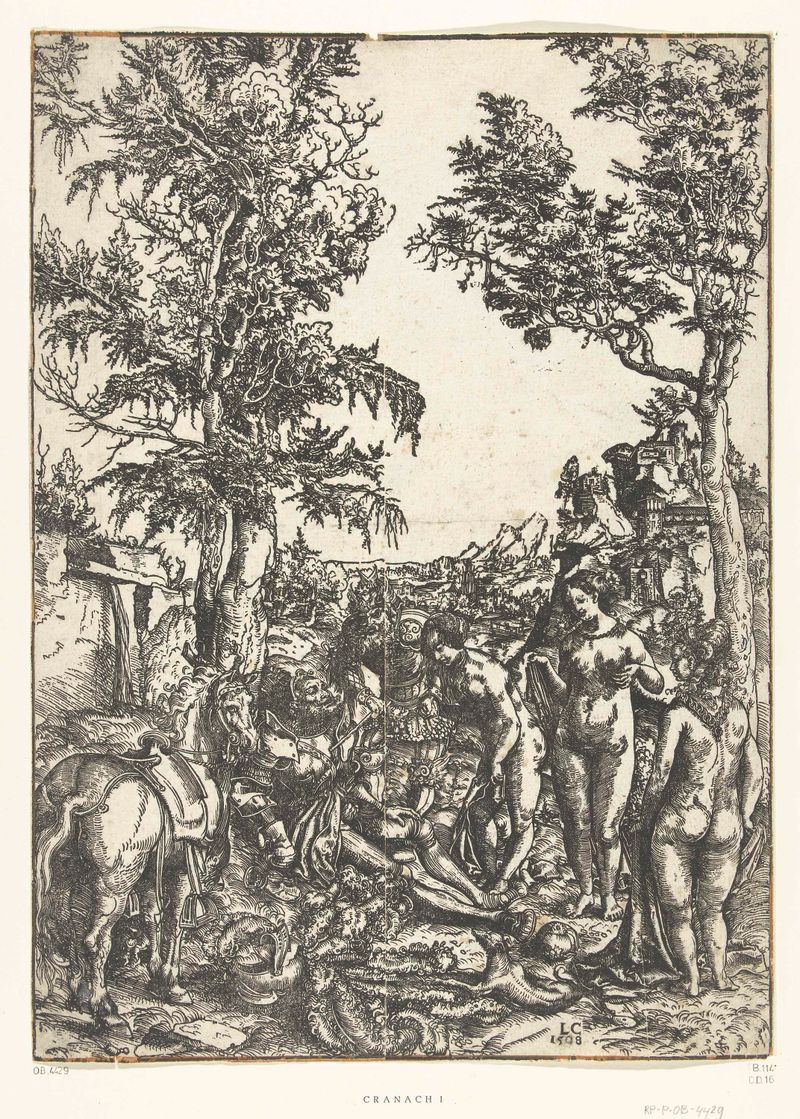
Oordeel van Paris
Lucas Cranach (I)
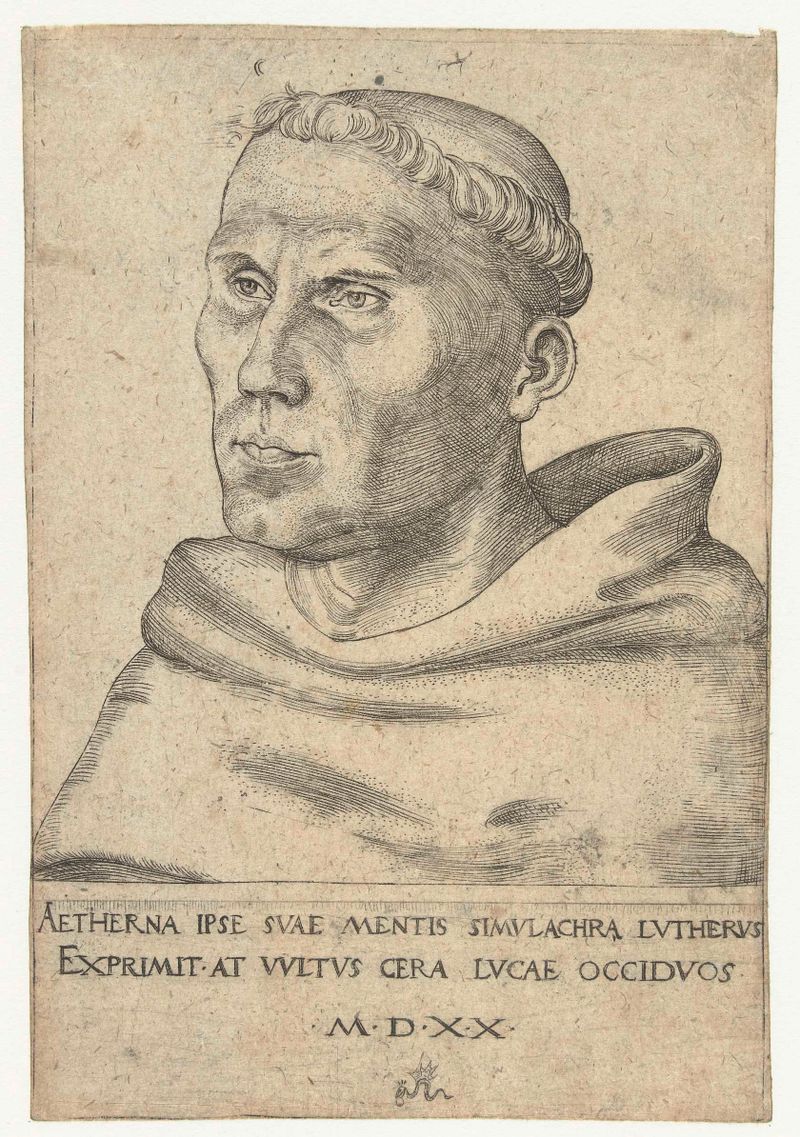
Portret van Martin Luther als Augustijner monnik
Lucas Cranach (I)
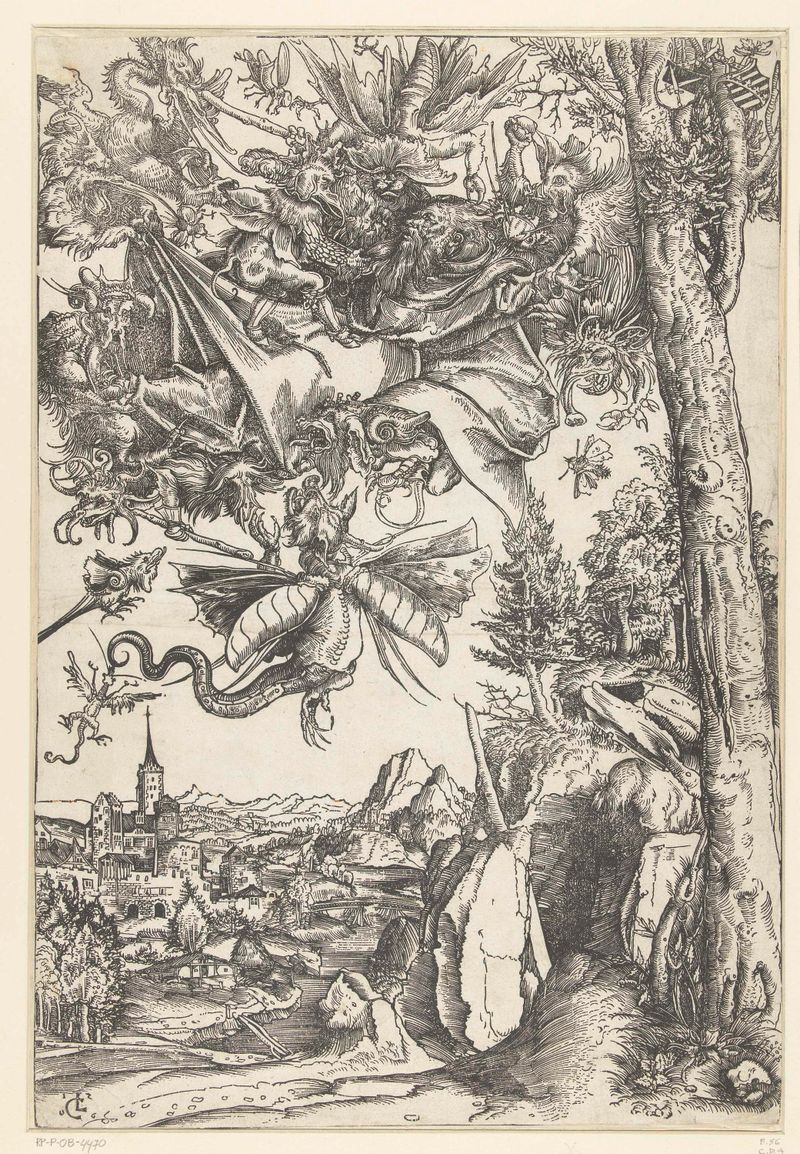
Verzoeking van Antonius met aanval door demonen
Lucas Cranach (I)

Christus en de Samaritaanse vrouw
Lucas Cranach (I)

Duits toernooi met twee edelmannen als ridders te paard
Lucas Cranach (I)
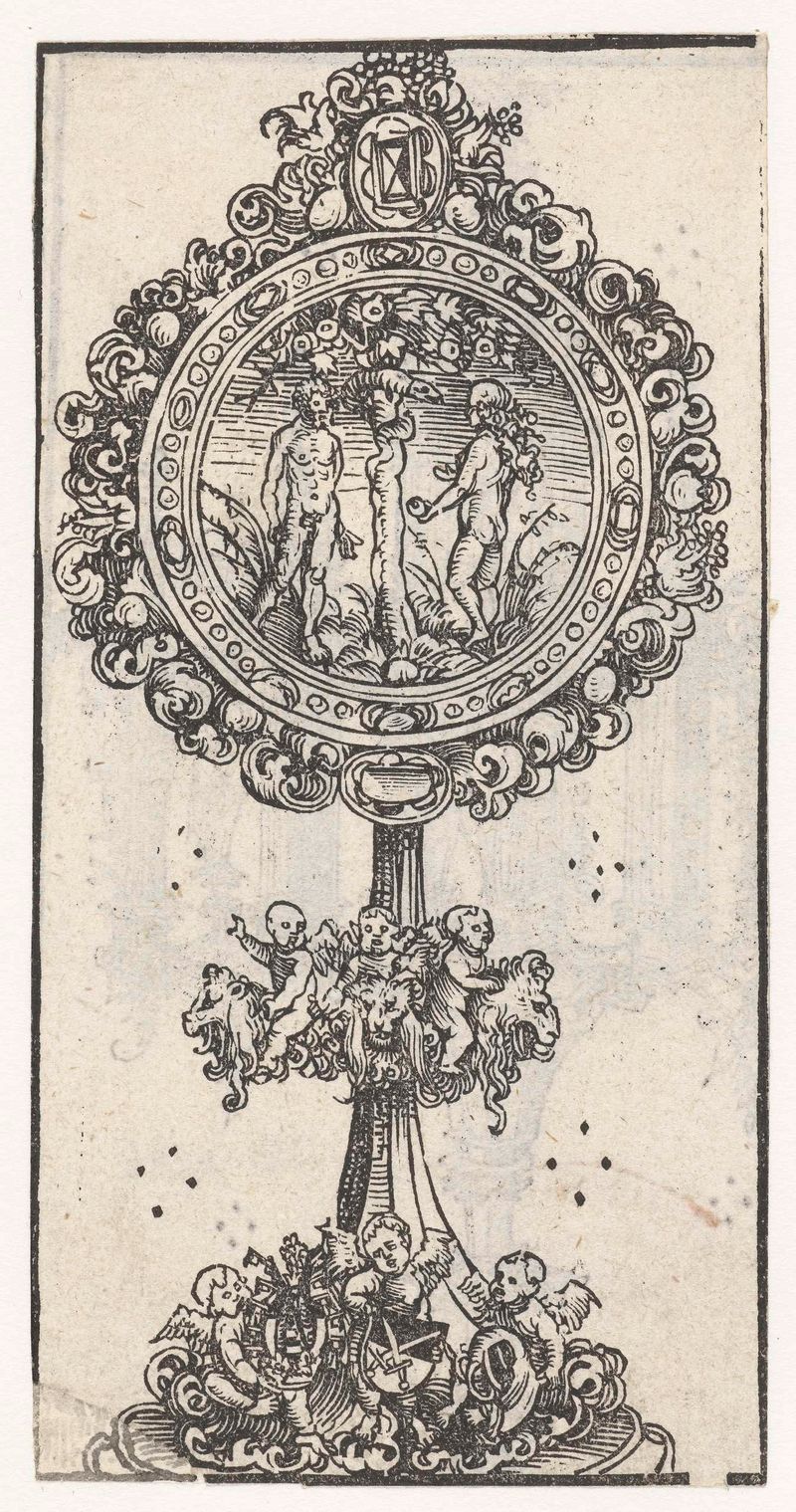
Reliekhouder met de verzoeking van Adam en Eva
Lucas Cranach (I)

Intocht van Christus in Jerusalem
Lucas Cranach (I)
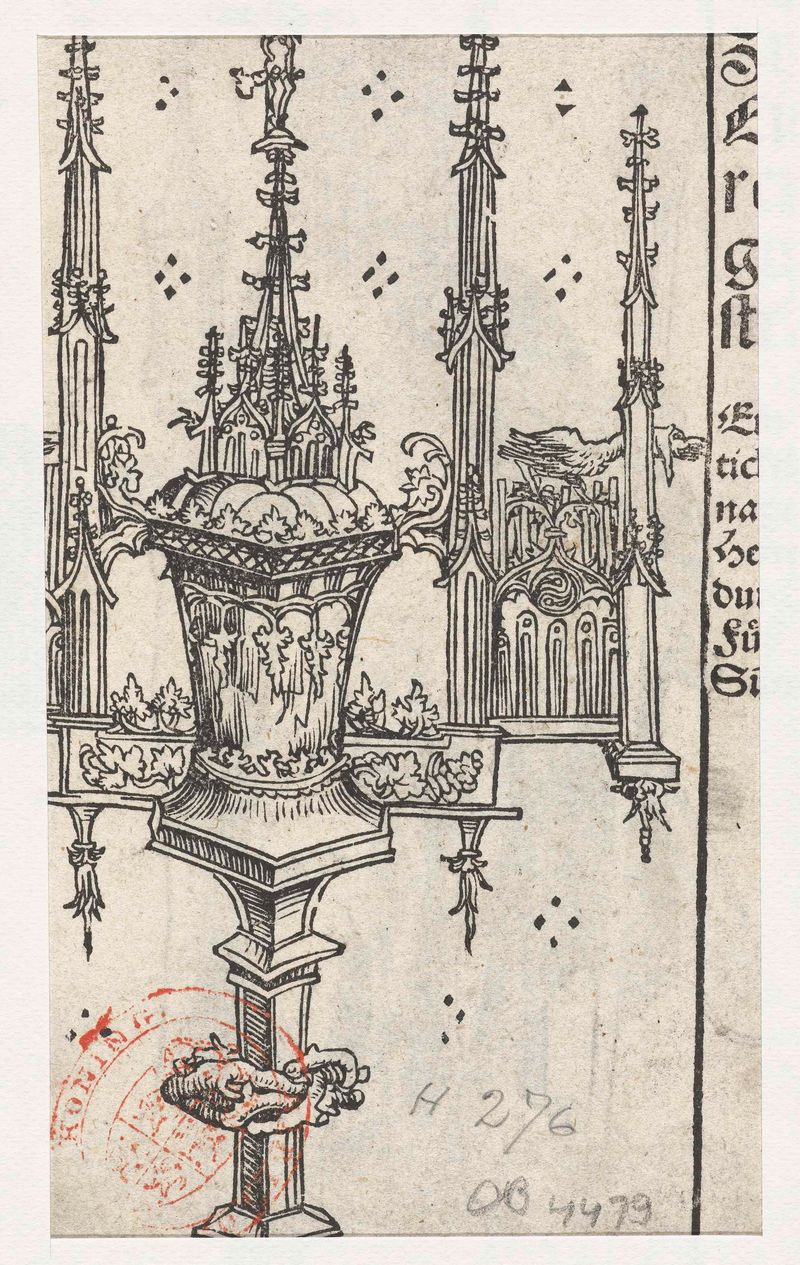
Monstrans met vogel (pelikaan)
Lucas Cranach (I)
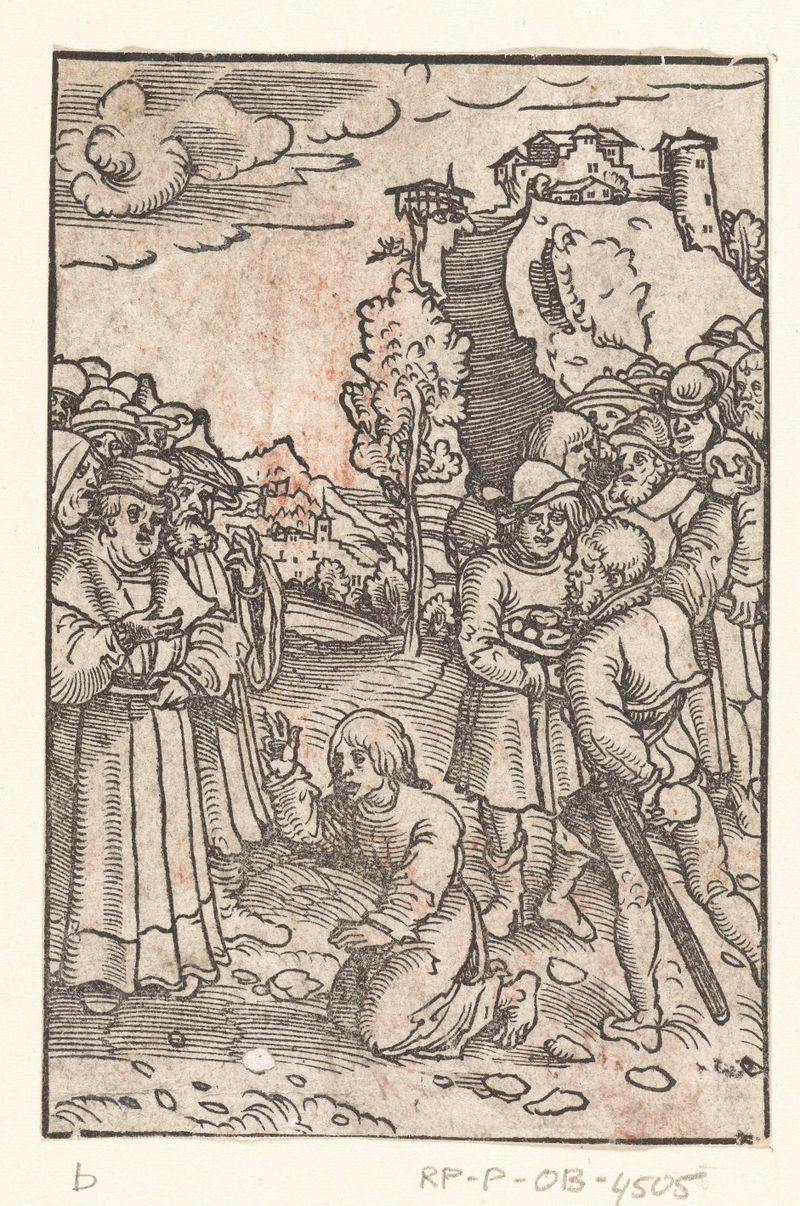
Steniging van Stefanus
Lucas Cranach (I)
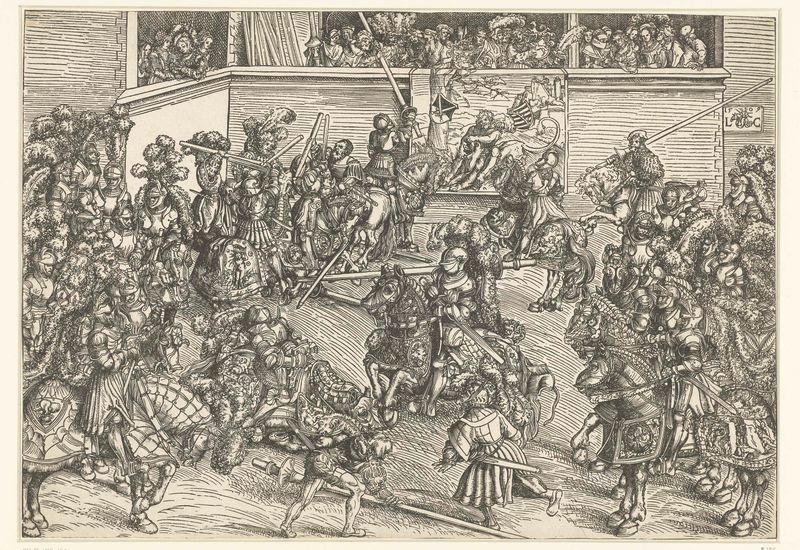
Toernooi van het keurvorstelijk hof van Saksen met wandtapijt Simson doodt de leeuw
Lucas Cranach (I)
More Religious Art
Browse all →
The Return of the Prodigal Son
Rembrandt van Rijn

The Garden of Earthly Delights
El Bosco

Count Orgaz’ funeral
El Greco

The Hundred Guilder Print: the central piece with Christ preaching, the plate arched
Rembrandt van Rijn

The Descent from the Cross
Rogier van der Weyden

The return of the prodigal son
Rembrandt van Rijn