
Gevecht tussen twee wildemannen te paard — History & Facts
When did color learn to lie? In a world where hues whisper secrets and distort realities, the vibrant chaos of conflict commands attention and invites reflection. Look to the center of the canvas where two wild men clash, each astride their powerful steeds, embodying primal energy. Notice the swirling colors around them—a tempest of greens and browns, accentuated by vivid reds that suggest both the ferocity of their battle and the earthiness of their existence. The dynamic composition draws the eye to their fierce expressions, while intricate details in their garments hint at a contrast between civilization and nature, suggesting a deeper narrative of humanity's struggle with its untamed instincts. Beneath the surface of this violent encounter lie themes of duality and revolution.
The wild men represent not only the untamed aspects of human nature but also the societal forces pushing against the established order. The tension between the figures encapsulates a struggle that transcends the physical realm, echoing a larger discourse about freedom versus restraint. The painter's adept use of light highlights this conflict, casting shadows that hint at the moral ambiguity of their actions, leaving viewers questioning who the true savages are. Created between 1475 and 1480 in the Netherlands, the work emerged during a period marked by increasing social upheaval and artistic innovation.
The artist, a member of the Northern Renaissance, explored the tumultuous landscape of the time, where traditional norms were challenged, paving the way for a new artistic language. The wild men's fierce confrontation serves as both a reflection of their era and a timeless exploration of humanity's internal battles.
More Artworks by Meester van het Amsterdamse Kabinet
Browse all →
De Heilige Familie bij de rozenstruik
Meester van het Amsterdamse Kabinet

Hertenjacht
Meester van het Amsterdamse Kabinet
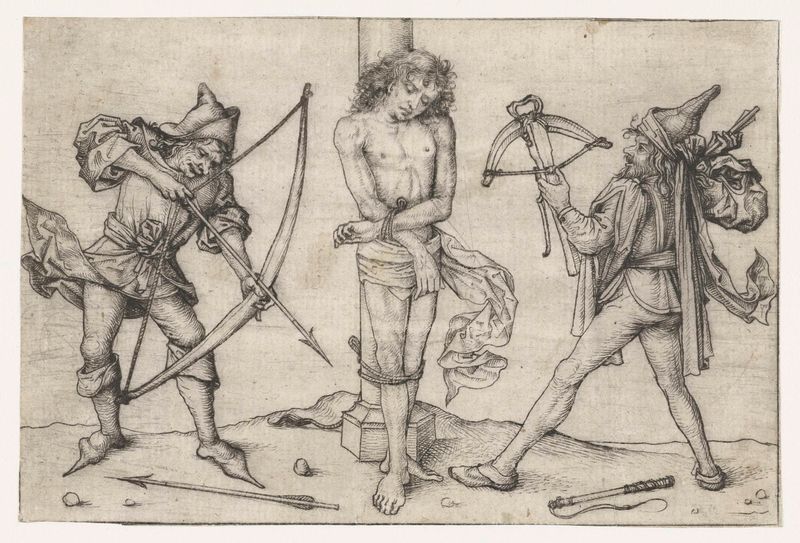
Heilige Sebastiaan met boogschutters
Meester van het Amsterdamse Kabinet

Het lichaam van Christus ondersteund door twee engelen
Meester van het Amsterdamse Kabinet

Heilige Anna-te-Drieën
Meester van het Amsterdamse Kabinet

Heilige Barbara (grote versie)
Meester van het Amsterdamse Kabinet
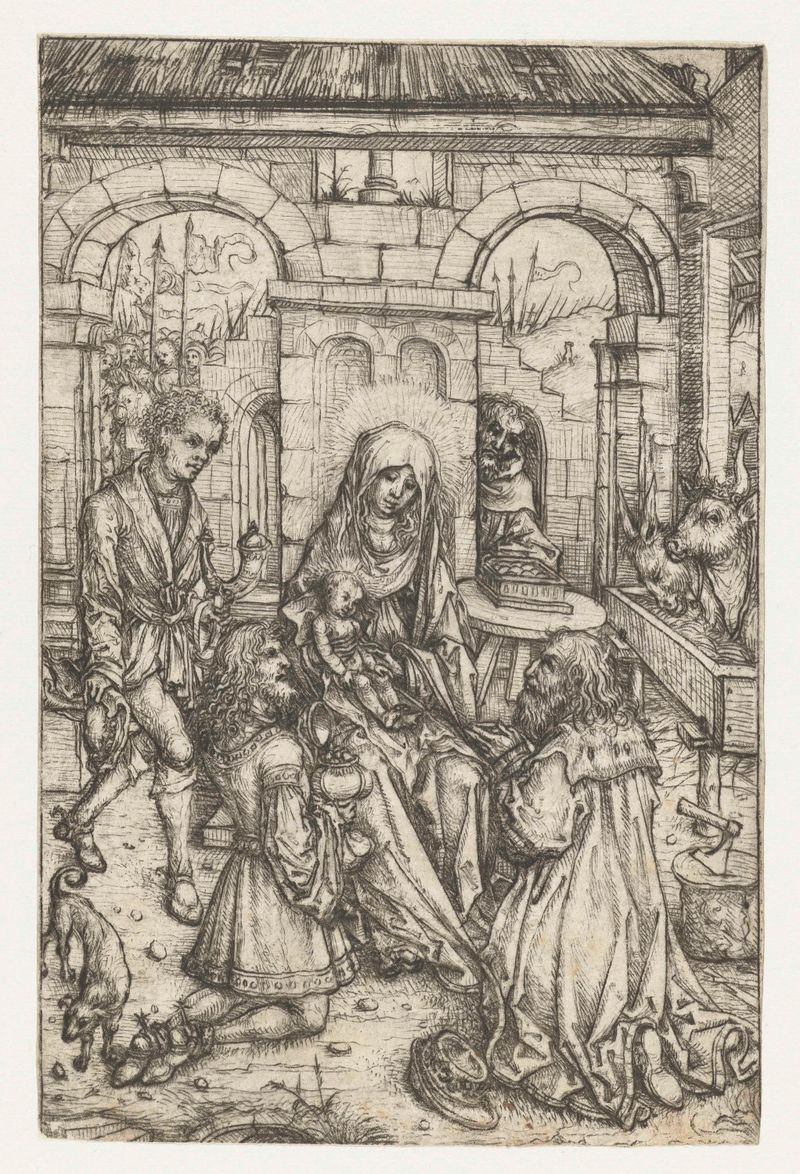
Aanbidding der koningen
Meester van het Amsterdamse Kabinet
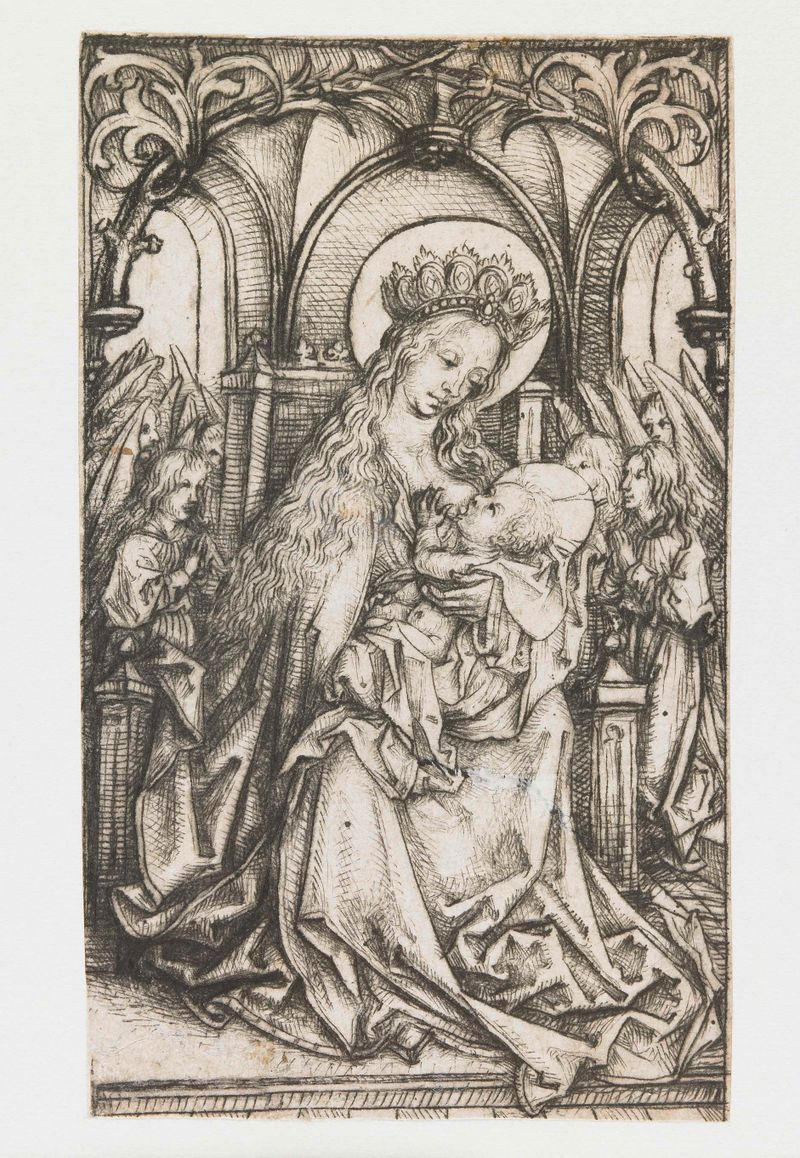
Tronende Madonna door engelen aanbeden
Meester van het Amsterdamse Kabinet

Het zegenend Christuskind
Meester van het Amsterdamse Kabinet
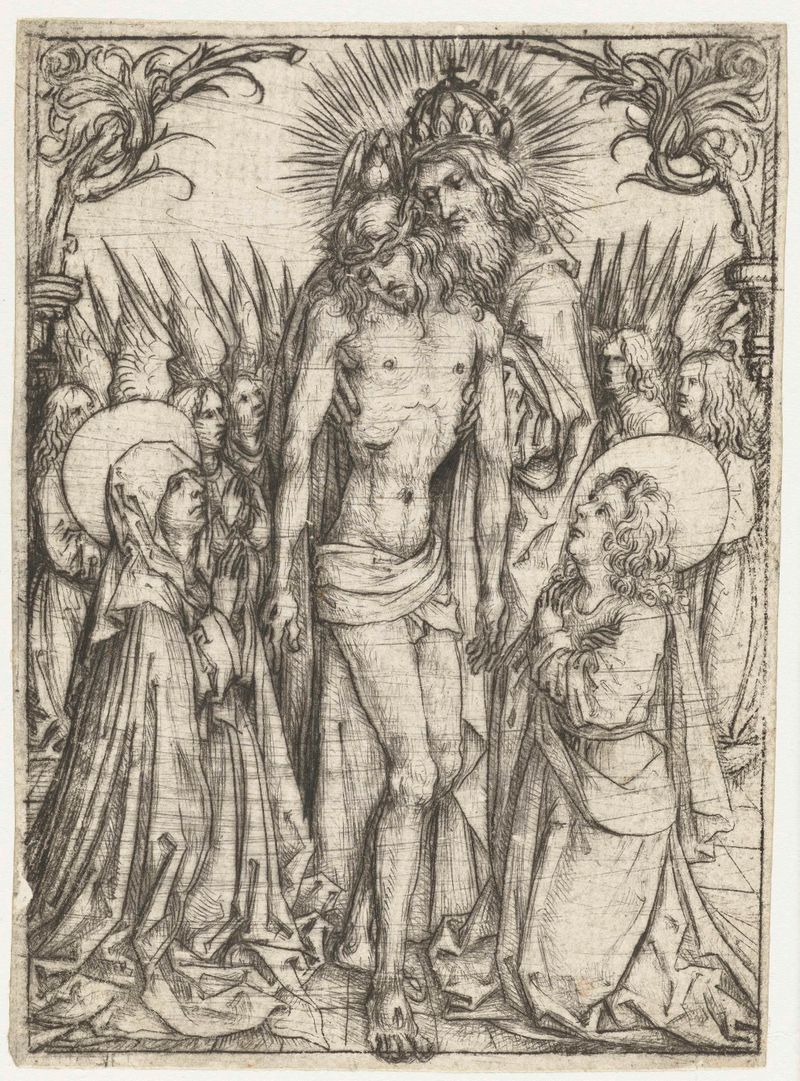
Aanbidding van de Heilige Drieëenheid door Maria, Johannes de Evangelist en engelen
Meester van het Amsterdamse Kabinet
More Historical Art
Browse all →
The Night Watch Militia Company of District II under the Command of Captain Frans Banninck Cocq
Rembrandt van Rijn
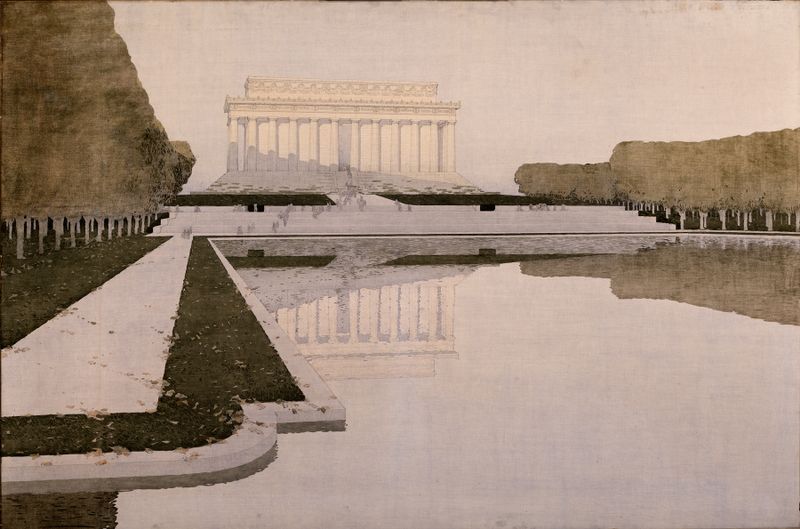
Lincoln Memorial
Henry Bacon
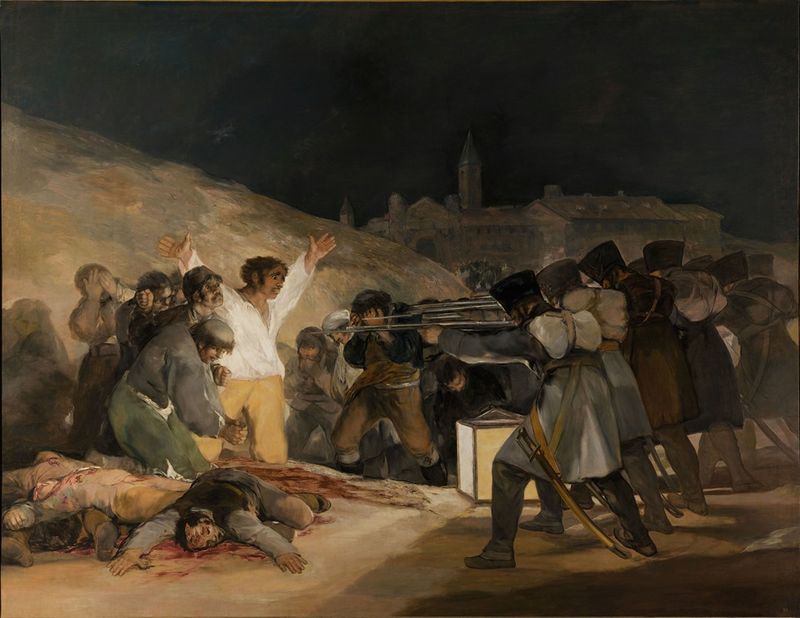
The Third of May 1808
Francisco de Goya

Isaac and Rebecca, Known as ‘The Jewish Bride’
Rembrandt van Rijn
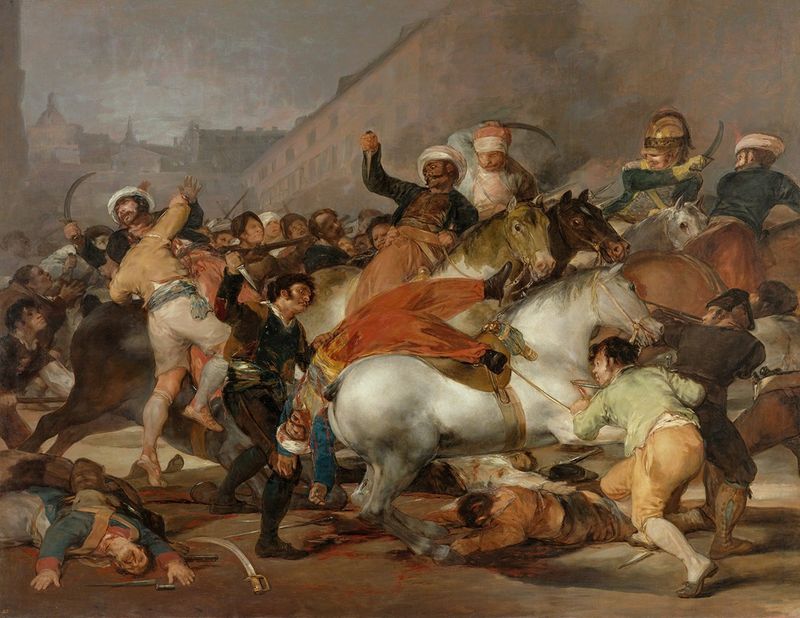
The Charge of the Mamelukes (1814)
Francisco de Goya

De vier ruiters van de apocalyps
Albrecht Dürer