
Gezag van paus over bisschop — History & Facts
When did color learn to lie? In the intricate world of Gezag van paus over bisschop, illusion dances on the canvas, inviting us to reflect on the truth behind appearances and power. Look to the center of the composition where the Pope commands attention, clad in lavish reds and golds, his garments glimmering with authority. Notice how light falls upon his drapery, accentuating the opulence that surrounds spiritual dominion. The figures flanking him, both clergy and laity, are painted with meticulous detail; each expression and gesture reveals a tension between reverence and skepticism.
The backdrop brims with symbolism, hinting at the shifting allegiances of the time, as vibrant hues clash and collide with a calculated fervor. Delve deeper into the relationships at play: the Pope’s confident demeanor contrasts starkly with the uncertain positions of the bishops, caught in a web of political and spiritual conflict. The viewer can sense the weight of expectation hanging in the air, where loyalty teeters on the edge of doubt. This tension is further mirrored in the vivid palette, suggesting the duality of divine truth and human ambition — a visual reminder that what we see is not always the whole story. Created between 1521 and 1522, this work emerged during a period of significant upheaval in Europe.
Cranach, based in Wittenberg, was intimately involved in the Reformation that questioned the authority of the Catholic Church. This context permeates the painting, reflective of the growing discontent with ecclesiastical power and the desire for reform. As a skilled court artist for the Elector of Saxony, Cranach’s work provided a critical, albeit nuanced, commentary on the pressing issues of his time.
More Artworks by Lucas Cranach (I)
Browse all →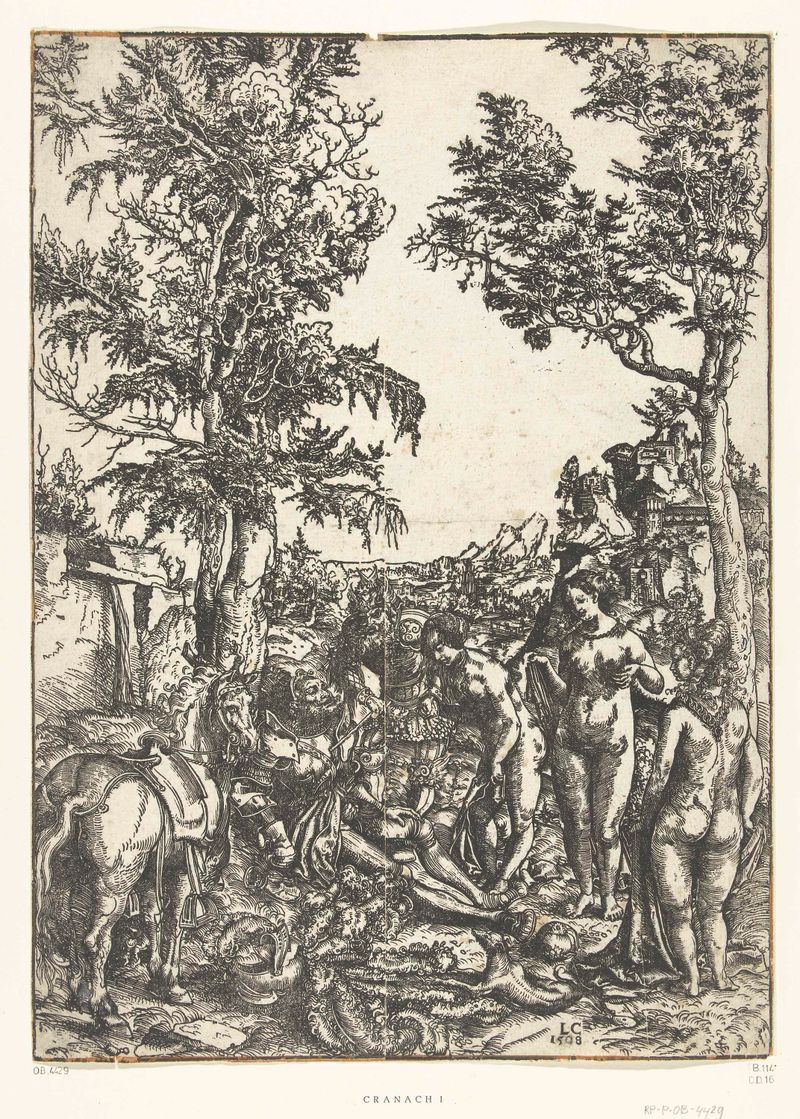
Oordeel van Paris
Lucas Cranach (I)
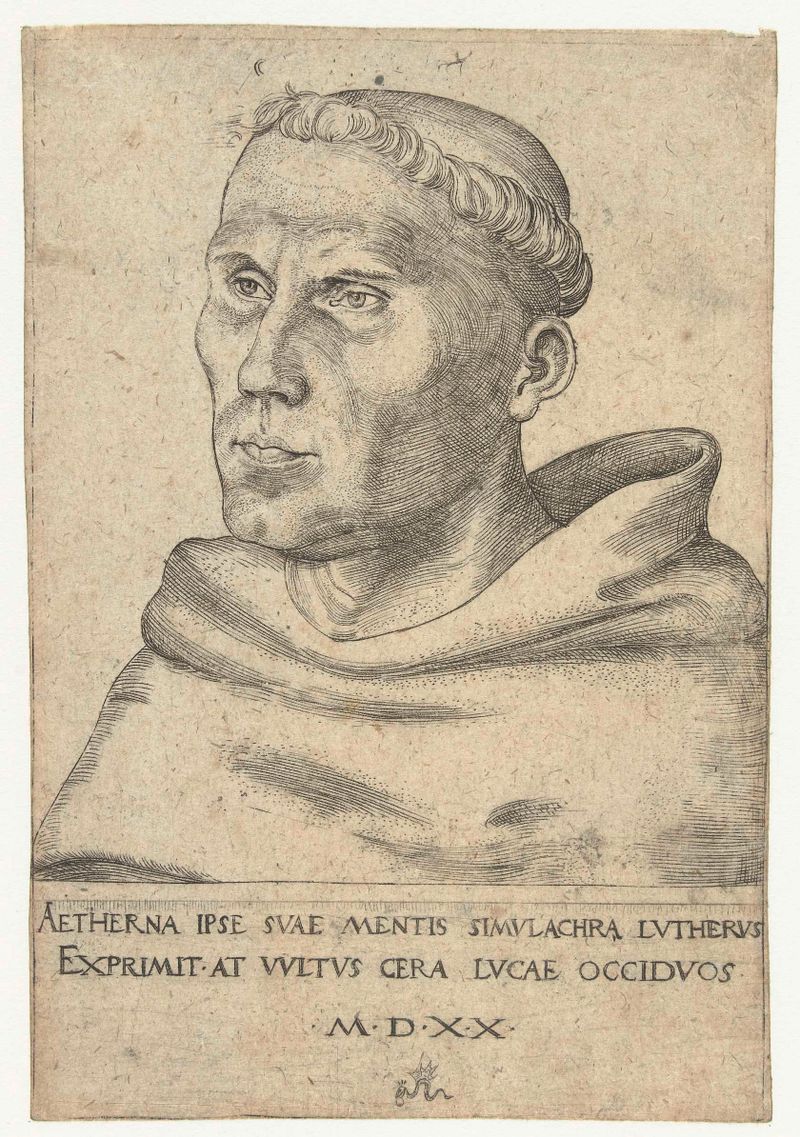
Portret van Martin Luther als Augustijner monnik
Lucas Cranach (I)
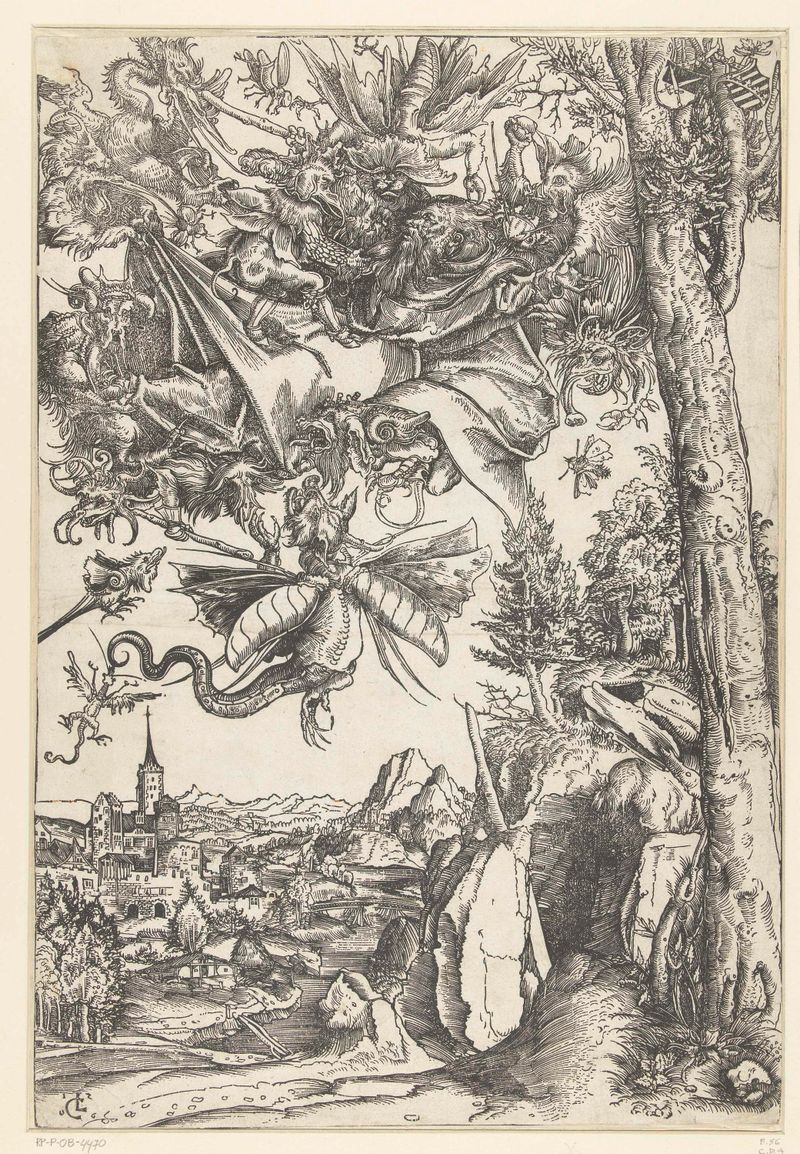
Verzoeking van Antonius met aanval door demonen
Lucas Cranach (I)

Christus en de Samaritaanse vrouw
Lucas Cranach (I)

Duits toernooi met twee edelmannen als ridders te paard
Lucas Cranach (I)
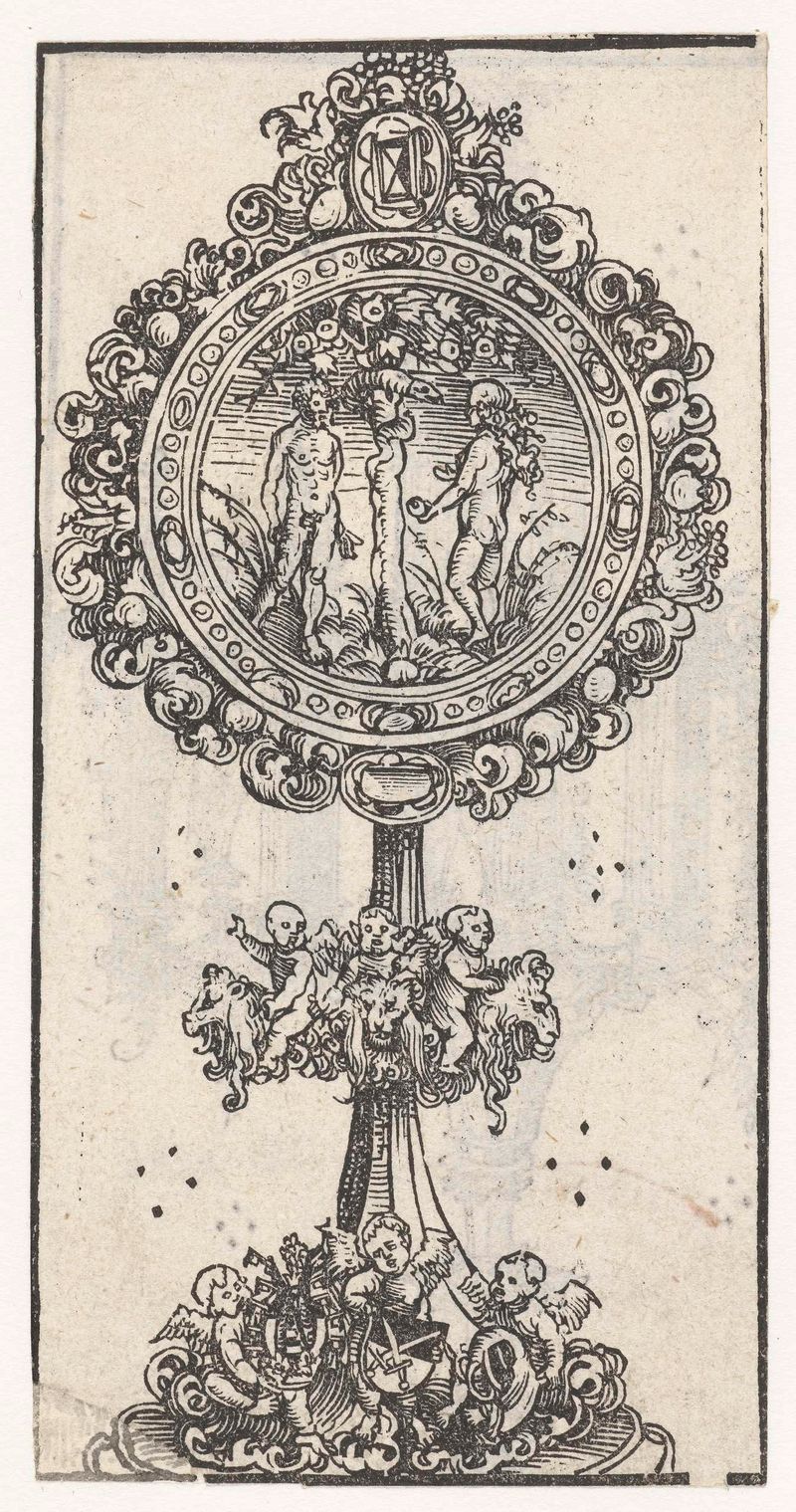
Reliekhouder met de verzoeking van Adam en Eva
Lucas Cranach (I)

Intocht van Christus in Jerusalem
Lucas Cranach (I)
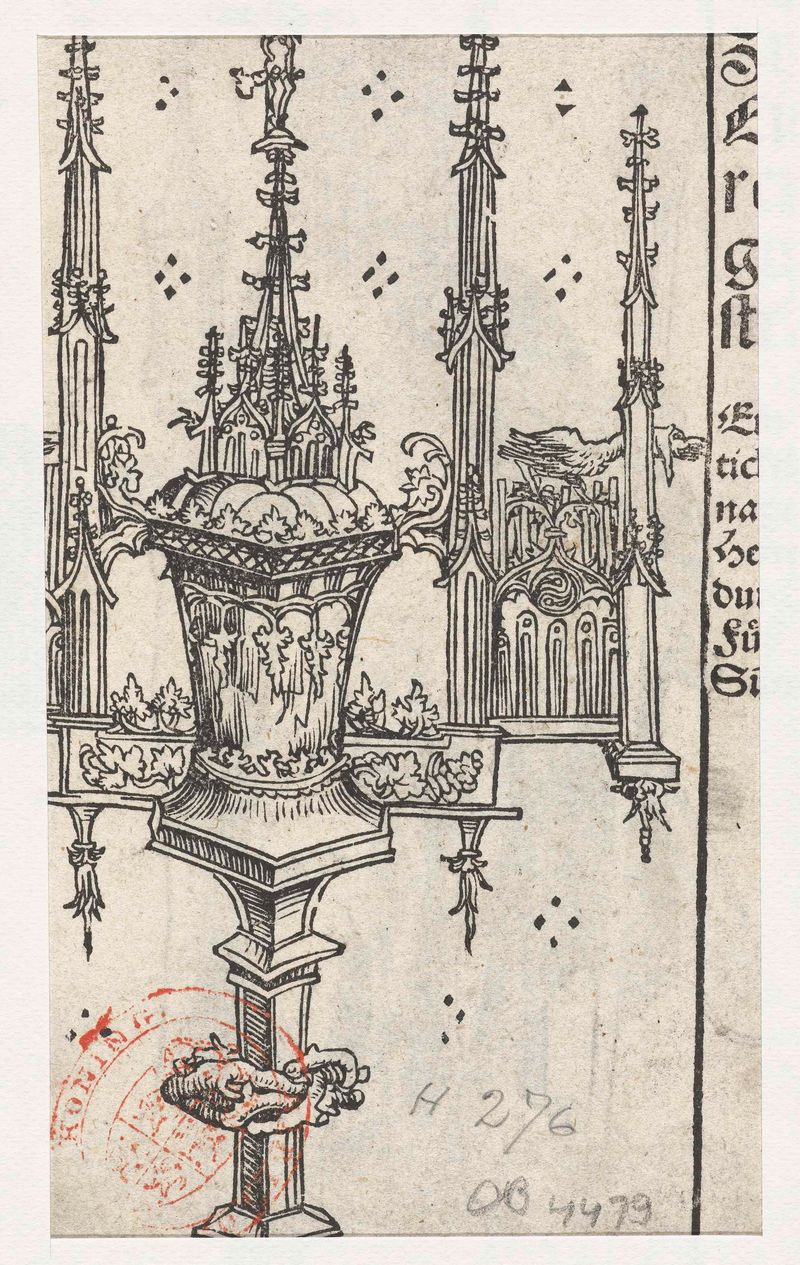
Monstrans met vogel (pelikaan)
Lucas Cranach (I)
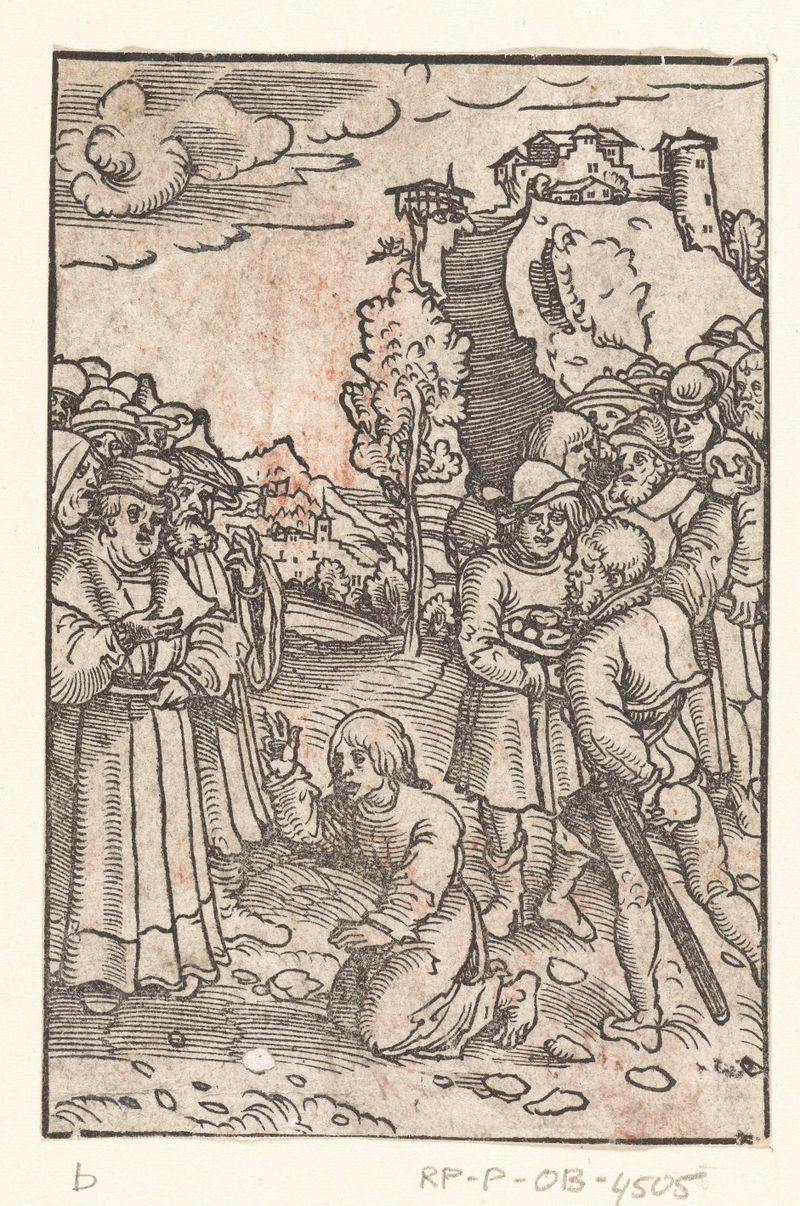
Steniging van Stefanus
Lucas Cranach (I)
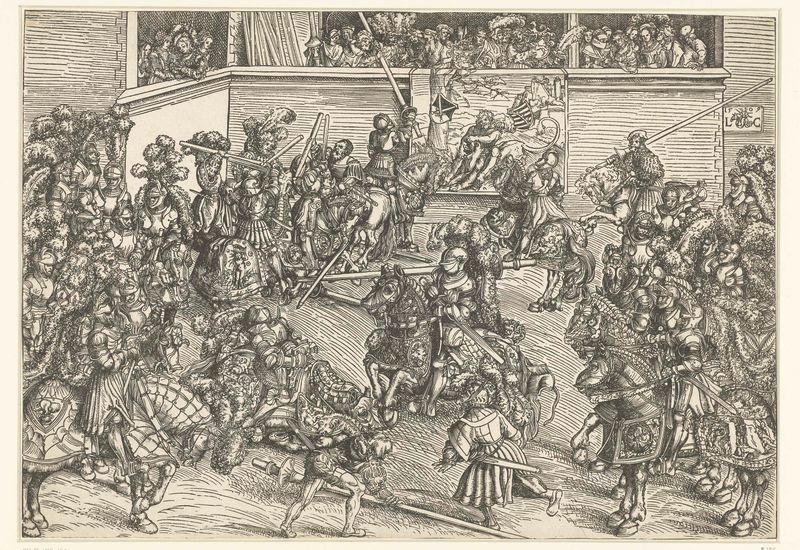
Toernooi van het keurvorstelijk hof van Saksen met wandtapijt Simson doodt de leeuw
Lucas Cranach (I)
More Religious Art
Browse all →
The Return of the Prodigal Son
Rembrandt van Rijn

The Garden of Earthly Delights
El Bosco

Count Orgaz’ funeral
El Greco

The Hundred Guilder Print: the central piece with Christ preaching, the plate arched
Rembrandt van Rijn

The Descent from the Cross
Rogier van der Weyden

The return of the prodigal son
Rembrandt van Rijn