Gezicht in een tuin of park — History & Facts
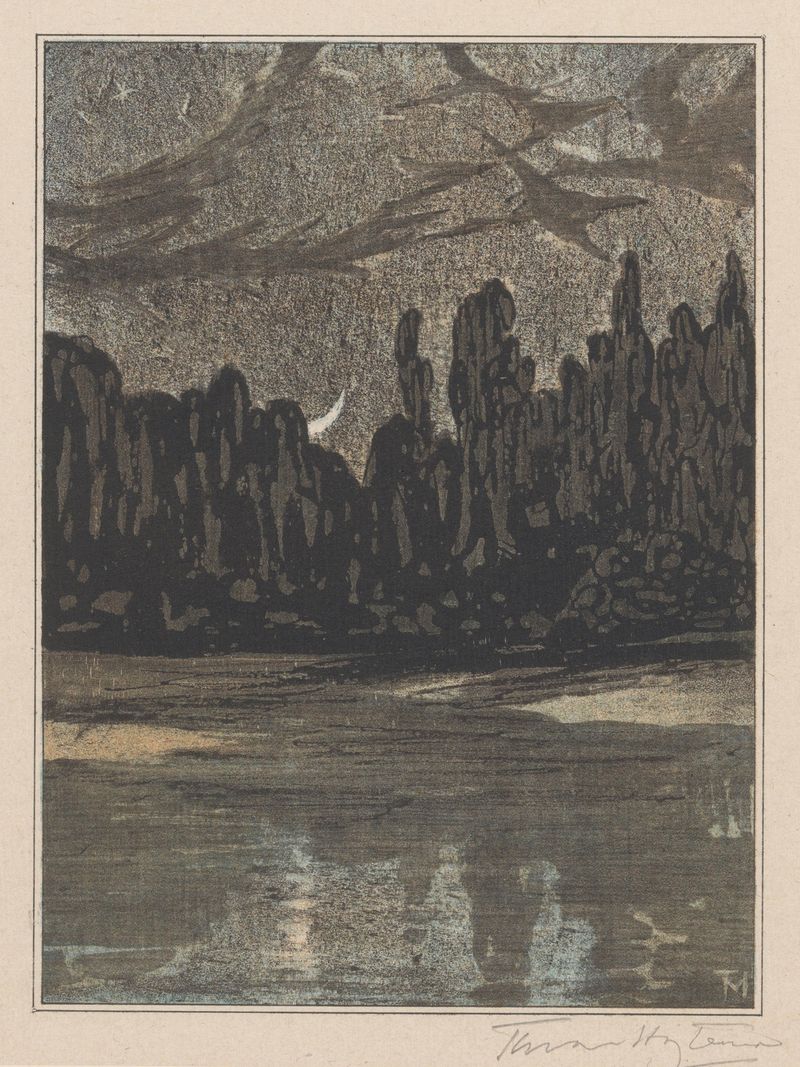
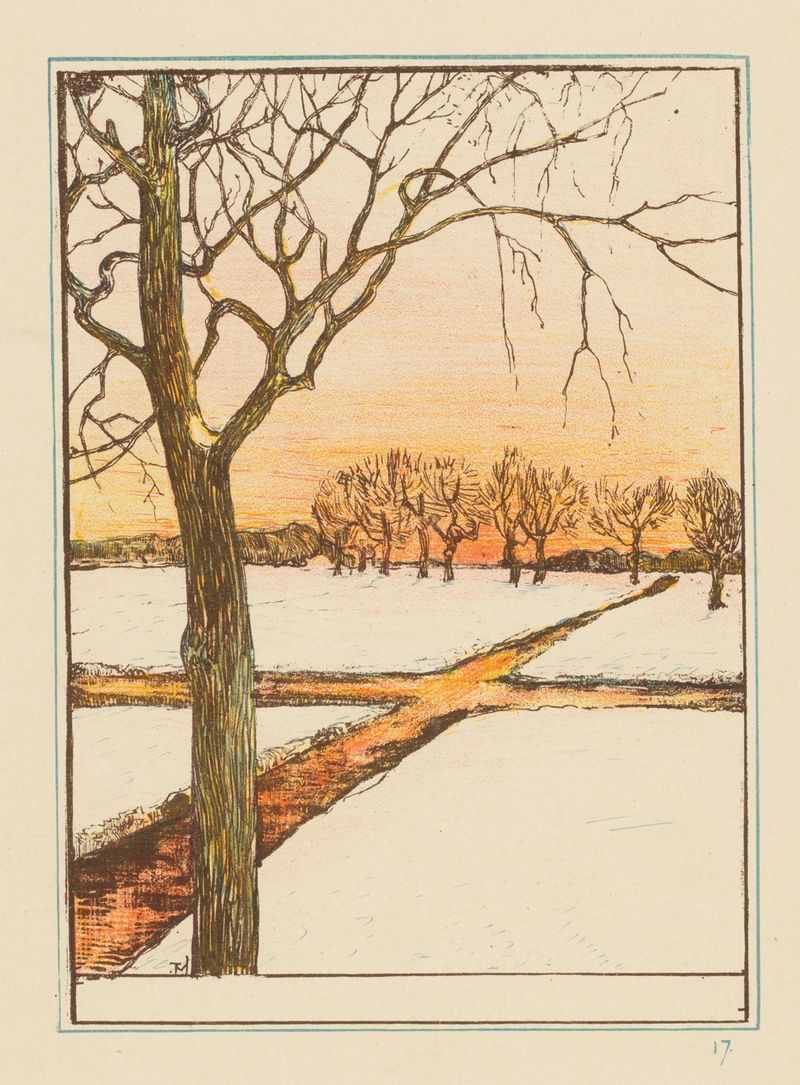
In the stillness of nature, serenity emerges, inviting viewers to pause and reflect on their own inner gardens. Look to the left at the delicate interplay of greens, where leaves whisper secrets to one another under gentle dappled sunlight. Notice how the artist uses soft brush strokes, blending hues of emerald and jade to evoke a sense of tranquility. The composition is balanced, with the meticulous arrangement of flora guiding the eye towards a beckoning path, suggesting a journey deeper into this serene oasis. Yet, beneath this calm exterior lies an exploration of solitude and introspection.
The absence of human figures hints at a moment frozen in time, allowing nature to converse in whispers and rustles. The shadows dance gently, creating a contrast between light and dark, perhaps symbolizing the duality of existence — the harmony of peace juxtaposed with the solitude of silence. Theo van Hoytema painted Gezicht in een tuin of park between 1873 and 1917, a period marked by his deep engagement with Impressionism and natural landscapes. Living in the Netherlands, he was influenced by the burgeoning interest in plein air painting, which sought to capture the essence of light and atmosphere.
This work reflects not only his personal journey as an artist but also the broader movement towards embracing nature's unadulterated beauty during a time of artistic transformation.