
Gezicht op de Laurenskerk gezien vanuit noordoosten — History & Facts
The first thing that seizes the eye in Gezicht op de Laurenskerk gezien vanuit noordoosten is the play of shadow and light across the monumental mass of the Laurenskerk, Rotterdam’s great medieval church. Abraham Storck sets the cathedral as the anchor of the city, its soaring tower dominating the skyline, while the rest of the city seems to gather protectively at its feet. The drama of the sky—billowing clouds tinged with the last gold of afternoon—draws the gaze upward, but the real life of the scene unfolds at water level.
Boats drift quietly along the canal, their passengers silhouetted against the glimmering water, while figures stroll the quayside, dwarfed by the architecture yet quietly asserting the city’s daily rhythm. Storck’s palette, rich in deep blues and warm ochres, bathes the scene in a gentle dusk, inviting the viewer to linger in this moment between day and night. Works like this, painted in 1676, belong to the flourishing tradition of Dutch cityscapes that emerged during the seventeenth century, when the Republic’s urban centers were engines of trade, innovation, and civic pride. Artists such as Storck were often commissioned by prosperous burghers or city officials eager to celebrate their city’s landmarks and prosperity, and the Laurenskerk—Rotterdam’s only surviving medieval church—was a natural subject.
While history has kept few traces of this particular painting’s early journey, it now resides in the collection of Museum Rotterdam, a quiet testament to the enduring fascination with city, water, and sky. The viewer is left to wonder what stories passed beneath those clouds, and to trace their own path through the painted streets.
More Artworks by Abraham Storck

The Muscovite legation visiting Amsterdam, 29 August 1697
Abraham Storck
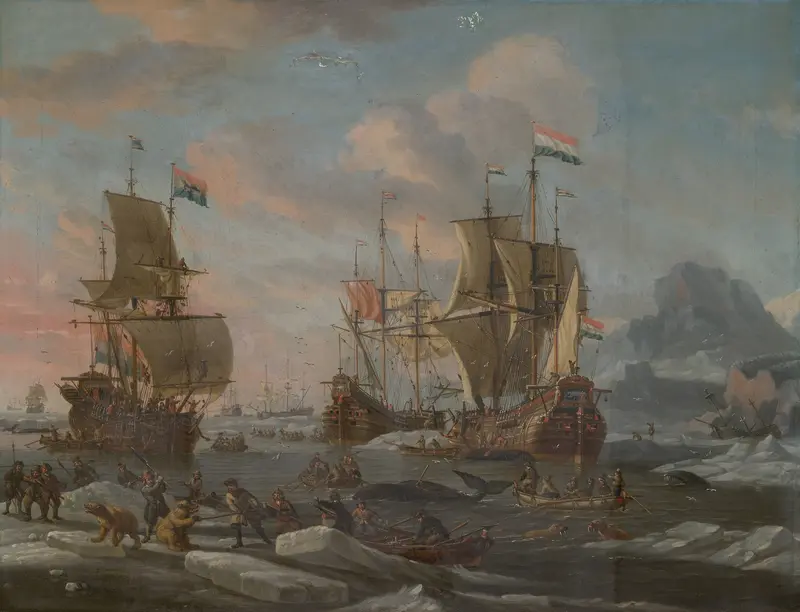
The Dutch Whaling Fleet
Abraham Storck
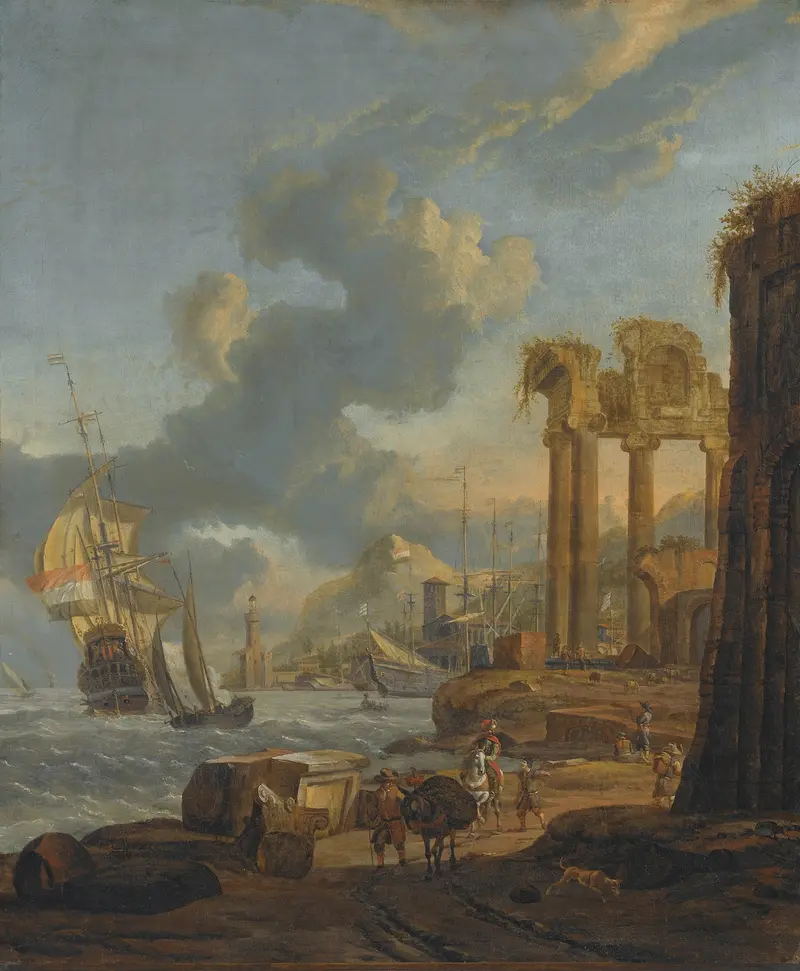
A Mediterranean Harbour Scene With Travellers On The Shore, A Dutch Man-Of-War On The Left
Abraham Storck
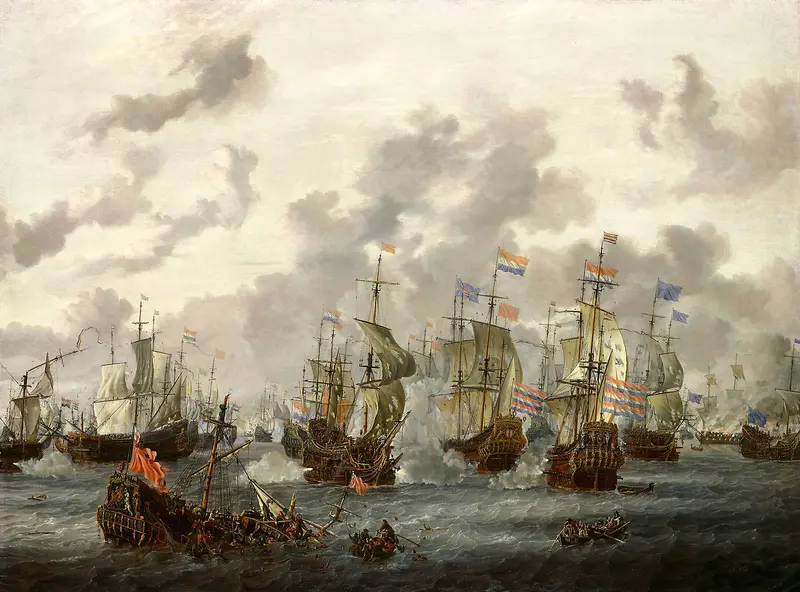
The Four Days’ Battle
Abraham Storck
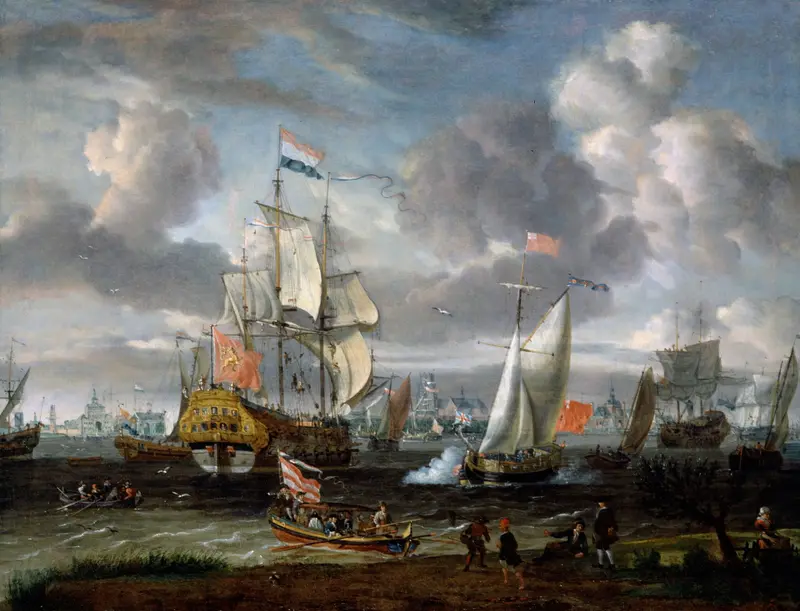
An English Yacht saluting a Dutch Man-of-War in the port of Rotterdam
Abraham Storck
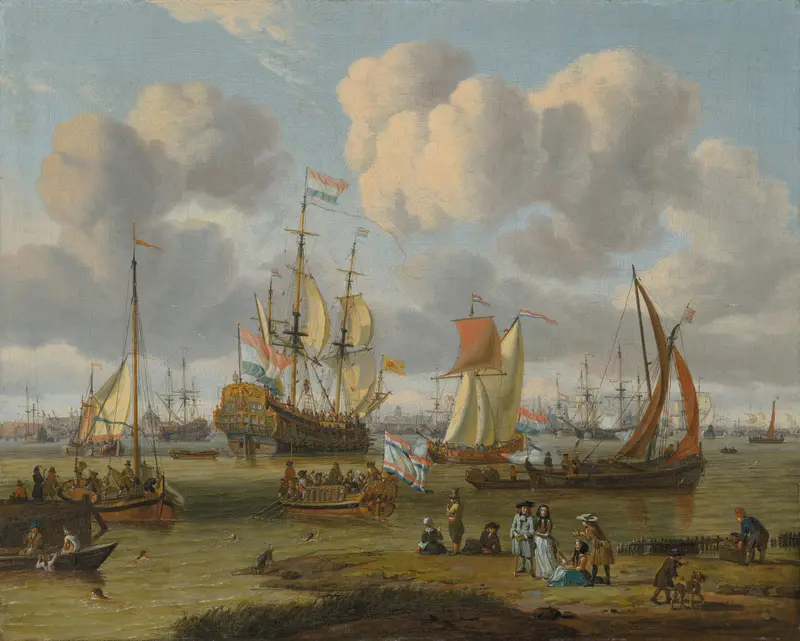
Shipping off Amsterdam with figures on a quay
Abraham Storck
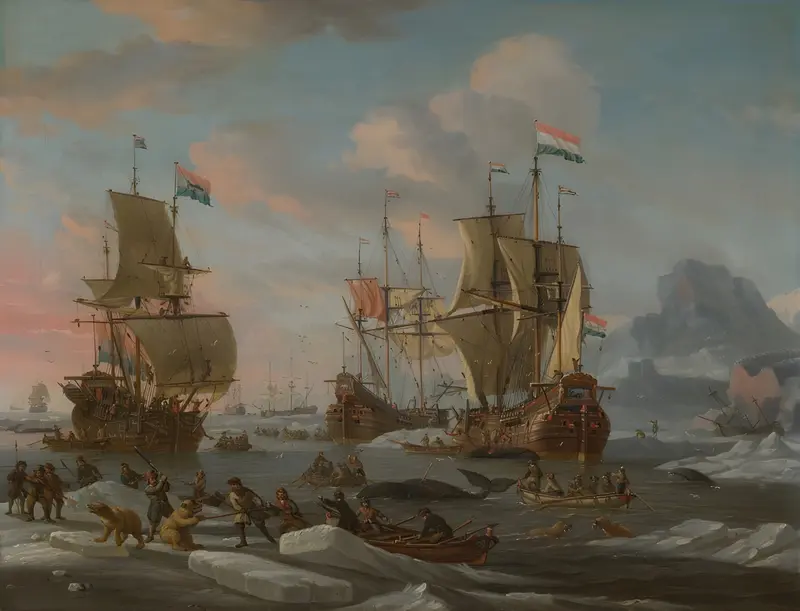
The Dutch Whaling Fleet
Abraham Storck
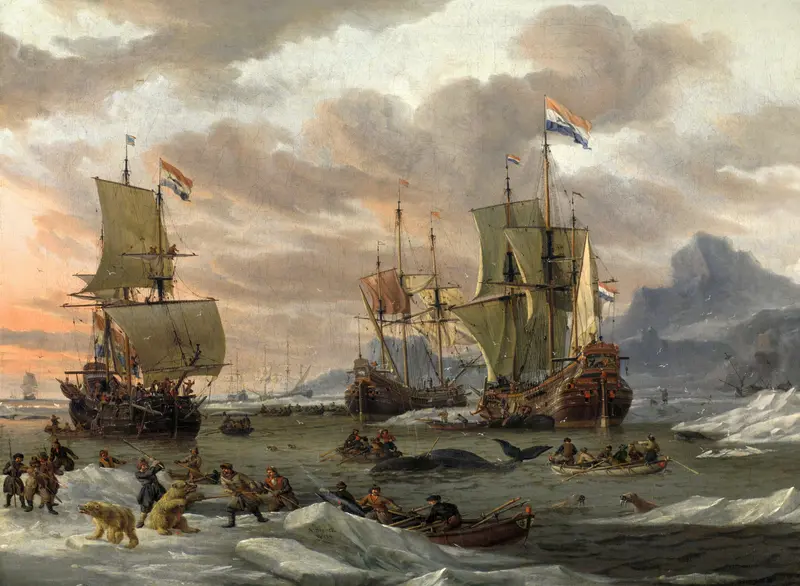
Whaling Grounds in the Arctic Ocean
Abraham Storck
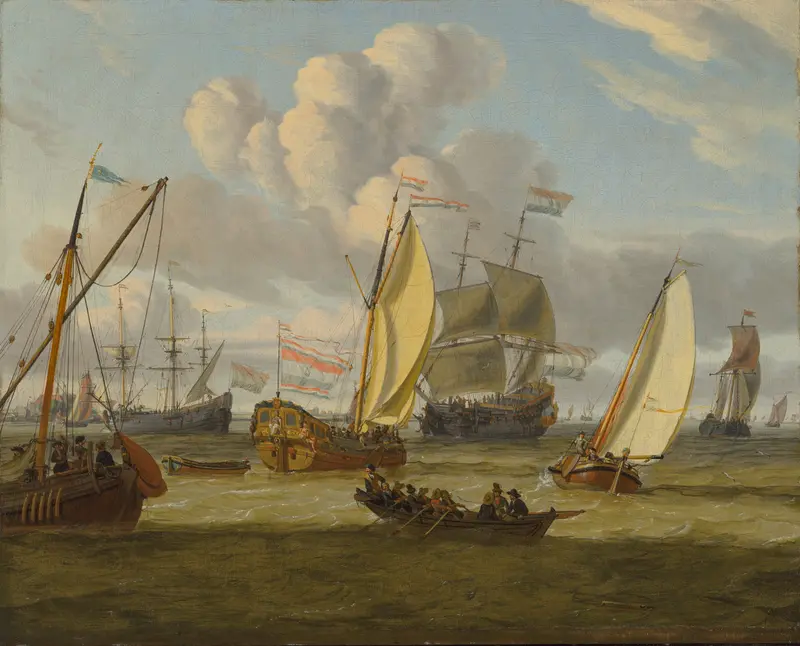
Shipping in an estuary
Abraham Storck
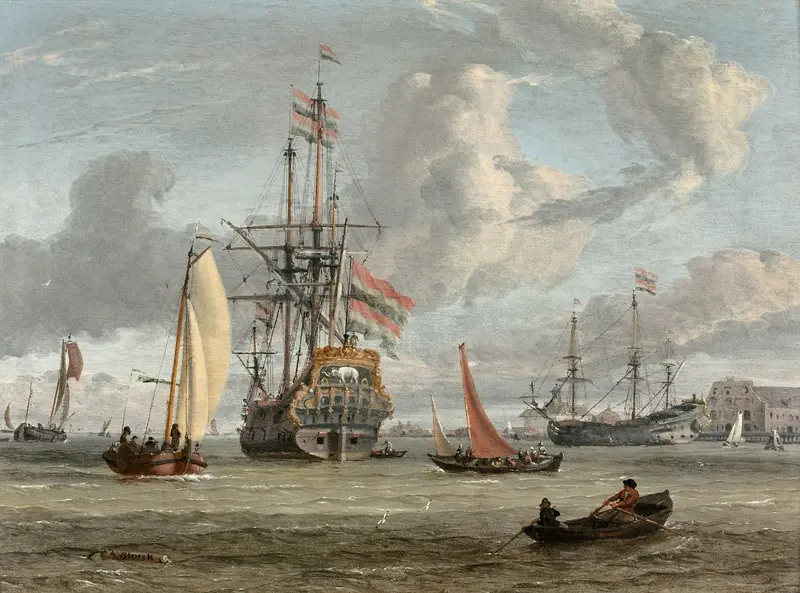
Grand navire de la couronne du Danemark près d’un littoral
Abraham Storck





