
Gezicht op een dorp met een huifkar — History & Facts
What secret hides in the quiet of the canvas? In the stillness of rural life, a legacy unfolds, whispering stories that linger in the air like the morning mist. Look to the left at the sturdy huifkar, its silhouette framed against a backdrop of soft earth tones. The careful brushwork captures both texture and movement, allowing the viewer to feel the gentle sway of the wagon as it traverses the village landscape. Notice how the light bathes the scene, illuminating the thatched rooftops and casting elongated shadows that stretch toward the horizon, suggesting the passage of time and the unyielding march of daily life. Delve deeper into the layers of this painting and consider the juxtaposition of serenity and toil.
The villagers, while engaged in their routines, seem both grounded and transient, caught between the comfort of home and the inevitability of change. The huifkar represents not just a means of transport but a vessel of stories and memories, embodying the delicate interplay between heritage and the fleeting nature of existence. Lucas van Uden created this work in the early 17th century, a period marked by the flourishing of Dutch Golden Age painting. Living in Antwerp, he was influenced by the burgeoning interest in realism and the intimate portrayal of everyday life.
As artists began to explore themes of landscape and genre, this piece stands as a testament to the era's celebration of the ordinary, inviting the viewer to reflect on the lasting impact of their own legacies.
More Artworks by Lucas van Uden
Browse all →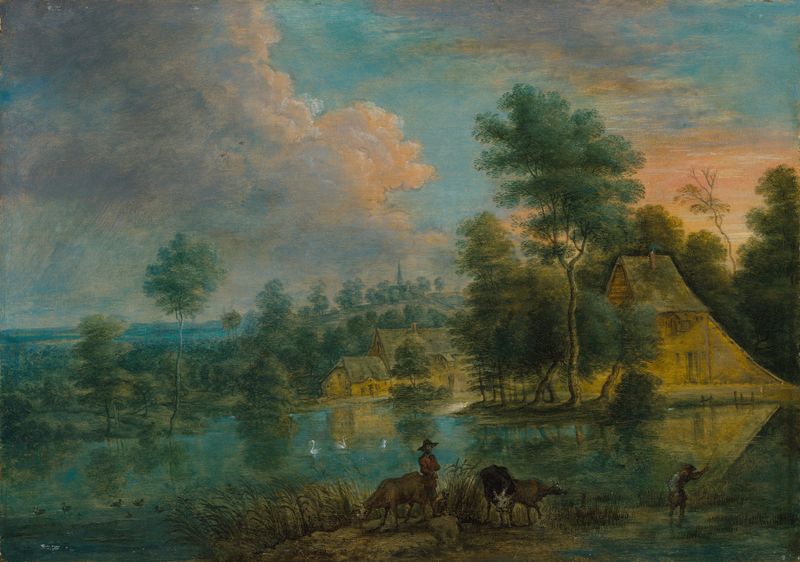
A river landscape with travellers
Lucas van Uden
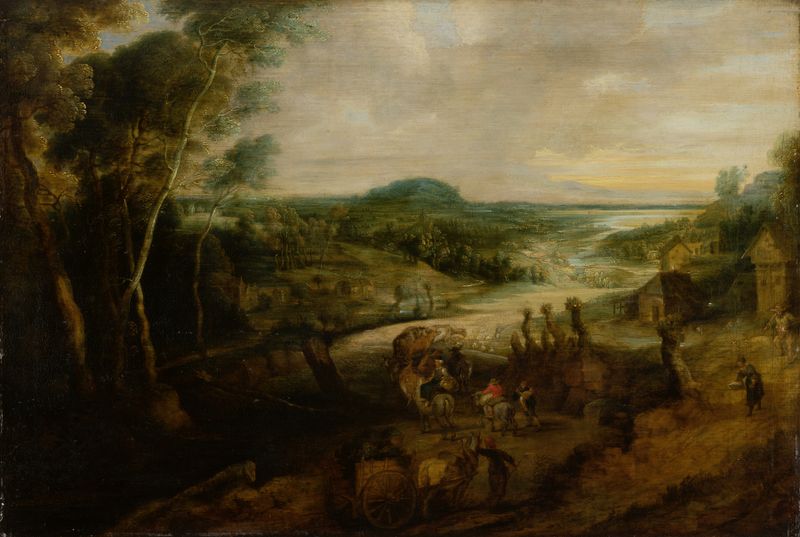
River Landscape with Peasants on the Way to Market
Lucas van Uden
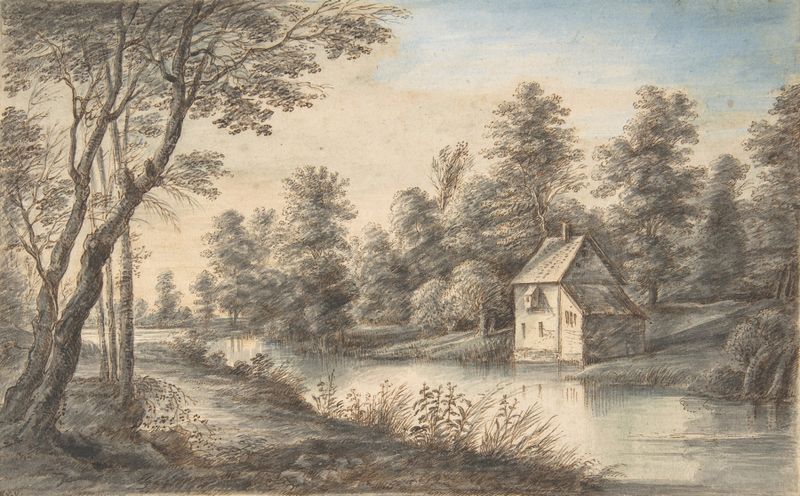
Wooded Landscape with a House beside a River
Lucas van Uden
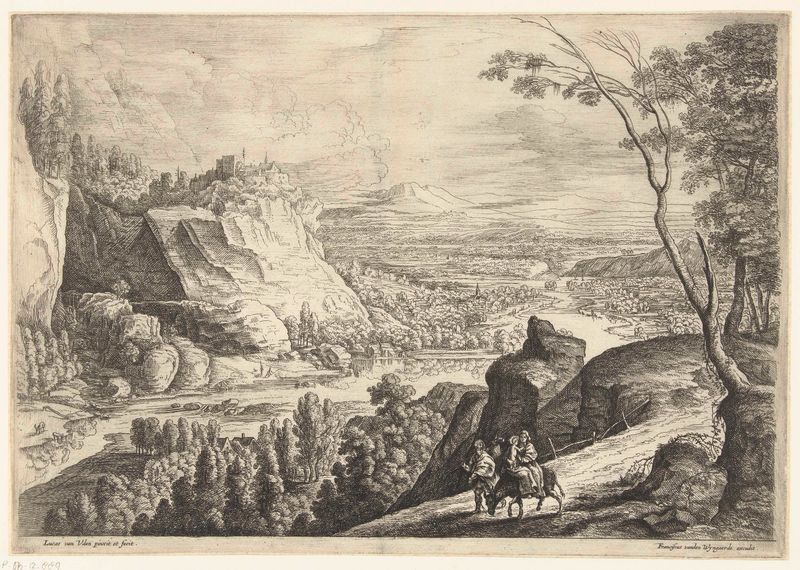
Landschap met de vlucht naar Egypte
Lucas van Uden
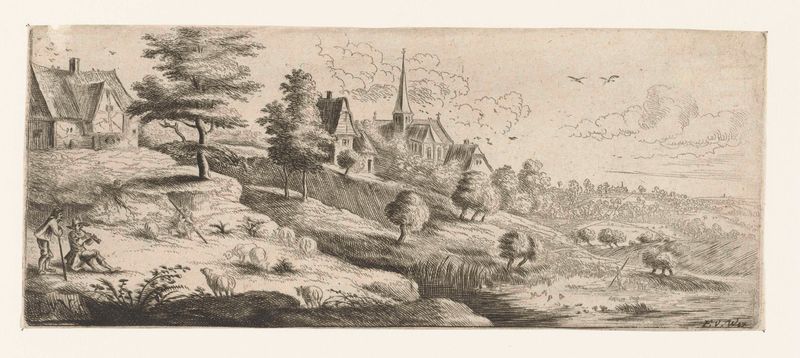
Landschap met een dorp en een schalmei spelende man
Lucas van Uden
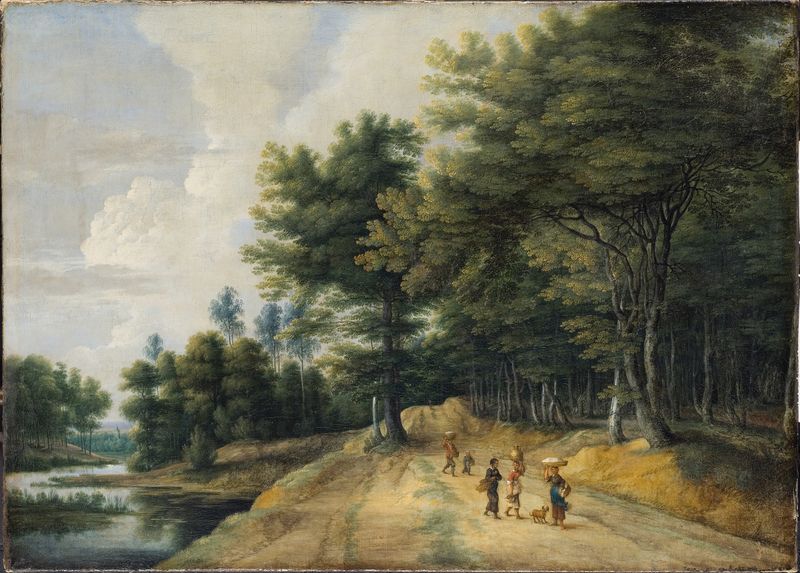
Landscape with a Road through a Wood of Beeches
Lucas van Uden
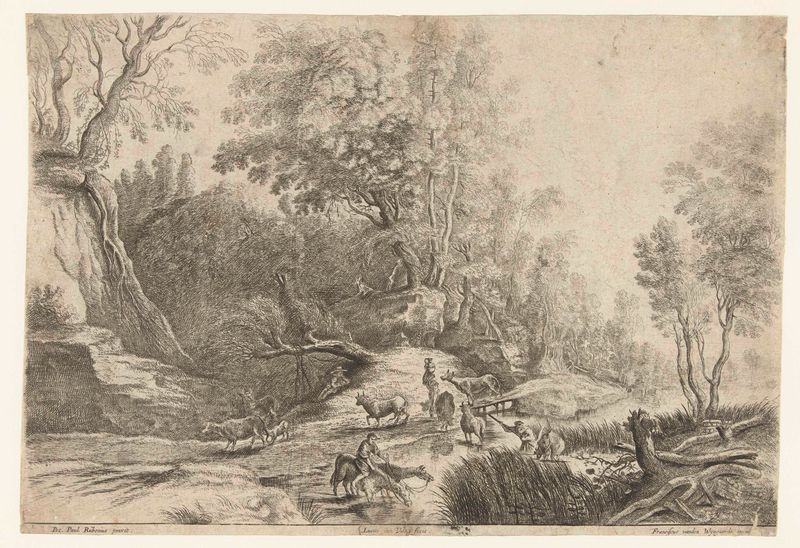
Paarden en koeien bij een drinkplaats
Lucas van Uden
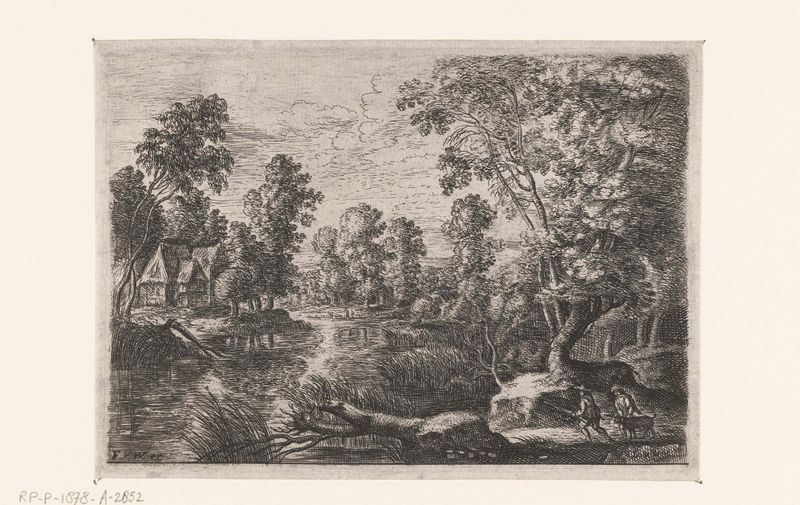
Landschap met een beek en een jager
Lucas van Uden
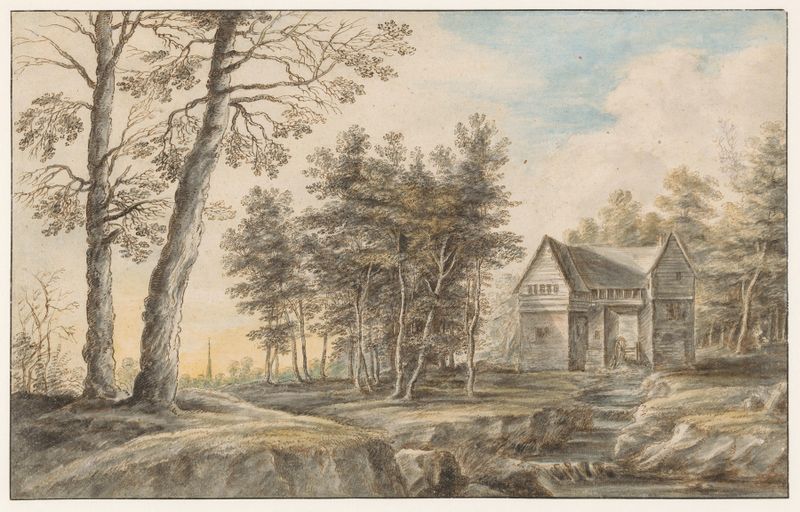
Landschap met een watermolen
Lucas van Uden
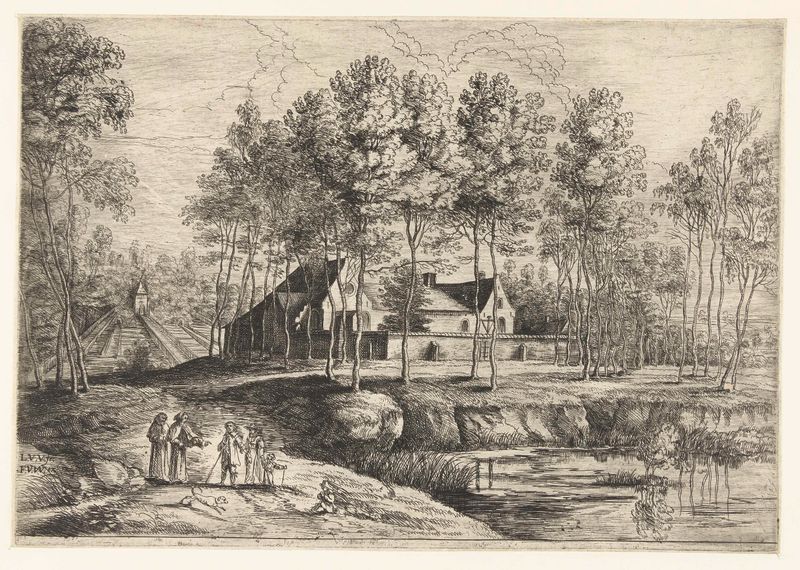
Gezicht op het kapucijnenklooster te Tervuren
Lucas van Uden





