
Gezicht op Golf van Napels vanaf kade bij kerk Santa Maria del Carmine — History & Facts
Can beauty exist without sorrow? This question lingers in the air as one gazes upon the tranquil yet tumultuous vista before them. Look to the center of the composition, where the shimmering waves of the Gulf of Naples stretch endlessly beneath a sky mottled with soft pinks and grays. The artist masterfully employs a soft palette, seamlessly blending hues that evoke both serenity and underlying tension. Notice the gentle brushstrokes that bring life to the rippling water while the distant silhouette of Mount Vesuvius looms ominously, a subtle reminder of nature’s volatile power.
The light dances across the surface, creating a shimmering effect that draws the eye, yet the shadows cast by the church’s façade hint at somber truths beneath the surface. As you absorb the scene, consider the contrasting elements at play. The peaceful harbor, alive with boats and figures, belies the turbulent history of this region — a land shaped by destruction and rebirth. The warmth of the sunlight, battling the dark undertones of the surrounding landscape, serves as a metaphor for human resilience amidst chaos.
Each aspect of the painting reflects a duality: the beauty of the moment coexists with the latent violence of the past, leading viewers to ponder the fragile line between joy and despair. In 1778, when this work was created, Ducros was navigating a transformative period in both his life and the world of art. Based in Italy, he was immersed in the Neoclassical movement, focusing on landscape and realism, and his carefully rendered scenes captured the breathtaking yet dangerous beauty of Southern Italy. This piece emerges from a time of growing interest in nature's sublime power, paralleling the tumultuous atmosphere of European politics where revolutions brewed and stability seemed forever fragile.
More Artworks by Abraham-Louis-Rodolphe Ducros
Browse all →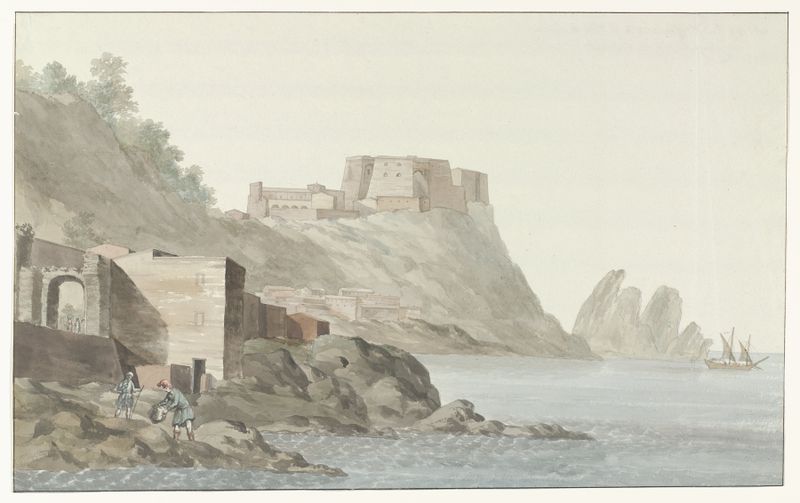
Rots en stad Scilla in de regio Calabrië aan de oostkust
Abraham-Louis-Rodolphe Ducros
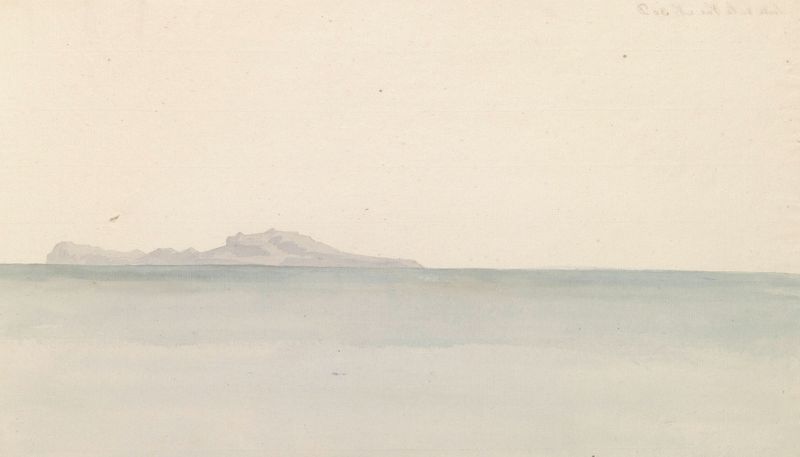
Gezicht op Golf van Napels vanaf kade bij kerk Santa Maria del Carmine
Abraham-Louis-Rodolphe Ducros
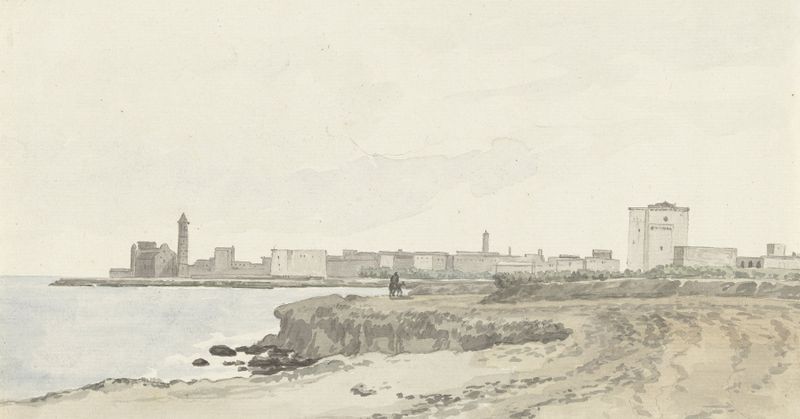
Gezicht op Trani gelegen aan de kust
Abraham-Louis-Rodolphe Ducros
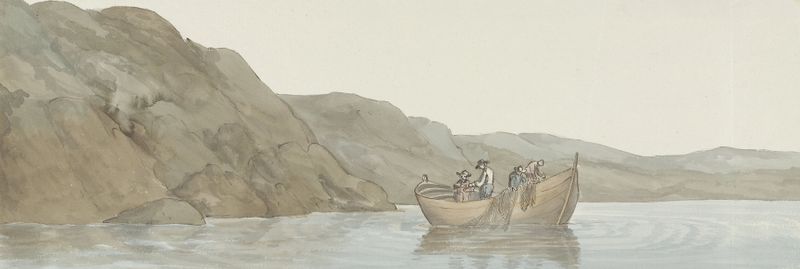
Gezicht op Kaap Paceco in Calabrië nabij de stad Scilla
Abraham-Louis-Rodolphe Ducros
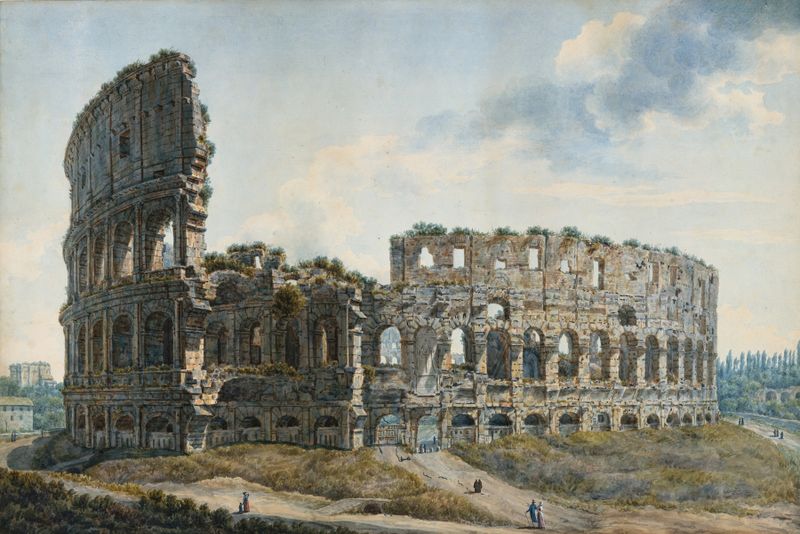
The Colosseum, Rome.
Abraham-Louis-Rodolphe Ducros
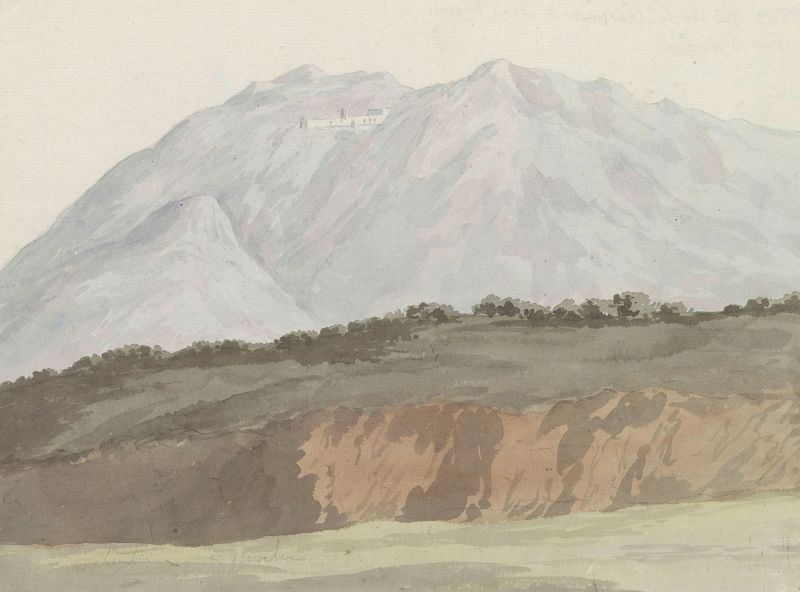
Gezicht op kartuizerklooster van Monte Vergine hoog gelegen boven Avellino
Abraham-Louis-Rodolphe Ducros
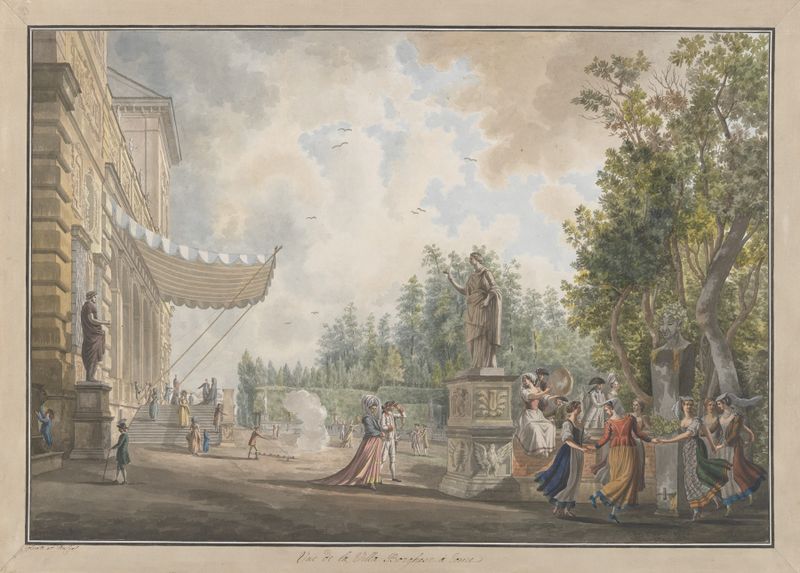
Villa Borghese
Abraham-Louis-Rodolphe Ducros
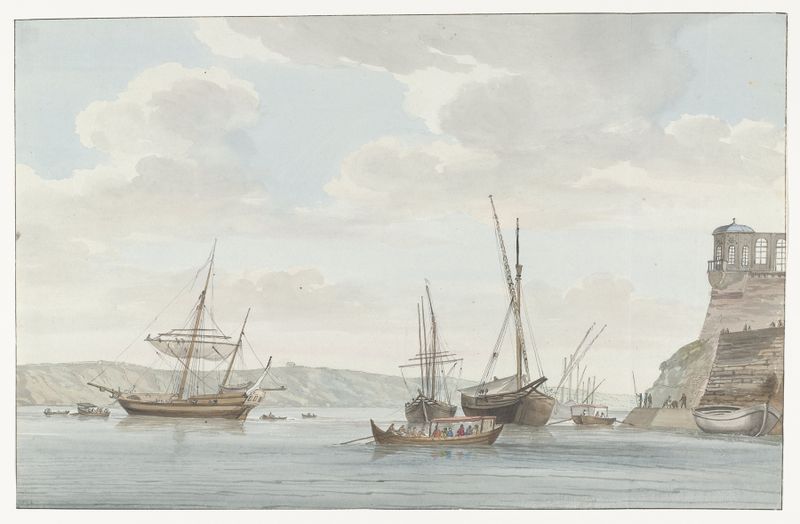
Tuinhuis van de Jardin du Grand Maître uittorend boven de haven met galei schepen op Malta
Abraham-Louis-Rodolphe Ducros
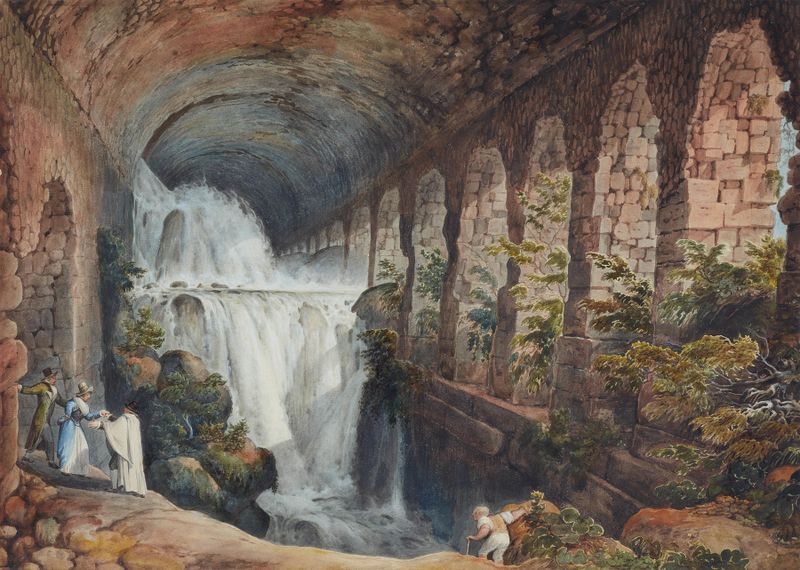
Aquädukt unter der Villa des Maecenas in Tivoli
Abraham-Louis-Rodolphe Ducros
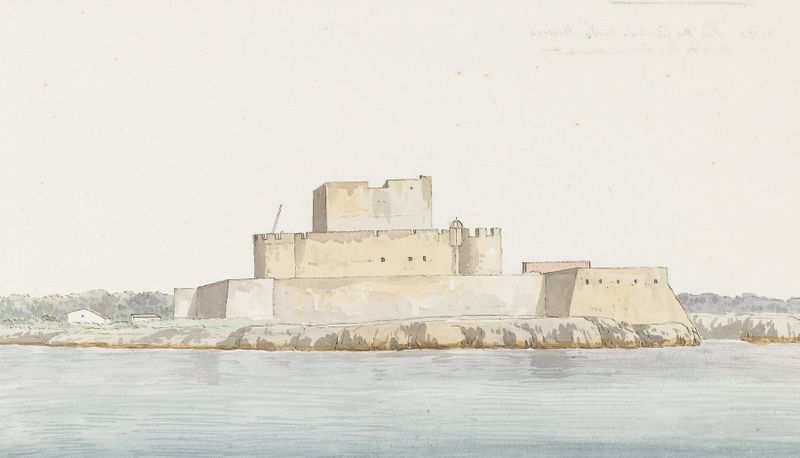
Gezicht op kasteel van San Mauro la Bruca vanaf zee bij aankomst
Abraham-Louis-Rodolphe Ducros





