
Gezicht te Rome — History & Facts
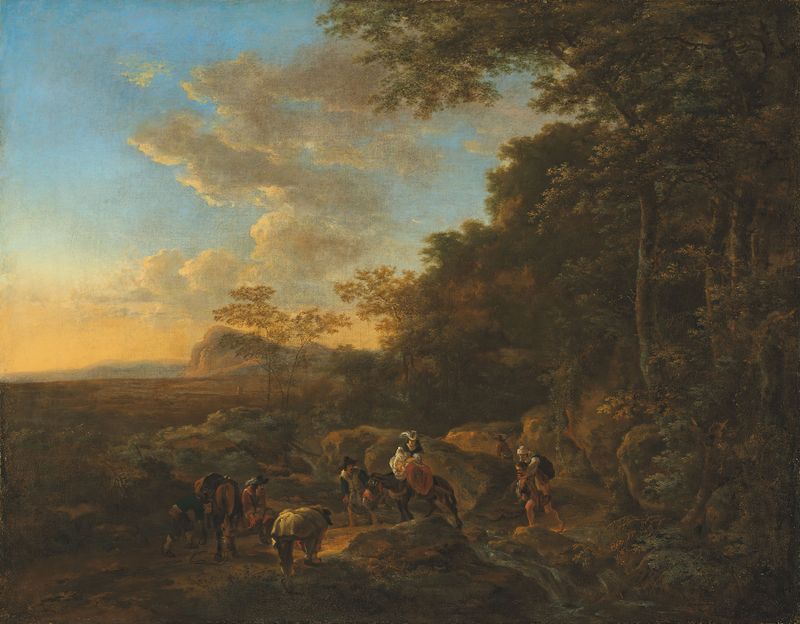
In the delicate balance of memory and legacy, a captured moment can transcend the boundaries of time and place. Look to the foreground where a serene river glimmers under the soft embrace of twilight. The distant hills cradle the ancient city of Rome, rising majestically into a dusk-tinged sky. The artist employs a harmonious palette of warm ochres and gentle blues, contrasting the vibrant life of the bustling city with the tranquil waters below.
Notice the gentle brushstrokes that guide the eye towards the subtle reflections on the water, inviting contemplation of the past and the relentless flow of time. The juxtaposition of movement and stillness is palpable; the soft waves ripple against a backdrop of grand architecture, suggesting both the permanence of Rome's monuments and the fleeting nature of human life. Each figure in the scene, whether depicted in animated conversation or lost in thought, speaks to the enduring legacy of the city itself. The painting captures not just a view, but the essence of history, revealing the interplay of human ambition and the inevitable passage of time. Jan Both created this work during a period of great artistic exploration in the 17th century, a time when landscape painting began to flourish in the Netherlands.
Working in Italy between 1628 and 1652, he found inspiration in the grandeur of the Roman landscape. This painting reflects his deep engagement with the classical ideals of beauty and the natural world, anchoring his legacy as a pivotal figure in the development of landscape art.
More Artworks by Jan Both
Browse all →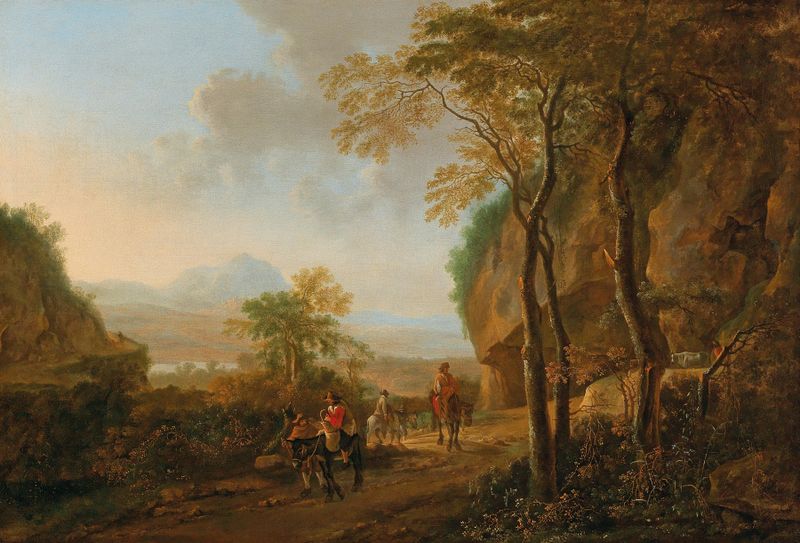
An Italianate landscape with travellers
Jan Both
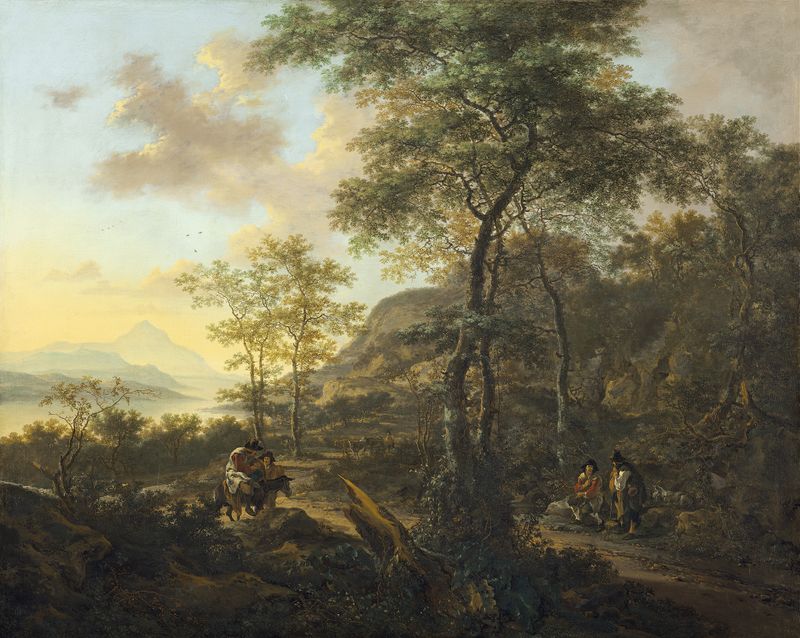
An Italianate Evening Landscape
Jan Both
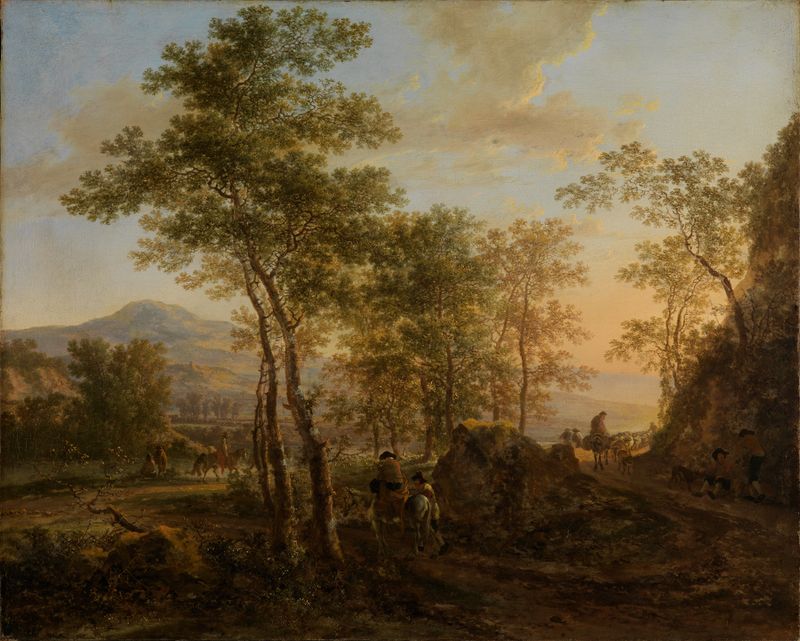
Italienische Landschaft am Abend
Jan Both
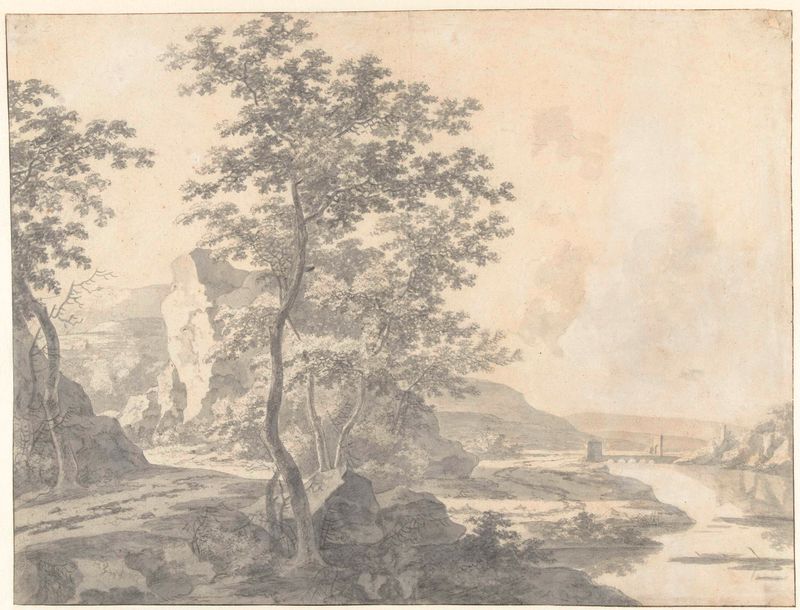
Italiaans landschap
Jan Both
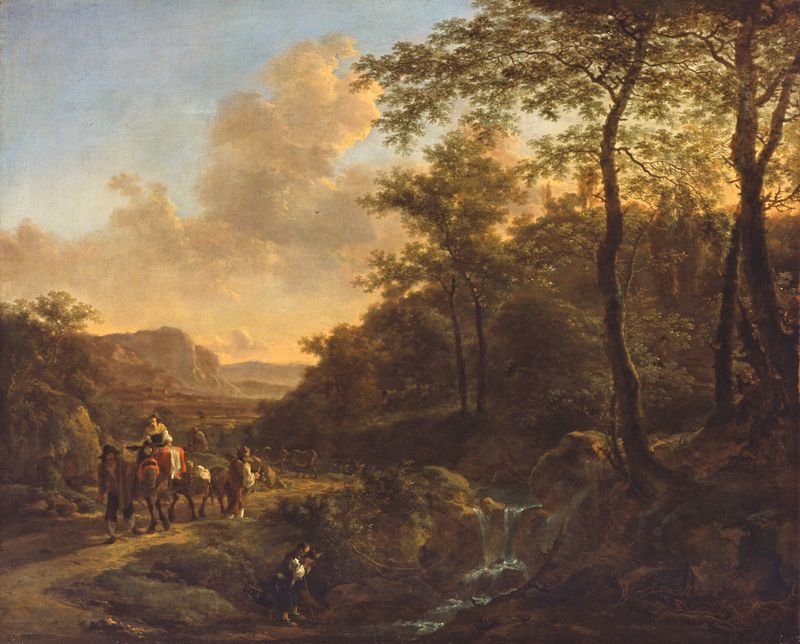
Scene of the Roman Campagna
Jan Both
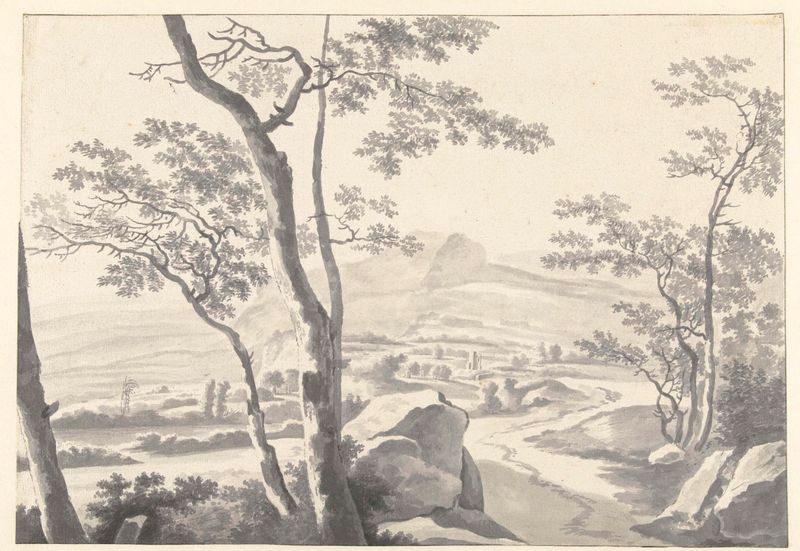
Landschap
Jan Both
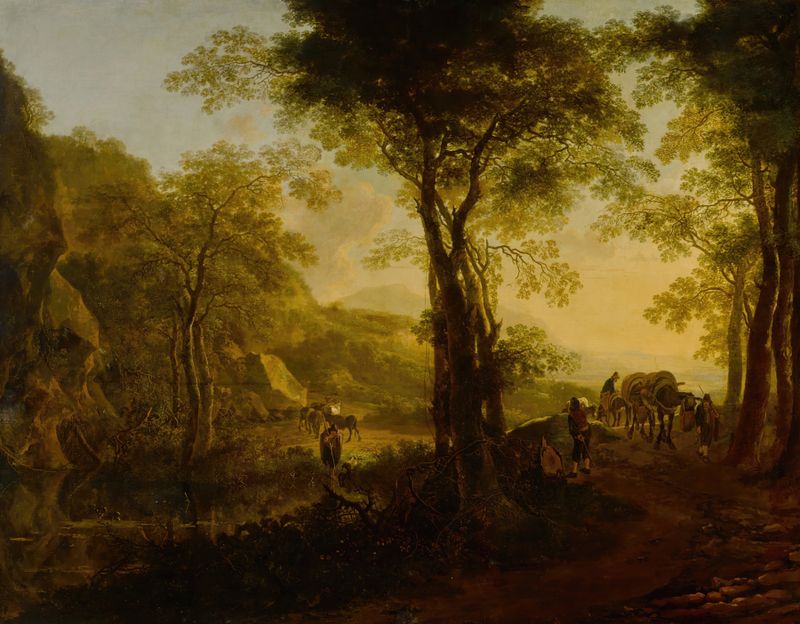
Italianate landscape at sunset, with travelers on a country road
Jan Both
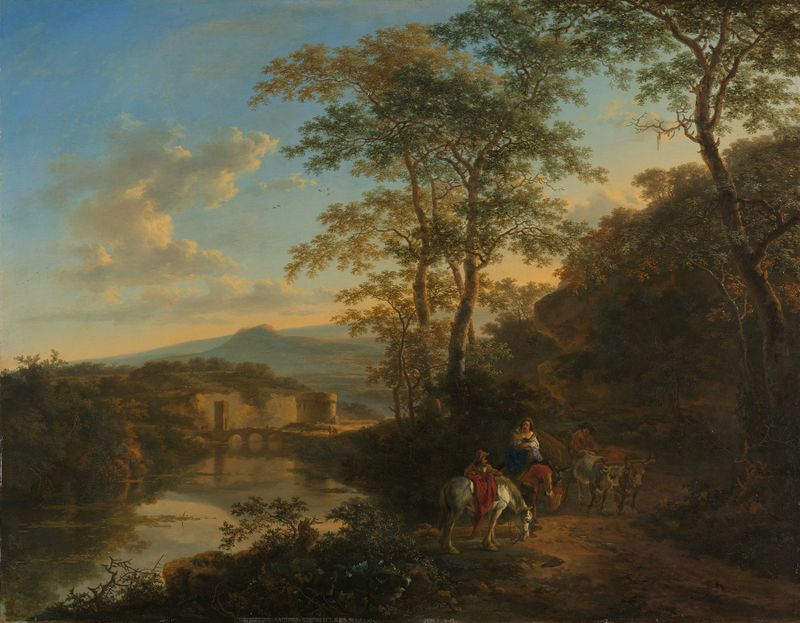
Italian Landscape with the Ponte Lucano over the Aniene River
Jan Both
A wooded landscape with travellers crossing a ford
Jan Both

Italian Landscape
Jan Both





