
Ghost Cypress — History & Facts
In the interplay of light and shadow, the essence of life dances through the spaces we often overlook. Focus on the center of the canvas, where a haunting cypress tree stands, both solitary and monumental. The rich, deep greens of its foliage contrast with a soft, enveloping mist that swirls around the base, blurring the lines between reality and reverie. Notice how the light seeps through the branches, creating patterns that evoke a sense of both comfort and unease, as if the tree holds secrets waiting to be uncovered. Beneath the surface, the artwork speaks to themes of memory and transience.
The ethereal quality of the shadows suggests a fleeting presence, hinting at the ghosts of the past that linger in our lives. The juxtaposition of the solid trunk against the ephemeral mist evokes a tension between permanence and impermanence, drawing us into a deeper contemplation of our own existence and the remnants we leave behind. During the years 1914 to 1925, the artist worked in the United States when the world was grappling with the aftermath of World War I, a time marked by both loss and reflection. Haskell was immersed in the American art scene, influenced by the burgeoning movements of modernism and nature's quiet resilience, which shaped the emotional landscape of his work.
In Ghost Cypress, he captures this duality, presenting a world that is both haunting and beautiful.
More Artworks by Ernest Haskell
Browse all →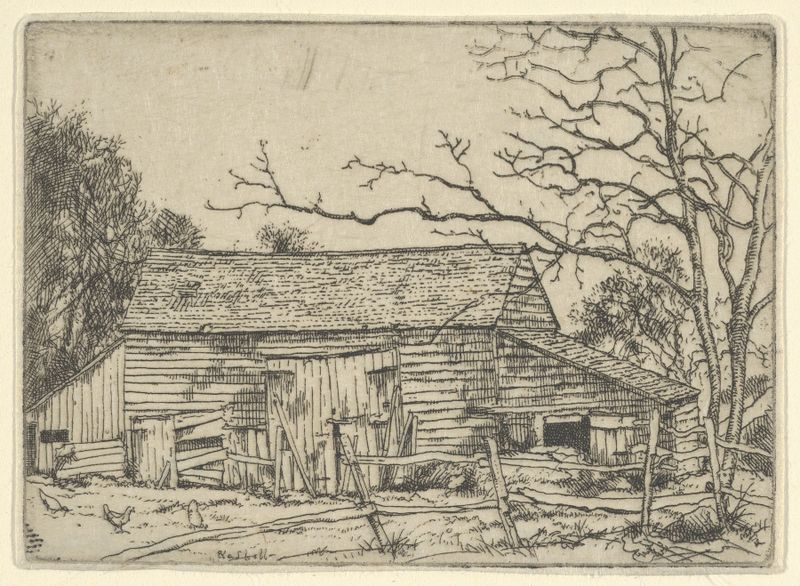
The Barn–Staten Island, N.Y.
Ernest Haskell

Four Live Oaks
Ernest Haskell
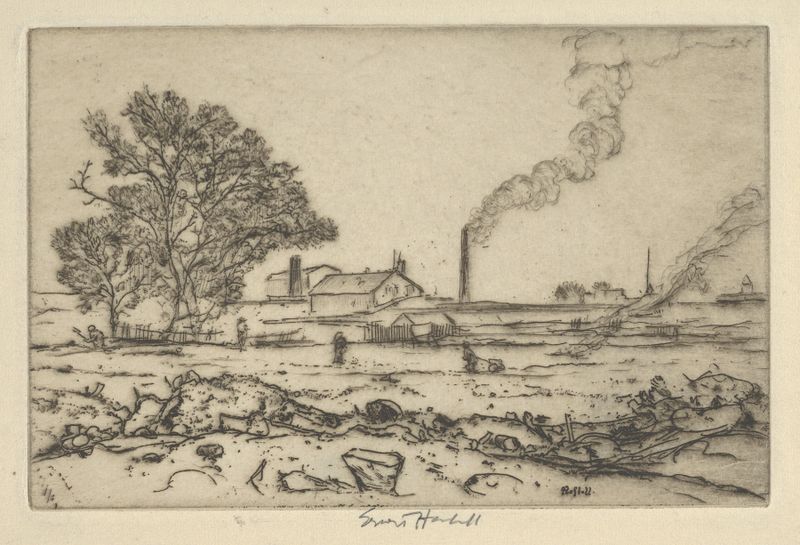
Outskirts of Boston
Ernest Haskell
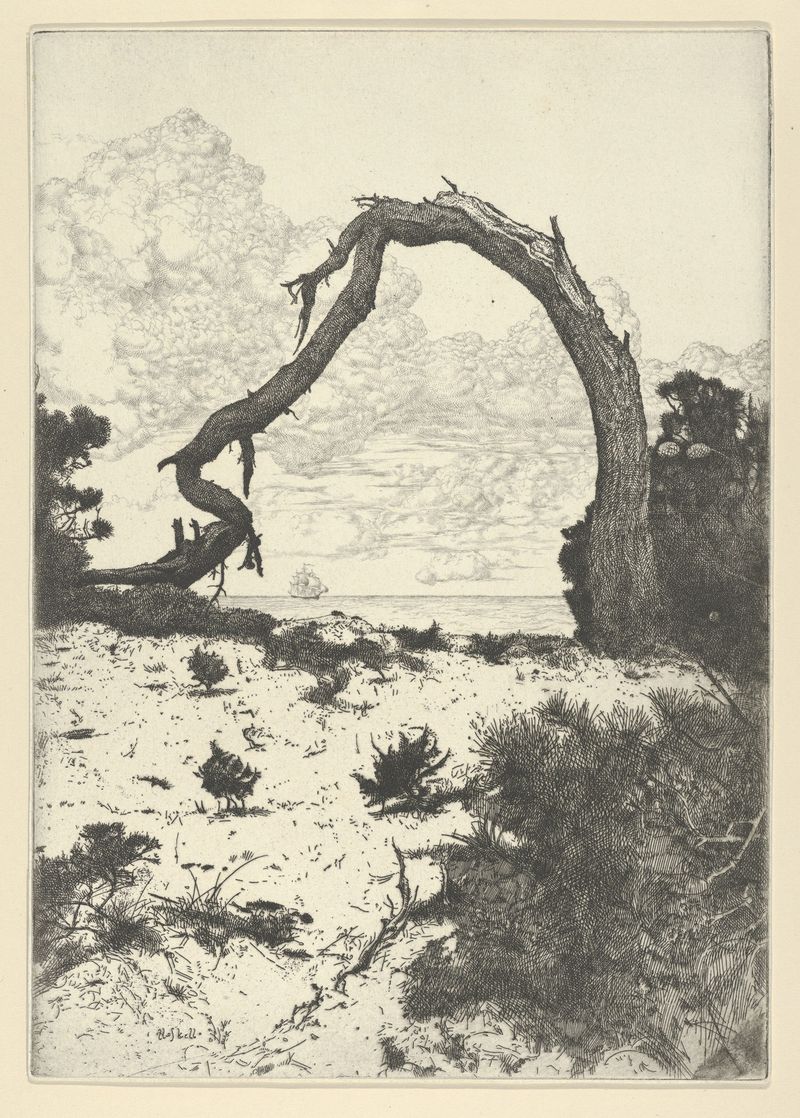
Pine Arch
Ernest Haskell

General Sherman
Ernest Haskell
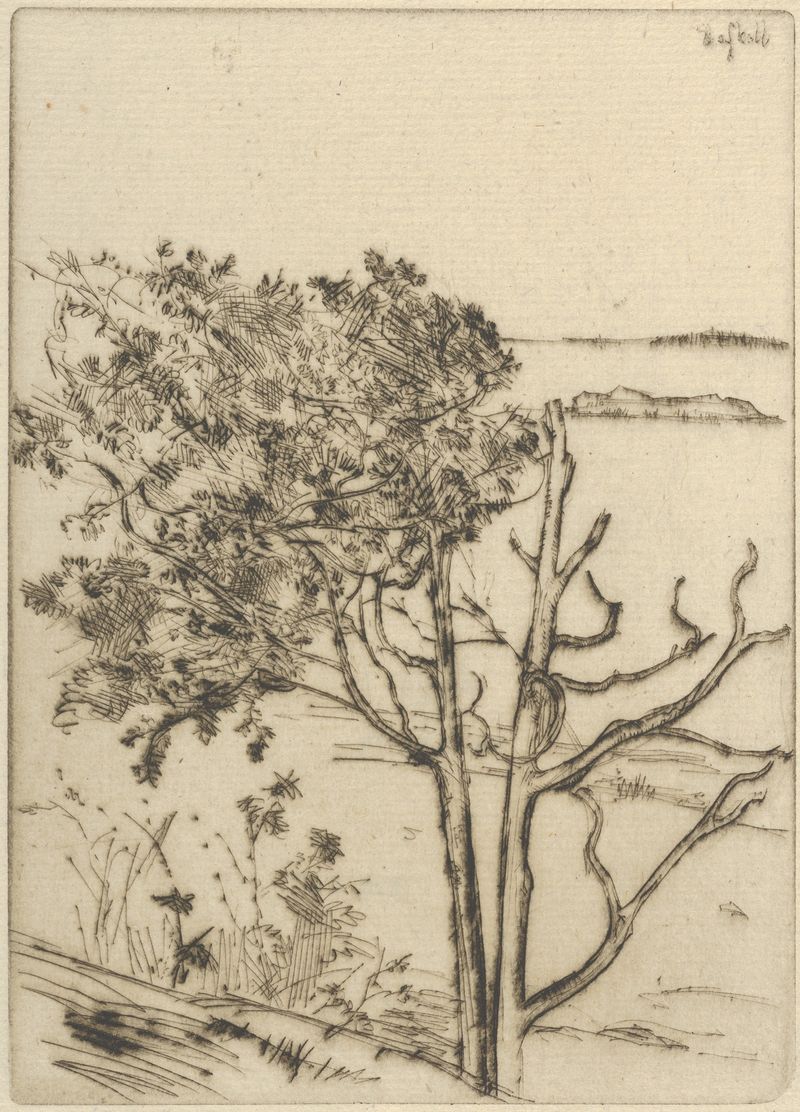
Ragged Tree – Maine
Ernest Haskell

Tide Mill
Ernest Haskell

Ship Building
Ernest Haskell
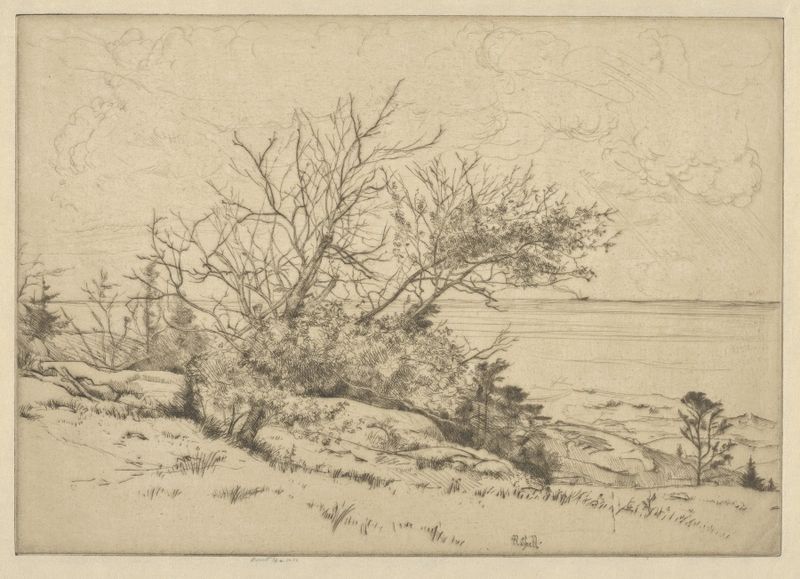
To the Southward – Ragged Island, Me.
Ernest Haskell
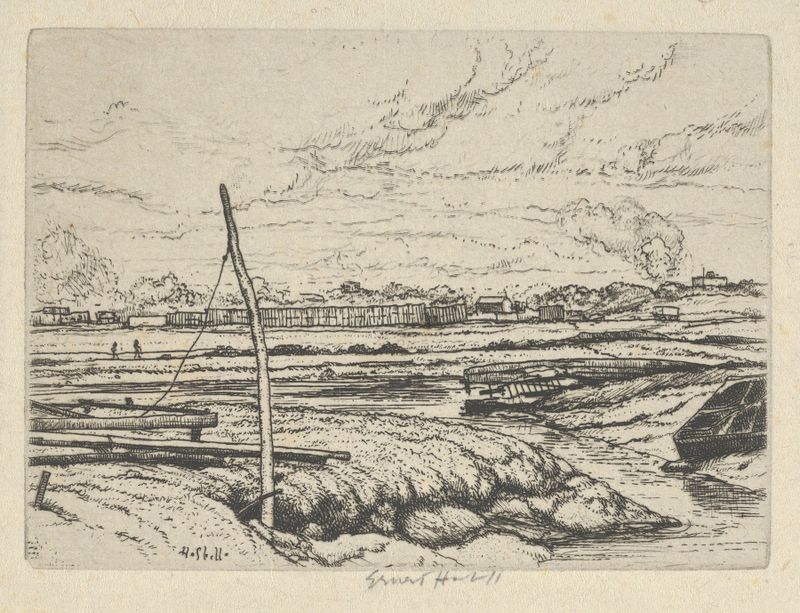
Long Island Marshes
Ernest Haskell





