
Giant Mountains Landscape with Rising Fog — History & Facts
A hush falls over the scene, as if the world is holding its breath while morning fog weaves through the valleys. The eye is drawn first to the gentle layering of the mountains, each ridge receding into softer focus, their forms dissolving into pale light. In the foreground, a solitary, leafless tree stands like a sentinel—its twisted branches a stark counterpoint to the rolling, mist-shrouded slopes behind it.
The play of light here is deliberate: the dark earth anchors us, while the luminous haze pulls us upward and inward, inviting the viewer to lose themselves in the unfolding distance. Every detail—the subtle gradations of color, the careful placement of trees—works to heighten a sense of longing and quiet awe. Painted in 1819, at the height of Romanticism, this landscape by Caspar David Friedrich reflects the era’s fascination with nature as a realm of mystery and introspection. In the early nineteenth century, such works were often commissioned by collectors seeking not just a record of place, but an invitation to contemplation.
The Giant Mountains Landscape with Rising Fog now belongs to the Bayerische Staatsgemäldesammlungen, a reminder of how these images were cherished both as art and as windows onto the soul of the natural world. History has kept few traces of this particular painting’s journey, but its atmosphere still urges us to pause, breathe, and look again.
More Artworks by Caspar David Friedrich
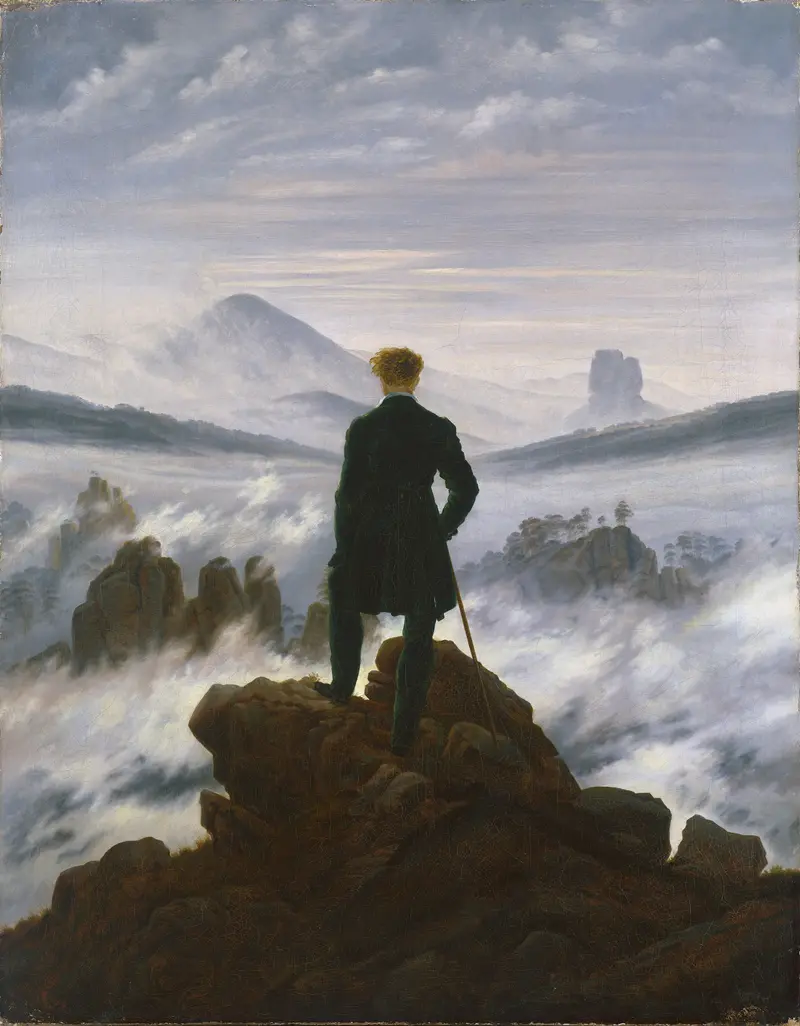
Wanderer above the Sea of Fog
Caspar David Friedrich

The Sea of Ice
Caspar David Friedrich
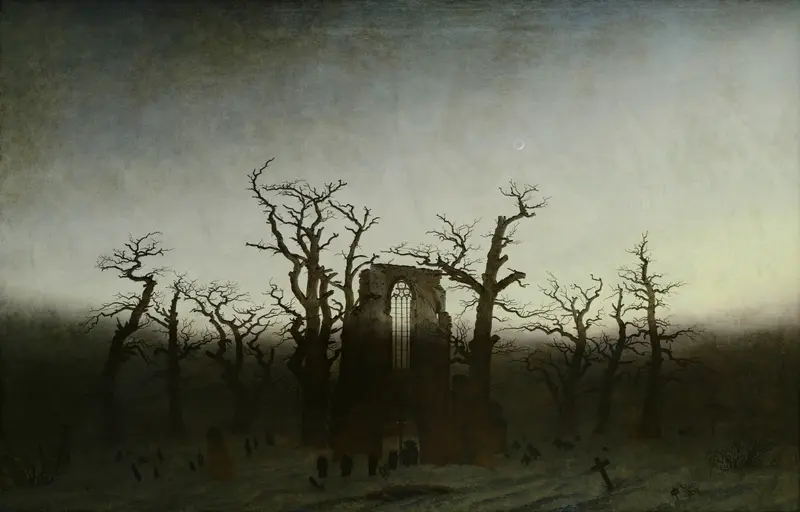
The Abbey in the Oakwood
Caspar David Friedrich
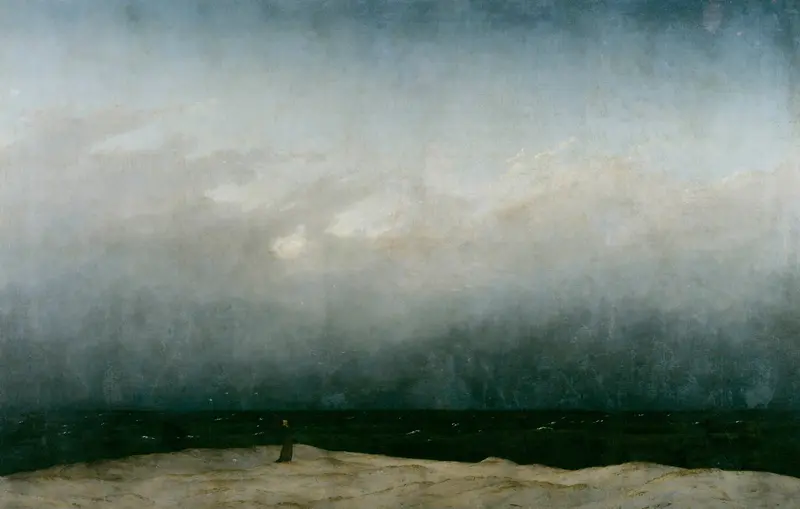
The Monk by the Sea
Caspar David Friedrich
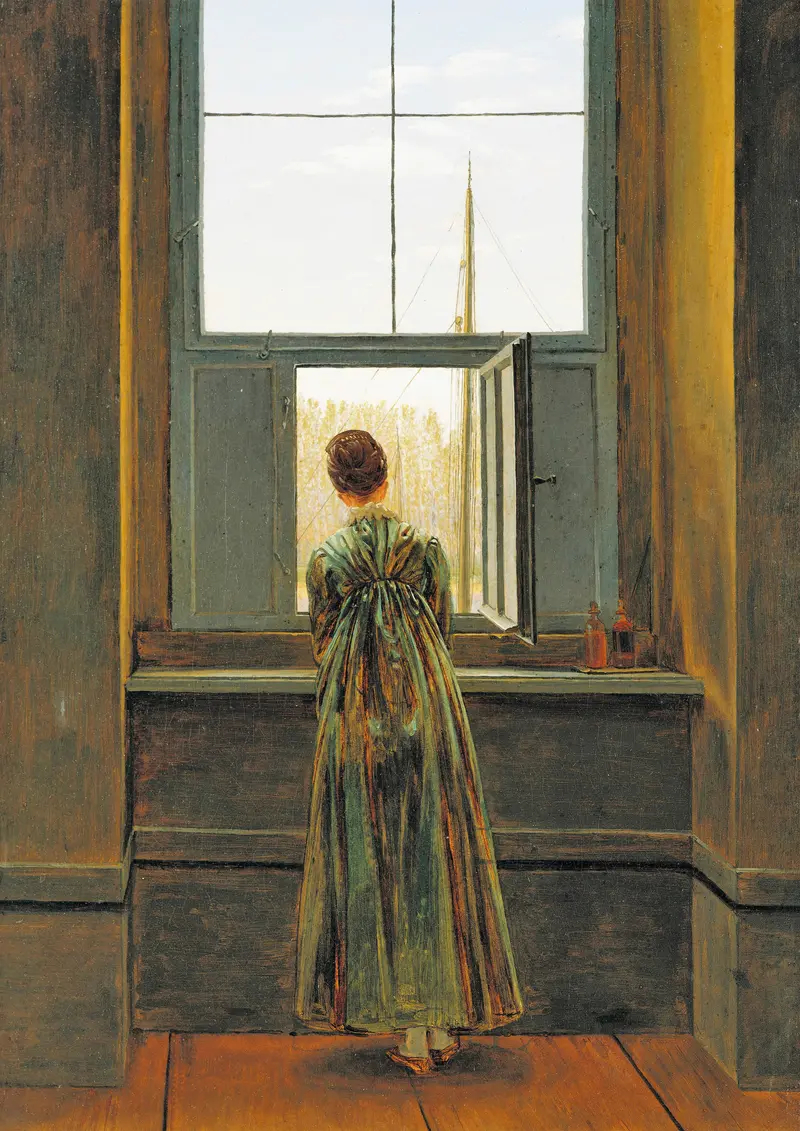
Woman at a Window
Caspar David Friedrich
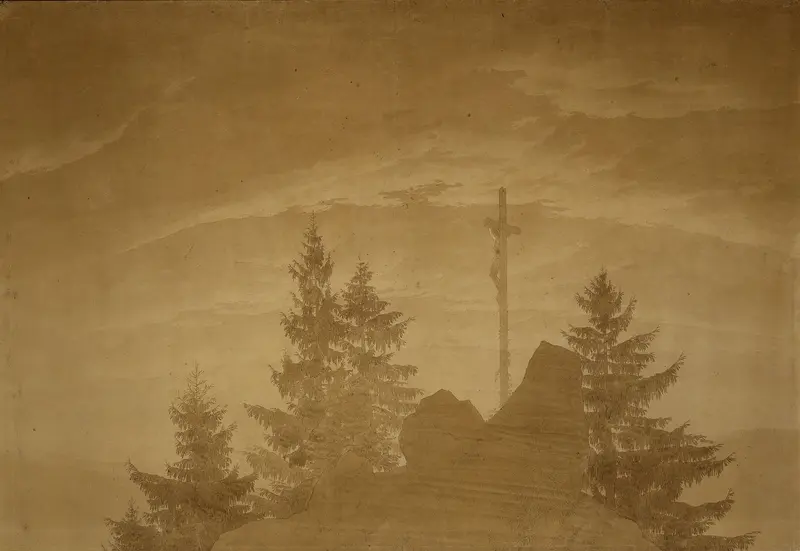
Cross in the Mountains
Caspar David Friedrich
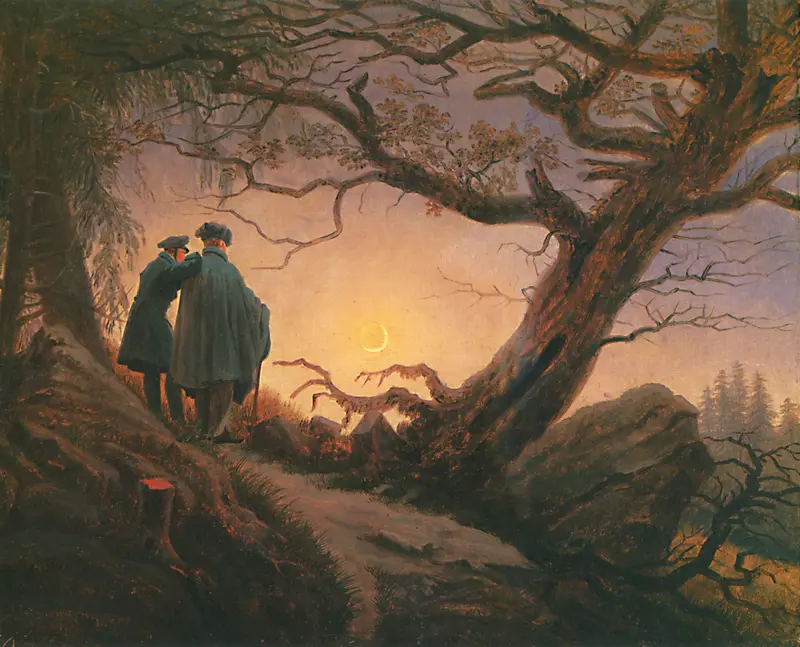
Two Men Contemplating the Moon
Caspar David Friedrich
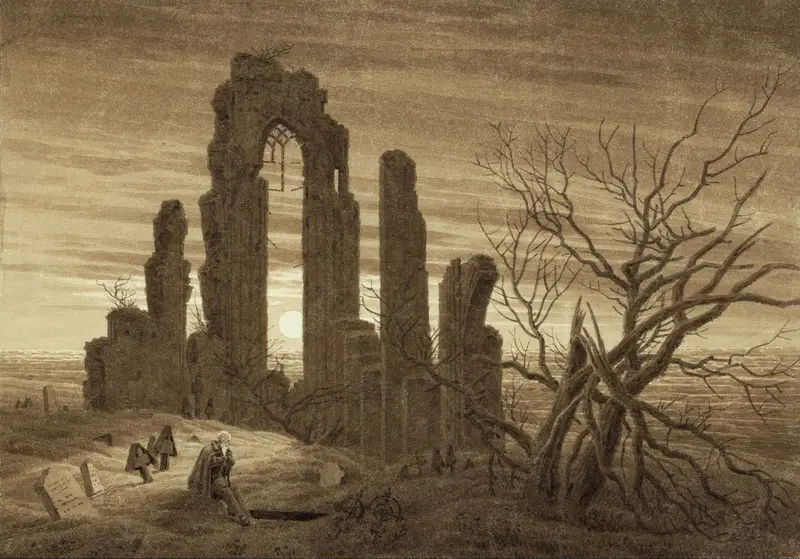
Winter – Night – Old Age and Death (from the times of day and ages of man cycle of 1803)
Caspar David Friedrich
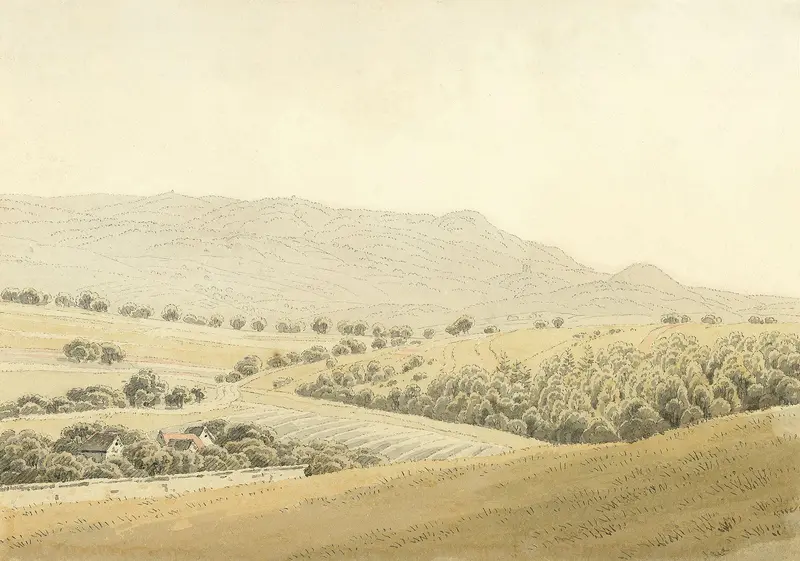
Mittelgebirgslandschaft
Caspar David Friedrich

Landschaft mit gebirgsee, morgen
Caspar David Friedrich
More Landscape Art

The Starry Night
Vincent van Gogh

View of Delft
Johannes Vermeer

Water Lilies
Claude Monet

The Grand Canal, Venice, looking north-west from the Ca' Corner to the Ca' Contarini degli Scrigni, with the campanile of Santa Maria della Carità
Canaletto

Windsor Castle
Canaletto

The Grand Canal looking North-East from the Palazzo Dolfin-Manin to the Rialto Bridge
Canaletto