
Giant Sycamore — History & Facts
In the heart of stillness, grief whispers through the gnarled branches of life’s enduring witnesses, reminding us of the weight of what we have lost. Observe the monumental tree at the center, its vast trunk inviting you to explore the intricacies of its bark, which capture shadows and light. Look closely at the intertwining limbs reaching outward, almost as if they’re yearning for connection, while the muted colors convey a sense of nostalgia—a palette of earth tones that evokes the passage of time. The soft brushstrokes harmonize with the majestic form, allowing for a profound sense of presence and absence to coexist within the frame. The tension between strength and vulnerability resonates in the knots and splits of the bark, revealing a history of endurance through storms and seasons.
This tree stands as a metaphor for resilience in the face of grief, each leaf a reminder of memories both cherished and lost. The surrounding emptiness adds to the somber atmosphere, evoking a quiet reflection on mortality and the weight of existence. In the years surrounding the creation of this work, the artist was immersed in a world marked by conflict and upheaval, reflecting the broader societal struggles of the time. Painted between 1915 and 1925, this piece emerged during a period of great change, as the echoes of World War I reverberated through the art world.
Haskell’s focus on nature and its capacity to embody human emotion reveals his introspective approach amid a chaotic world, offering a sanctuary where grief can be acknowledged and understood.
More Artworks by Ernest Haskell
Browse all →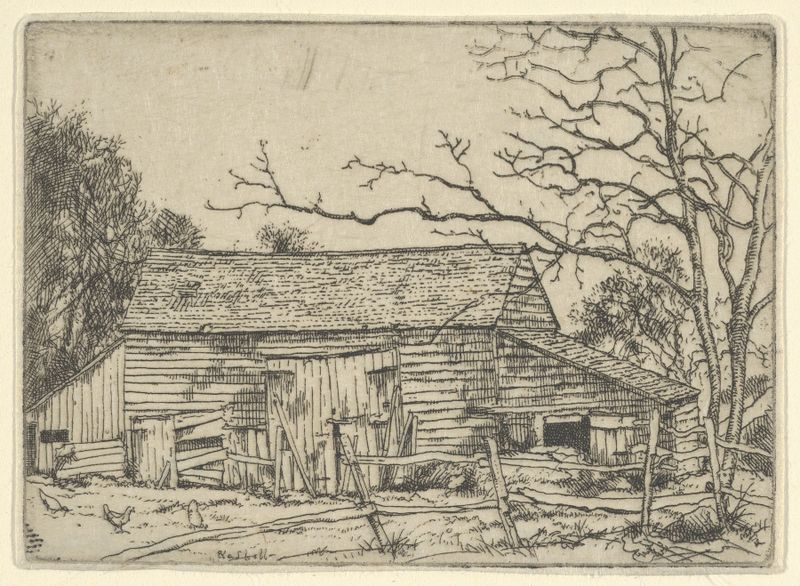
The Barn–Staten Island, N.Y.
Ernest Haskell

Four Live Oaks
Ernest Haskell

Outskirts of Boston
Ernest Haskell
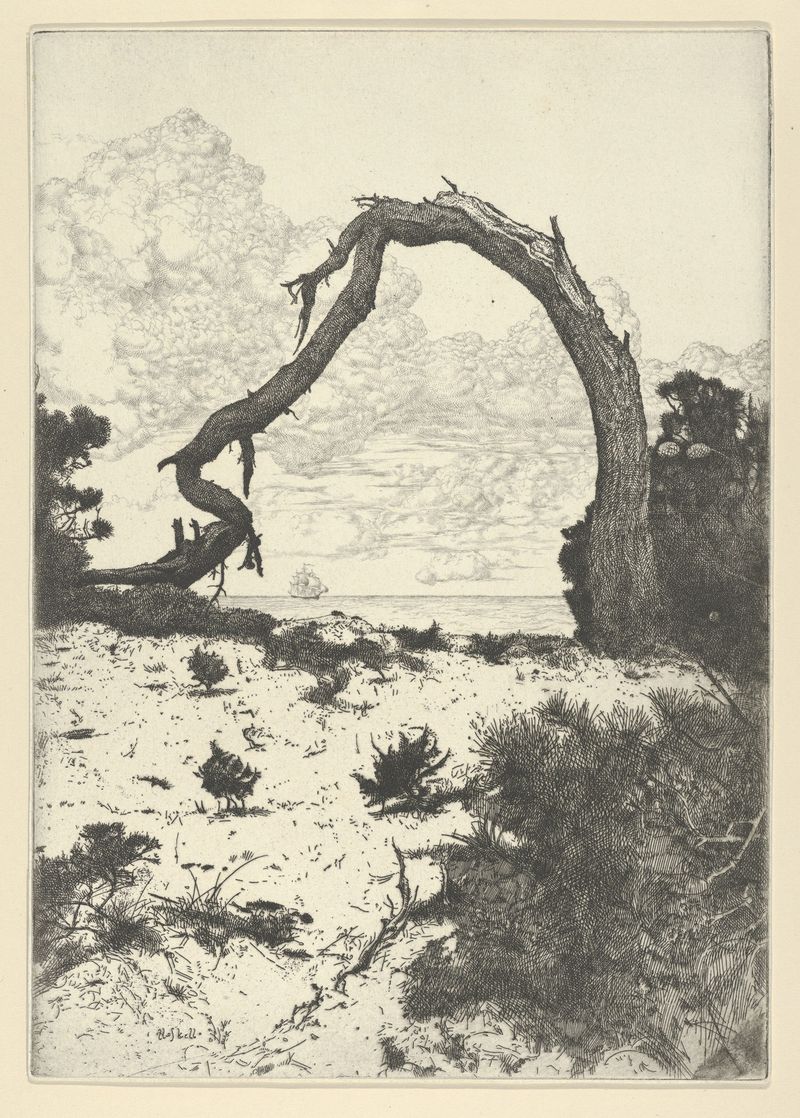
Pine Arch
Ernest Haskell

General Sherman
Ernest Haskell
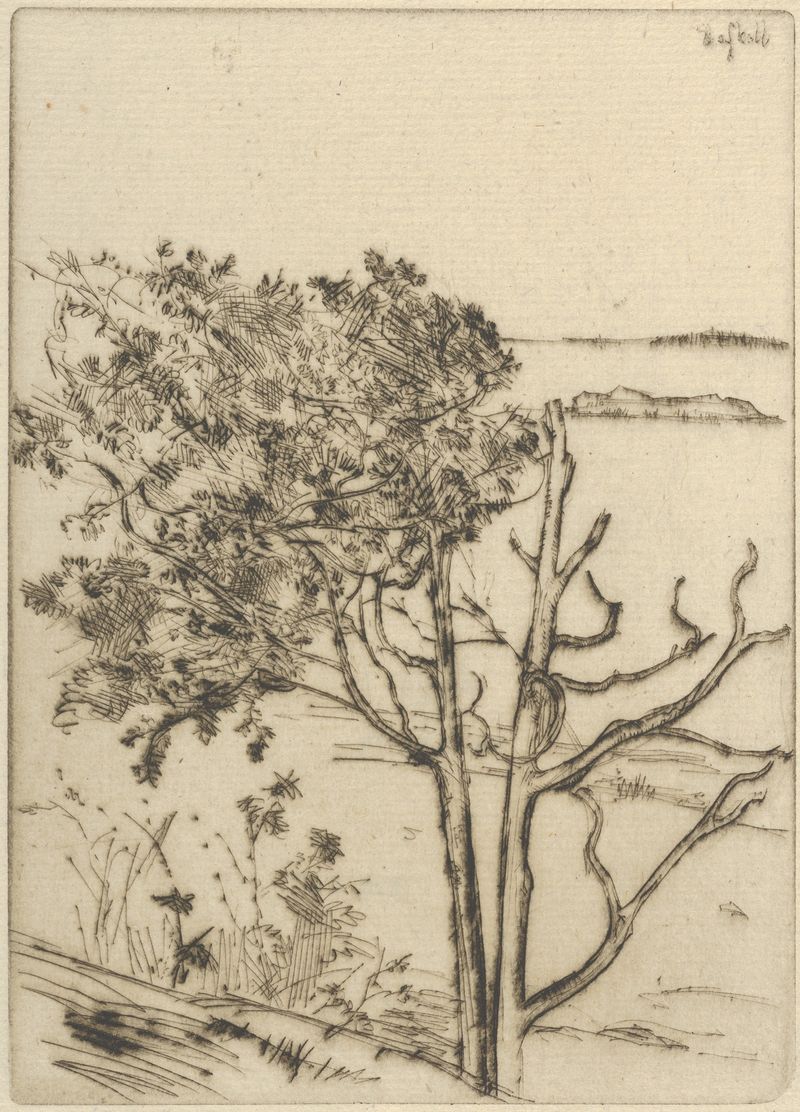
Ragged Tree – Maine
Ernest Haskell

Tide Mill
Ernest Haskell

Ship Building
Ernest Haskell
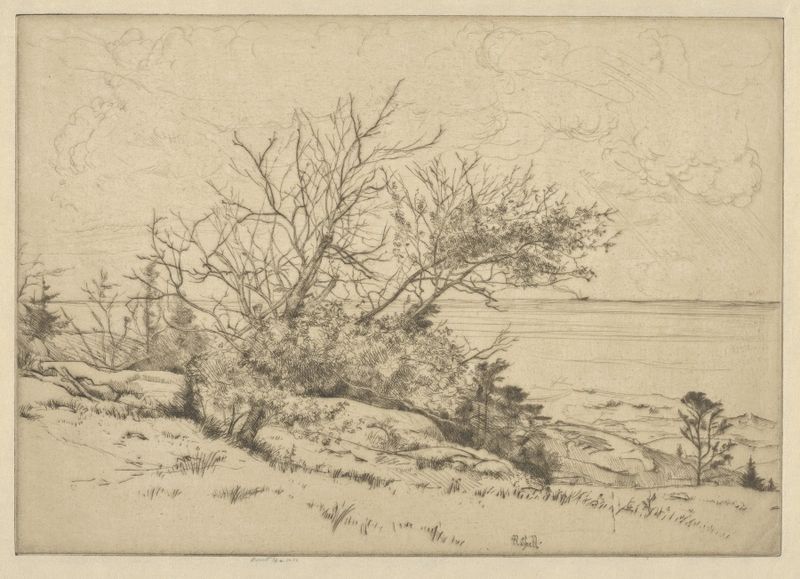
To the Southward – Ragged Island, Me.
Ernest Haskell
Long Island Marshes
Ernest Haskell





