
Giewont — History & Facts
In a fleeting moment between dusk and night, shadows deepen, and the heart aches for what is lost, yet unseen. Look closely at the textured surface of the canvas, where earthy tones of green and brown envelop the mountain. The peak, Giewont, rises majestically yet solemnly in the center, crowned by a delicate veil of fog. Notice how the muted colors blend into the sky, capturing a twilight ambiance that invites both reverence and contemplation.
The brushstrokes echo the raw beauty of the natural landscape, while also hinting at the underlying melancholy that permeates the scene. The emotional tension in this artwork lies in the contrast between the rugged mountain and the gentle twilight. While Giewont stands as a mighty sentinel of nature, there is a sense of vulnerability in its isolation, as if it bears witness to the passing of time and the weight of unfulfilled dreams. The fog wrapping around the peak symbolizes the obscured emotions we often carry, transforming the majestic into something poignantly introspective. In 1921, Władysław Skoczylas painted Giewont amidst the cultural reawakening in Poland after World War I.
At this time, artists were exploring national identity and the beauty of the Polish landscape, reflecting both the country's struggles and its resilience. The artist's choice to depict this iconic mountain speaks to a deep-rooted connection to the land, capturing a moment in history that resonates with the universal experience of longing.
More Artworks by Władysław Skoczylas
Browse all →
Motyw ze Starego Miasta
Władysław Skoczylas
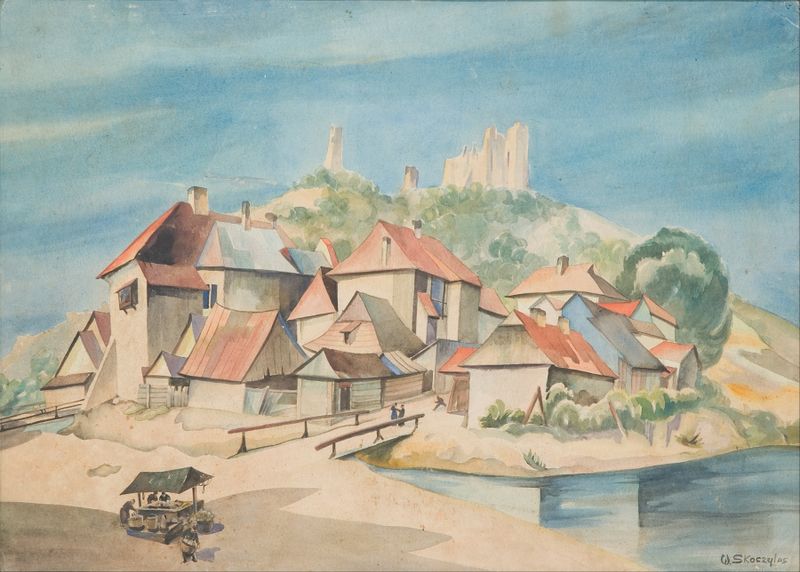
Widok Kazimierza nad Wisłą
Władysław Skoczylas
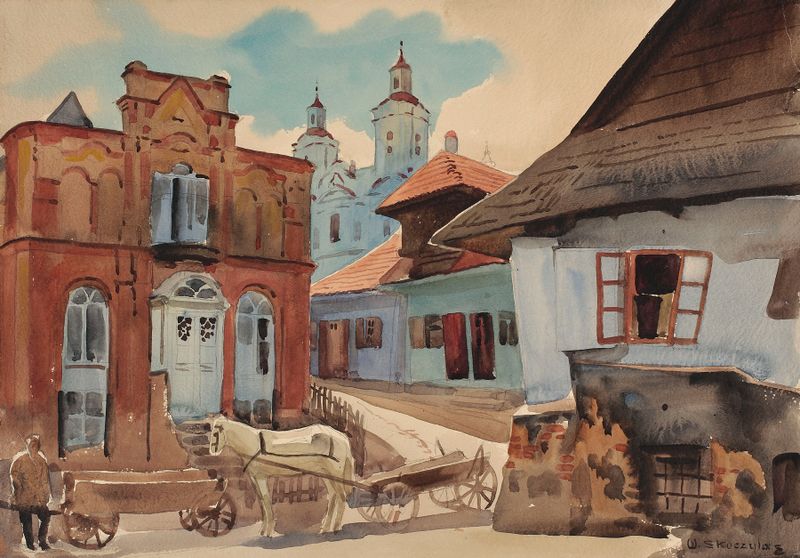
Fragment miasteczka
Władysław Skoczylas

Kościół w Dębnie
Władysław Skoczylas

Ulica w Kazimierzu
Władysław Skoczylas

Rynek w Kazimierzu nad Wisłą
Władysław Skoczylas
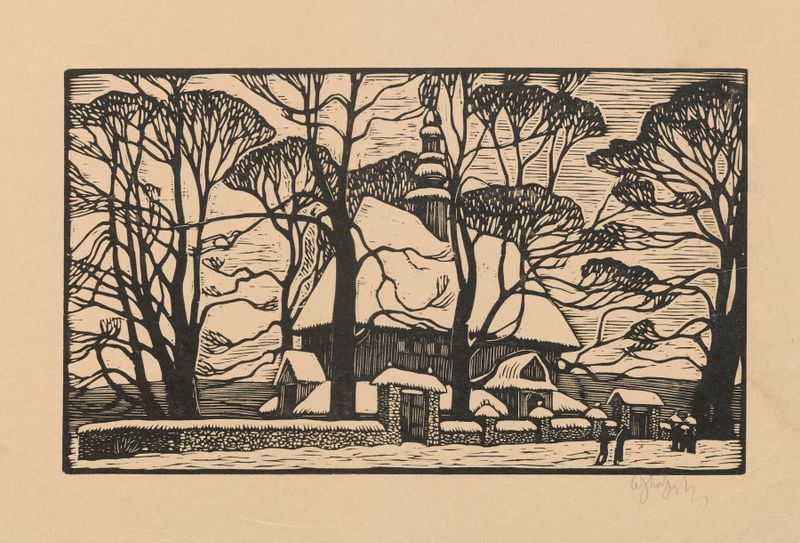
Kościółek w zimie
Władysław Skoczylas

Kolumna Zygmunta
Władysław Skoczylas
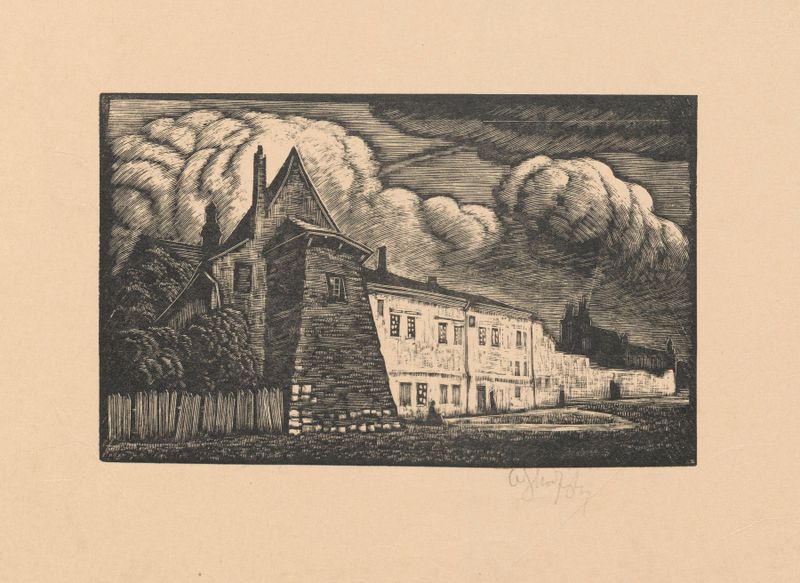
Motyw z Krakowa; Baszta Augustianów
Władysław Skoczylas
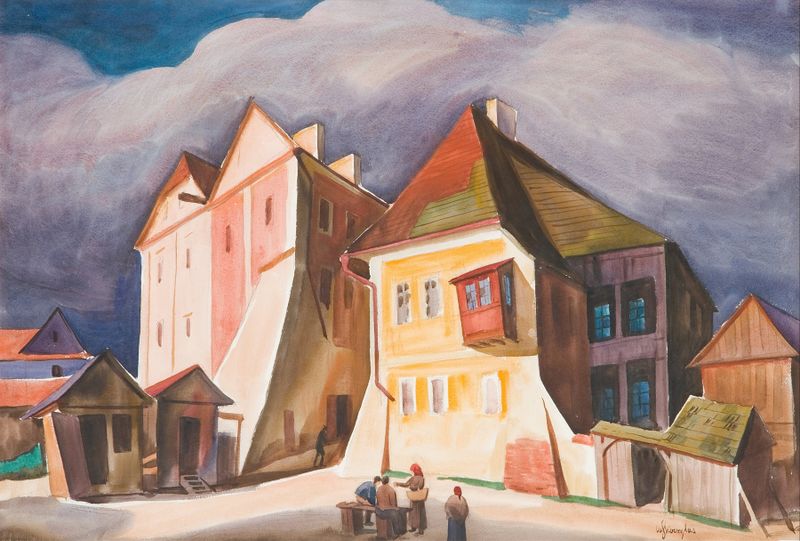
Widok Kazimierza nad Wisłą
Władysław Skoczylas





