
Kościółek w zimie — History & Facts
In the stillness of winter, where silence envelops the world, how does the void speak? Look to the center of the canvas, where the church emerges, its silhouette stark against the snowbound landscape. The thick applications of white paint convey both purity and desolation, lending a texture that invites touch yet repels with coldness. Warm earth tones peek through the icy layers, hinting at life beneath the frost, while the deep blues in the shadowed corners pull the eye into the depths of winter's grasp.
This careful balance of light and dark defines the emotional core of the painting, illustrating a moment suspended in time. Gaze closely, and you’ll find the contrast between the church’s sturdy form and the surrounding emptiness reveals a profound tension. The isolation of the structure hints at faith amidst despair, while the surrounding expanse of white echoes a sense of abandonment. Yet within this void, there lies an invitation to reflect—about solitude, resilience, and the quiet strength found in stillness.
Each element, from the detailed wooden texture to the meticulously crafted roof, speaks to the artist's reverence for the sacred, encapsulating both the physical and the spiritual in a wordless dialogue. Władysław Skoczylas created this piece in 1933, during a period when Poland was emerging from the shadows of war and forging its national identity. Immersed in the vibrant artistic community of interwar Poland, Skoczylas sought to explore the connection between nature and culture. His works from this era often reflect a deep engagement with Polish landscapes and folklore, and Kościółek w zimie stands as a testament to his unique ability to capture the essence of a moment steeped in historical significance.
More Artworks by Władysław Skoczylas
Browse all →
Motyw ze Starego Miasta
Władysław Skoczylas
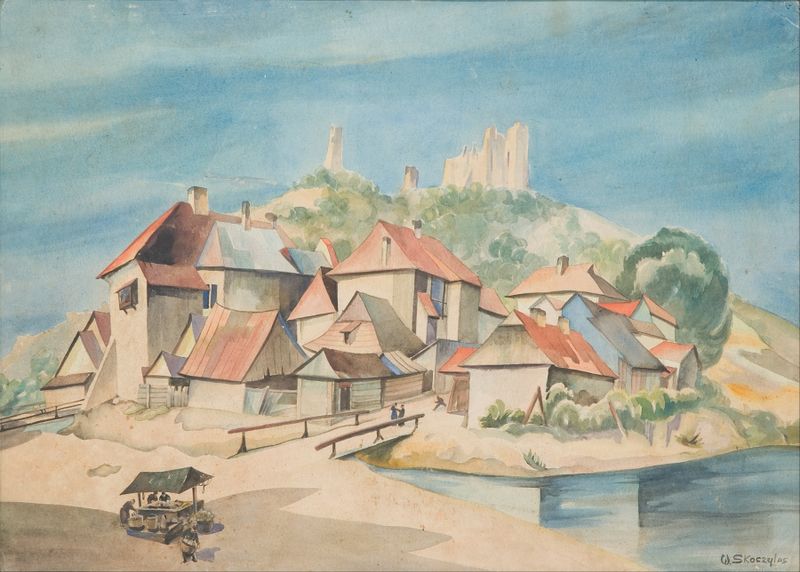
Widok Kazimierza nad Wisłą
Władysław Skoczylas
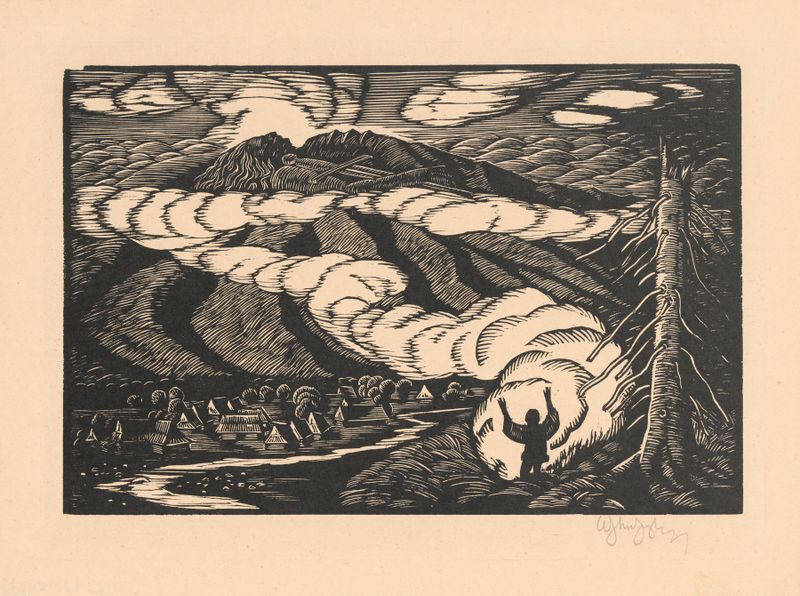
Giewont
Władysław Skoczylas
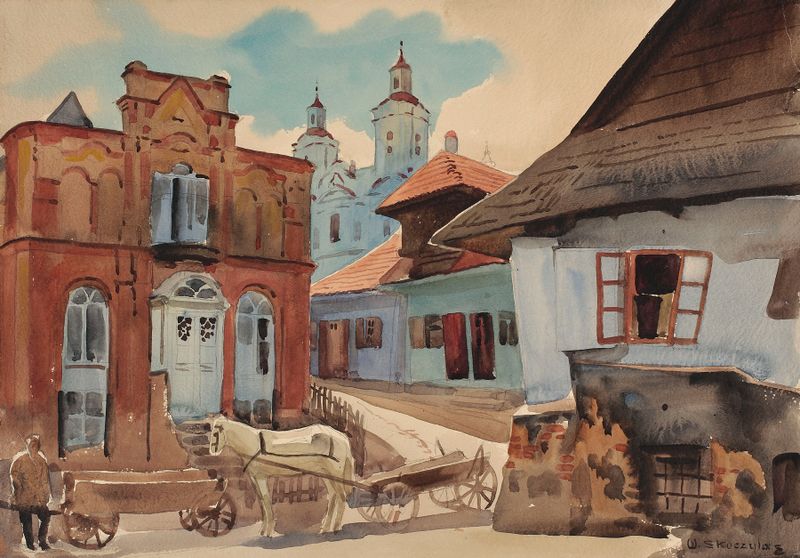
Fragment miasteczka
Władysław Skoczylas

Kościół w Dębnie
Władysław Skoczylas

Ulica w Kazimierzu
Władysław Skoczylas

Rynek w Kazimierzu nad Wisłą
Władysław Skoczylas

Kolumna Zygmunta
Władysław Skoczylas
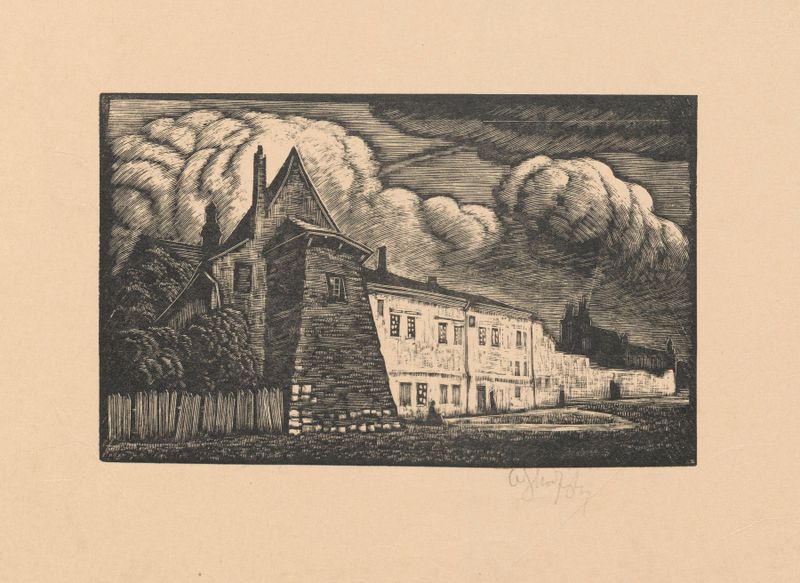
Motyw z Krakowa; Baszta Augustianów
Władysław Skoczylas
Widok Kazimierza nad Wisłą
Władysław Skoczylas





