
Motyw z Krakowa; Baszta Augustianów — History & Facts
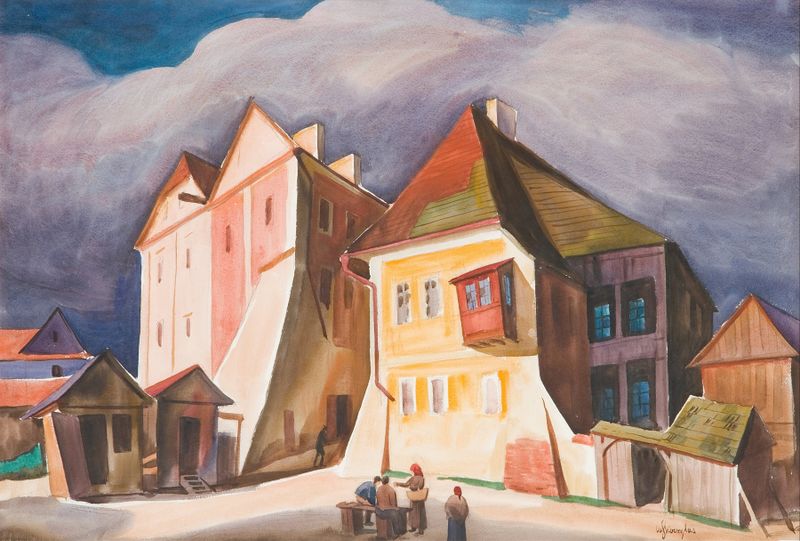
In Motyw z Krakowa; Baszta Augustianów, the delicate dance between light and shadow evokes a sense of balance that transcends mere visual representation, inviting reflection on harmony in art and life. Look closely at the lower half of the canvas, where the intricate details of the old watchtower rise into the sky. The textured strokes convey both the strength of the masonry and the fleeting quality of time. Notice how the muted earth tones ground the scene, while splashes of blue and gold illuminate the structure, guiding your eye upward toward the soft wisps of clouds above.
The careful composition creates a dialogue between the tower and the surrounding landscape, suggesting a profound connection between the past and the present. Delving deeper, the juxtaposition of the solid, imposing tower against the ethereal sky embodies the tension between permanence and transience. The brushstrokes reveal a sense of quiet resilience, echoing the historical weight of the structure itself. Meanwhile, the soft light suffusing the scene symbolizes hope, as if the artist is reminding us that amidst the passage of time, beauty and history coexist in harmony. In 1929, Władysław Skoczylas painted this piece during a time of significant cultural revitalization in Poland.
The country was re-establishing its national identity after regaining independence, and Skoczylas aimed to capture the essence of his homeland through his art. His focus on architectural elements and their surroundings reflects a broader interest in Polish folklore and heritage, as he sought to forge a new artistic language that celebrated both tradition and modernity.
More Artworks by Władysław Skoczylas
Browse all →
Motyw ze Starego Miasta
Władysław Skoczylas
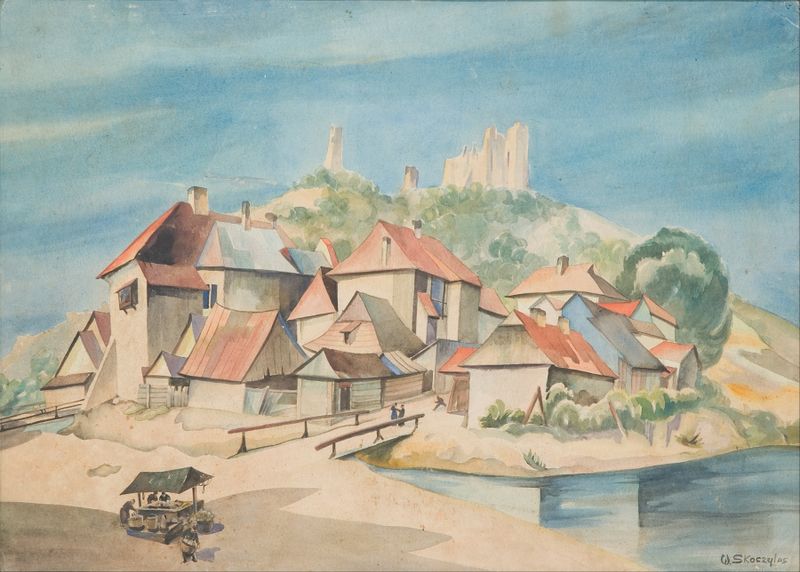
Widok Kazimierza nad Wisłą
Władysław Skoczylas
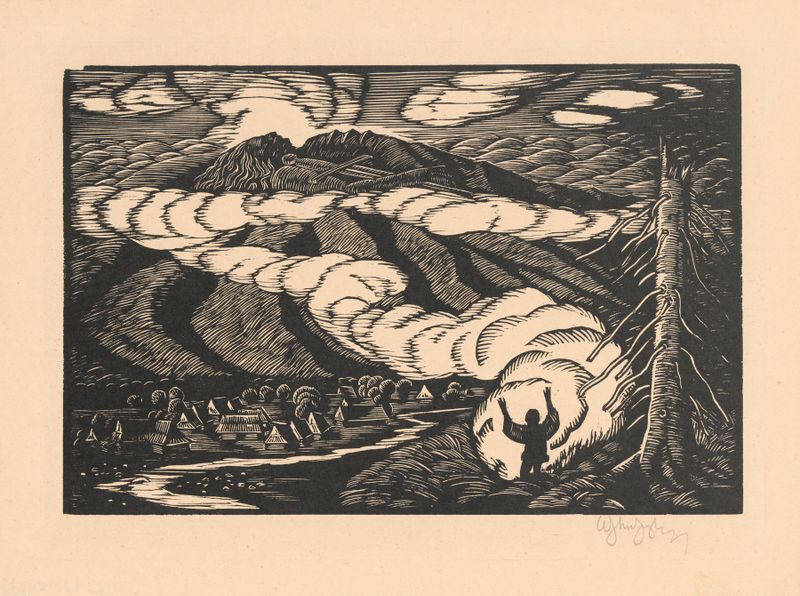
Giewont
Władysław Skoczylas
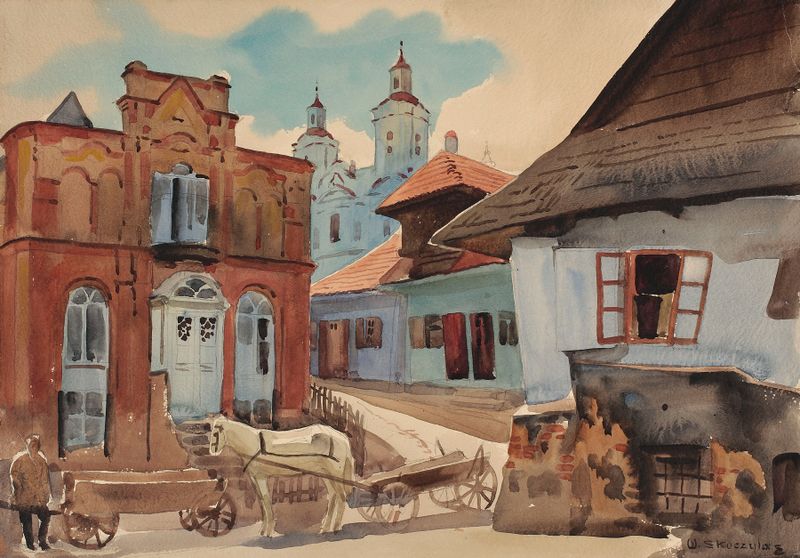
Fragment miasteczka
Władysław Skoczylas

Kościół w Dębnie
Władysław Skoczylas

Ulica w Kazimierzu
Władysław Skoczylas

Rynek w Kazimierzu nad Wisłą
Władysław Skoczylas
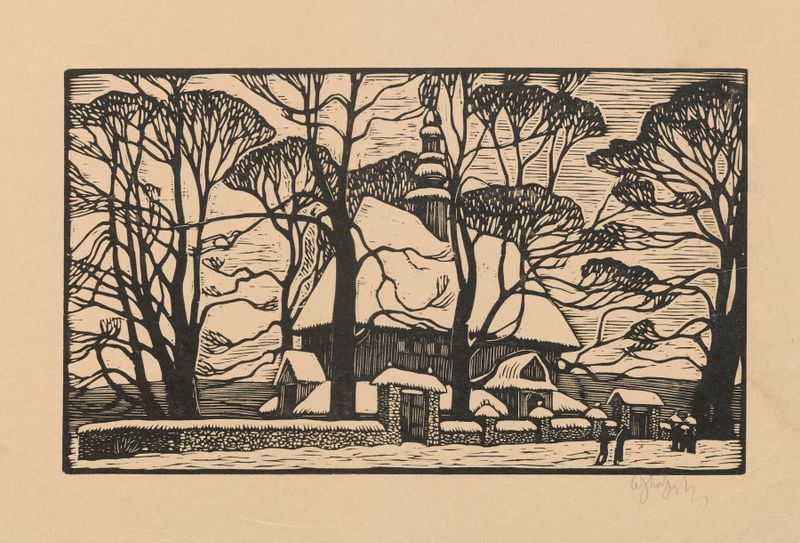
Kościółek w zimie
Władysław Skoczylas

Kolumna Zygmunta
Władysław Skoczylas
Widok Kazimierza nad Wisłą
Władysław Skoczylas
More Architecture Art
Browse all →
The statue of Liberty
Frédéric Auguste Bartholdi

View of Houses in Delft, Known as ‘The Little Street’
Johannes Vermeer

View of Houses in Delft, Known as ‘The Little Street’
Johannes Vermeer

The Cathedral in Rouen. The portal, Grey Weather
Claude Monet

The yellow house
Vincent van Gogh

The Church in Auvers-sur-Oise, View from the Chevet
Vincent van Gogh