
Ulica w Kazimierzu — History & Facts
In the stillness of a moment captured on canvas, silence reverberates as time pauses, inviting a deeper reflection on what has been lost and what remains. Look to the left at the cobbled street, where the soft hues of ochre and muted greens blend seamlessly, drawing our gaze into the heart of the scene. Notice how the light caresses the edges of the buildings, casting gentle shadows that hint at the stories within. The figures that line the street are understated yet vivid; the artist’s brushstrokes breathe life into their quiet existences, emphasizing the serenity that envelops them. Intriguingly, the painting balances nostalgia with a sense of isolation.
The empty street hints at an unspoken history, suggesting both the vibrancy of past lives and the weight of absence. The subtle variations in color reflect emotional undercurrents—warm tones suggest familiarity while the cooler shades evoke longing. This duality remains at the forefront, urging viewers to contemplate their own connections to memory and place. In 1928, Władysław Skoczylas was establishing his reputation amidst the cultural resurgence of Poland’s art scene, deeply influenced by the interwar period's darker realities.
While the world around him grappled with change, he turned his focus to the quiet beauty of everyday life. Ulica w Kazimierzu stands as a testament to his engagement with the past, capturing a moment in time that resonates with both personal and collective remembrance.
More Artworks by Władysław Skoczylas
Browse all →
Motyw ze Starego Miasta
Władysław Skoczylas
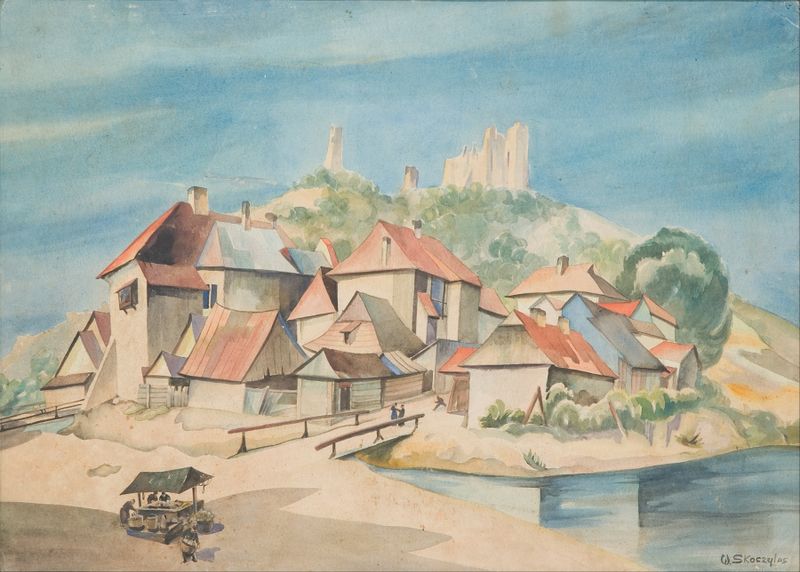
Widok Kazimierza nad Wisłą
Władysław Skoczylas
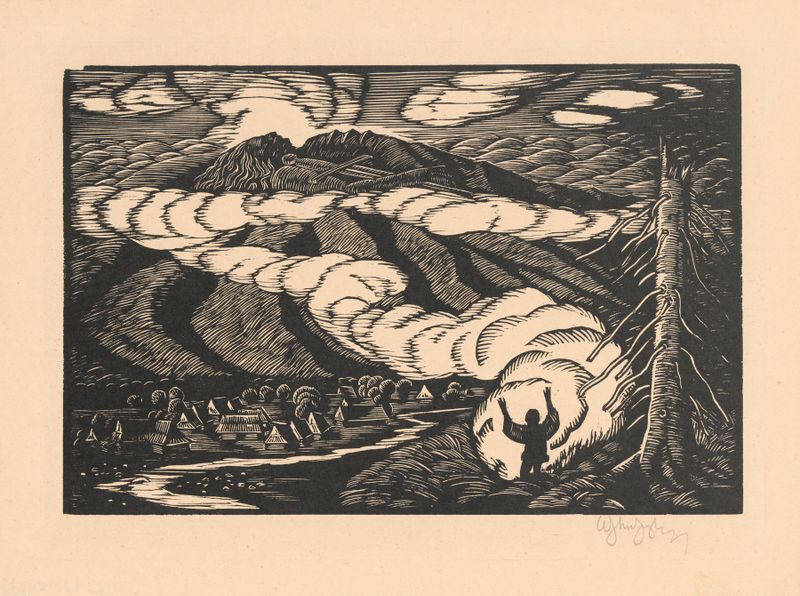
Giewont
Władysław Skoczylas
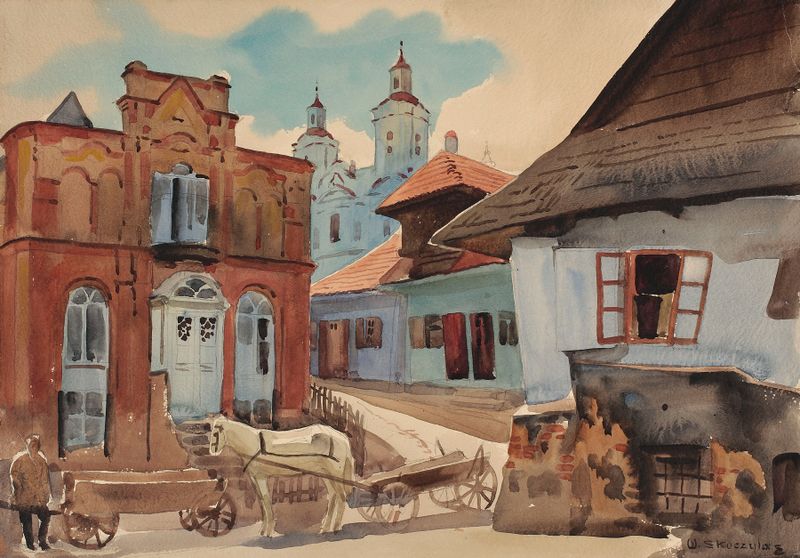
Fragment miasteczka
Władysław Skoczylas

Kościół w Dębnie
Władysław Skoczylas

Rynek w Kazimierzu nad Wisłą
Władysław Skoczylas
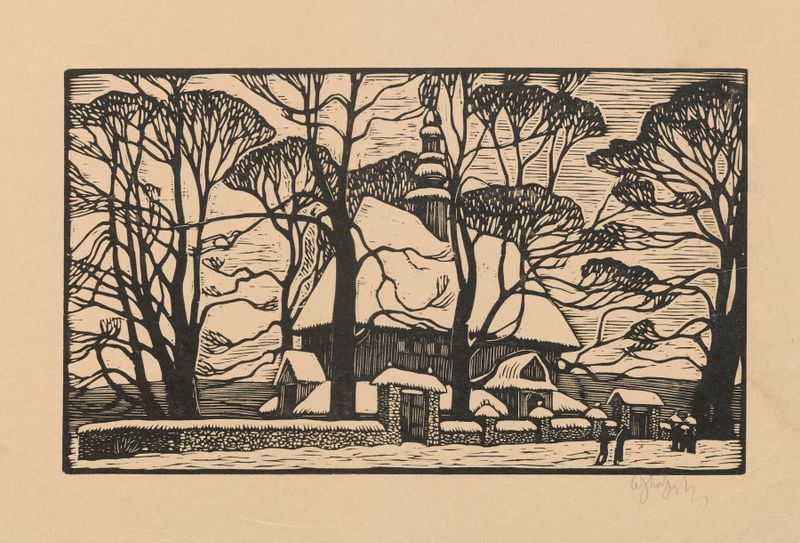
Kościółek w zimie
Władysław Skoczylas

Kolumna Zygmunta
Władysław Skoczylas
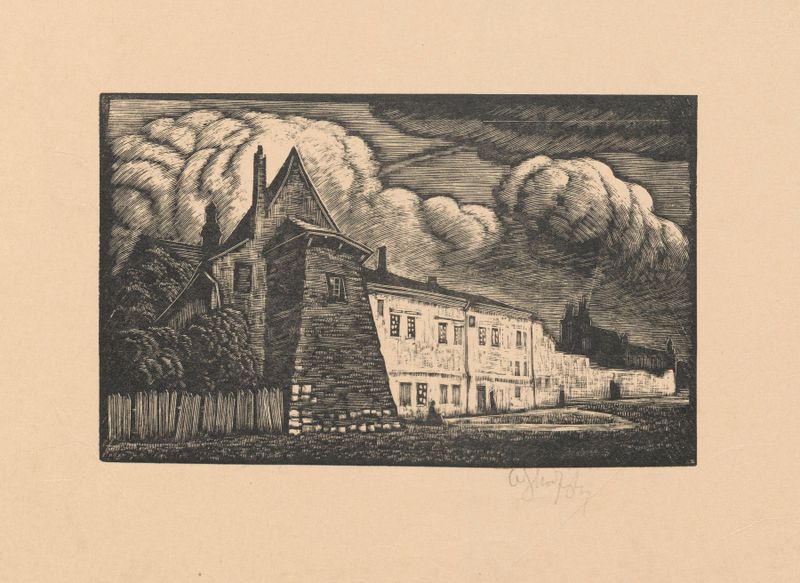
Motyw z Krakowa; Baszta Augustianów
Władysław Skoczylas
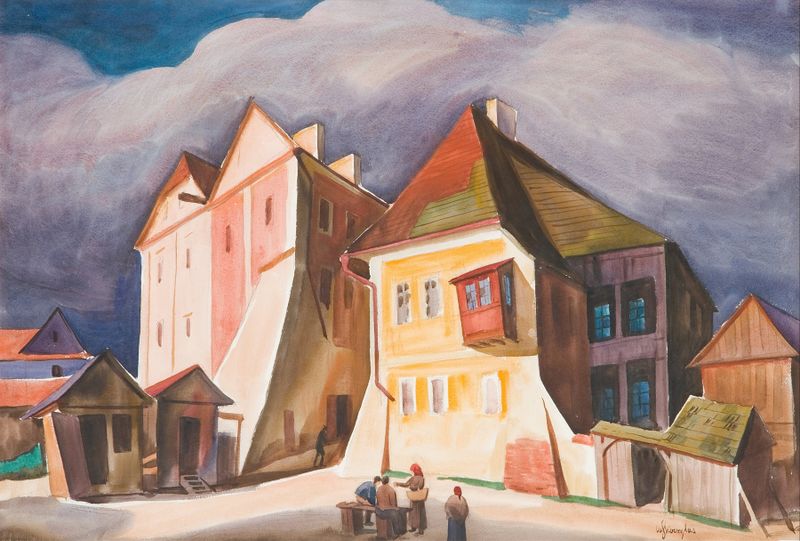
Widok Kazimierza nad Wisłą
Władysław Skoczylas





