
Girl in White Chemise — History & Facts
A young woman reclines across a riot of color, her white chemise a striking interruption in a world of swirling reds, greens, and ochres. The eye is drawn first to her face, framed by inky hair and turned toward the viewer with a gaze that is both direct and inward. The brushwork is loose and urgent, especially in the background, where floral patterns seem to pulse and writhe, refusing to settle into mere decoration.
Her pose is languid, but the sharp lines of her limbs and the restless energy of the setting keep the scene from slipping into calm. The white garment, with its embroidered band and soft folds, becomes a stage for the play of light and shadow, hinting at both innocence and intimacy. Painted in 1914, Girl in White Chemise belongs to a world on the brink of upheaval, yet still clinging to the private interiority that fascinated artists of the early twentieth century. Ernst Ludwig Kirchner, a leading figure of German Expressionism, sought to capture not just appearances but the psychological charge of a moment.
This kind of portrait was not made for aristocratic patrons or grand salons, but for a new, restless audience hungry for authenticity and emotion. The painting now resides in the Yale University Art Gallery, a testament to the journeys such works have made from the studios of Berlin or Dresden to collections far from their origins. The longer you look, the more the painted surface seems to vibrate with the anxieties and desires of its era—inviting you to linger, and to wonder what the girl in white might be dreaming.
More Artworks by Ernst Ludwig Kirchner
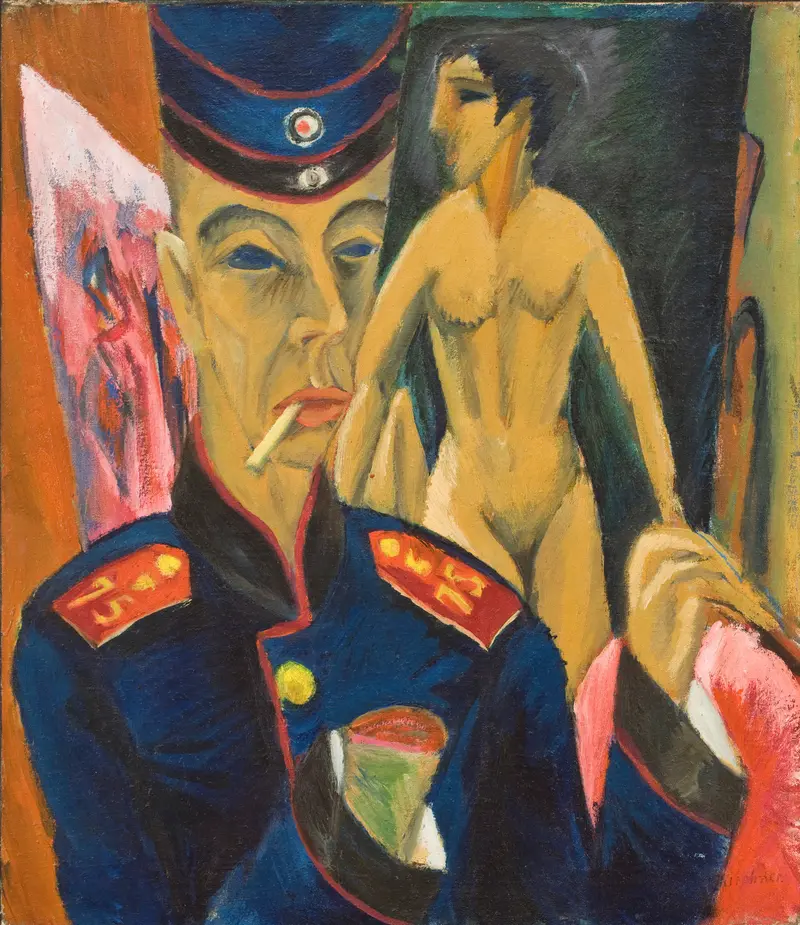
Self-Portrait as a Soldier
Ernst Ludwig Kirchner
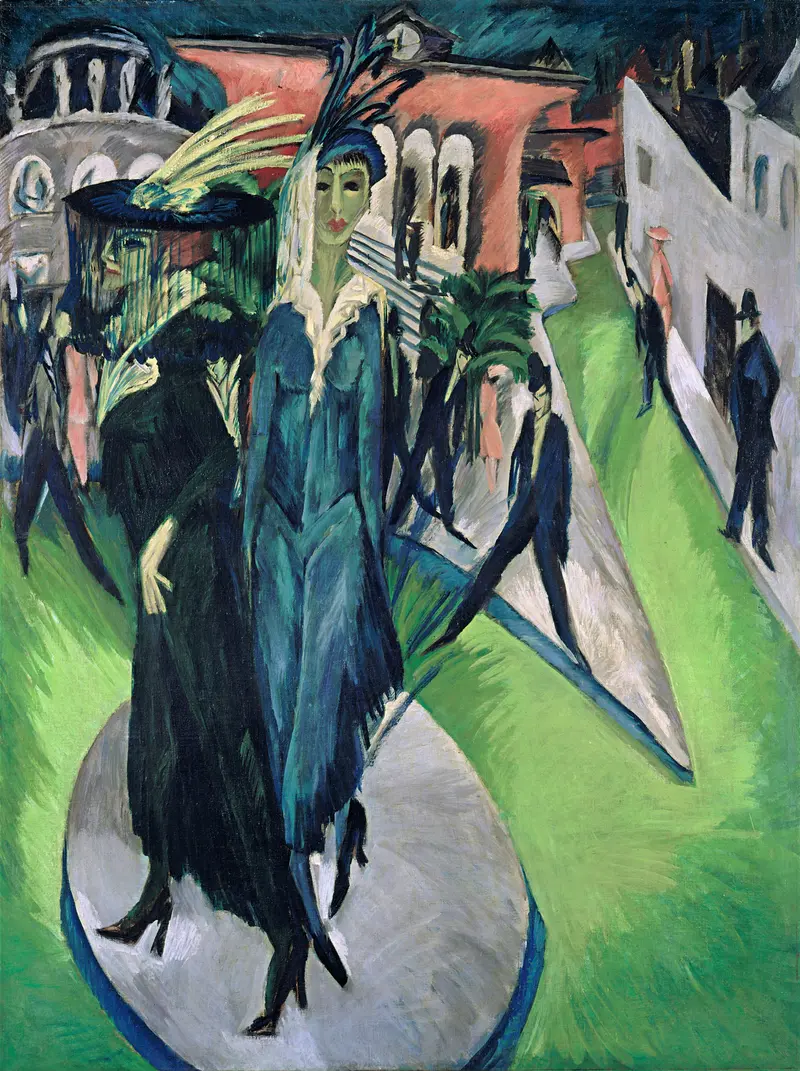
Potsdamer Platz
Ernst Ludwig Kirchner

Alphütten und Tinzenhorn
Ernst Ludwig Kirchner
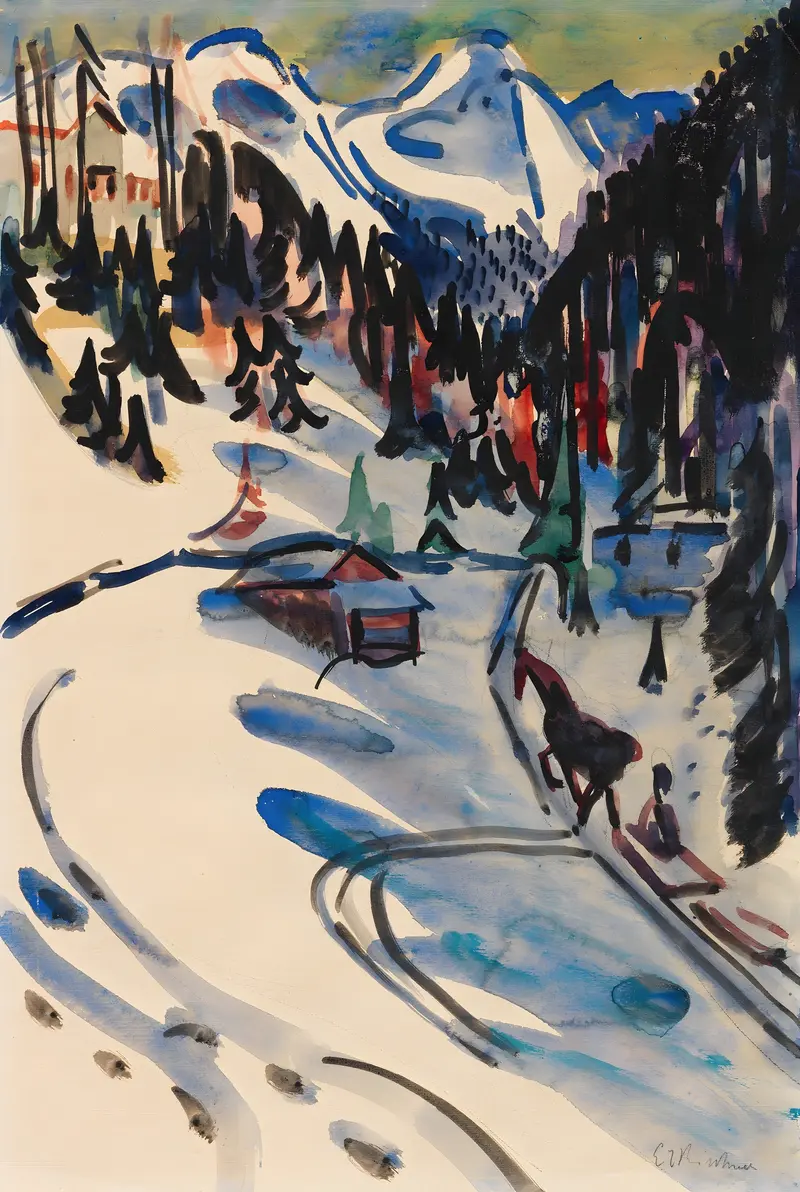
Sertigtal im Winter
Ernst Ludwig Kirchner
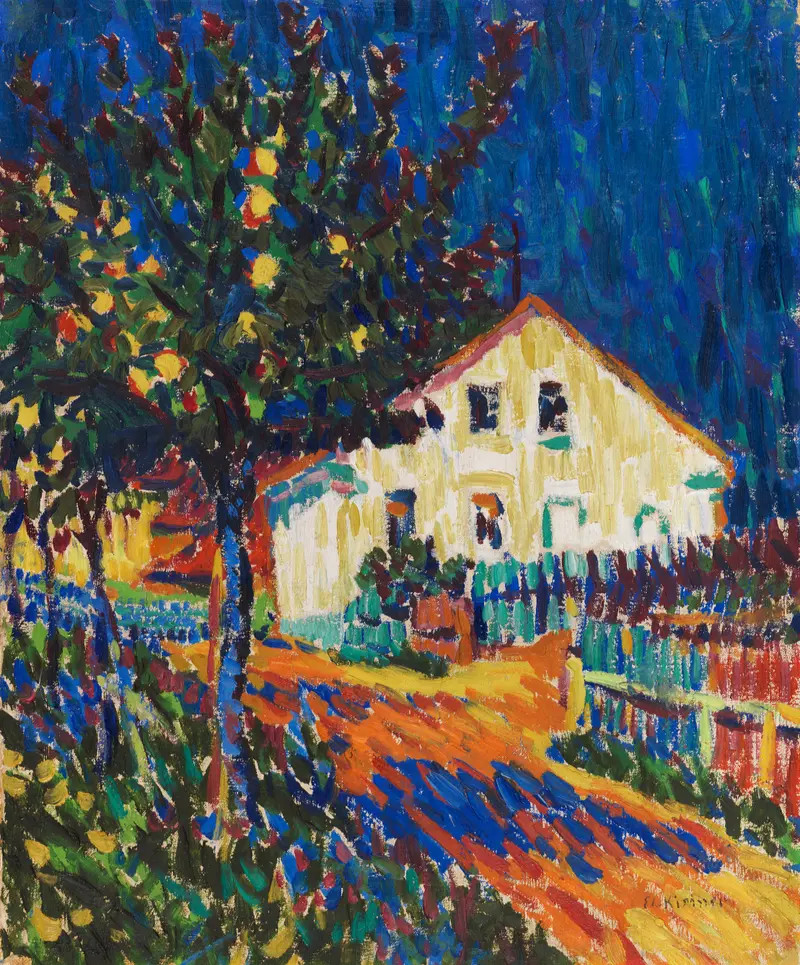
Dorfstraße mit Apfelbäumen
Ernst Ludwig Kirchner
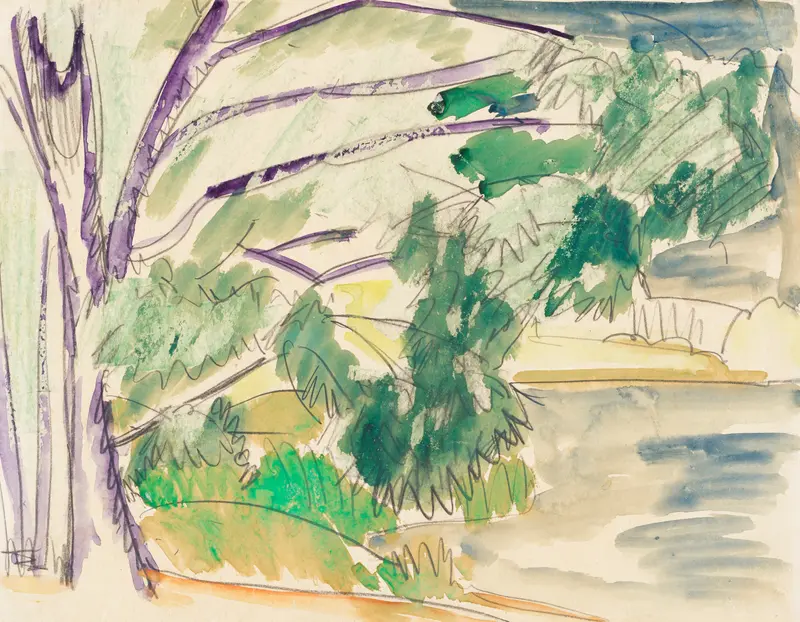
Unter Bäumen am See
Ernst Ludwig Kirchner
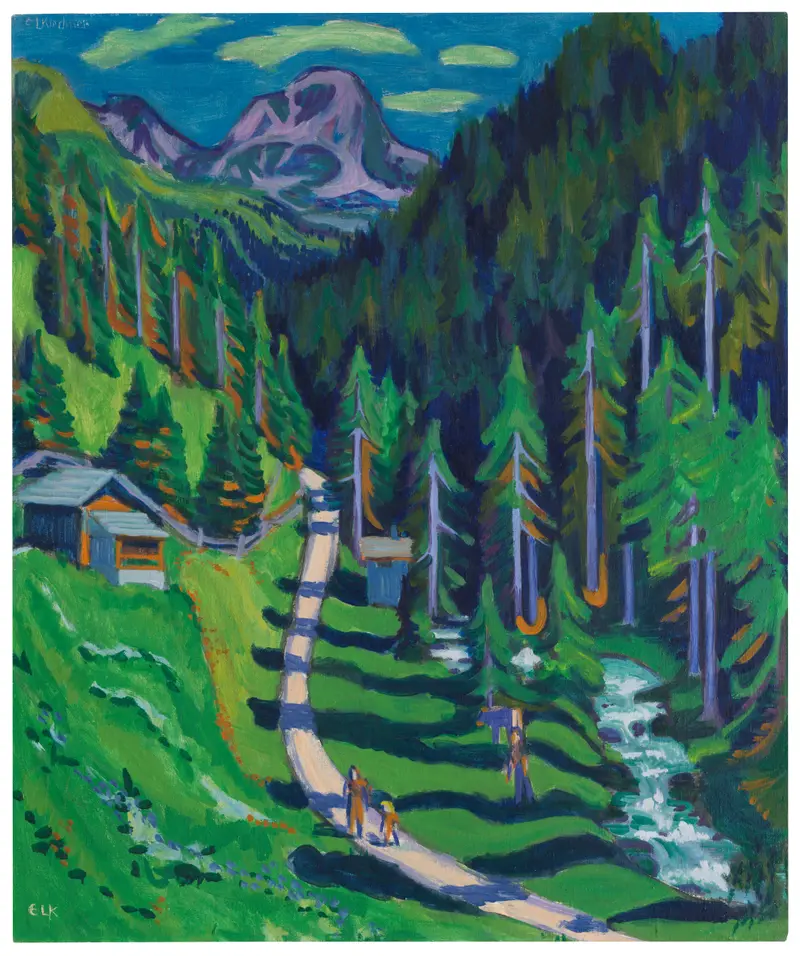
Sertigweg
Ernst Ludwig Kirchner
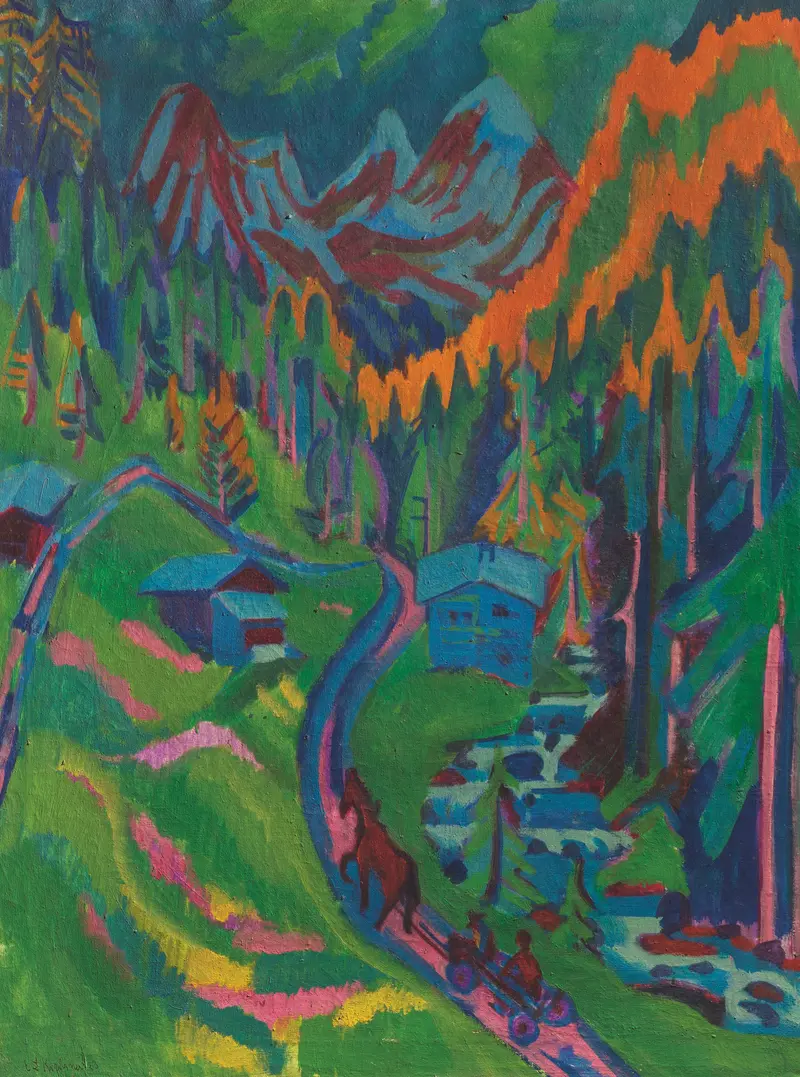
Sertigweg im Sommer
Ernst Ludwig Kirchner
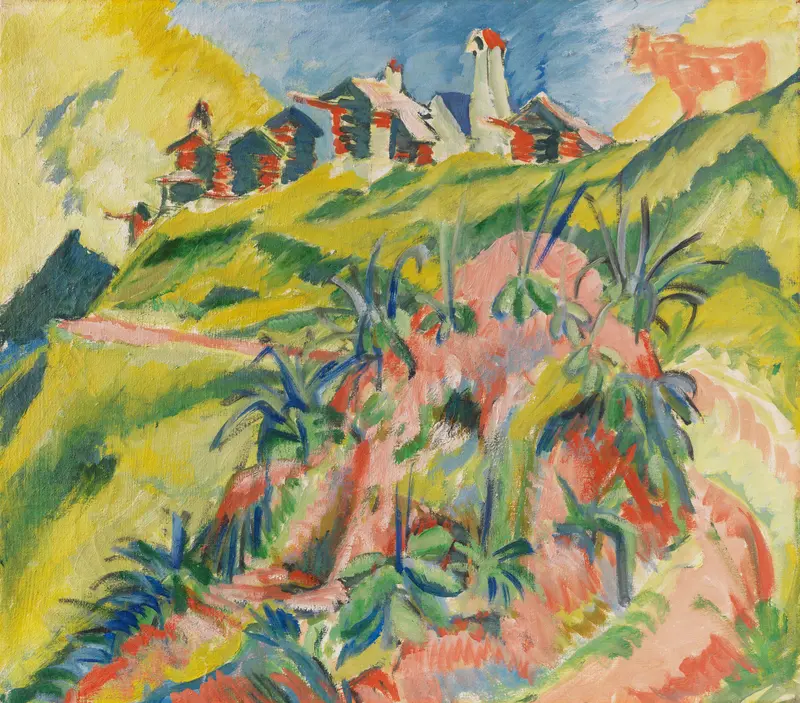
Bergdorf mit rosa Kuh
Ernst Ludwig Kirchner
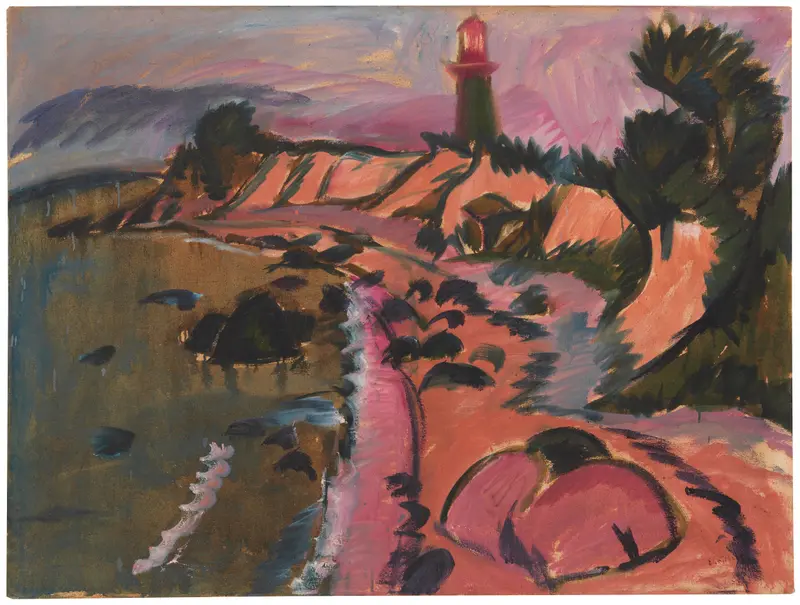
Fehmarnküste mit Leuchtturm
Ernst Ludwig Kirchner





