
Église Saint-Aignan in Chartres — History & Facts
In the realm of art, moments suspended in time speak of our deepest emotions, echoing memories long past. Begin your exploration by directing your gaze to the center of the canvas, where the grand façade of the church rises majestically against a soft, muted sky. The delicate interplay of light and shadow accentuates the intricate architectural details, drawing you into the ethereal quality of the scene. The warm ochres and cool blues blend harmoniously, creating a sense of nostalgia that invites reflection, while the textured strokes evoke the passage of time. As you delve deeper, notice how the foreground is anchored by gentle greenery, symbolizing life and continuity amidst the steadfast stone structure.
This juxtaposition of the organic and the manmade captures the tension between nature’s resilience and human fragility. The subtle variations in hue suggest a fleeting memory, one that is cherished yet distant, urging the viewer to contemplate their own experiences of time and place. Willem Adrianus Grondhout painted Église Saint-Aignan in Chartres during a period spanning from 1888 to 1934, while he was living in France. This phase marked a significant evolution in his artistic style, influenced by the Impressionists’ exploration of light and atmosphere.
As Europe grappled with social changes and artistic movements, Grondhout sought to immortalize the profound beauty of everyday moments, capturing the essence of places that resonate deeply within our collective memory.
More Artworks by Willem Adrianus Grondhout
Browse all →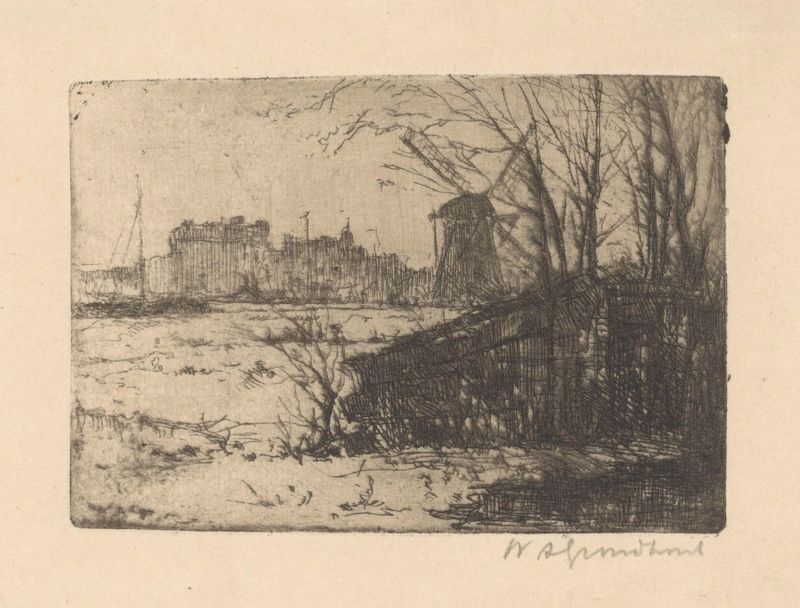
Landschap met molen in de Binckhorst in Den Haag
Willem Adrianus Grondhout
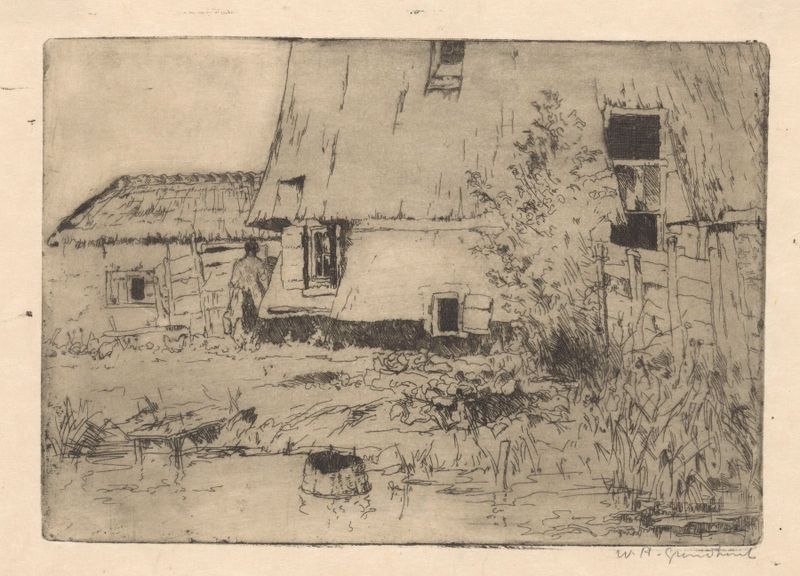
Voet van een molen in Voorburg
Willem Adrianus Grondhout
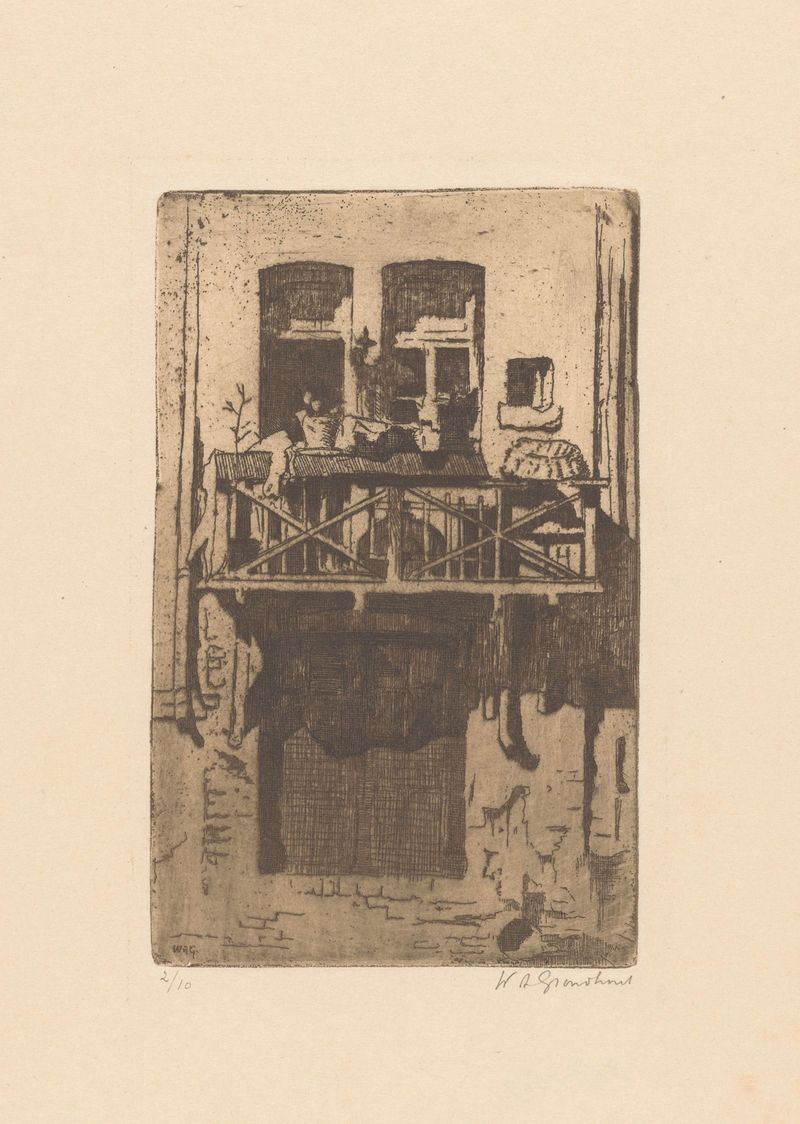
Balkon van een huis aan de Oudezijds Kolk in Amsterdam
Willem Adrianus Grondhout
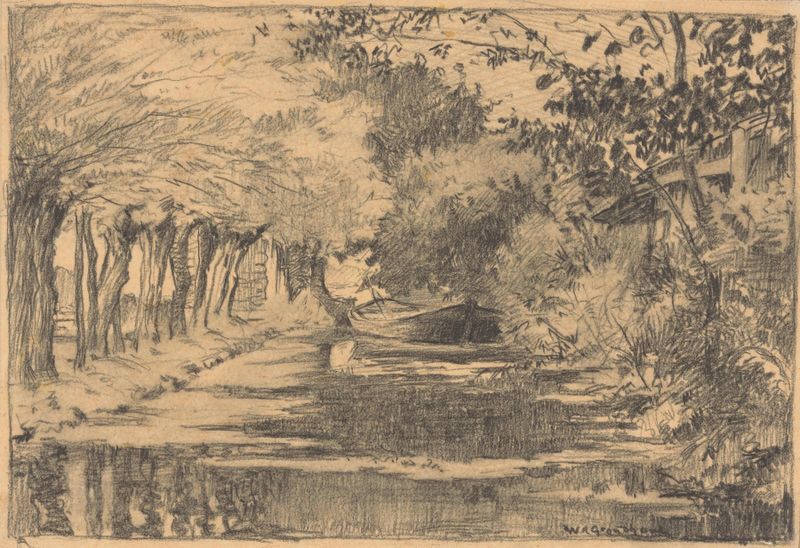
Broeksloot bij Voorburg
Willem Adrianus Grondhout
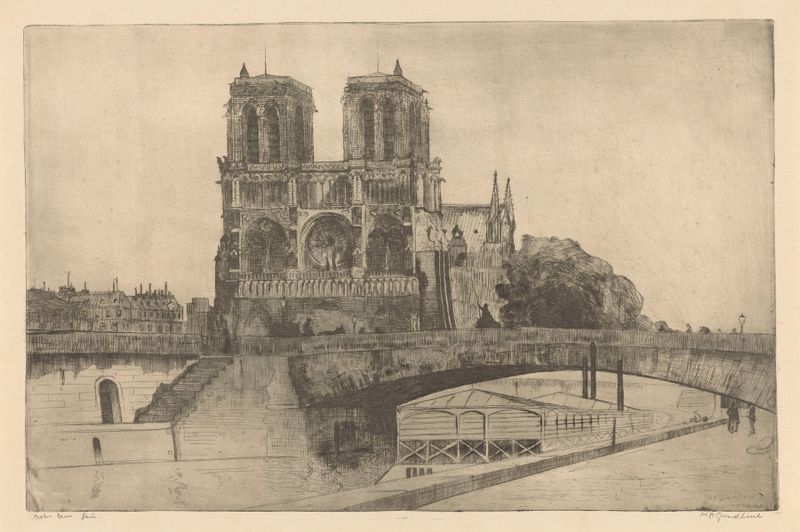
Notre-Dame, Paris
Willem Adrianus Grondhout
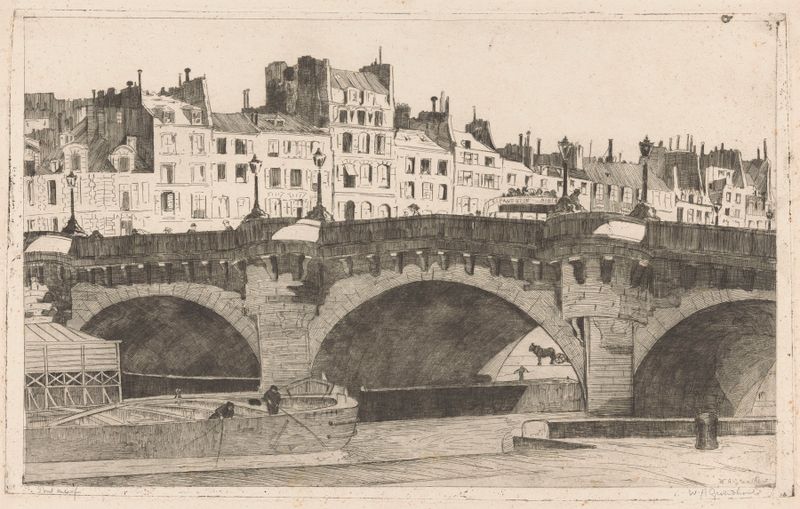
Pont Neuf
Willem Adrianus Grondhout
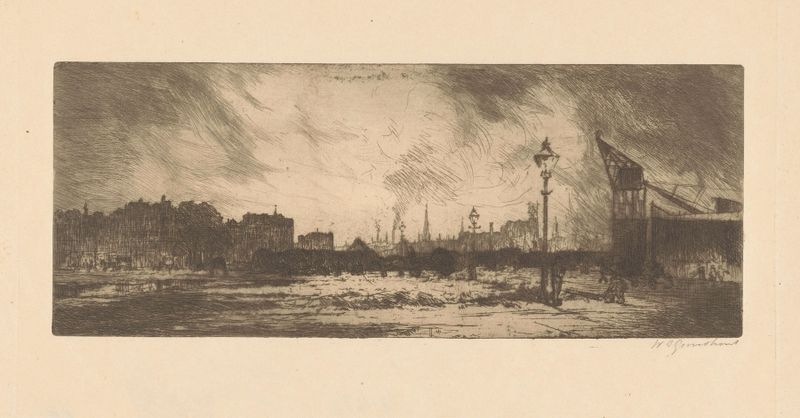
Havenkade met lantaarnpalen in Rotterdam
Willem Adrianus Grondhout
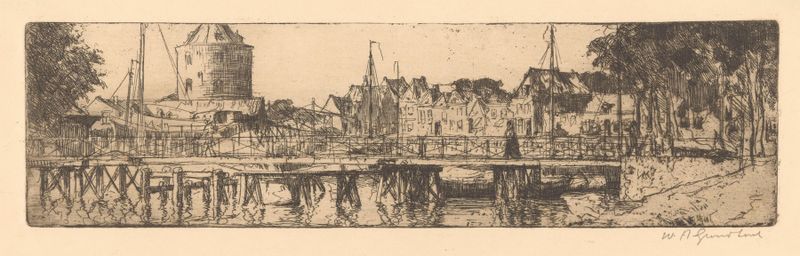
Enkhuizen
Willem Adrianus Grondhout
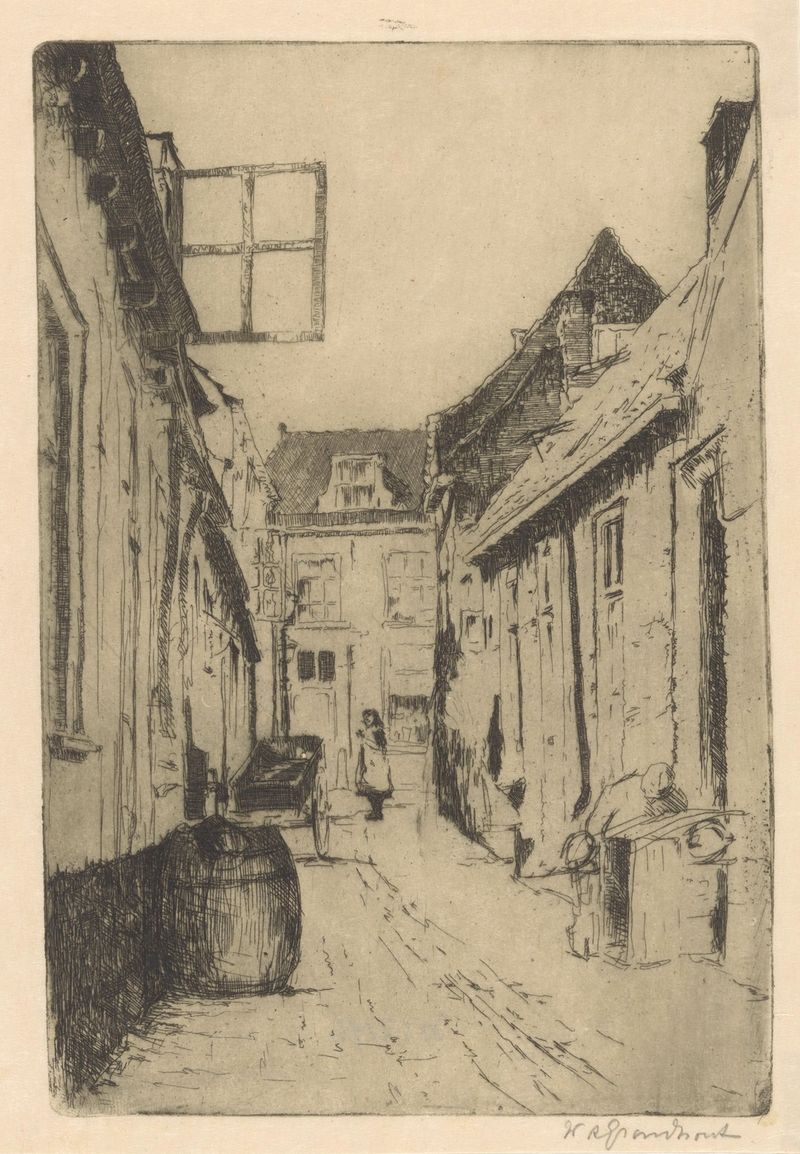
Straatje in Voorburg.
Willem Adrianus Grondhout
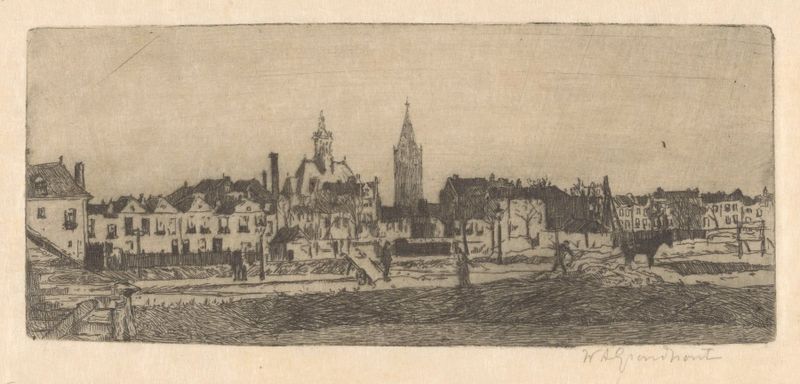
Delft
Willem Adrianus Grondhout
More Architecture Art
Browse all →
The statue of Liberty
Frédéric Auguste Bartholdi

View of Houses in Delft, Known as ‘The Little Street’
Johannes Vermeer

View of Houses in Delft, Known as ‘The Little Street’
Johannes Vermeer

The Cathedral in Rouen. The portal, Grey Weather
Claude Monet

The yellow house
Vincent van Gogh

The Church in Auvers-sur-Oise, View from the Chevet
Vincent van Gogh