
Gobeliny w katedrze wawelskiej I — History & Facts
Can beauty exist without sorrow? In the intricate weaving of the tapestry, loss is not just a theme; it threads through every fiber, creating an emotional landscape that resonates deeply. Look closely at the vivid colors that dance across the fabric; the deep reds and rich golds draw your eye to the central figures, masterfully rendered with delicate detail. Notice how the artisanship of the piece evokes a sense of depth and texture, as if the figures could step out into our reality. The interplay of light and shadow accentuates the somber expressions of those depicted, inviting contemplation on the stories held within their expressions.
Each glance reveals yet another layer of emotional complexity. As you explore the intricate patterns surrounding the figures, consider the contrast they present; vibrant life intermingles with subdued tones, hinting at the duality of joy and grief. The tapestry's delicate fringes evoke the fragility of existence, while the careful craftsmanship speaks of dedication and reverence for tradition. This careful balance compels the viewer to reflect on the nature of beauty, suggesting that it often emerges from the depths of our most profound sorrows. Created in 1921, this work emerged during a period of cultural awakening and reflection for Poland, following the devastation of World War I.
At this time, Wyczółkowski sought to capture not just the beauty of his homeland's heritage, but the poignant echoes of loss that now resonated throughout society. His commitment to exploring such themes marked a significant evolution in his artistic journey, embodying the complexities of a nation in search of healing and identity.
More Artworks by Leon Wyczółkowski
Browse all →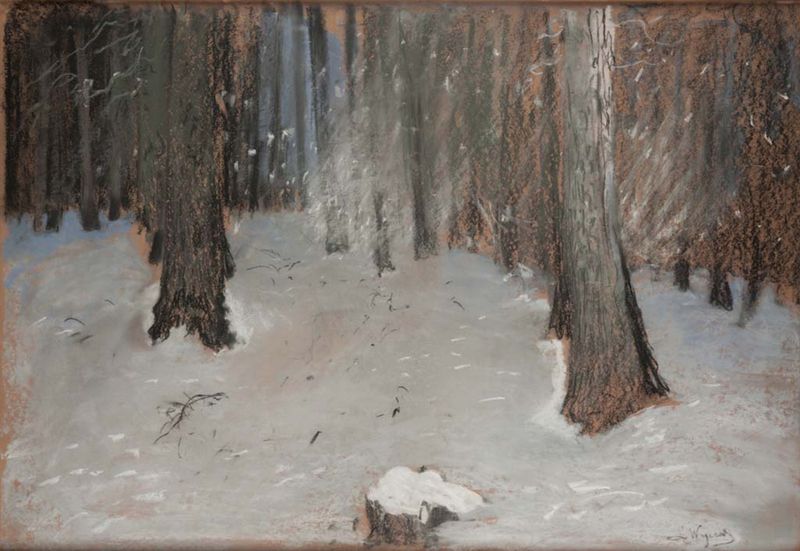
Las zimą
Leon Wyczółkowski
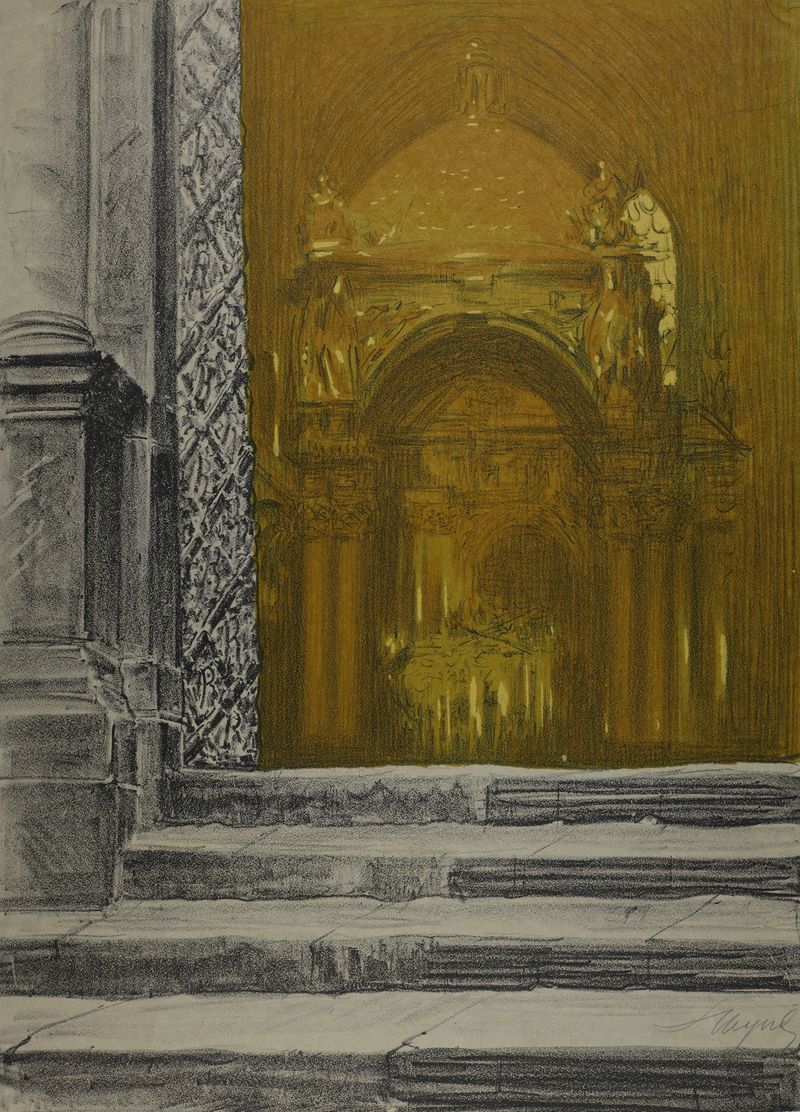
Saint Stanislaus
Leon Wyczółkowski
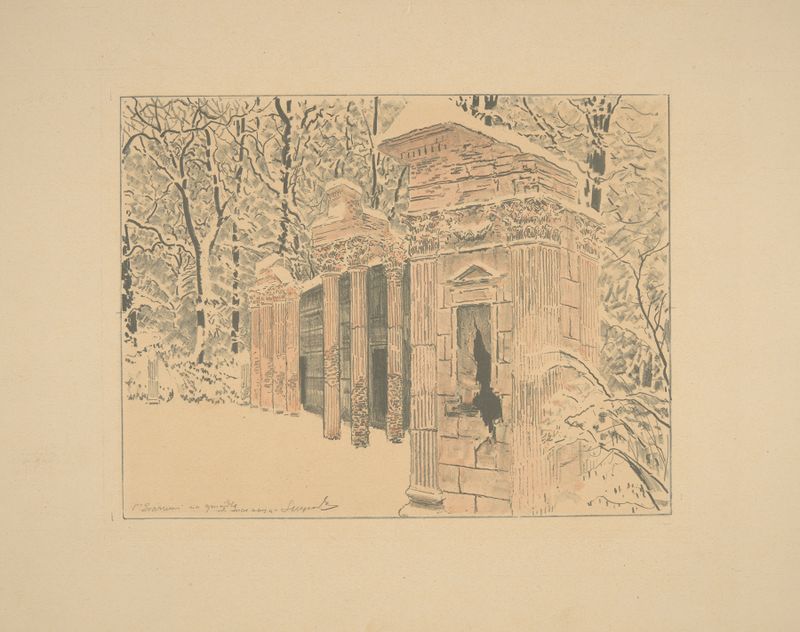
Amfiteatr w Łazienkach pod śniegiem (strona prawa)
Leon Wyczółkowski
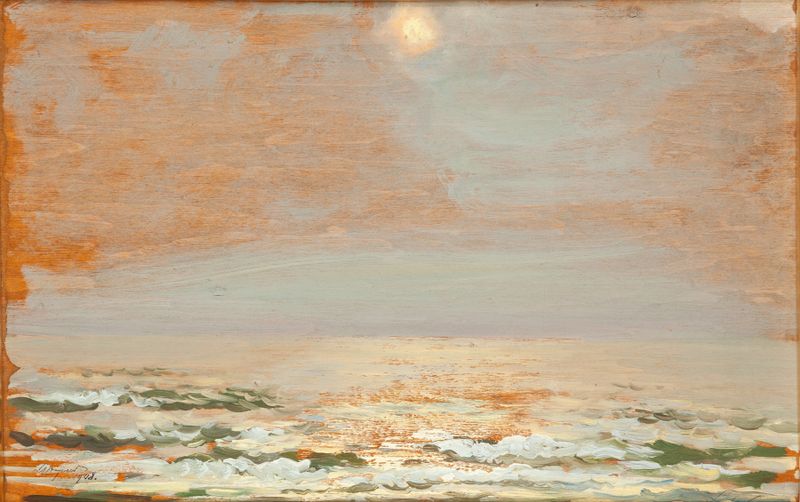
Sea at Połąga IV
Leon Wyczółkowski
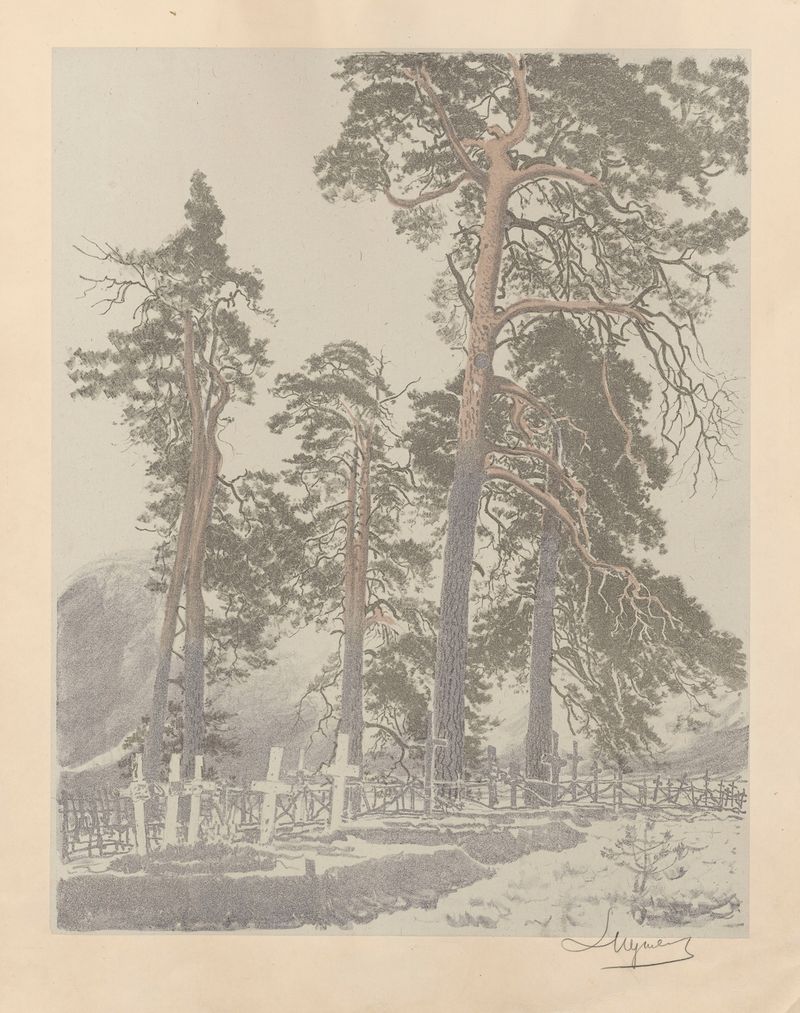
Cemetery in Vowchick
Leon Wyczółkowski
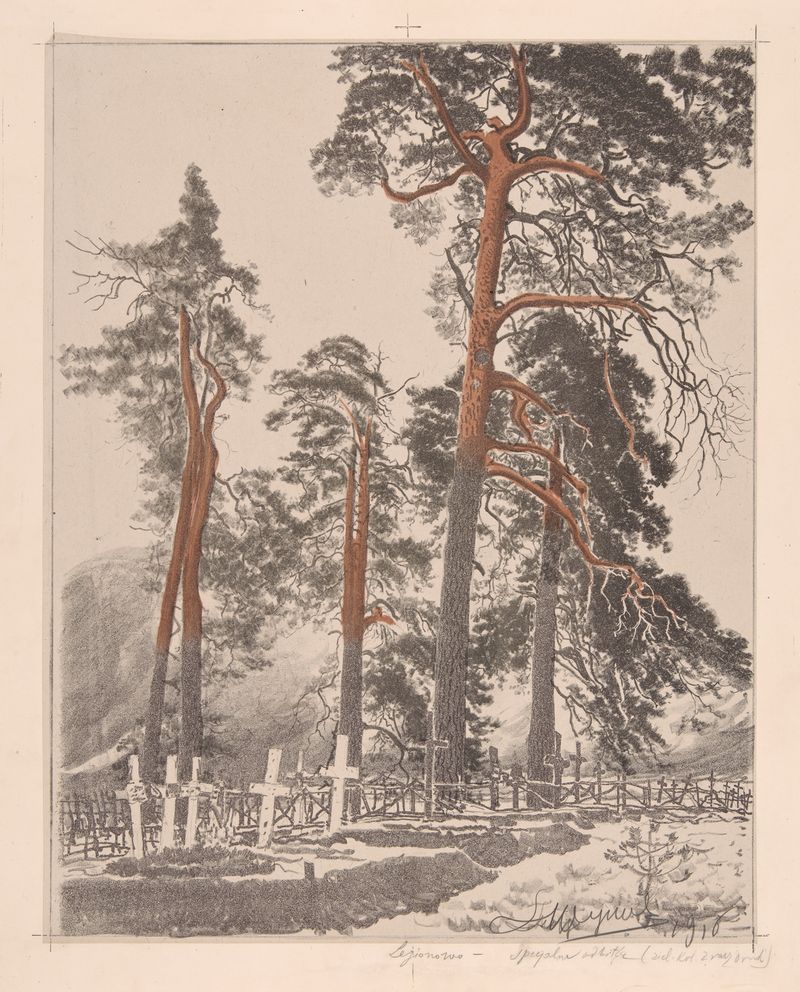
The Wołczecko cemetery
Leon Wyczółkowski
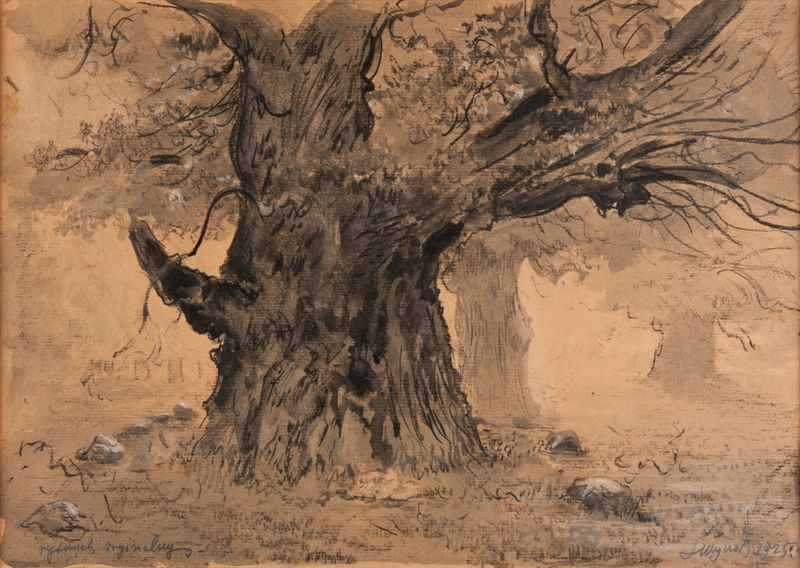
Rogalin Oaks
Leon Wyczółkowski
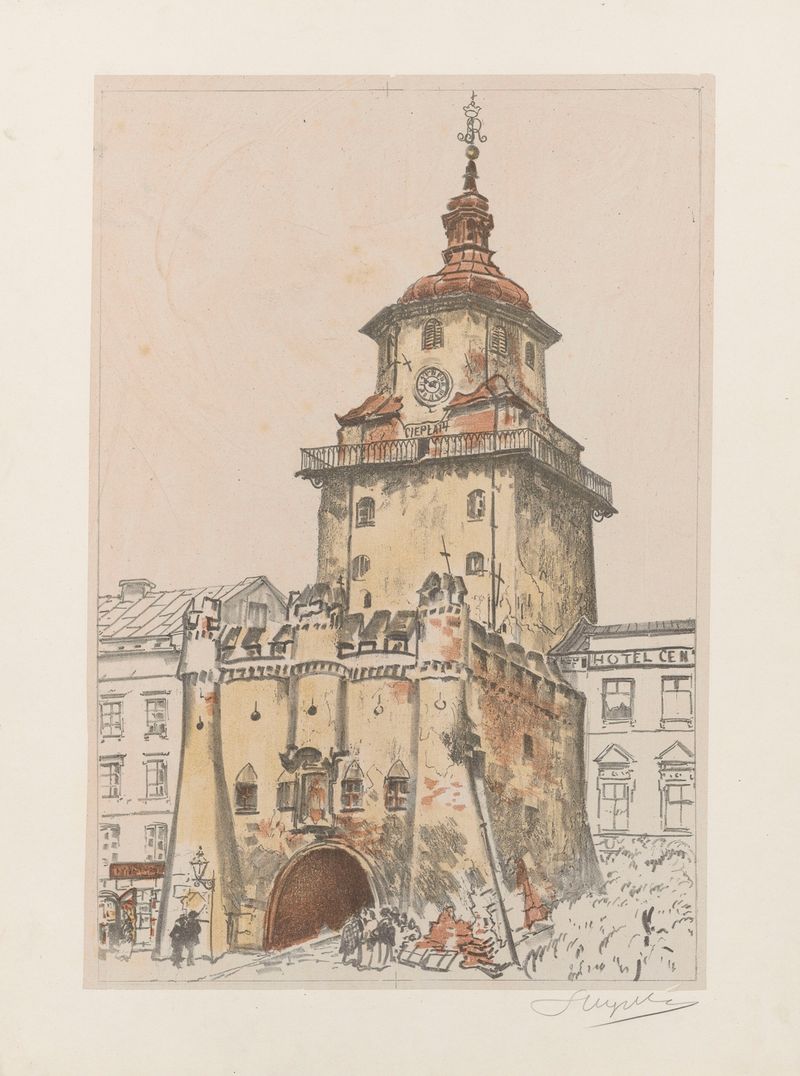
The Krakow Gate in Lublin, in summer
Leon Wyczółkowski
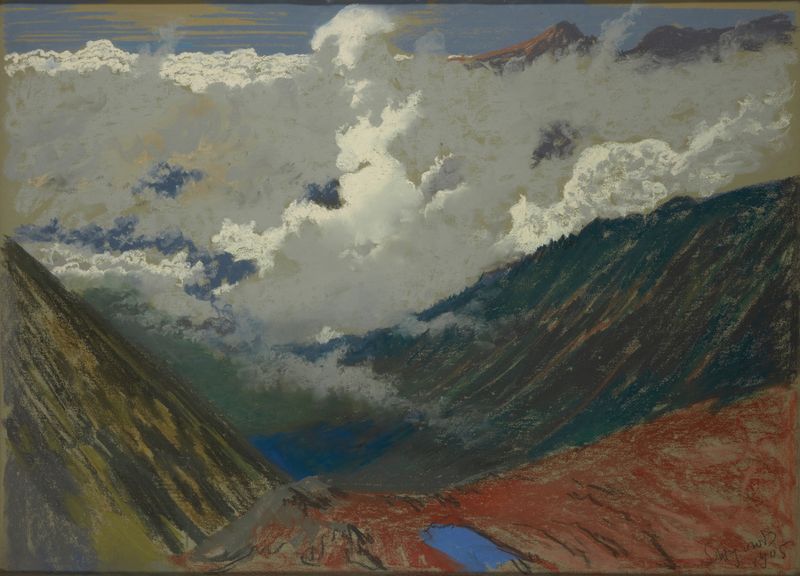
U Wrót Chałubińskiego
Leon Wyczółkowski
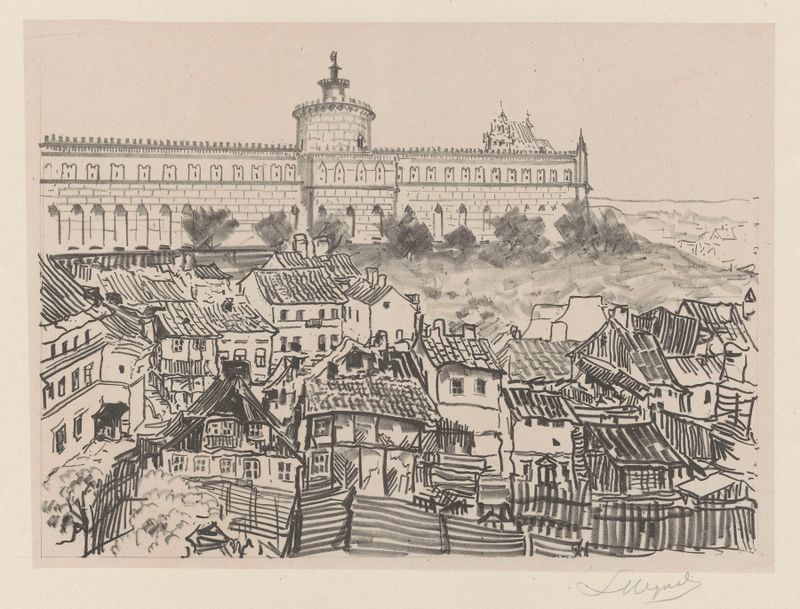
Castle and the Jewish quarter
Leon Wyczółkowski





