
Godard Frederik van Reede-Ginckel, cavalry general — History & Facts
What immediately commands attention in Godard Frederik van Reede-Ginckel, cavalry general is the unwavering, almost defiant gaze of its subject, framed by the gleaming armor and the thick, formal curls of a late seventeenth-century wig. The general stands, baton in hand, every detail of his posture and costume designed to convey authority and self-possession. Light falls across his breastplate, picking out the intricate gold embroidery and the crisp folds of his lace cravat, while his left hand rests with practiced ease on the hilt of his sword.
Behind him, the suggestion of a battlefield—specifically the Battle of the Boyne—anchors this portrait in a world of action and consequence, even as the heavy drapery above lends a sense of ceremony and grandeur. The artist draws the viewer’s eye from the resolute face to the baton, a symbol of command, and then out to the distant, smoke-hazed landscape, inviting us to imagine the clash of armies just beyond the frame. This painting belongs to the tradition of grand military portraiture that flourished in Europe during the late seventeenth century, when generals and nobles alike sought to secure their legacy through art. Such works were often commissioned to commemorate victories or to assert status at court, their imposing scale and rich detail reflecting both personal ambition and the shifting politics of the age.
Painted between 1690 and 1703, this portrait by Adriaen van der Werff captures not only the likeness but the carefully constructed public image of Godard van Reede, Lord of Amerongen and lieutenant-general. Today, it resides in the Rijksmuseum, a reminder that history sometimes preserves its heroes less through their deeds than through the images they chose to leave behind. Look again, and consider what this face—and this armor—were meant to say to the generations that followed.
More Artworks by Adriaen van der Werff

Descent from the Cross
Adriaen van der Werff
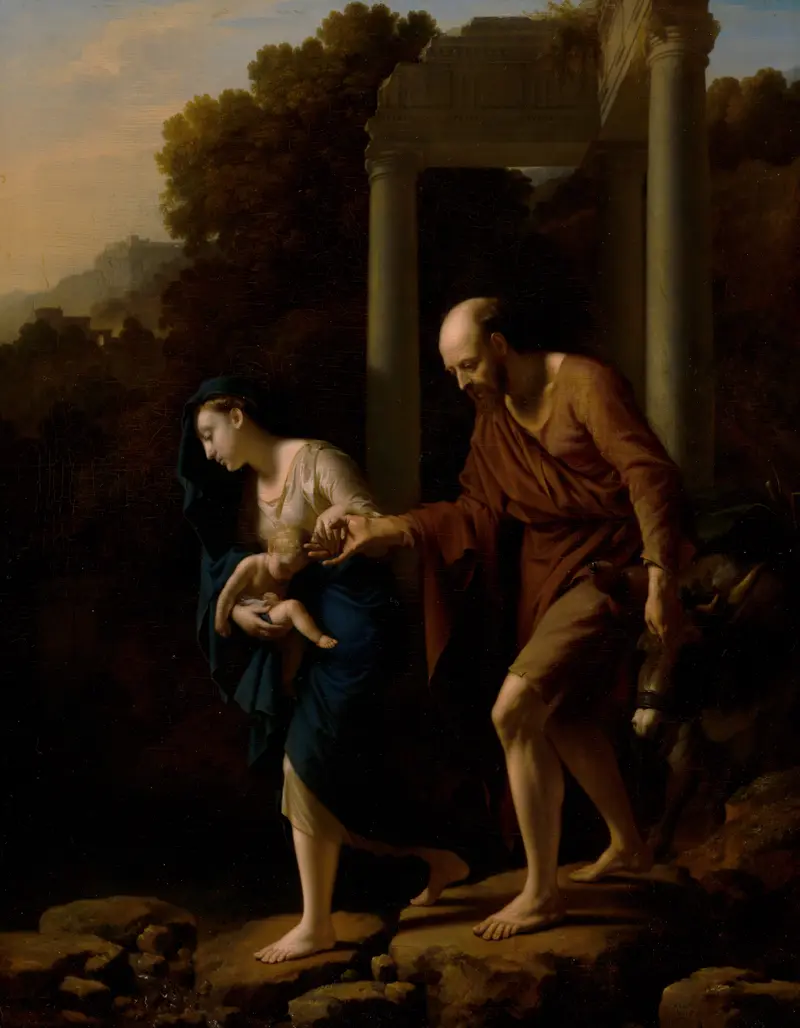
The Flight into Egypt
Adriaen van der Werff
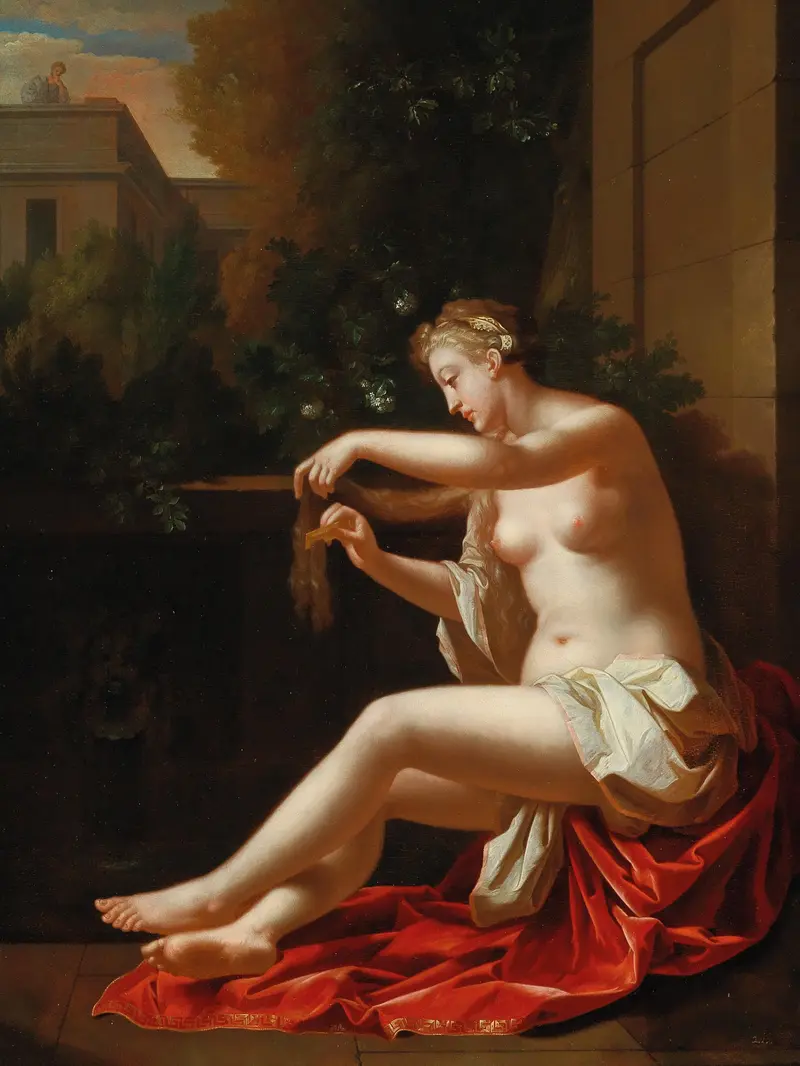
Bathsheba
Adriaen van der Werff
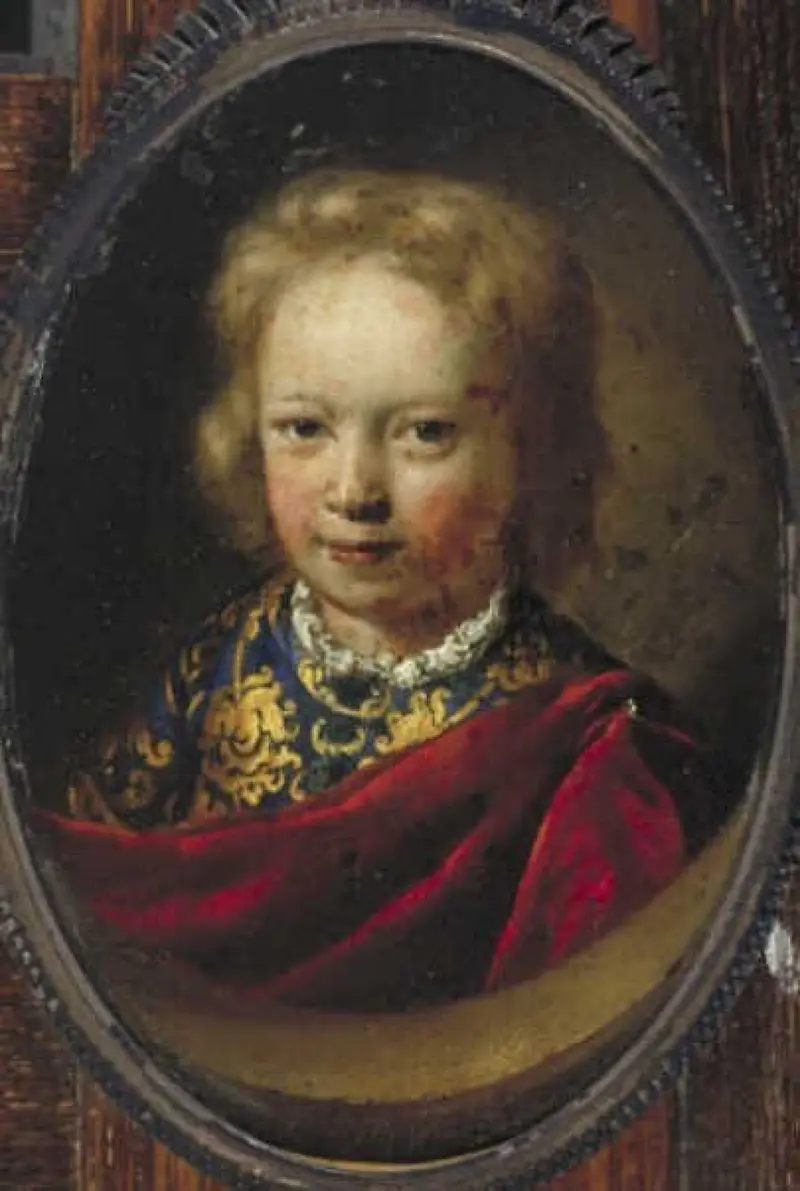
Portrait of Johan Versijden de Jonge
Adriaen van der Werff
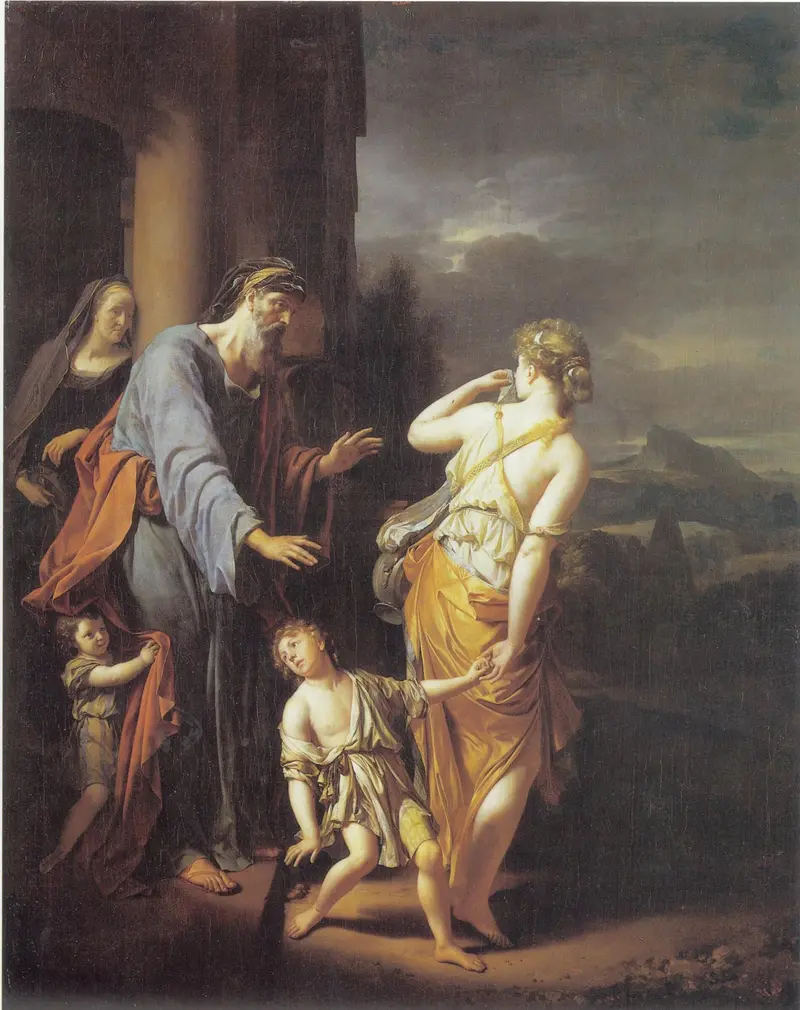
The Banishment of Hagar
Adriaen van der Werff
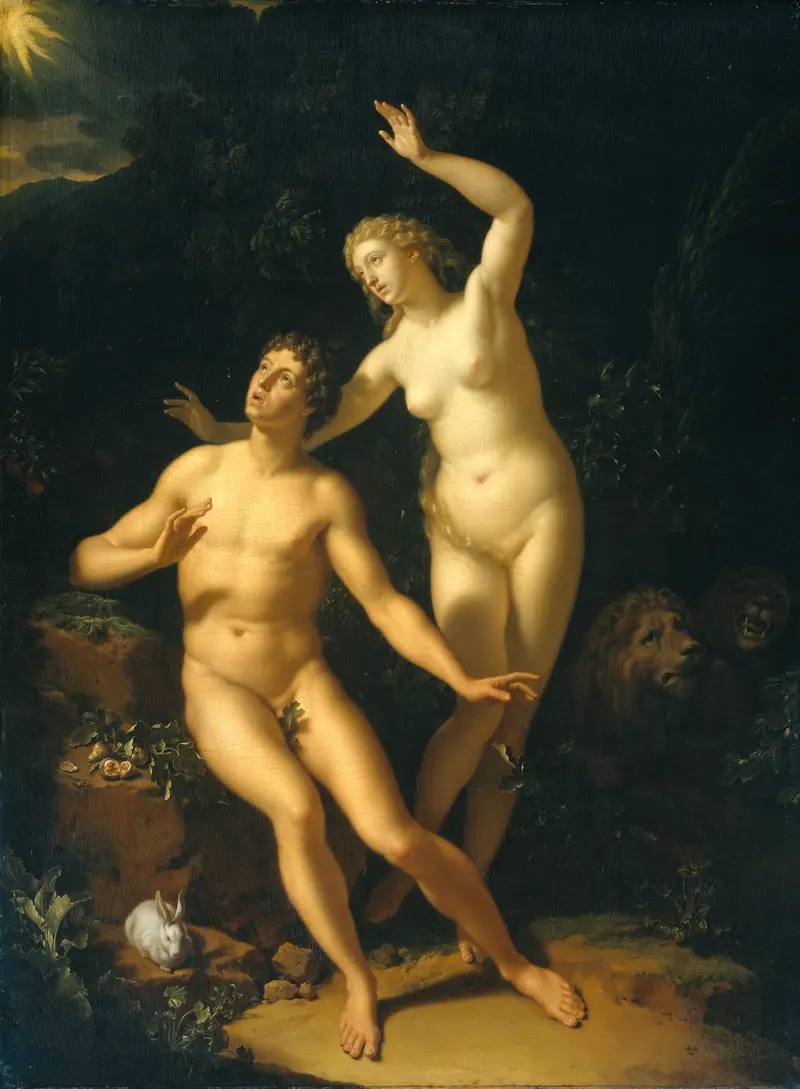
God Holds Adam and Eve Responsible
Adriaen van der Werff
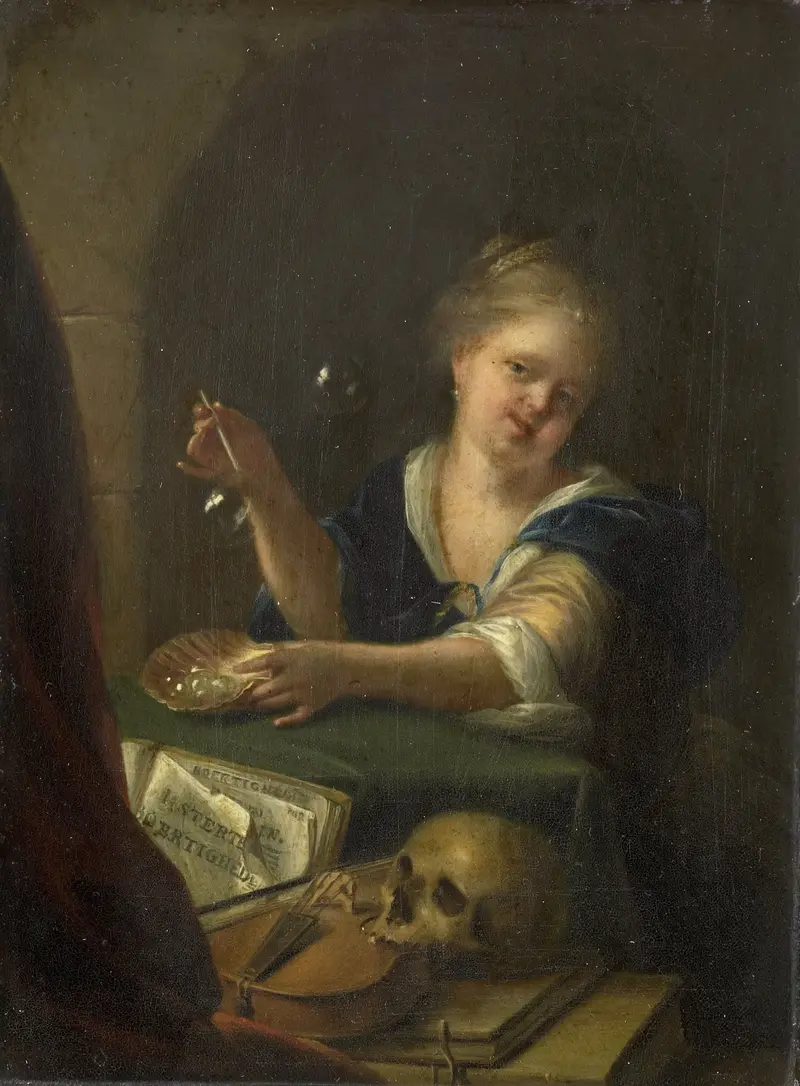
Bubble-blowing Girl with a Vanitas Still Life
Adriaen van der Werff
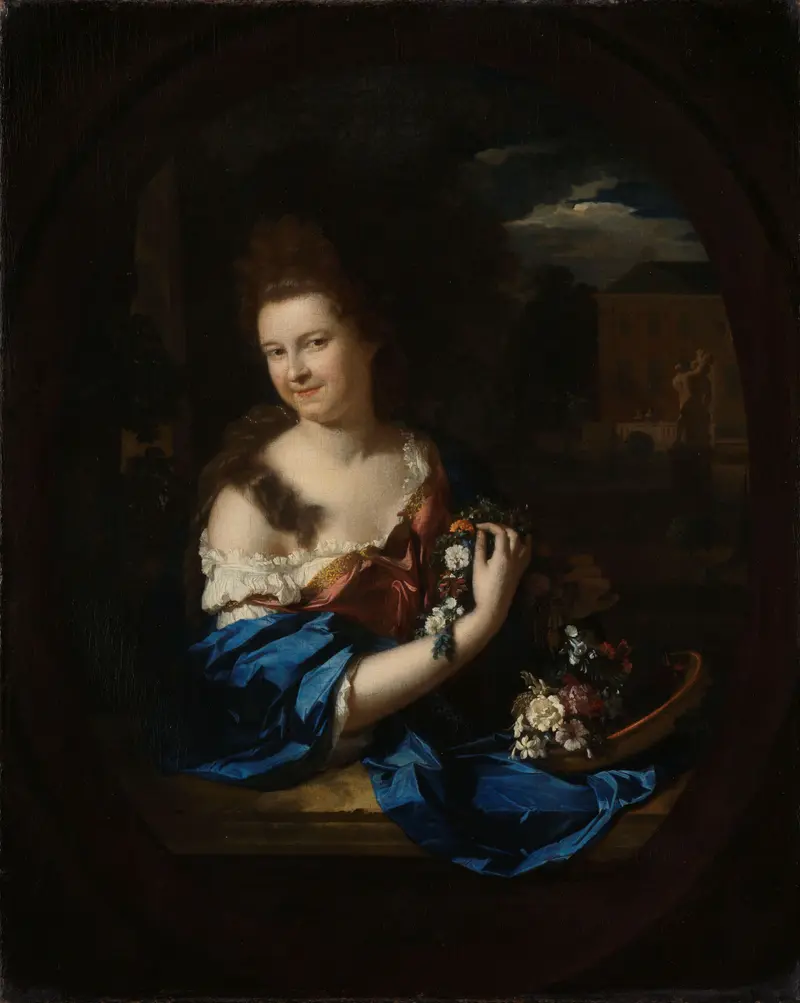
Portrait of Margaretha Rendorp (1673-1730), wife of Jan van de Poll
Adriaen van der Werff
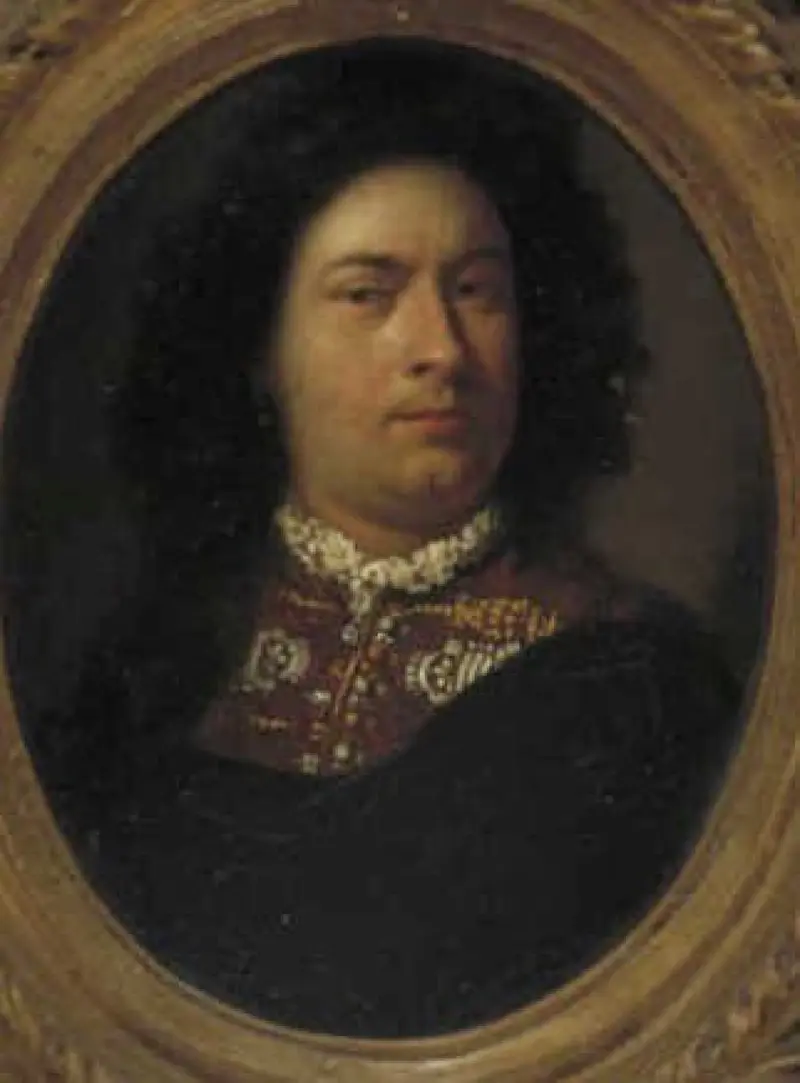
Portrait of Jacob Hendricksz. Vingerhoed
Adriaen van der Werff
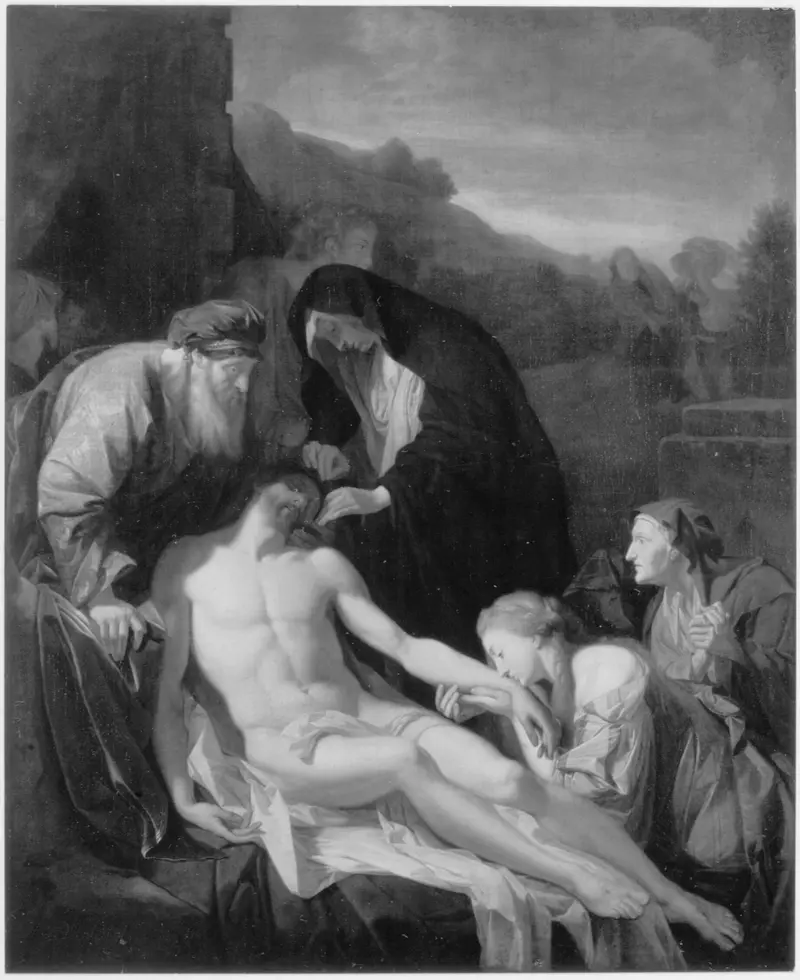
The burial of Christ
Adriaen van der Werff





