
Going home — History & Facts
What if beauty was never meant to be finished? The essence of serenity lies in the simplicity of the everyday, whispering truths that go beyond the visible. Focus on the warm, golden hues that envelop the canvas, drawing your eye to the gentle embrace of twilight. Look to the left, where the silken outlines of distant hills merge seamlessly with the sky, suggesting a horizon that beckons both peace and departure. The interplay of light and shadow creates a tender atmosphere, inviting contemplation as figures meander along a dirt path bathed in the soft glow. Delve deeper into the delicate balance between the warmth of human presence and the coolness of nature.
The brushstrokes capture fleeting moments—each figure, though small, resonates with a sense of purpose and belonging. Notice how the serene landscape serves as both a backdrop and a stage, emphasizing the journey of the figures while hinting at the bittersweet nature of returning home. This duality expresses a longing for connection and the inevitability of change, creating a rich tapestry of emotion. Created in 1890, Going Home emerged during a transformative period for Conder, who was living in Australia amidst the burgeoning Impressionist movement.
He sought to capture the essence of his surroundings, reflecting a personal and artistic evolution in a world that was increasingly connected yet fragmented. This work symbolizes a tender moment of introspection in the artist’s life, where the beauty of the ordinary became a means of exploring deeper existential themes.
More Artworks by Charles Conder
Browse all →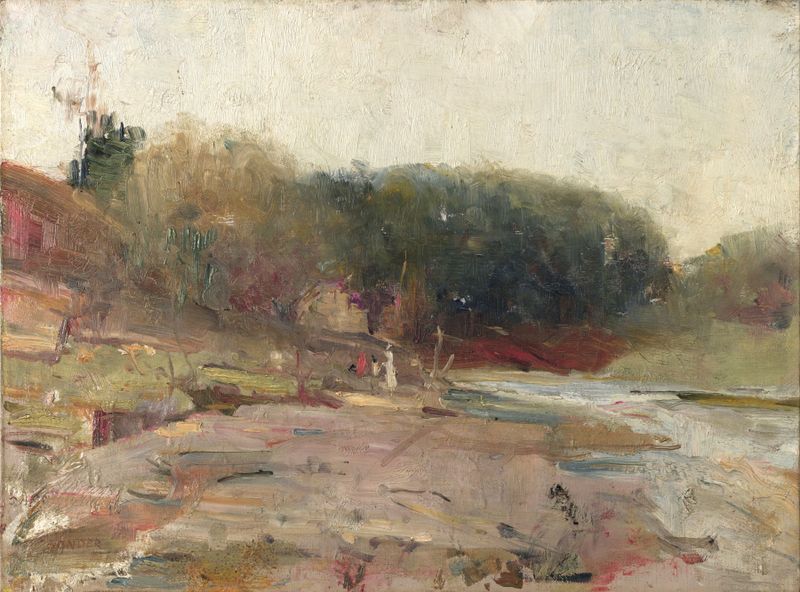
On the River Yarra, near Heidelberg, Victoria
Charles Conder
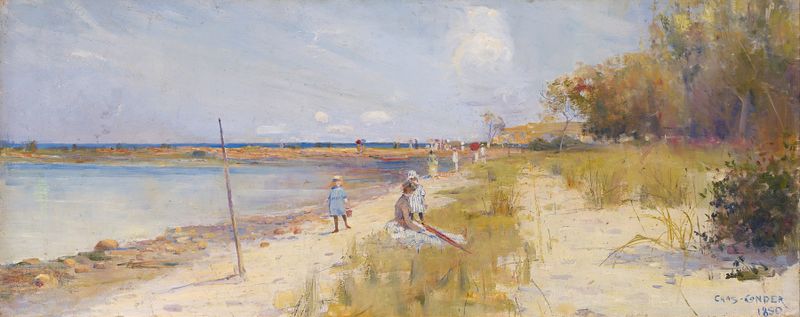
Rickett’s Point
Charles Conder

Sunset, Sydney Harbour
Charles Conder

Australian landscape
Charles Conder

Riddell’s Creek
Charles Conder
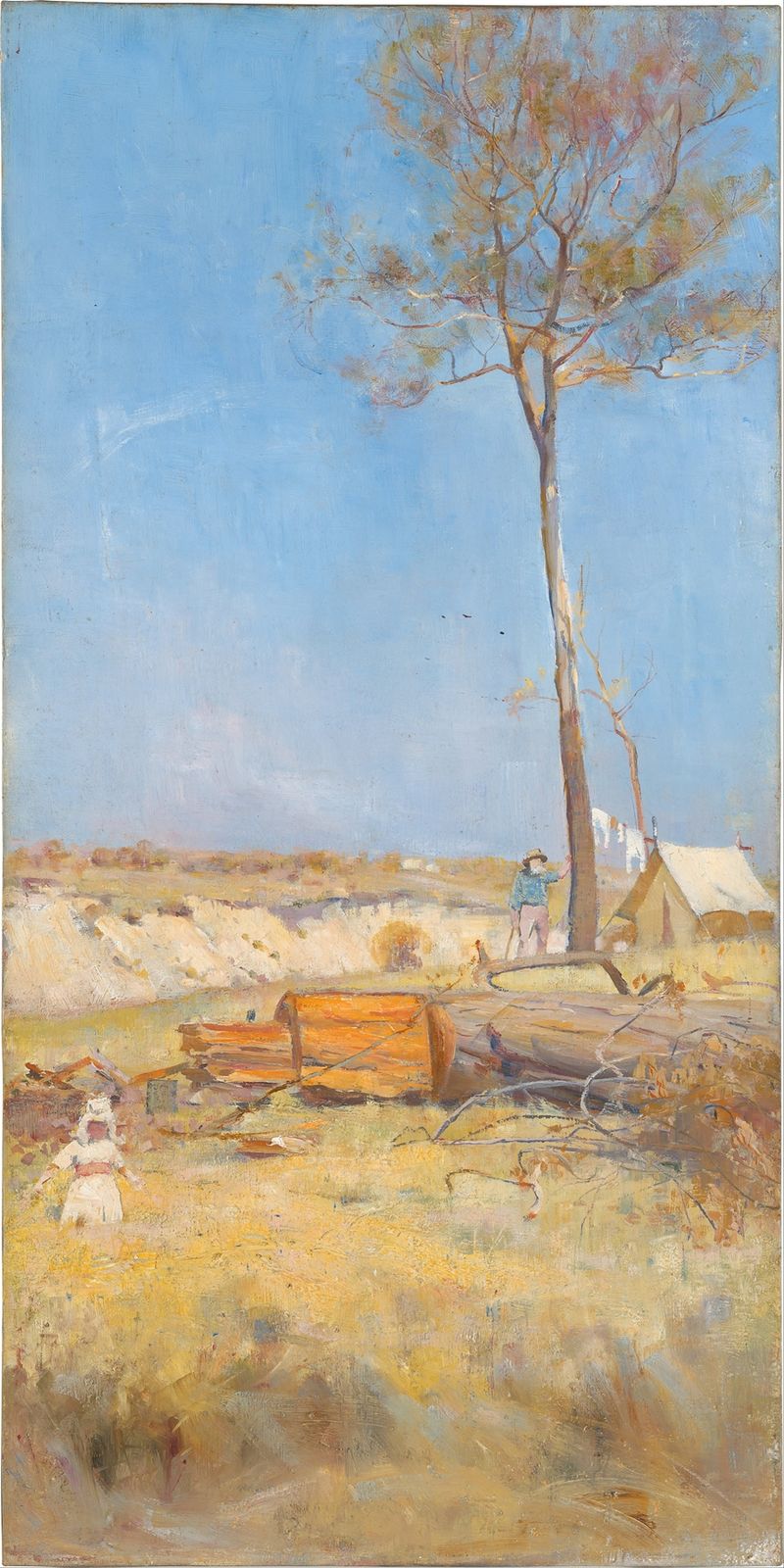
Under a southern sun
Charles Conder
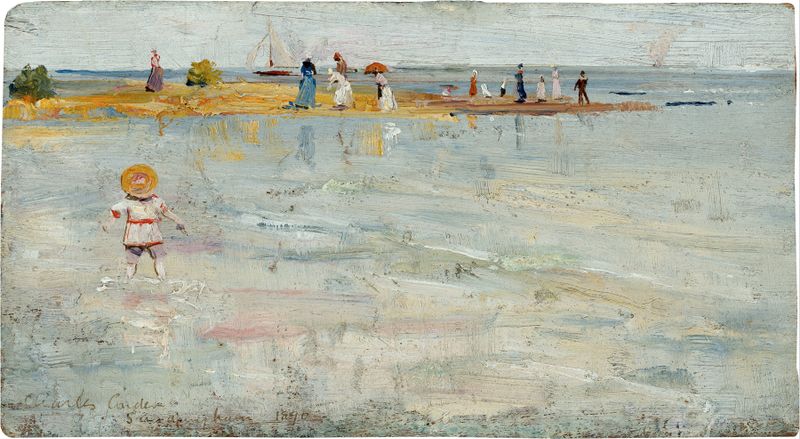
Ricketts Point, Beaumaris
Charles Conder
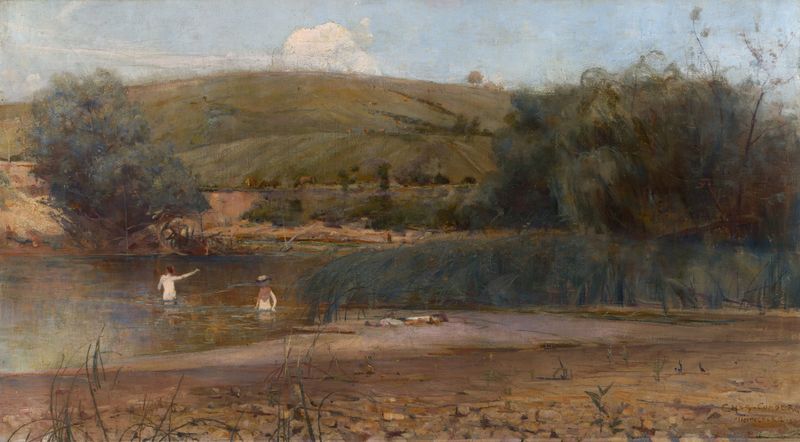
The Yarra, Heidelberg
Charles Conder
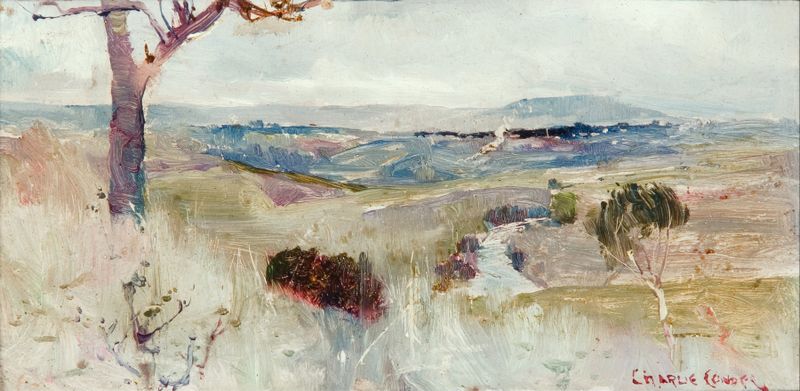
Dandenongs from Heidelberg
Charles Conder
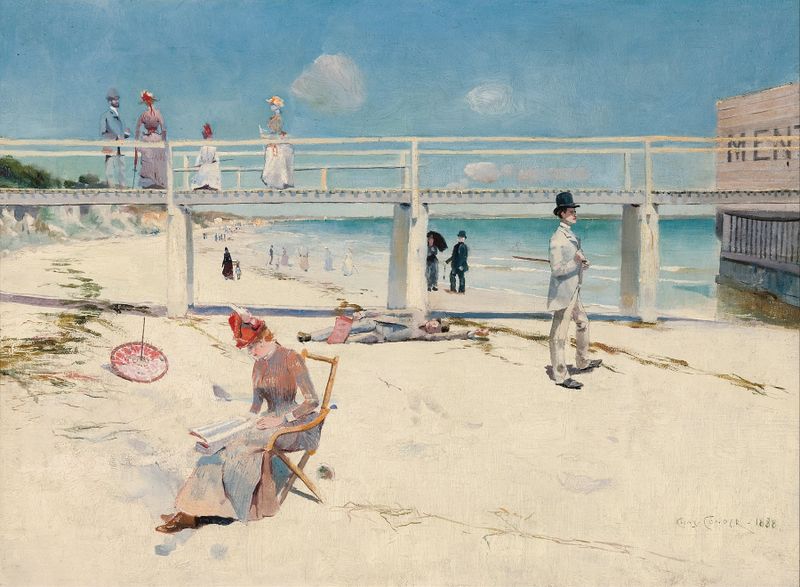
A holiday at Mentone
Charles Conder





