
A holiday at Mentone — History & Facts
Who listens when art speaks of silence? In A Holiday at Mentone, Charles Conder captures a moment of quiet longing, inviting viewers to reflect on the unsaid, the paused sighs, and the whispers of fleeting time. Look to the center of the canvas where a group of elegantly dressed figures lounge on the sun-drenched shore. Notice how the sunlight dances across their parasols, each stroke of color breathing life into the scene. The use of soft pastels creates a dreamlike quality, drawing your eye to the gentle waves lapping at the shore, while the expansive sky evokes a sense of boundless freedom.
The figures’ relaxed poses contrast with the vibrant energy of the landscape, embodying a tranquil respite from the world. Delve deeper, and you’ll find layers of meaning entwined within this idyllic setting. The juxtaposition of stillness and the vibrant Mediterranean landscape speaks to a deeper yearning for escape. Each figure's expression tells a story of introspection, hinting at personal narratives beyond this moment of leisure.
The absence of any dynamic action adds an element of suspended time, as if they are caught between reality and the dream of a perfect getaway. In 1888, Conder painted this piece while living in Australia, a time when he was exploring the vibrant colors and light of coastal life. The work reflects not only his artistic development but also the broader Impressionist movement, which embraced the fleeting moments of modern life. This canvas serves as a snapshot of both personal and collective aspirations, merging the artist's experience with the universal desire for tranquility.
More Artworks by Charles Conder
Browse all →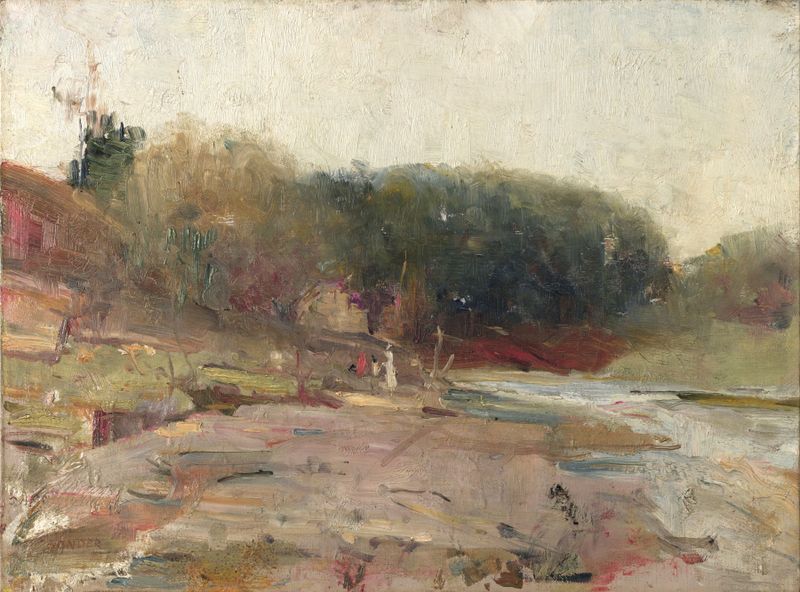
On the River Yarra, near Heidelberg, Victoria
Charles Conder
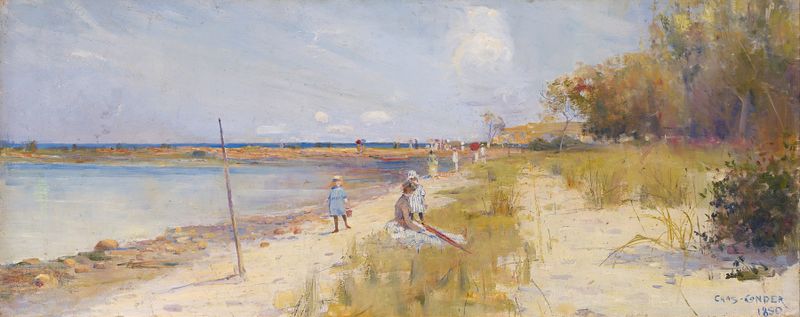
Rickett’s Point
Charles Conder

Sunset, Sydney Harbour
Charles Conder

Australian landscape
Charles Conder

Riddell’s Creek
Charles Conder
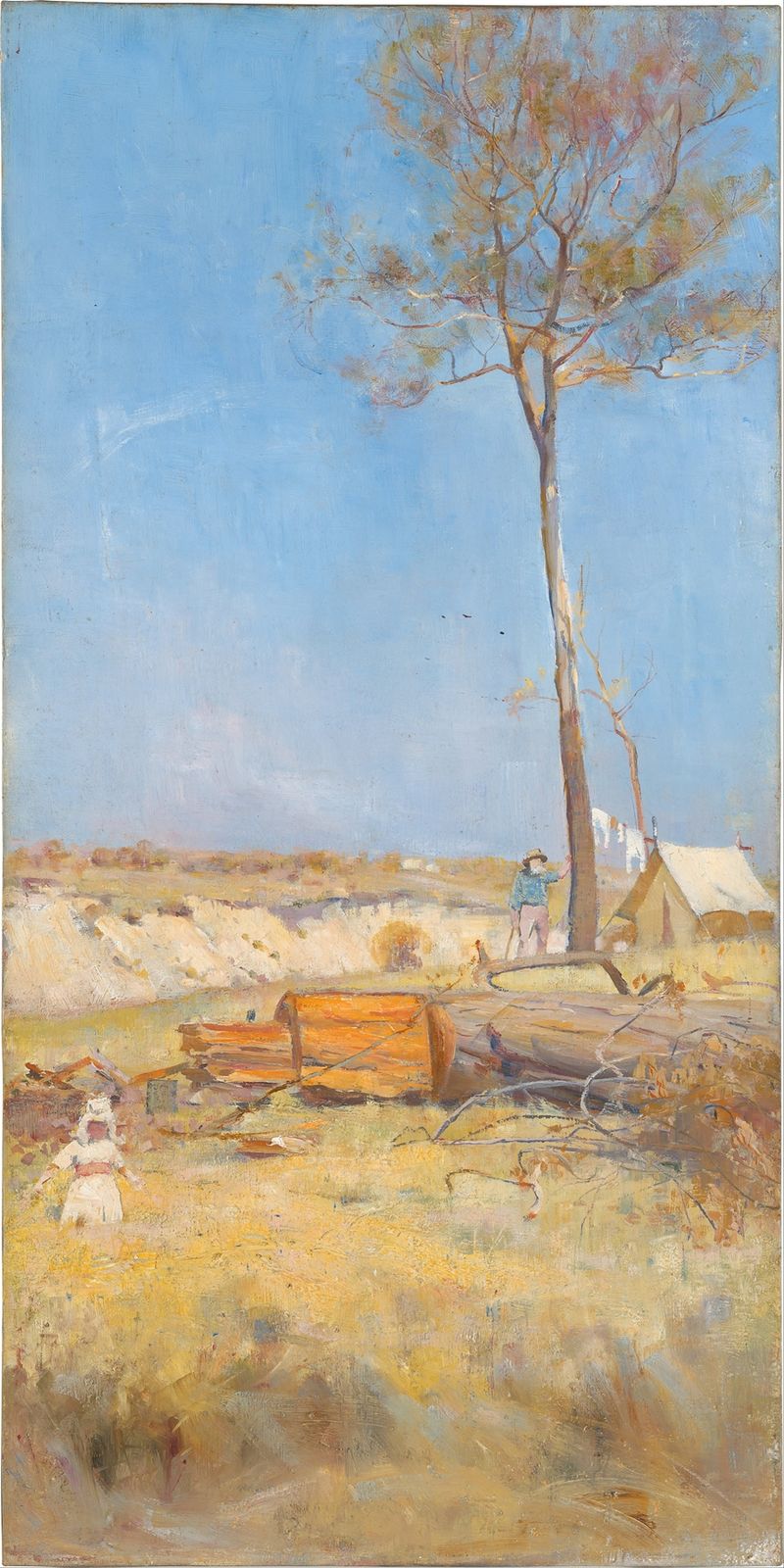
Under a southern sun
Charles Conder
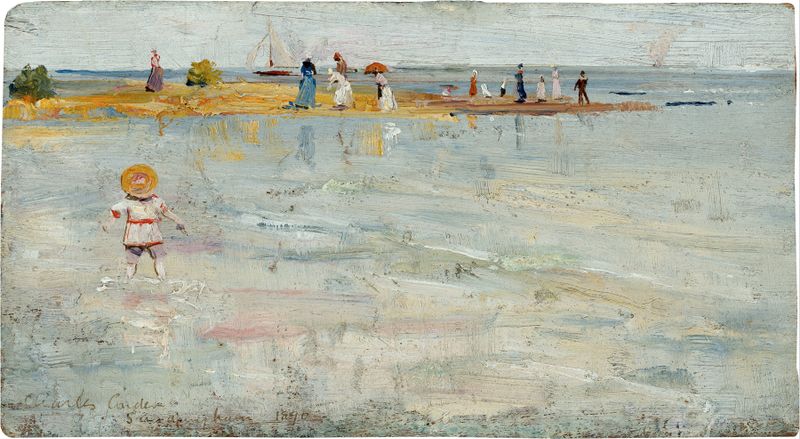
Ricketts Point, Beaumaris
Charles Conder

Going home
Charles Conder
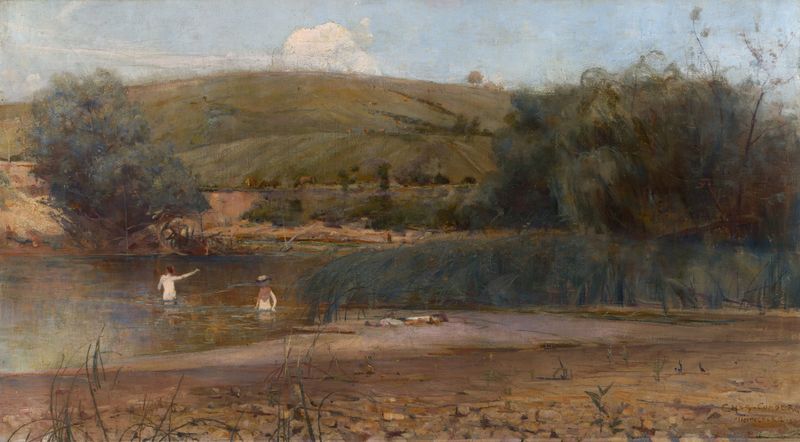
The Yarra, Heidelberg
Charles Conder
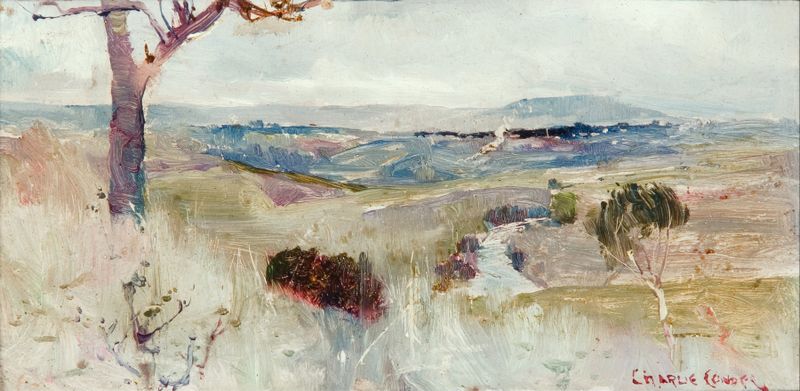
Dandenongs from Heidelberg
Charles Conder





