
The Yarra, Heidelberg — History & Facts
Did the painter know this moment would outlive them? In the soft embrace of twilight, time feels both fleeting and eternal, a paradox captured on canvas, whispering secrets of nature and memory. Look to the bottom left, where the gentle curve of the Yarra River flows gracefully through the landscape. The vivid greens of the banks contrast beautifully with the deep blues of the water, inviting the viewer's gaze to dance along the ripples reflecting the sky’s fading light. Notice how the delicate brushwork evokes the movement of leaves in a gentle breeze, creating a sensation of peace and stillness that envelops the entire scene. As you absorb the calming palette, consider the interplay between the vibrant, living elements of nature and the tranquil, reflective waters.
This contrast speaks to the transient beauty of life, reminding us of the fleeting nature of moments that are both serene and full of potential. The placement of figures within the composition, so small against the grandeur of the landscape, hints at humanity’s delicate relationship with the natural world—a legacy destined to endure beyond their ephemeral existence. Created during the late 19th century in Australia, the artist was immersed in a burgeoning movement that sought to define a national identity through landscape painting. The era was characterized by a shift toward impressionism, which emphasized capturing light and color rather than precise detail.
In this transformative period, the work reflects both personal exploration and the broader cultural narrative of a nation in search of its artistic voice.
More Artworks by Charles Conder
Browse all →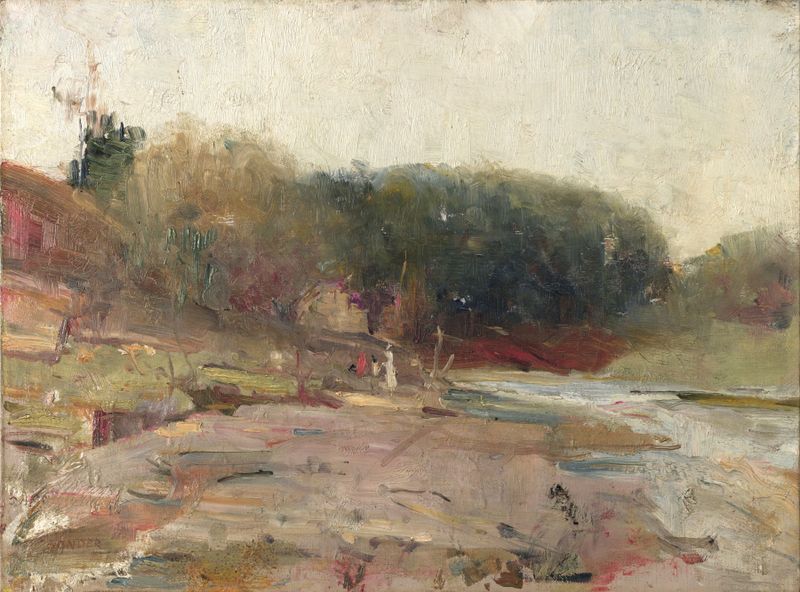
On the River Yarra, near Heidelberg, Victoria
Charles Conder
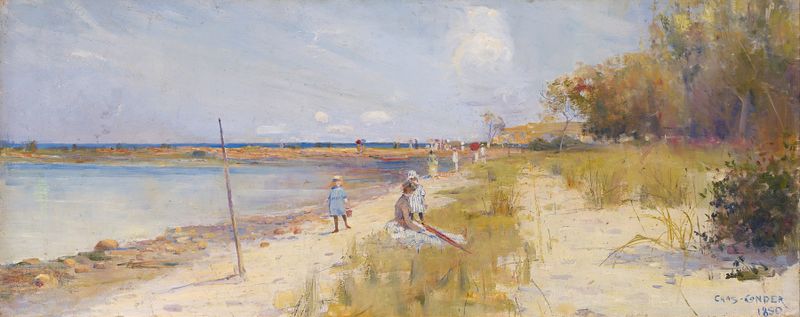
Rickett’s Point
Charles Conder

Sunset, Sydney Harbour
Charles Conder

Australian landscape
Charles Conder

Riddell’s Creek
Charles Conder
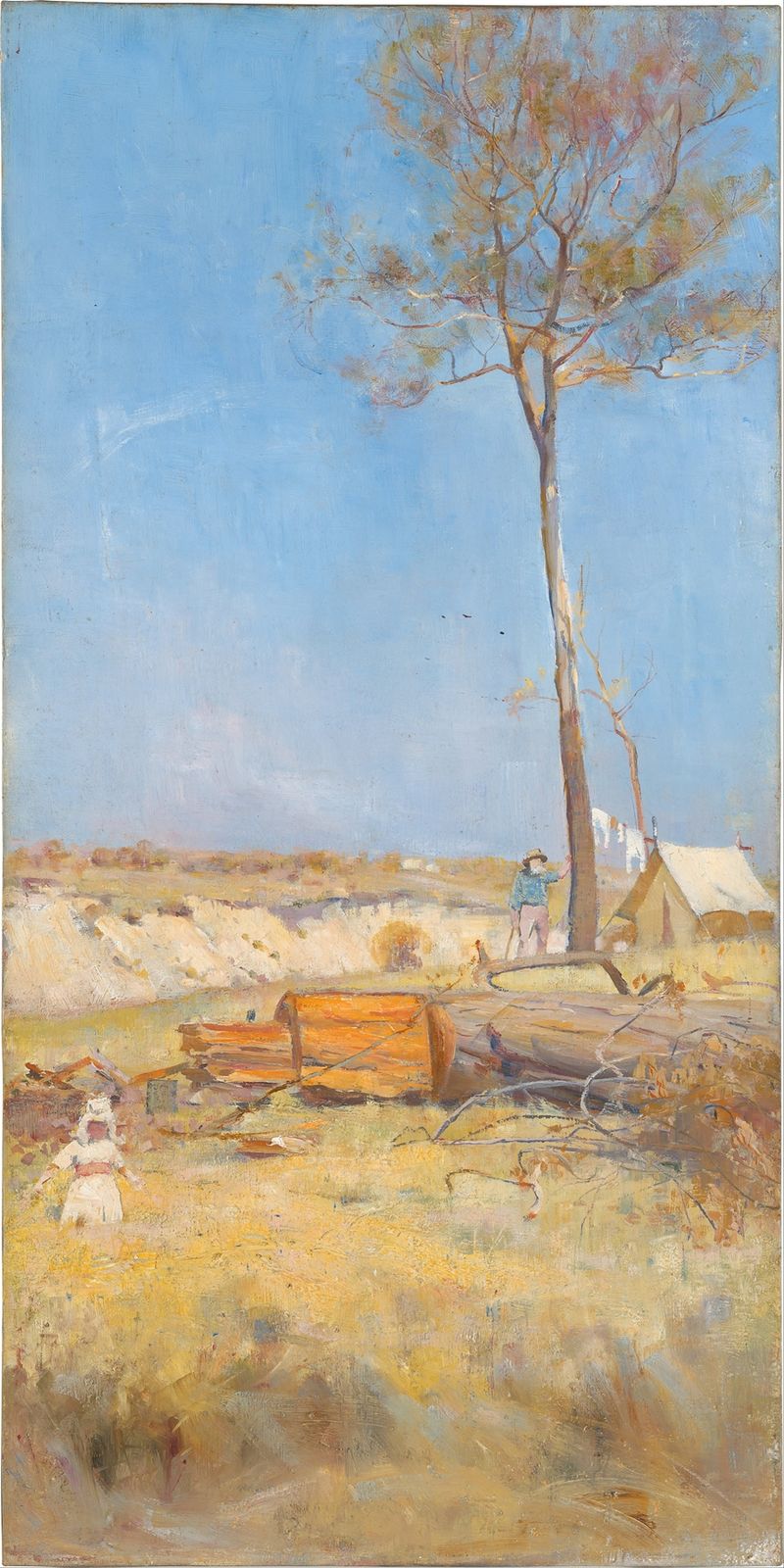
Under a southern sun
Charles Conder
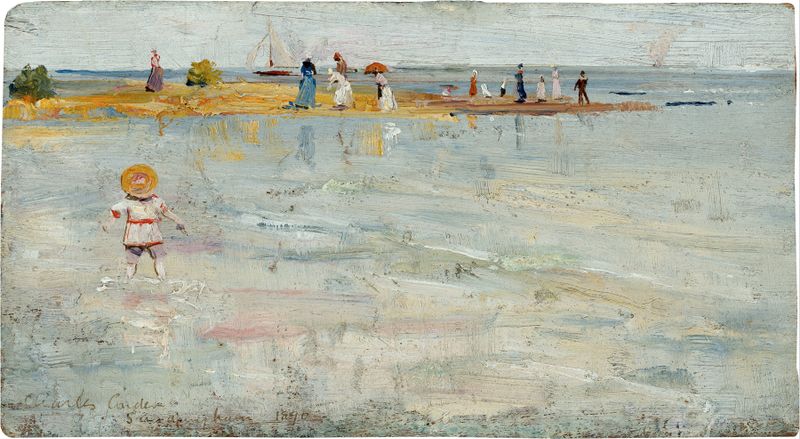
Ricketts Point, Beaumaris
Charles Conder

Going home
Charles Conder
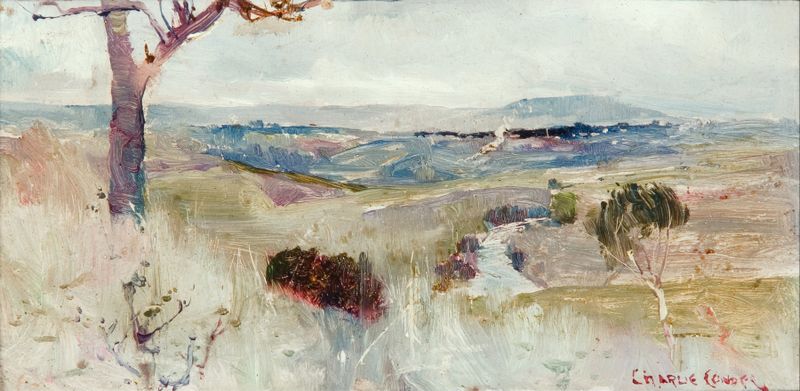
Dandenongs from Heidelberg
Charles Conder
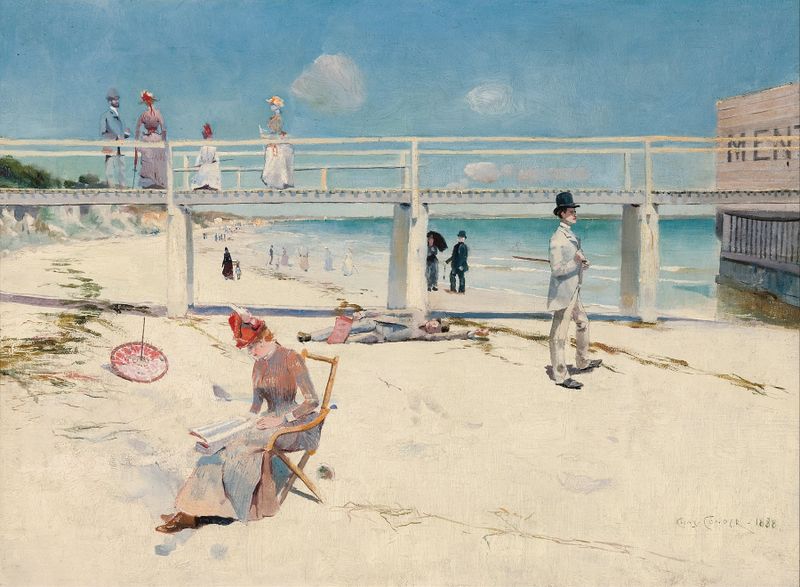
A holiday at Mentone
Charles Conder





