
Rickett’s Point — History & Facts
The vibrant hues of nature can often cloak the most profound sorrows that linger beneath the surface. In the delicate interplay of light and shadow, we find reflections of loss that echo the heart's quiet ache. Focus first on the sweeping expanse of the canvas, where the luminescent blues of the water seem to dance with the sun's warmth, drawing your eye toward the horizon. Notice how the strokes of gold and green create a gentle rhythm, each wave whispering stories of what once was.
The figures at the shoreline, mere silhouettes, invite contemplation, grounding the dreamlike scenery with their presence, yet they remain enigmatic, suggesting a distance between joy and yearning. Here, the juxtaposition of the vibrant landscape and the solitary figures speaks to emotional contrasts. The sunlit beauty of Rickett’s Point stands in stark opposition to the weight of absence, suggesting that even in moments of bliss, shadows of what we have lost can linger. The serenity of the scene ultimately prompts viewers to reflect on their own experiences of loss, as if the very essence of the location embodies the bittersweet nature of memory. Charles Conder painted this piece during the late 19th century, a period marked by a transformative wave in the Australian art movement.
Living in Melbourne and immersed in the vibrant, evolving landscape of Impressionism, he captured fleeting moments of beauty while grappling with the personal and collective narratives of his time. This painting reflects not just a location, but a deeper exploration of emotion, mirroring Conder's own complex relationship with life and loss.
More Artworks by Charles Conder
Browse all →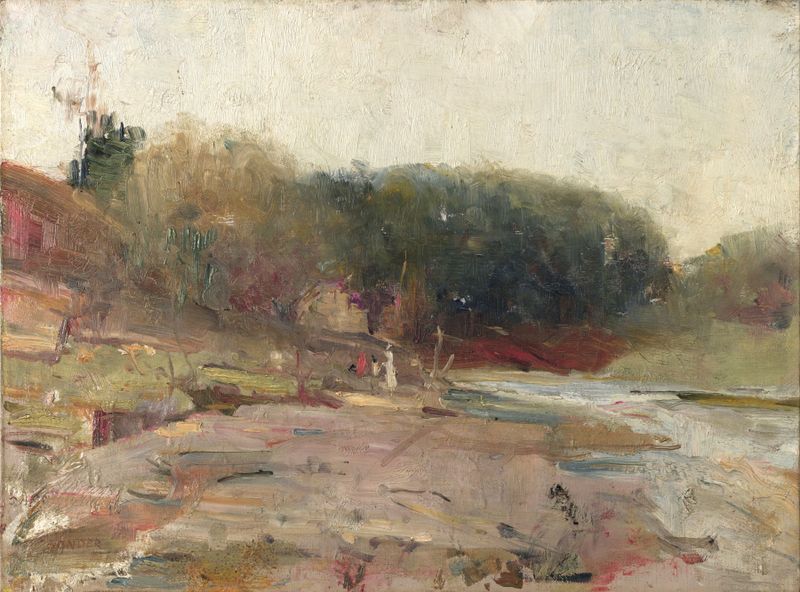
On the River Yarra, near Heidelberg, Victoria
Charles Conder

Sunset, Sydney Harbour
Charles Conder

Australian landscape
Charles Conder

Riddell’s Creek
Charles Conder
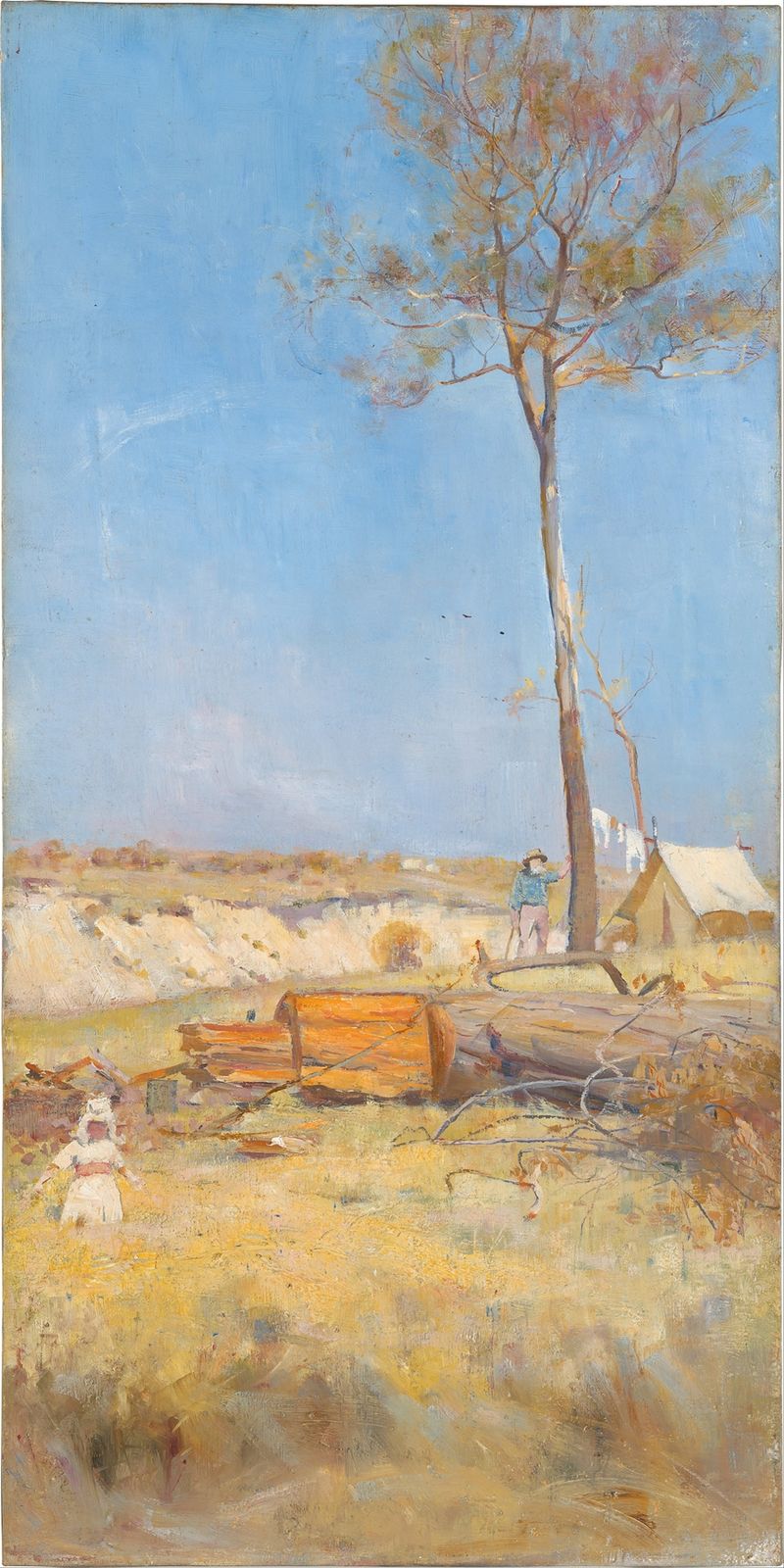
Under a southern sun
Charles Conder
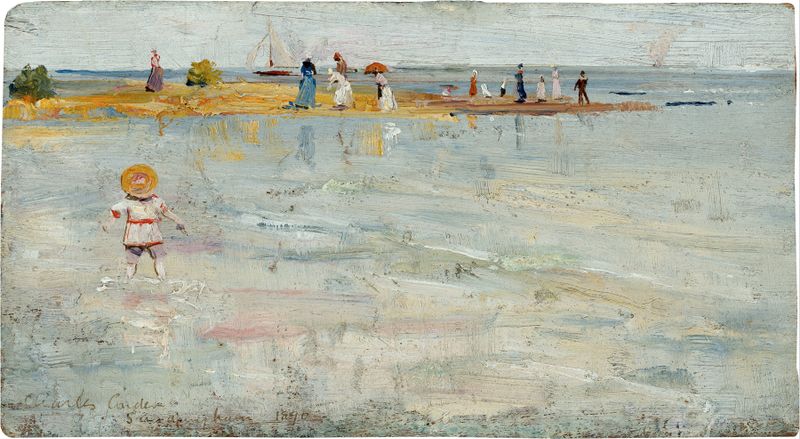
Ricketts Point, Beaumaris
Charles Conder

Going home
Charles Conder
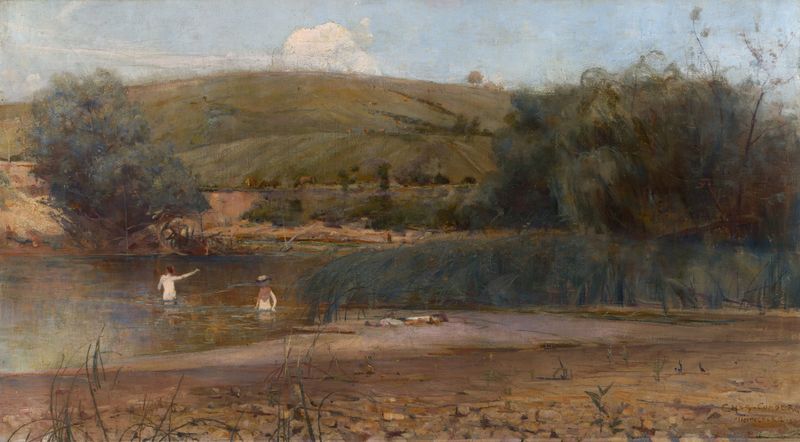
The Yarra, Heidelberg
Charles Conder
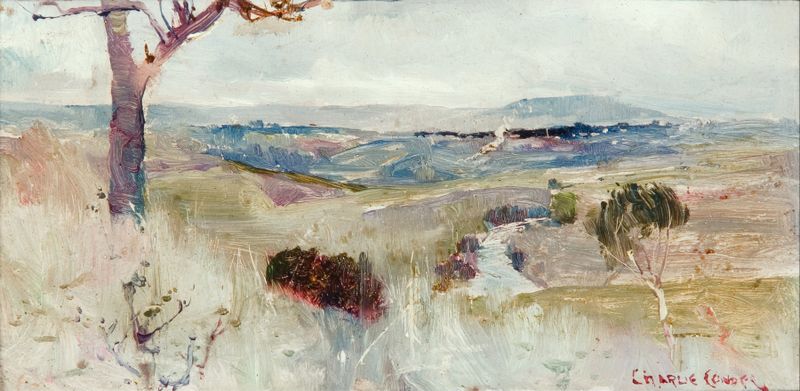
Dandenongs from Heidelberg
Charles Conder
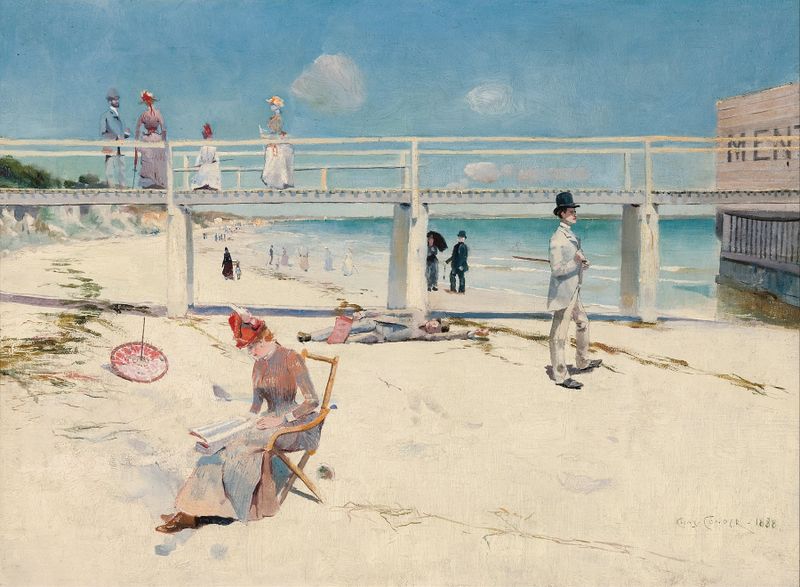
A holiday at Mentone
Charles Conder





