
Gojōbashi no tsuki — History & Facts
In Gojōbashi no tsuki, the viewer is greeted by a tranquil night scene. The colors are predominantly deep blues and blacks, with soft whites illuminating the moon. The Gojōbashi bridge is depicted gracefully arching over a calm body of water.
Silhouettes of trees frame the scene, enhancing the peaceful atmosphere. This artwork is a woodblock print, a traditional Japanese technique known for its intricate details and vibrant colors. The composition showcases Yoshitoshi's skill in capturing light and shadow, particularly in the moon's reflection on the water. The use of negative space is also notable, allowing the viewer's eye to rest on the serene elements of the landscape.
The print is a fine example of the Ukiyo-e style, which flourished during the Edo period. Tsukioka Yoshitoshi was a prominent figure in the Ukiyo-e movement, known for his innovative approach to traditional woodblock printing. Gojōbashi no tsuki reflects his mastery of depicting night scenes, a rarity in Ukiyo-e. Interestingly, this work was created during a time when Yoshitoshi was exploring themes of beauty and transience in nature.
His prints often convey a sense of nostalgia, capturing fleeting moments in time.
More Artworks by Tsukioka Yoshitoshi

Frost fills the air and the autumn air is still/lines of returning geese cross the moon in the third hour-Kenshin, from the series Twelve Aspects of the Moon
Tsukioka Yoshitoshi
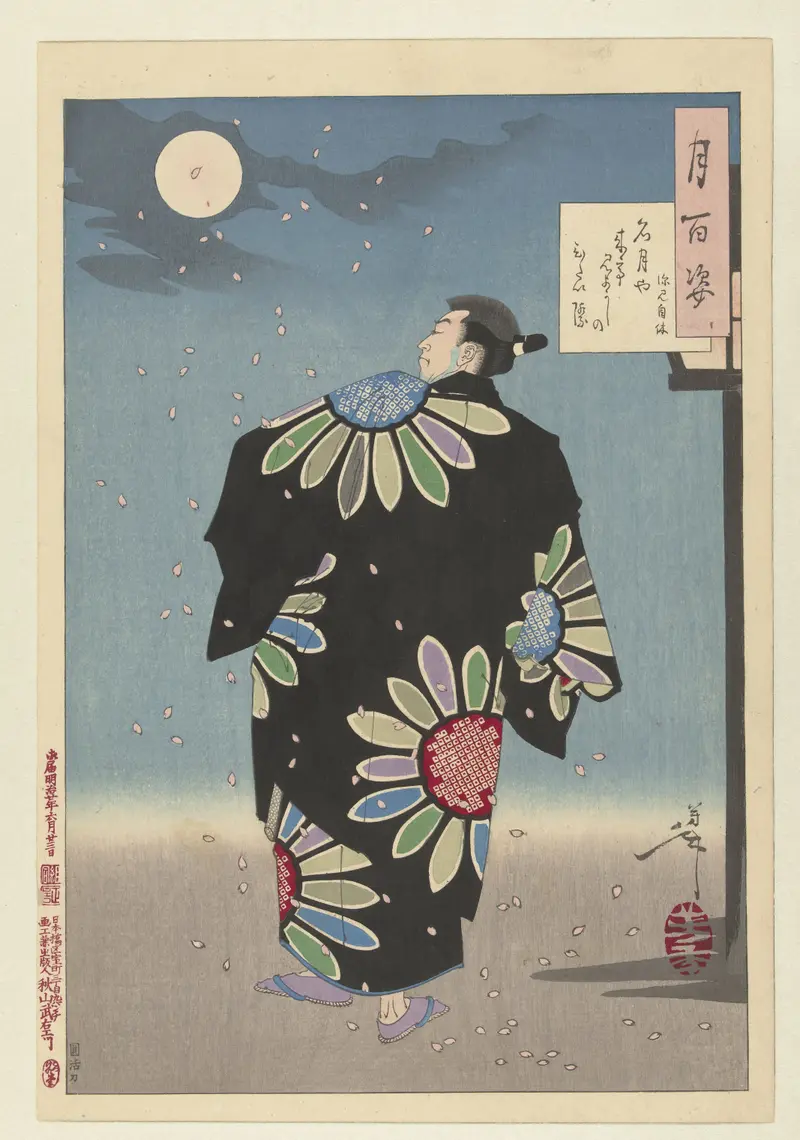
Fukami Jikyu in maanlicht
Tsukioka Yoshitoshi
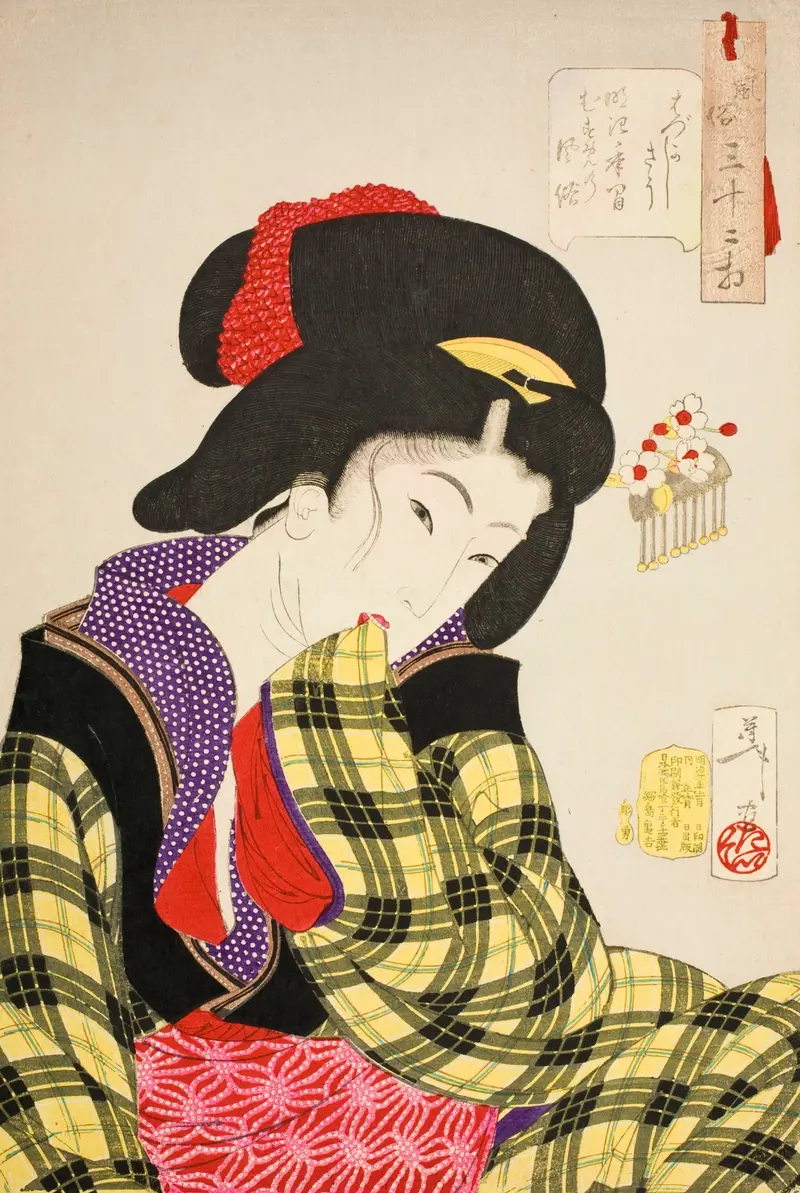
Looking Shy; The Manners of a Young Girl of the Meiji Era
Tsukioka Yoshitoshi
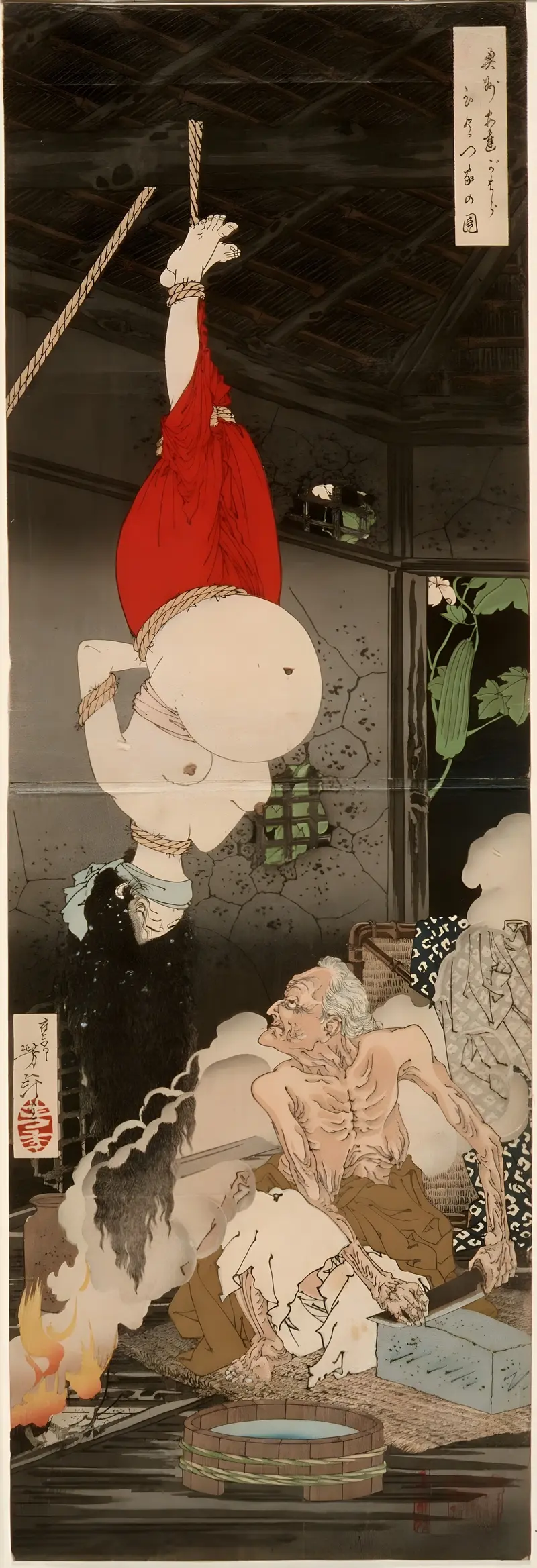
The Lonely House on Adachi Moor in Northern Japan
Tsukioka Yoshitoshi
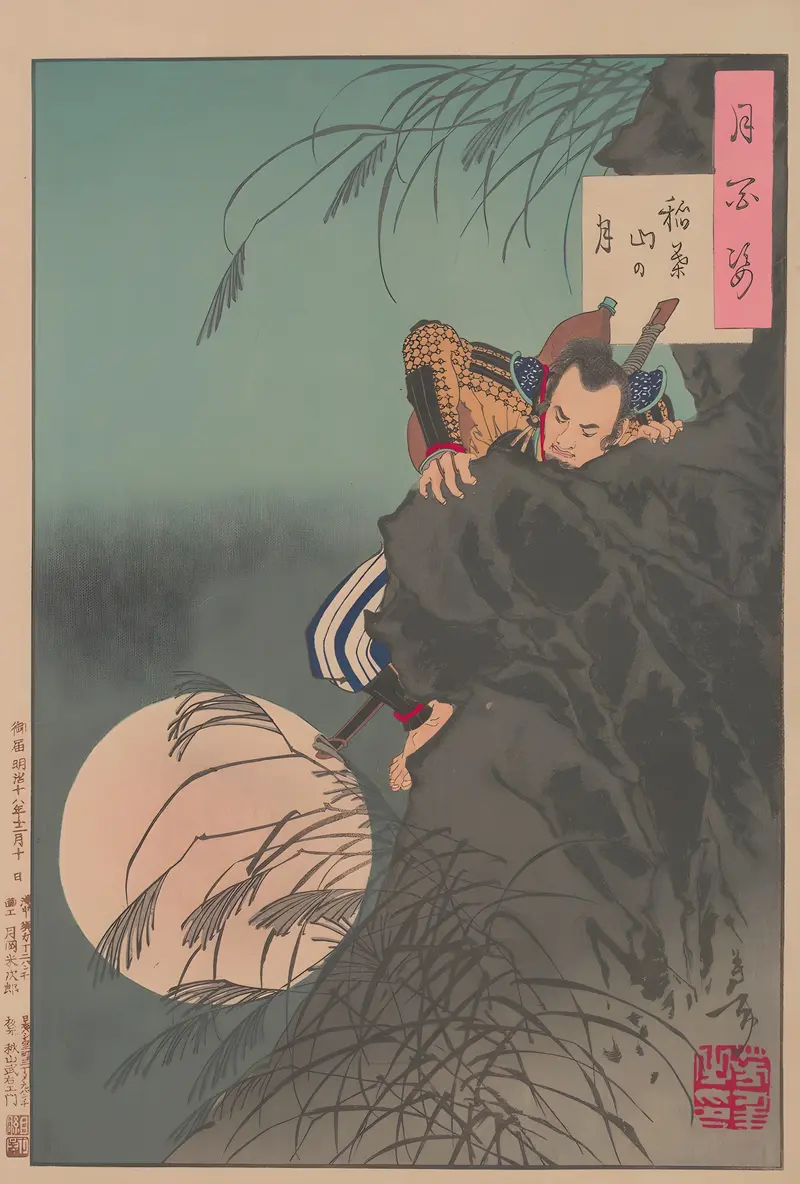
Inaba Mountain moon (Inabayama no tsuki)
Tsukioka Yoshitoshi
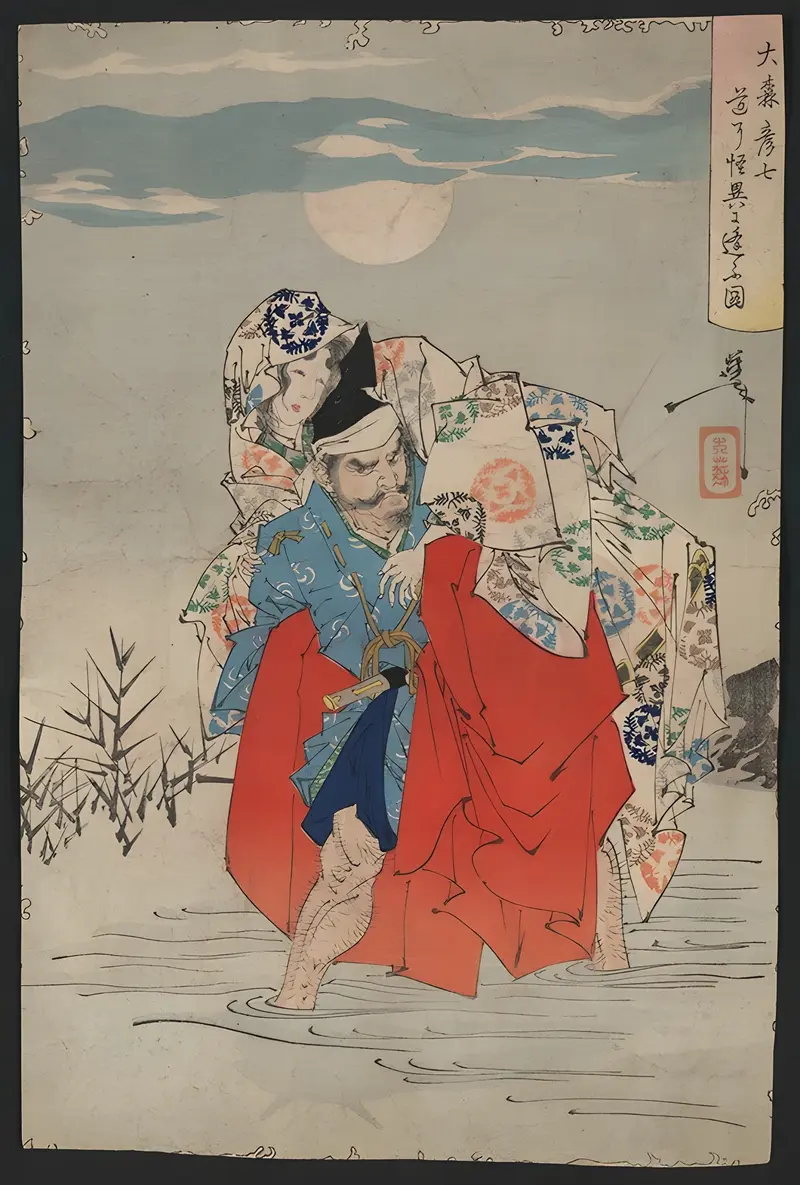
Omori Hikoshichi
Tsukioka Yoshitoshi
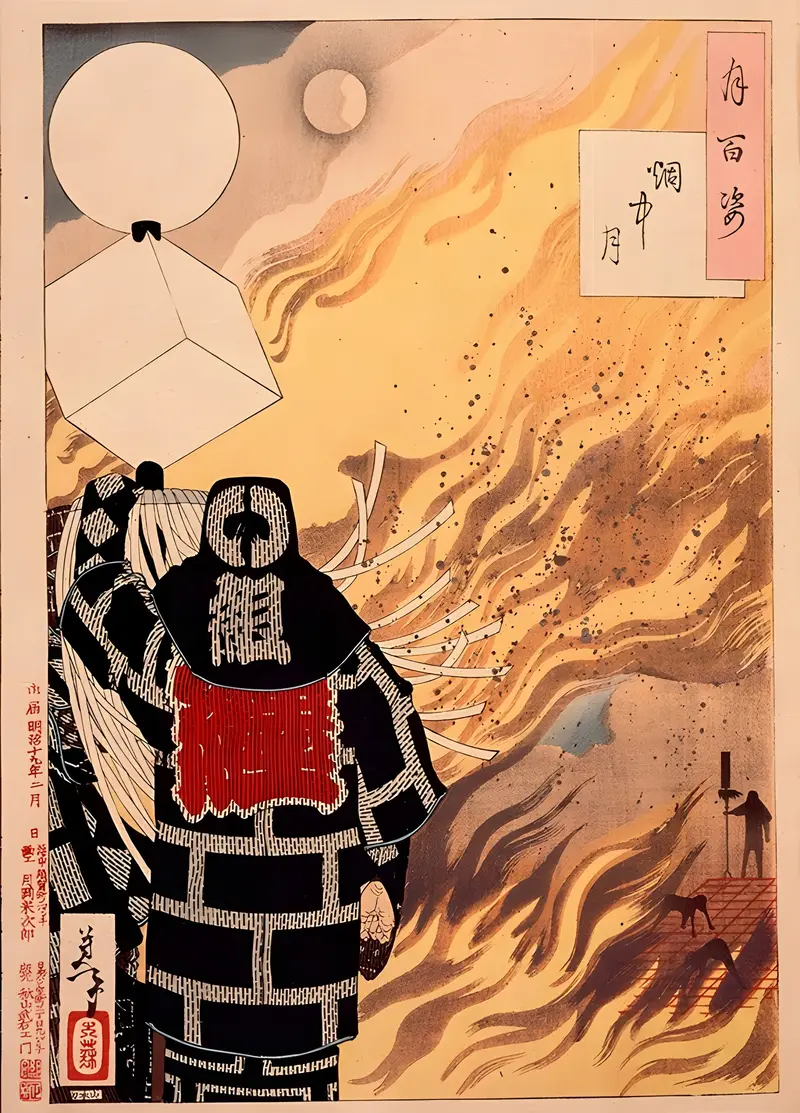
One Hundred Aspects of the Moon
Tsukioka Yoshitoshi
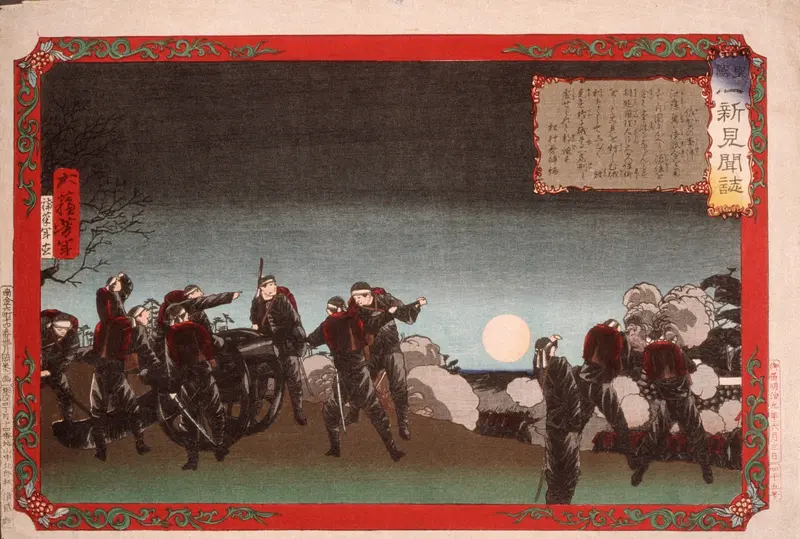
The Saga Incident
Tsukioka Yoshitoshi
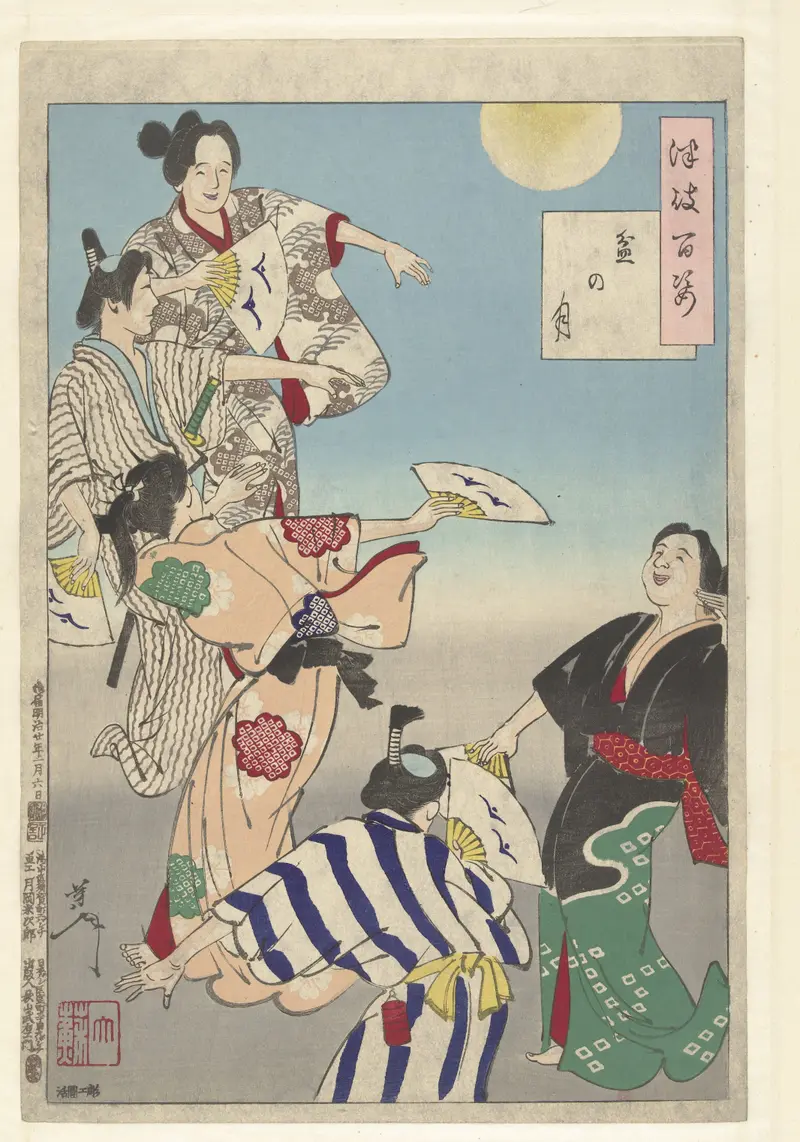
Bon Festival Moon (Bon no tsuki)
Tsukioka Yoshitoshi
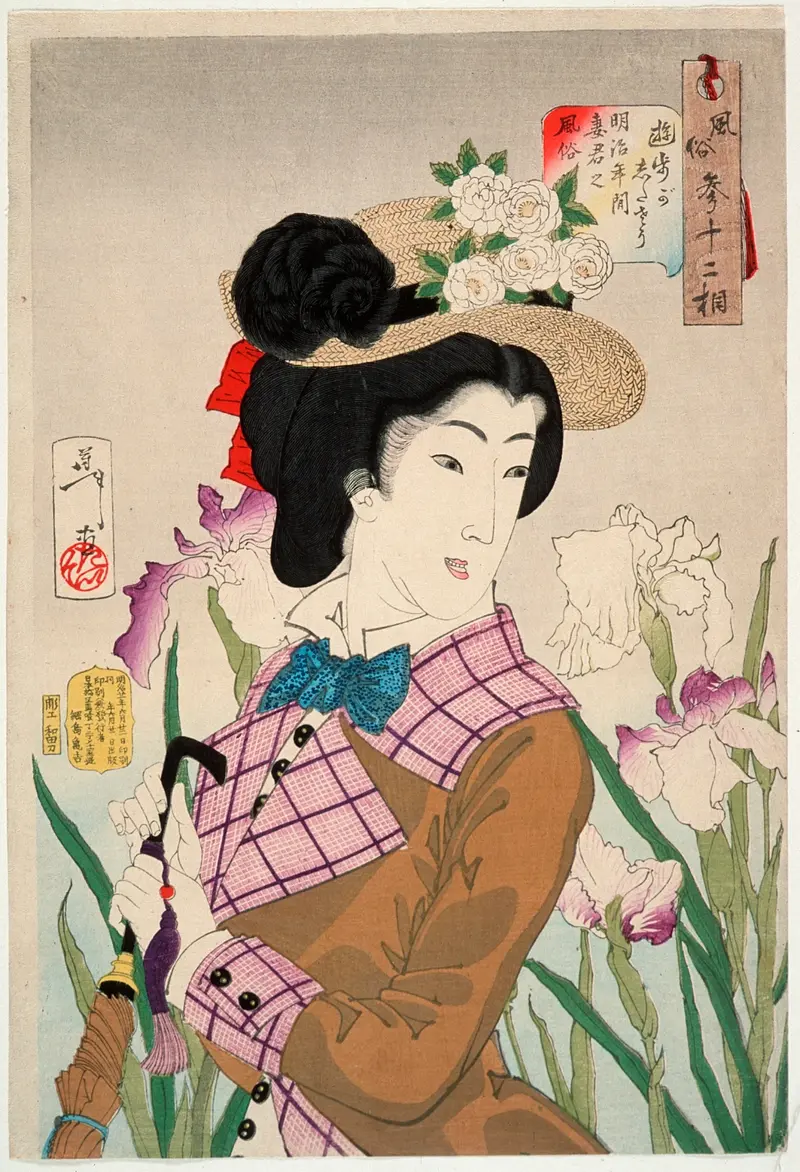
Preparing to Take a Stroll; The Wife of a Nobleman of the Meiji Period
Tsukioka Yoshitoshi
More Landscape Art

The Starry Night
Vincent van Gogh

View of Delft
Johannes Vermeer

Water Lilies
Claude Monet

The Grand Canal, Venice, looking north-west from the Ca' Corner to the Ca' Contarini degli Scrigni, with the campanile of Santa Maria della Carità
Canaletto

Windsor Castle
Canaletto

The Grand Canal looking North-East from the Palazzo Dolfin-Manin to the Rialto Bridge
Canaletto