Golden Arcana — History & Facts
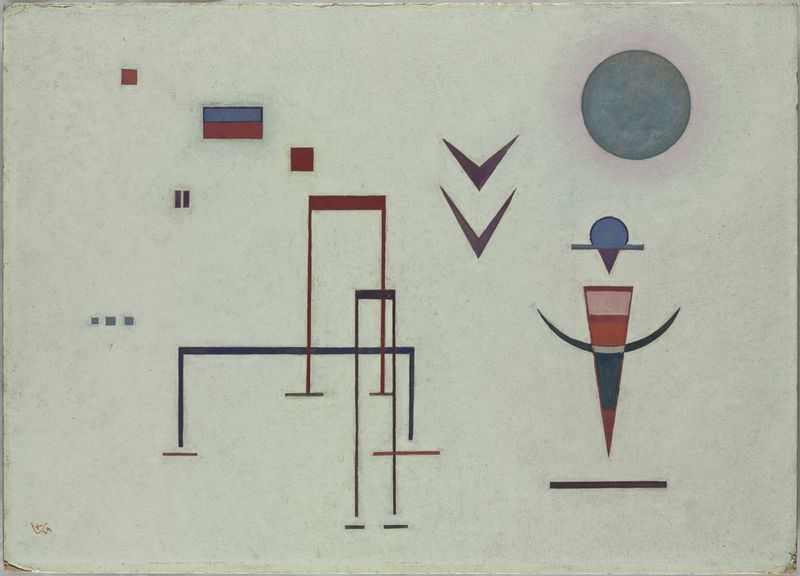
Who listens when art speaks of silence? In Golden Arcana, the stillness of the canvas invites contemplation, transforming the viewer into a witness of ethereal beauty. Focus on the luminous golden hues that envelop the composition, drawing your gaze towards the shimmering central form. The brushwork is delicate, almost whisper-like, as it captures a sense of sacredness. Notice how the light dances across the surface, creating a radiant aura that seems to pulse with life.
The contrast between the soft edges and the bold gold creates a tension that both fascinates and calms, inviting deeper exploration into the realm of the unseen. Here, there’s an interplay between the known and the obscure. The use of gold signifies not only wealth but also transcendence, suggesting a deeper spiritual resonance. The subtle patterns woven into the background hint at ancient wisdom, perhaps connecting the viewer to a cosmic understanding that lies beyond the surface.
In this work, silence becomes a language of its own, speaking volumes to those who dare to listen. In 1920, Ernest Haskell was immersed in the vibrant artistic milieu of America, a time marked by experimentation and a search for new forms. Living in a world reshaped by the aftermath of war, Haskell’s work sought to bridge the material with the immaterial, reflecting a society grappling with its own silence. He harnessed the power of his craft, channeling both personal introspection and broader existential themes into Golden Arcana, making it a significant piece in his evolving oeuvre.
More Artworks by Ernest Haskell
Browse all →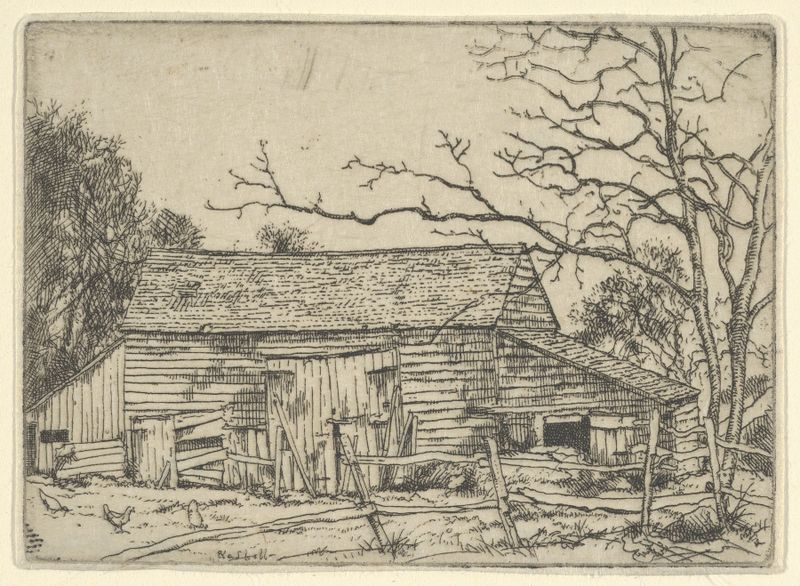
The Barn–Staten Island, N.Y.
Ernest Haskell

Four Live Oaks
Ernest Haskell
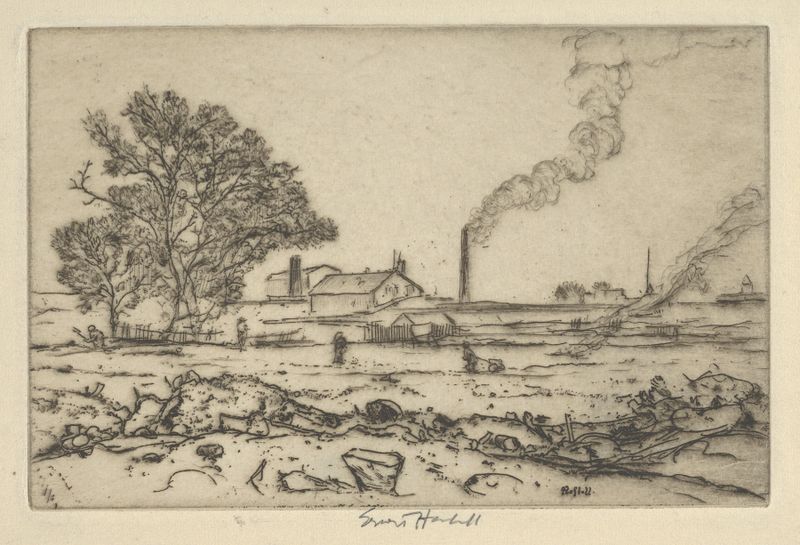
Outskirts of Boston
Ernest Haskell
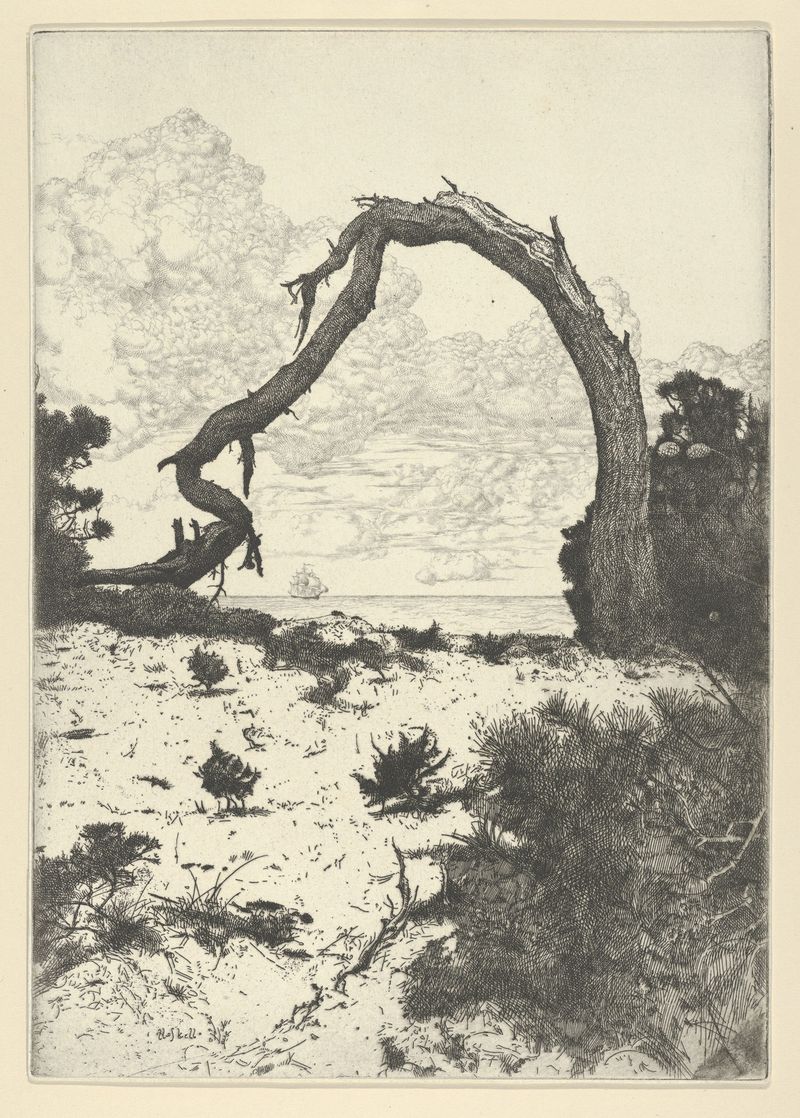
Pine Arch
Ernest Haskell

General Sherman
Ernest Haskell
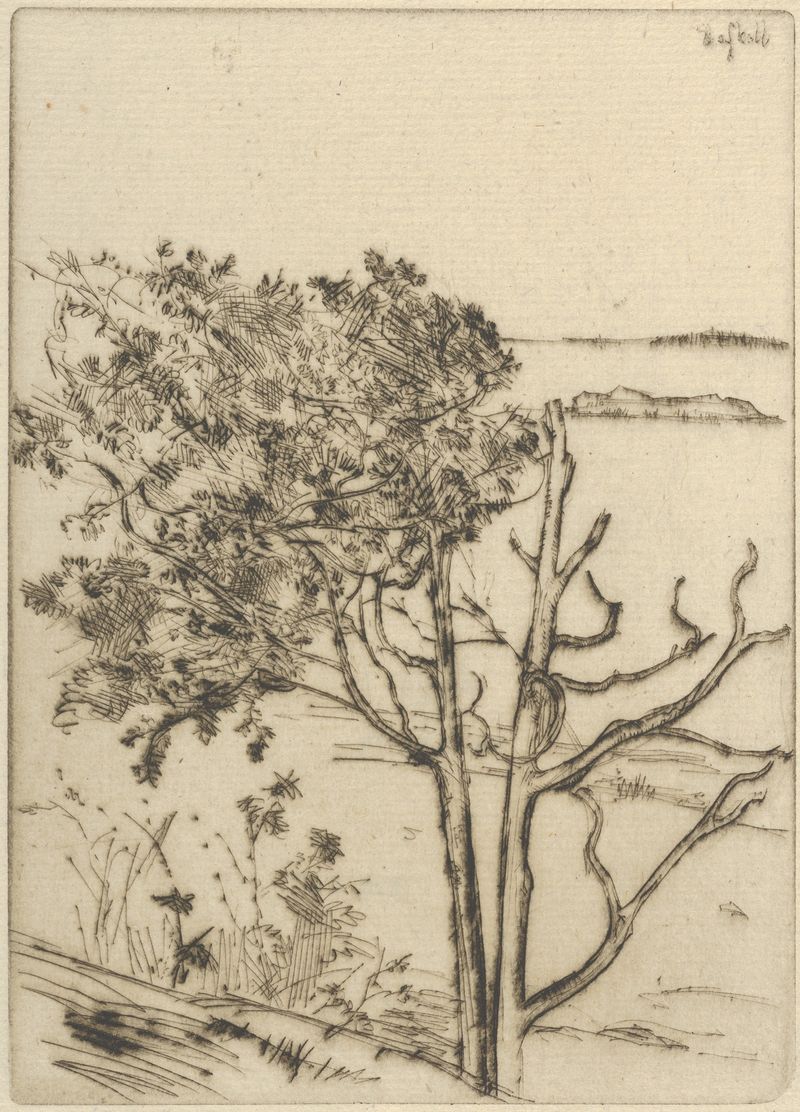
Ragged Tree – Maine
Ernest Haskell

Tide Mill
Ernest Haskell

Ship Building
Ernest Haskell
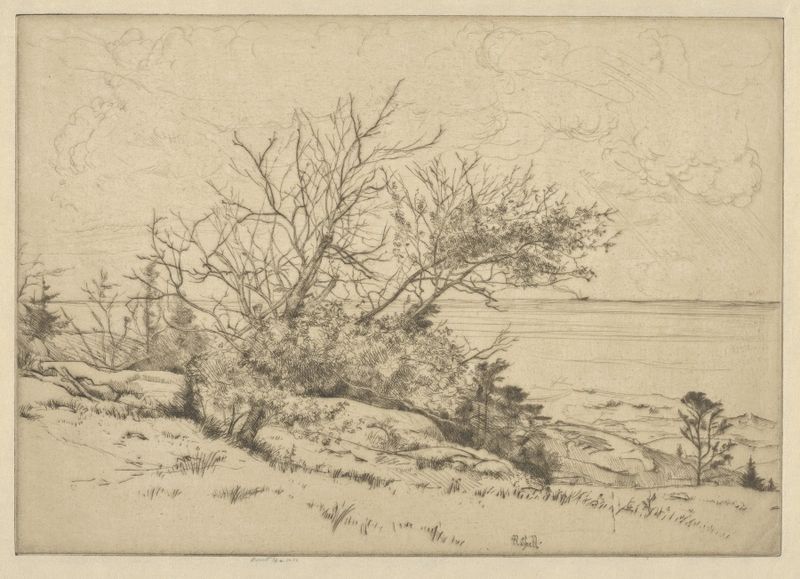
To the Southward – Ragged Island, Me.
Ernest Haskell
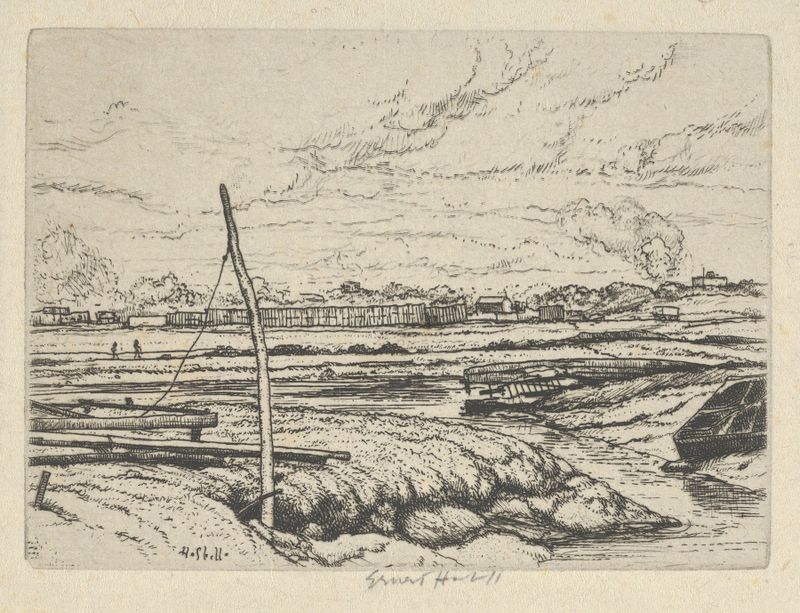
Long Island Marshes
Ernest Haskell