
Golf Calendar. February — History & Facts
What first catches the eye in Golf Calendar. February is the sheer expanse of pale, wintry ground, broken only by the tiny drama of two golfers and a numbered stake. The landscape stretches upward in soft ochres and faded browns, its emptiness punctuated by the bare, bristling trees and the geometric calm of a barn.
The two figures at the bottom—one bent in concentration, the other standing with hands behind his back—are dwarfed by the open space, their dark forms anchoring the composition. The sign marked “2” is a quiet signal: this is not just a landscape, but a field of play, and the stillness is charged with purpose. The palette’s restraint and the careful, almost calligraphic linework invite the viewer to linger over each detail, from the weather vane atop the barn to the subtle shadow beneath the players’ feet. Created in 1899, this work belongs to the world of turn-of-the-century American illustration, when artists like Edward Penfield transformed everyday scenes into crisp, graphic images for magazines, posters, and calendars.
Such works were often commissioned to mark the passage of time or the pleasures of leisure, and Penfield’s style—marked by broad areas of flat color and bold outlines—helped define the look of American graphic art in the era. History has kept few traces of the individual stories behind these calendar pages, but their quiet wit and elegance speak of a time when even the coldest month could be warmed by the promise of a game. The sparse landscape and careful balance of form and emptiness send the viewer back to the image, searching for the next story hidden in the snow.
More Artworks by Edward Penfield

The Girl on the Land Serves the Nation's Need; apply Y.W.C.A. Land Service Committee
Edward Penfield
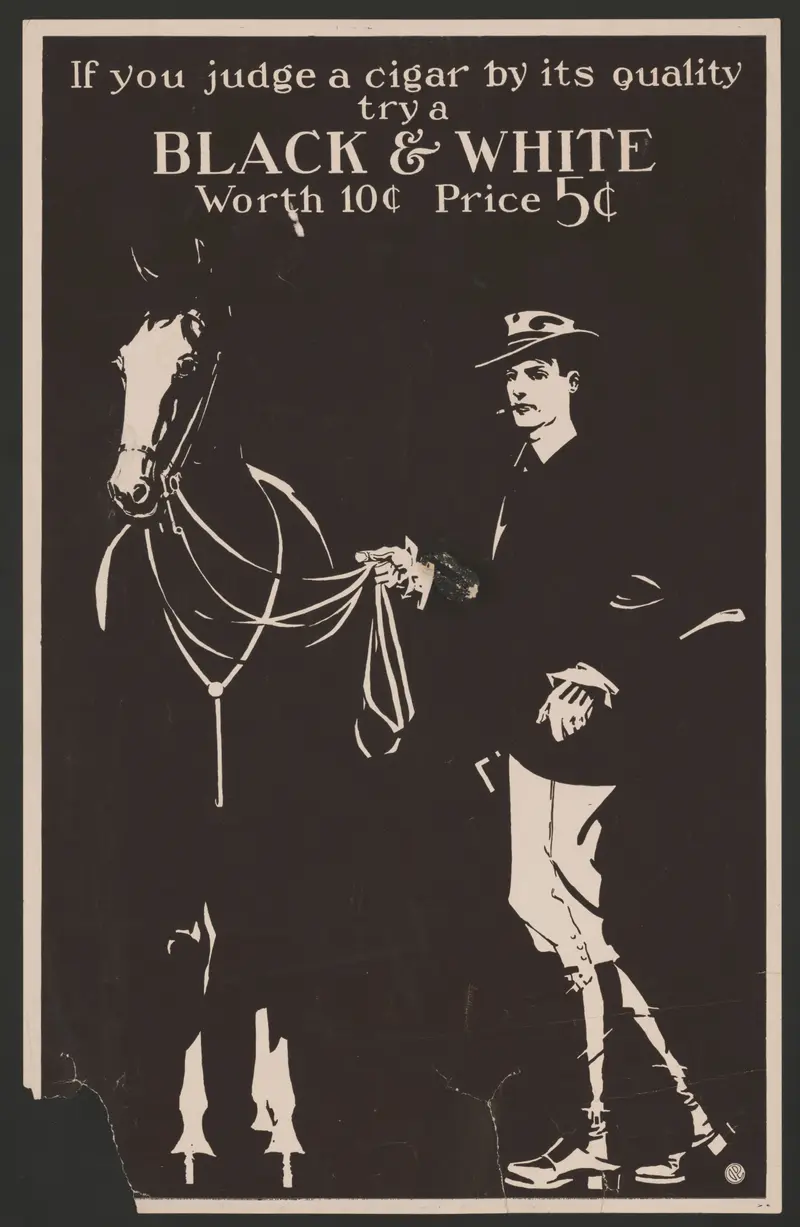
Black & White Cigar
Edward Penfield
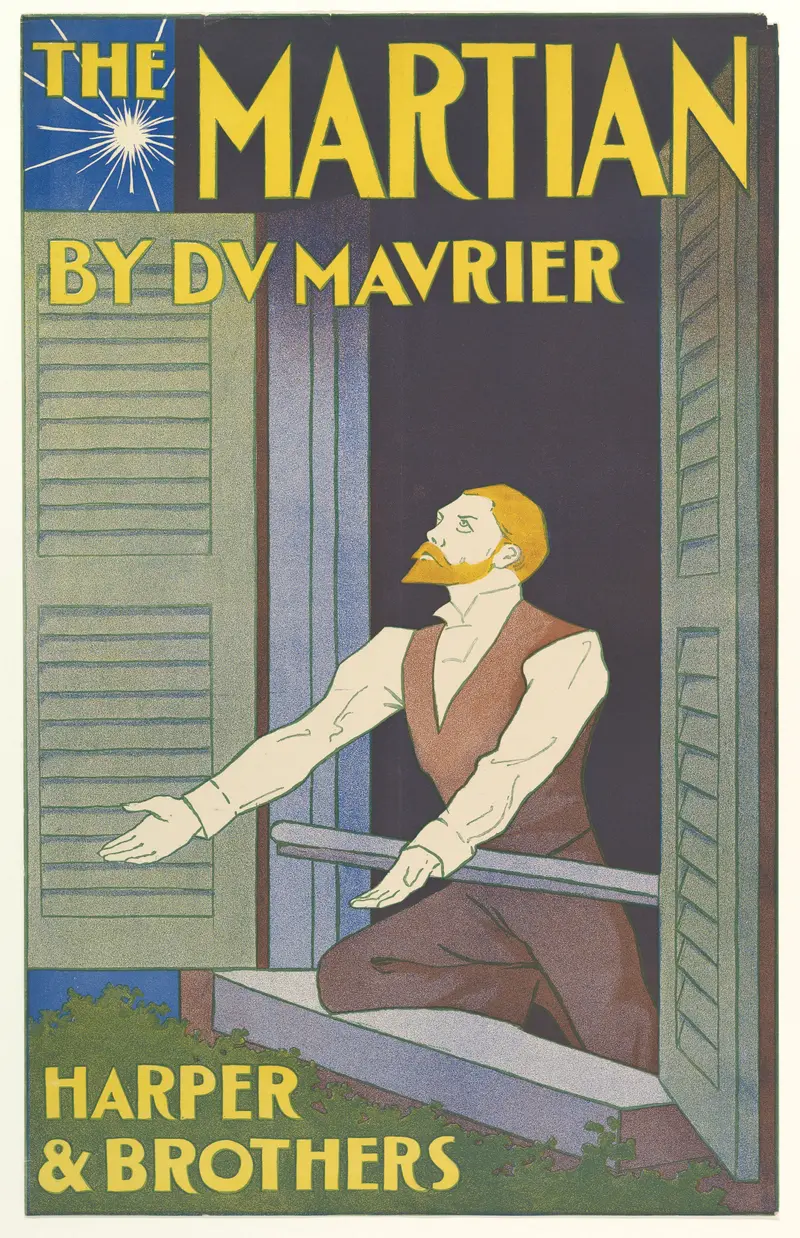
The Martian
Edward Penfield
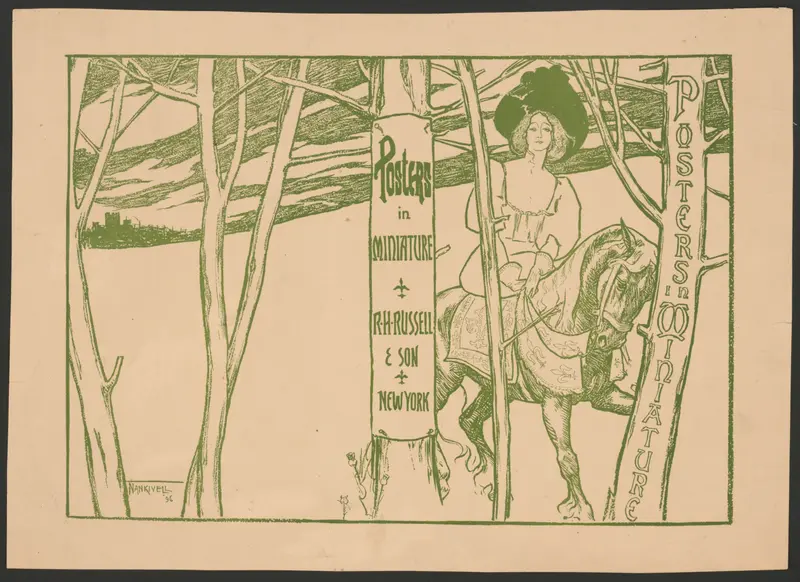
Posters in Miniature
Edward Penfield
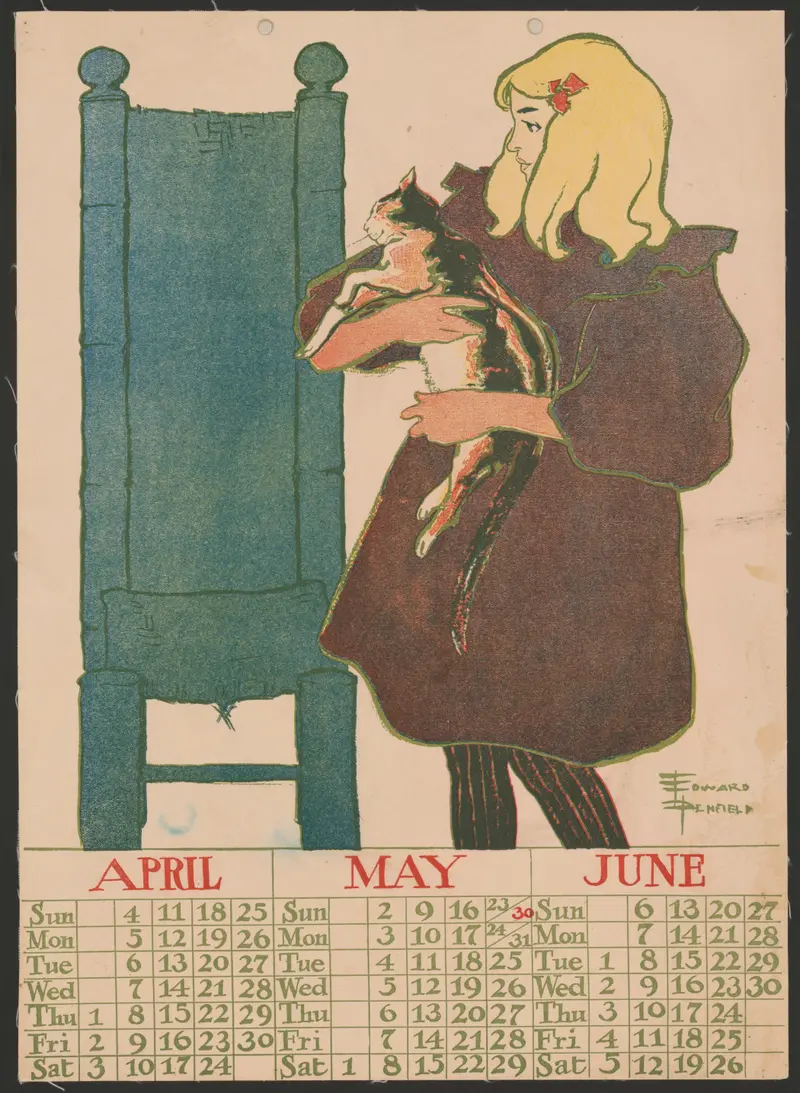
Calendar: April, May, June 1897
Edward Penfield
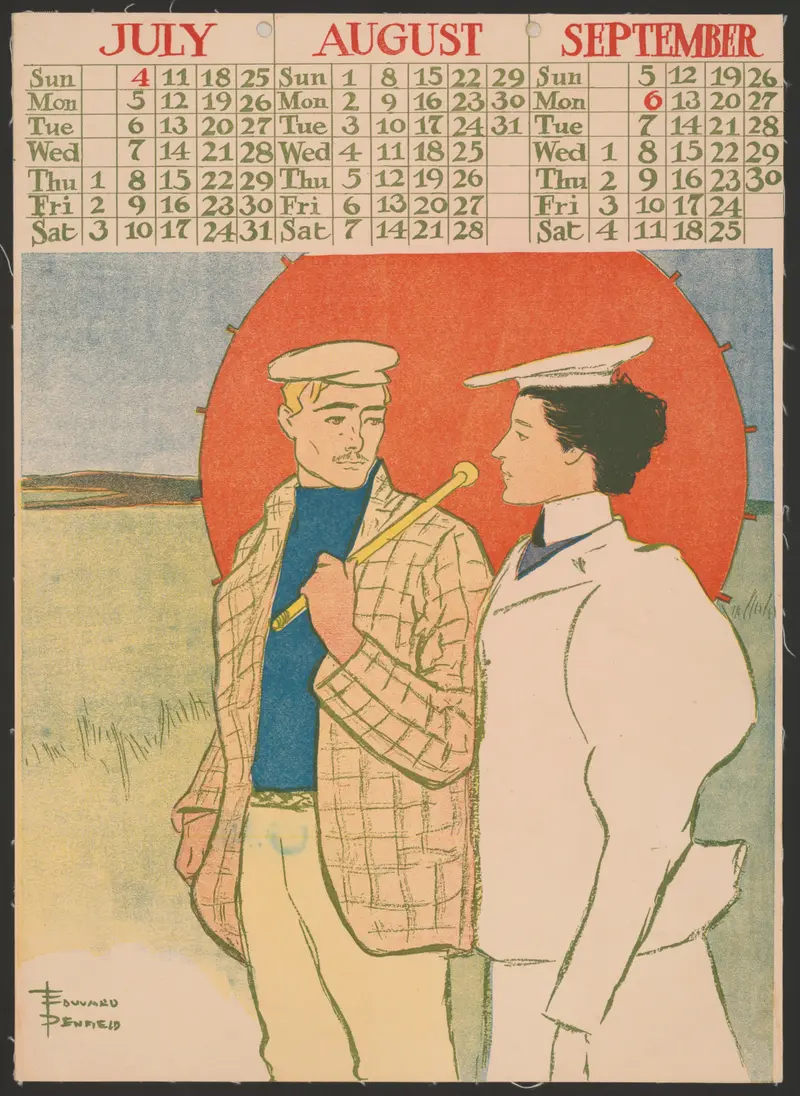
Calendar: July, August, September 1897
Edward Penfield
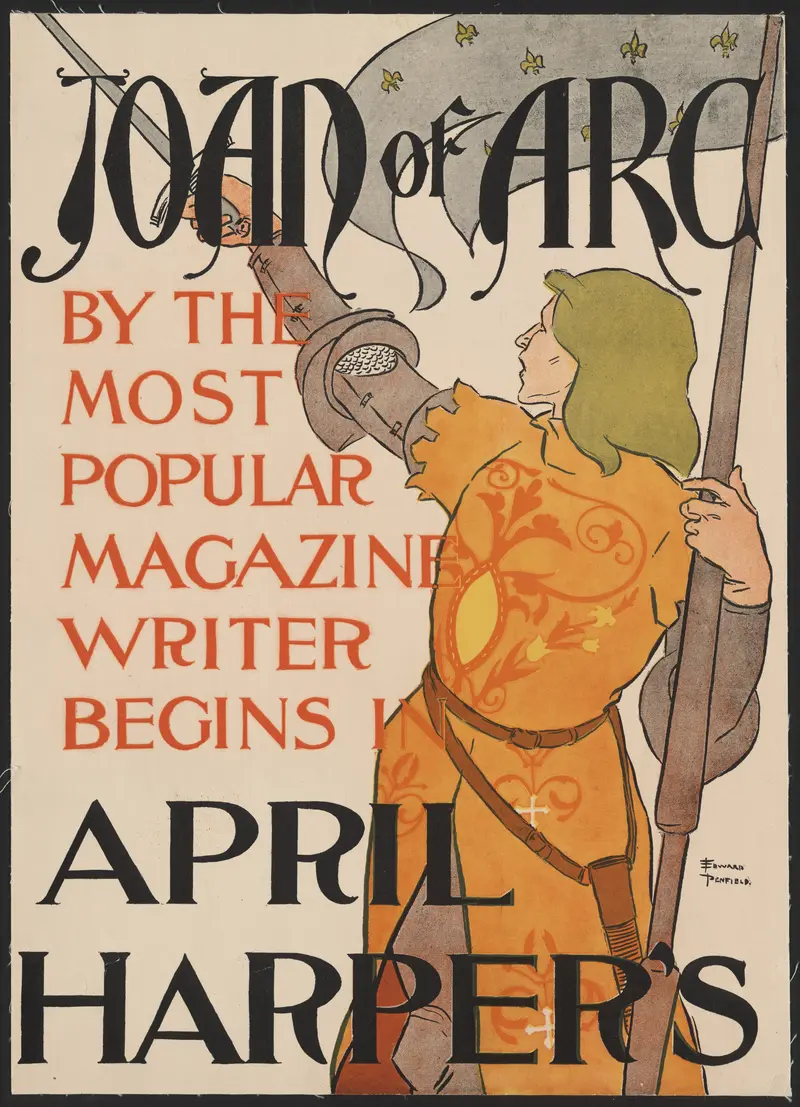
Joan of Arc in Harper's April
Edward Penfield
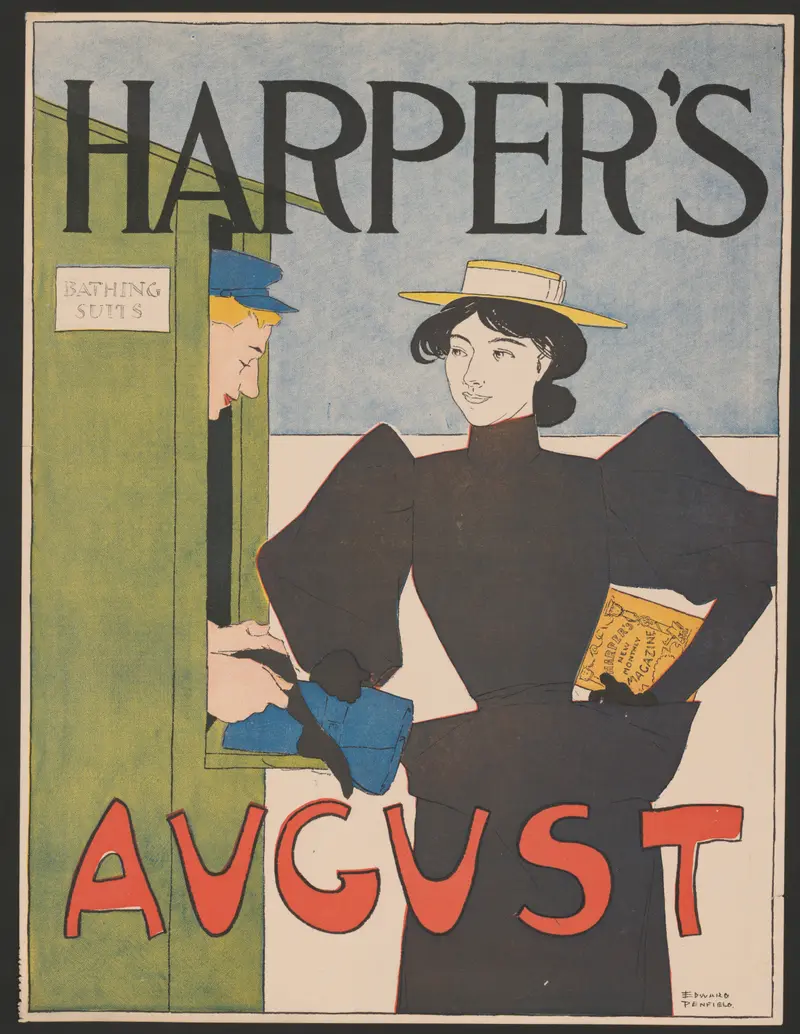
Harper's August 1894
Edward Penfield
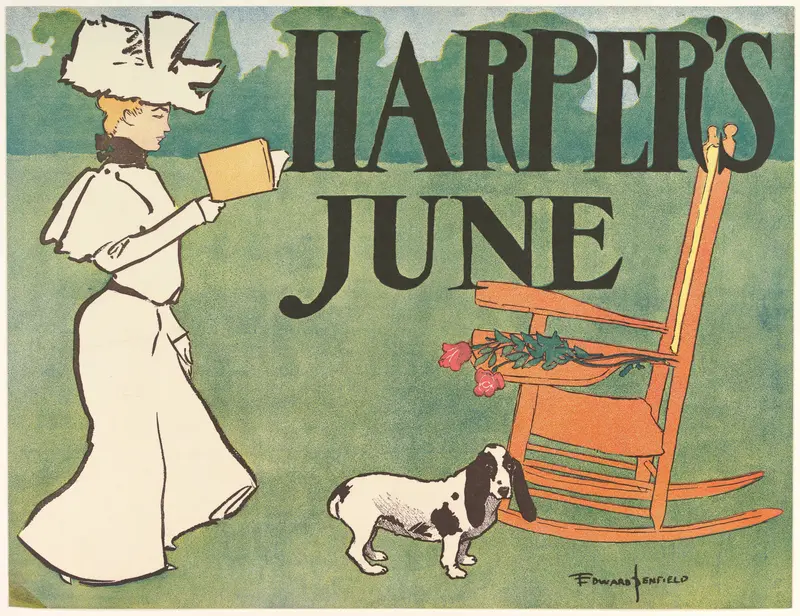
Harper's June 1897
Edward Penfield
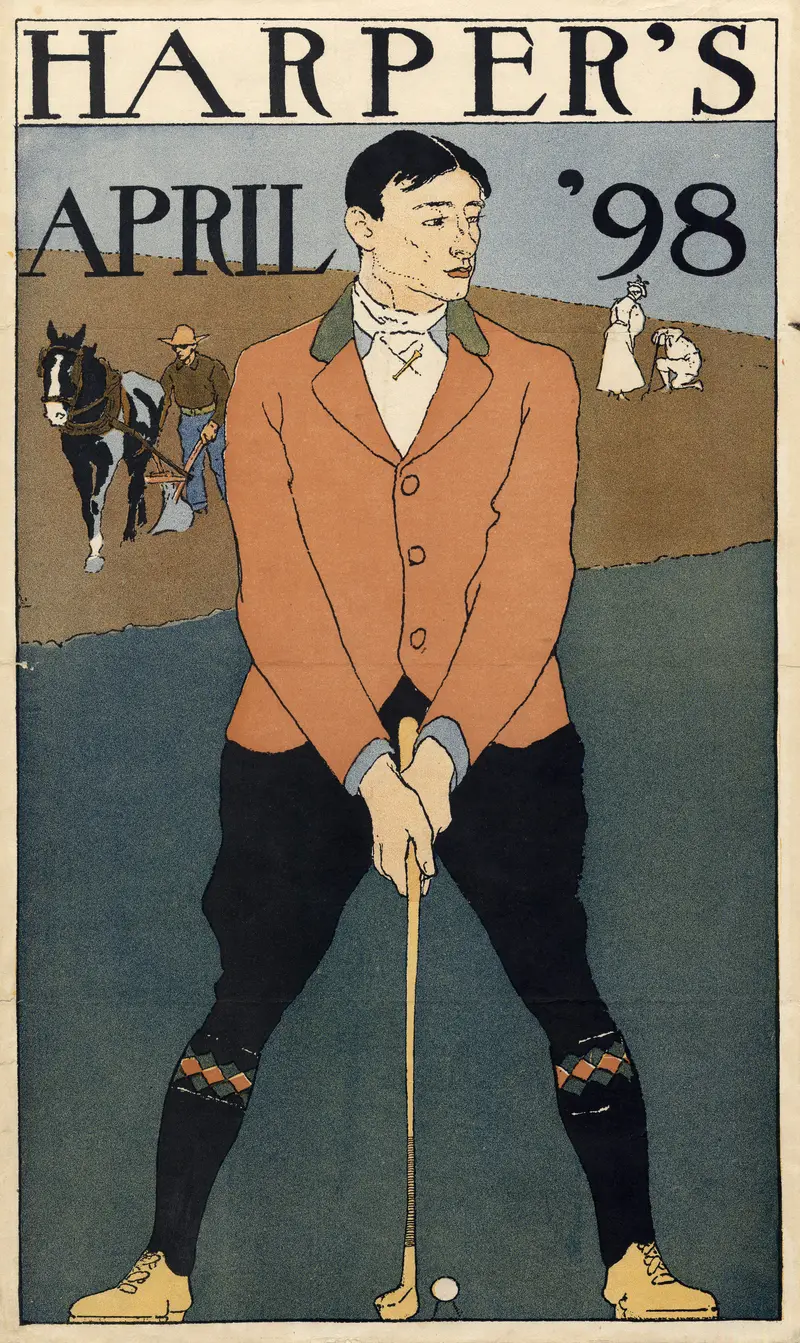
Harper's April 1898
Edward Penfield
More Landscape Art

The Starry Night
Vincent van Gogh

View of Delft
Johannes Vermeer

Water Lilies
Claude Monet

The Grand Canal, Venice, looking north-west from the Ca' Corner to the Ca' Contarini degli Scrigni, with the campanile of Santa Maria della Carità
Canaletto

Windsor Castle
Canaletto

The Grand Canal looking North-East from the Palazzo Dolfin-Manin to the Rialto Bridge
Canaletto