
Golfe, mer, falaises vertes — History & Facts
In the quiet embrace of nature, we are invited to witness a moment suspended between the past and the present, where every brushstroke captures whispers of time. Look to the center of the canvas, where vibrant hues of blue and green meld together, creating a dynamic seascape. The gentle undulation of waves draws the eye toward the horizon, leading us to a distant shoreline kissed by the light of a waning sun. Notice how the dappled sunlight dances across the water, illuminating the rocky cliffs with a soft golden glow that evokes warmth and nostalgia.
Renoir's expert use of color—rich greens interspersed with deep blues—creates a harmonious balance, inviting the viewer to breathe in the tranquility of this serene coastal retreat. Yet, within this idyllic scene, there exists an underlying tension. The cliffs, sturdy and resolute, stand in stark contrast to the ephemeral nature of the sea, suggesting the relentless passage of time. As the waves crash against the rocks, they serve as a reminder of both creation and erosion, a dance of permanence and transience.
Each ripple speaks to fleeting moments, whispering secrets of what has come before, and what will inevitably fade away, urging us to cherish the present. Created during a period of artistic exploration in the late 19th century, this piece reflects Renoir's deep immersion in Impressionism. While the exact date remains uncertain, it is likely that he painted this work amid the bustling art scene in Paris, where he grappled with themes of light, color, and memory. The growth of modernity and the constant evolution of art influenced his brushwork, allowing him to capture the essence of fleeting moments with rich emotive power.
More Artworks by Pierre-Auguste Renoir
Browse all →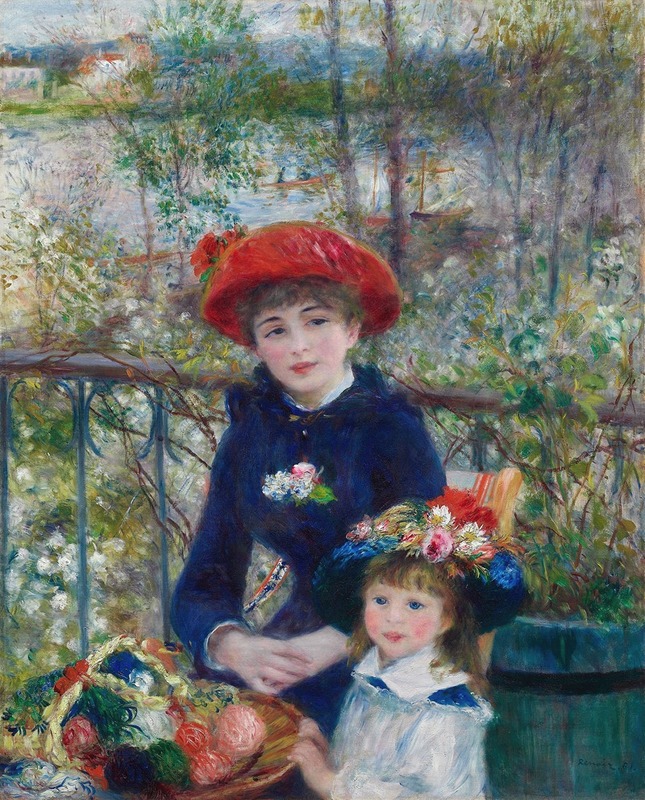
Two Sisters (On the Terrace)
Pierre-Auguste Renoir
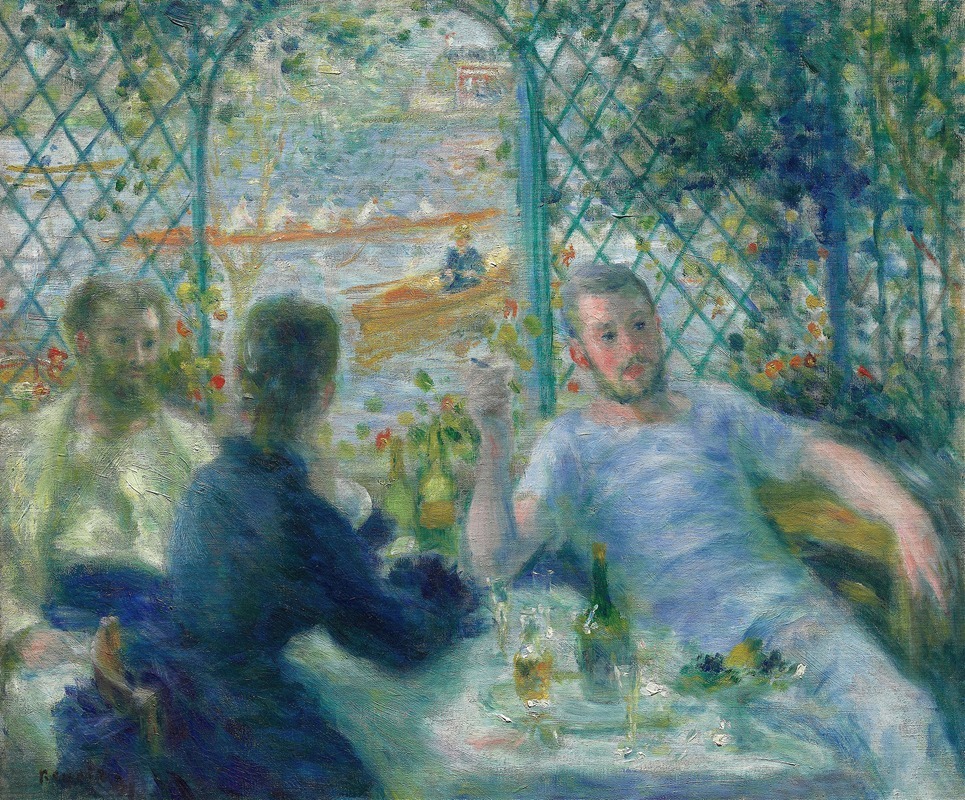
Lunch at the Restaurant Fournaise (The Rowers' Lunch)
Pierre-Auguste Renoir
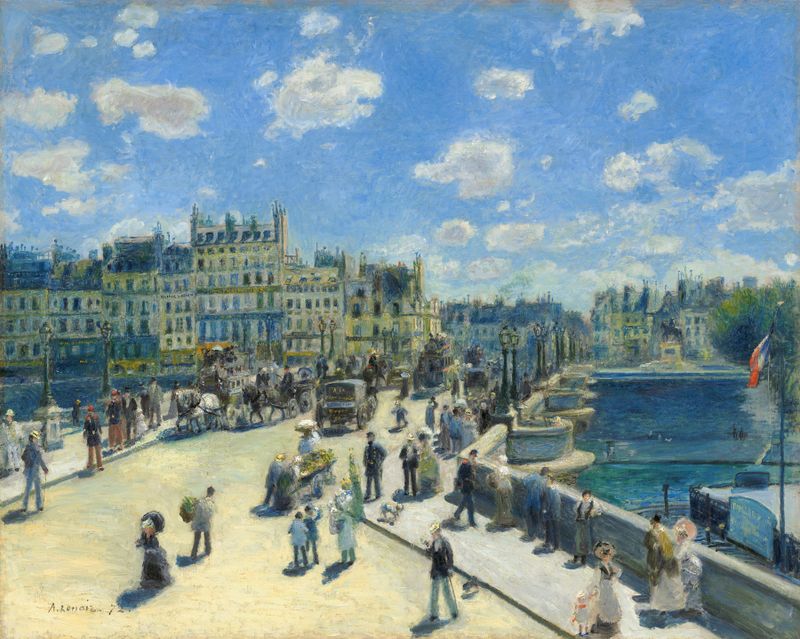
Pont Neuf, Paris
Pierre-Auguste Renoir
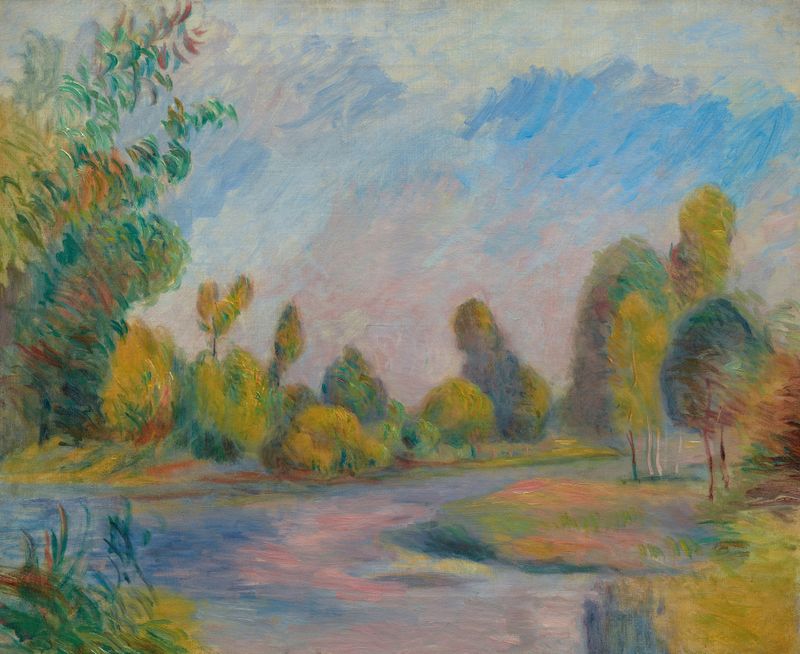
Au bord de la rivière
Pierre-Auguste Renoir

Near the Lake
Pierre-Auguste Renoir
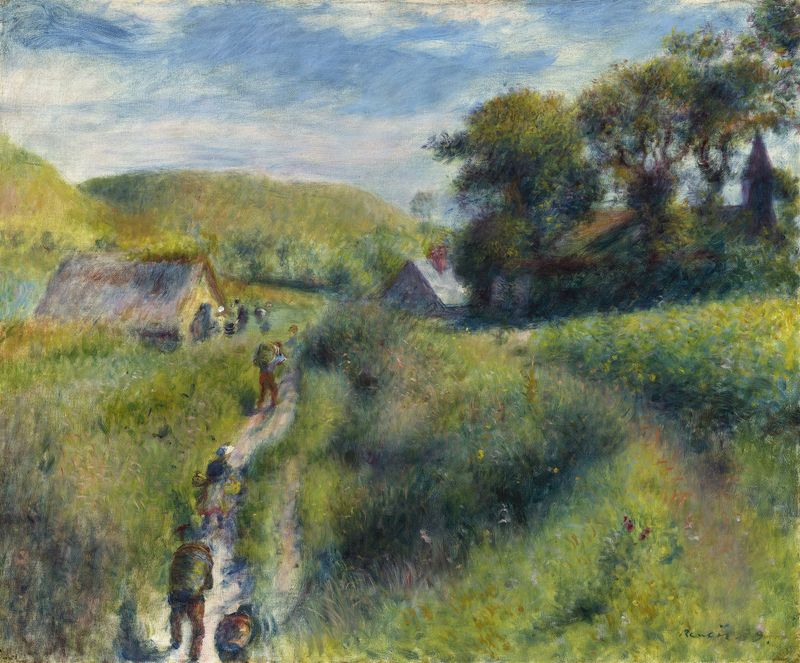
The Mussel Harvest
Pierre-Auguste Renoir

The Seine at Chatou
Pierre-Auguste Renoir
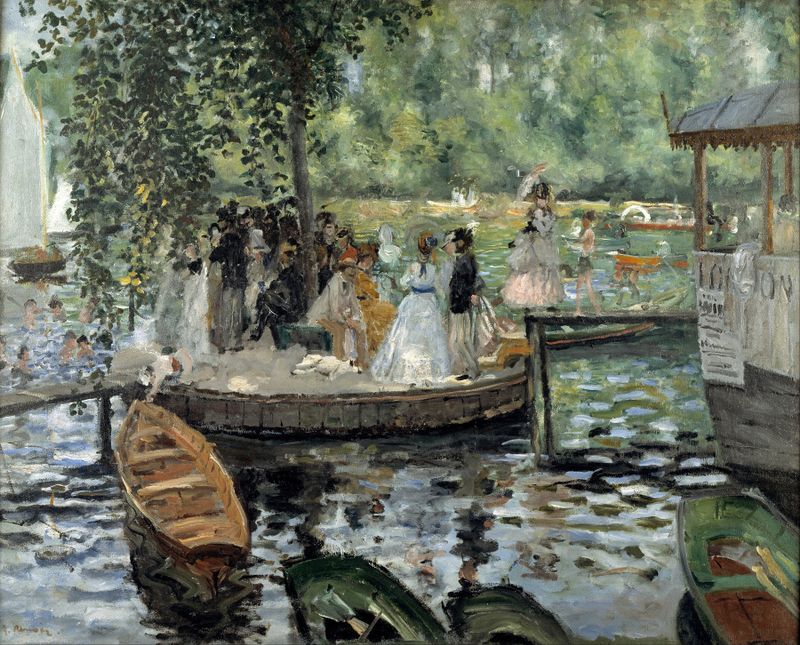
La Grenouillère
Pierre-Auguste Renoir
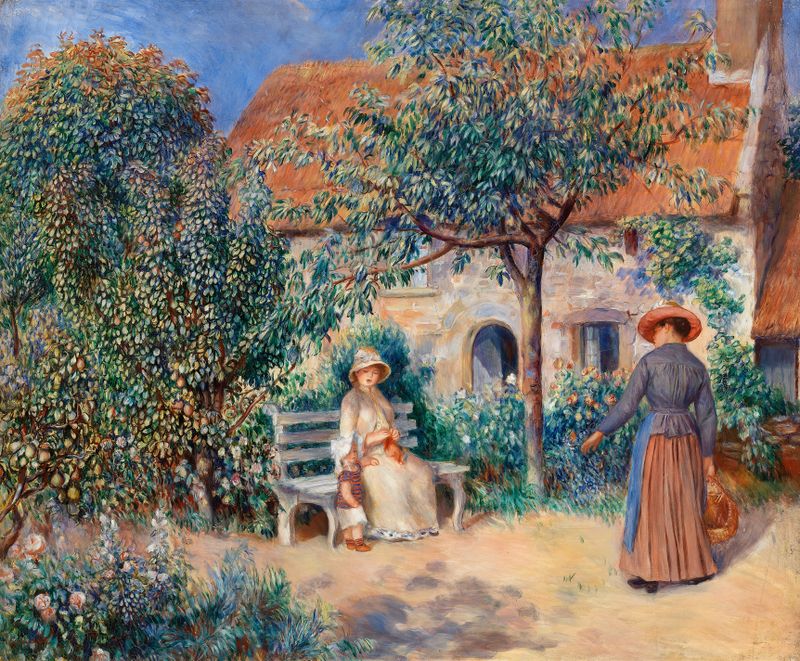
In Brittany (En Bretagne)
Pierre-Auguste Renoir
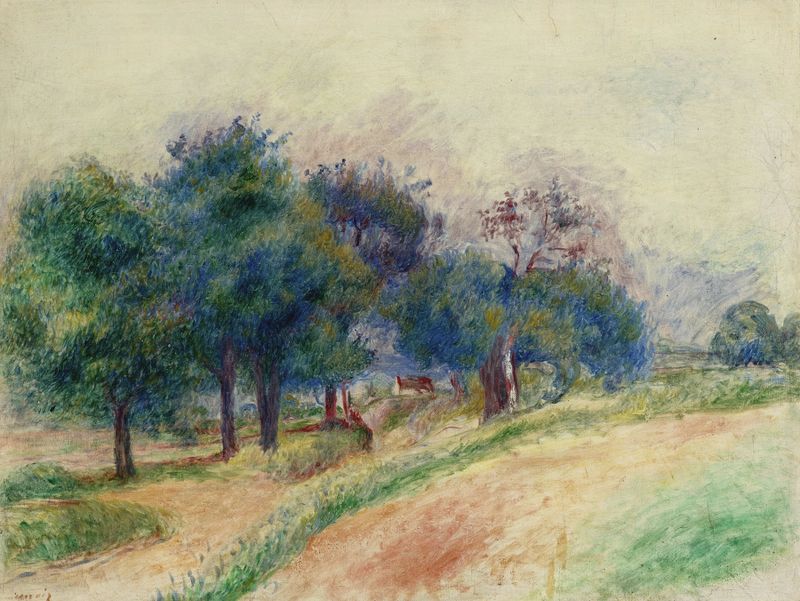
Paysage d’Essoyes
Pierre-Auguste Renoir





