
Grammatica — History & Facts
Could a single brushstroke hold eternity? In Grammatica, the viewer finds not just a depiction of knowledge, but a profound exploration of destiny and the weight of words. Look to the left at the intricately detailed figure seated at a writing desk; her concentrated gaze hints at the importance of her task. Notice how the soft light falls upon her face, illuminating her features while casting gentle shadows across the parchment, suggesting both clarity and obscurity in her pursuit of understanding. The warm, earthy tones contrast beautifully with the starkness of the white paper, symbolizing the delicate balance between thought and expression.
Each line and curve in the composition is meticulously crafted, guiding the eye through a narrative of silent determination. Beneath the surface, the painting pulsates with deeper meanings. The quill, poised in the figure's hand, echoes the eternal struggle between fate and free will. Each stroke she makes is laden with significance, a reminder that words can shape destinies.
The surrounding symbolism of books implies an extensive repository of knowledge, hinting at the tension between the weight of tradition and the individual’s quest for personal truth. This interplay reflects not just the intellectual pursuit, but also the emotional stakes of creation and comprehension. During the period between 1510 and 1550, Beham, a notable figure within the Northern Renaissance, produced this work amidst a burgeoning interest in humanism and the revival of classical ideas. As an artist in Nuremberg, Germany, he navigated a world of rich intellectual discourse and shifting artistic paradigms, reflecting a time when knowledge was seen as both power and responsibility.
The era's reverence for scholarship is palpable in this piece, resonating with the ideals that would shape future generations.
More Artworks by Hans Sebald Beham
Browse all →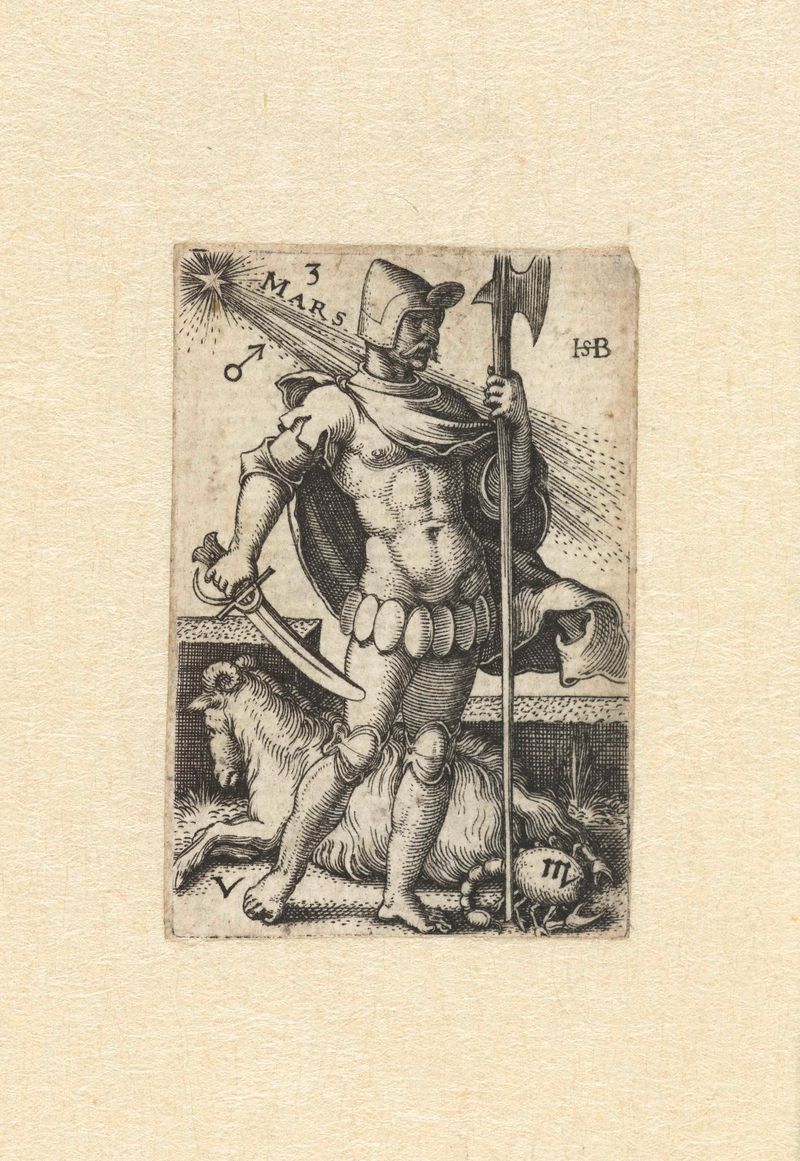
Mars met sterrenbeelden Ram en Schorpioen
Hans Sebald Beham

Achilles in gevecht met Hector
Hans Sebald Beham
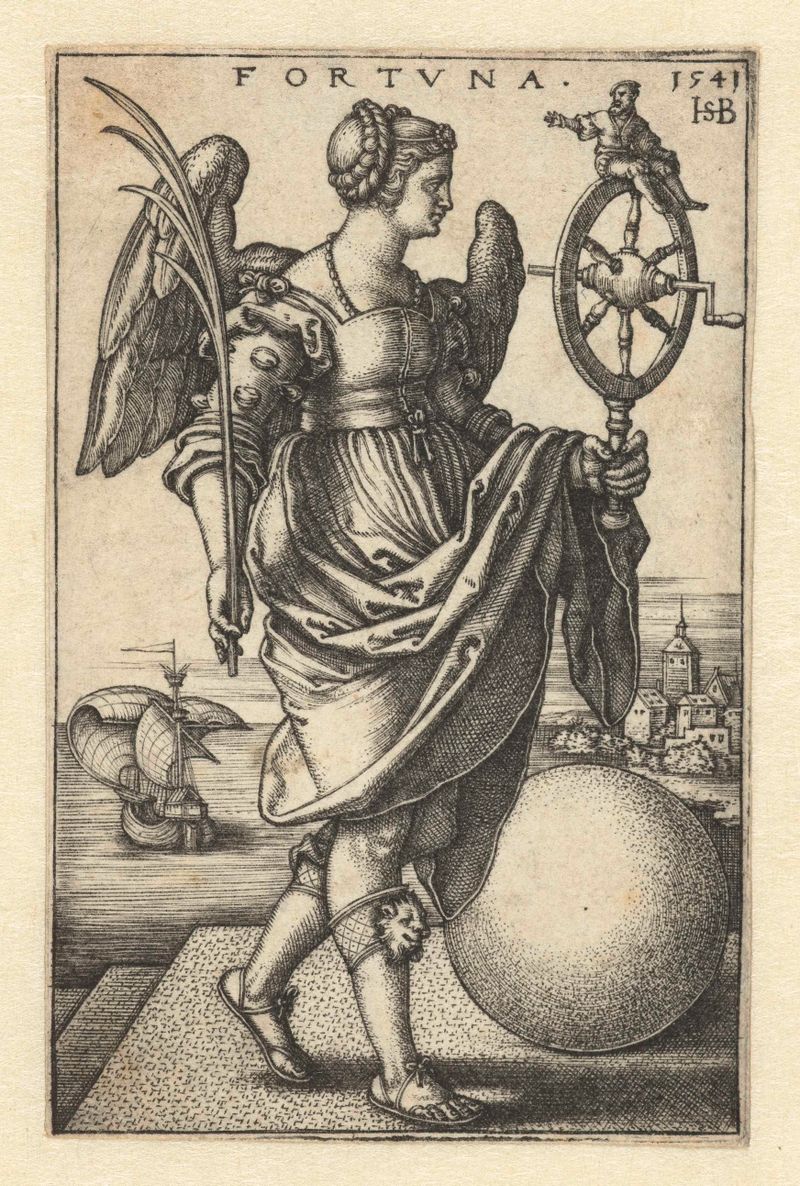
Fortuna
Hans Sebald Beham

Hercules worstelt met Antaeus
Hans Sebald Beham

Twee muzikanten met schalmey en doedelzak
Hans Sebald Beham

Voorzichtigheid (Prudentia)
Hans Sebald Beham

Hercules in gevecht met de Trojanen
Hans Sebald Beham
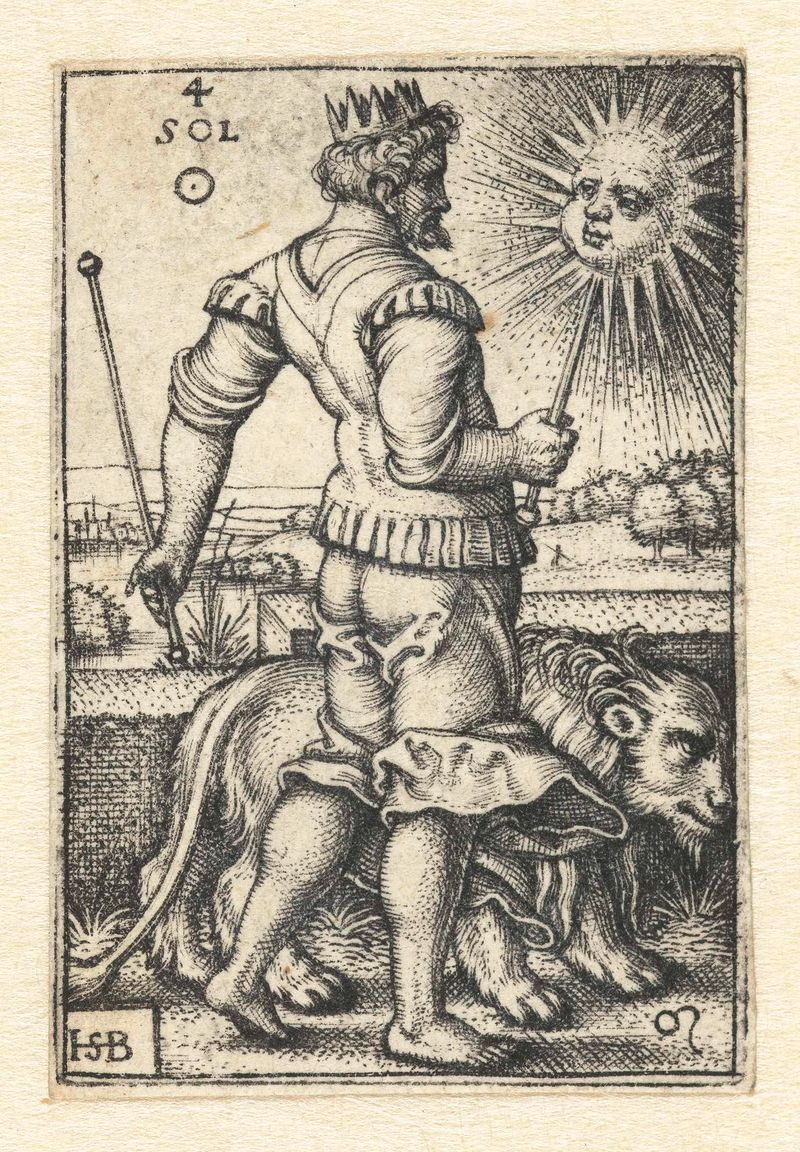
Apollo (Sol) met sterrenbeeld Leeuw
Hans Sebald Beham
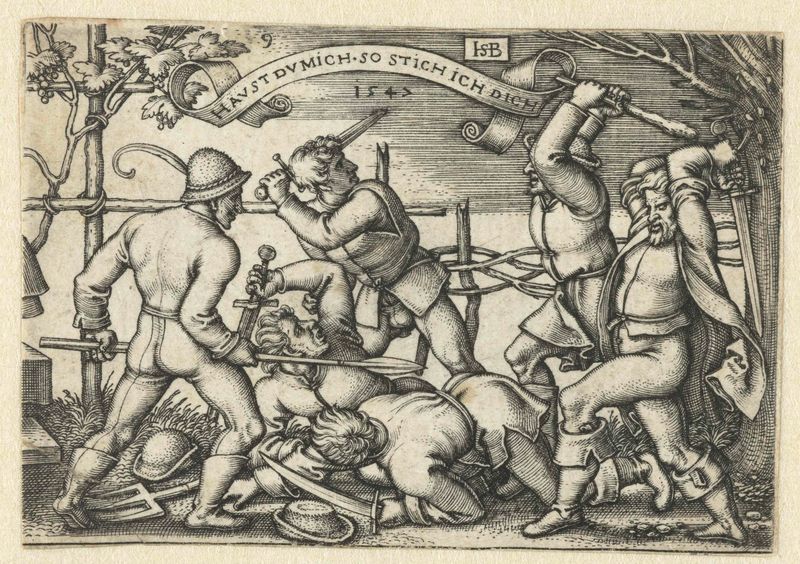
Vechtende boeren met zwaarden
Hans Sebald Beham
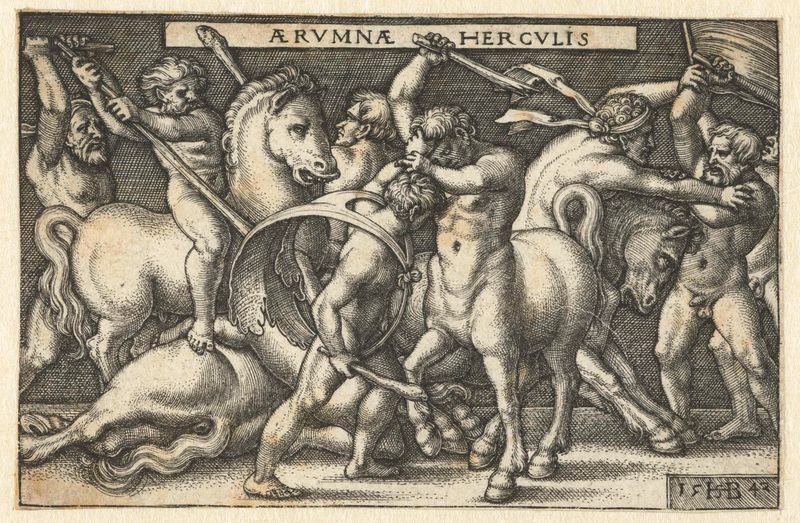
Hercules in gevecht met centaurs
Hans Sebald Beham





