
Grand Canal looking East from the Campo S. Vio — History & Facts
When Grand Canal looking East from the Campo S. Vio was first unveiled in 1727, it was part of a remarkable surge in demand for Venetian cityscapes among British aristocrats on the Grand Tour. These travelers, eager to bring home the essence of Venice, often commissioned multiple versions of the same view from Canaletto, making his scenes not just souvenirs but status symbols.
Indeed, at least three known versions of this particular vista are attributed to Canaletto, each subtly different, fueling ongoing debates among scholars about their sequence and authenticity. The painting captures a bustling morning along the Grand Canal, with sunlight glancing off the water and gondolas gliding past palazzi. Canaletto selects a vantage point from the Campo San Vio, allowing the viewer’s gaze to sweep eastward toward the distant domes of Santa Maria della Salute. Every architectural detail is rendered with crisp precision, yet the human figures—merchants, boatmen, and travelers—anchor the scene in daily Venetian life.
The interplay of light and reflection on the canal not only animates the water but also underscores Venice’s unique relationship with its environment. Compared to the more atmospheric, painterly approach of Francesco Guardi, Canaletto’s treatment here is all clarity and order, emphasizing the city’s grandeur and harmony. While the original patron of this specific version remains uncertain, it is typical of the works Canaletto produced for foreign collectors in the 1720s and 1730s, many of which soon found their way to English country houses. Over the centuries, these paintings have passed through private hands, sometimes misattributed or lost amid the shifting tides of taste, before being recognized anew for their documentary and artistic value.
Today, Grand Canal looking East from the Campo S. Vio stands as a testament to Canaletto’s pivotal role in shaping the image of Venice for generations of admirers, and it continues to invite viewers into the luminous heart of the eighteenth-century city.
More Artworks by Canaletto

The Grand Canal, Venice, looking north-west from the Ca' Corner to the Ca' Contarini degli Scrigni, with the campanile of Santa Maria della Carità
Canaletto

Venice, Bacino di San Marco on Ascension Day
Canaletto

Windsor Castle
Canaletto

The Grand Canal looking North-East from the Palazzo Dolfin-Manin to the Rialto Bridge
Canaletto

Venice: The Campo SS. Giovanni e Paolo
Canaletto

Venice: The Grand Canal from the Rialto to the Palazzo Foscari
Canaletto
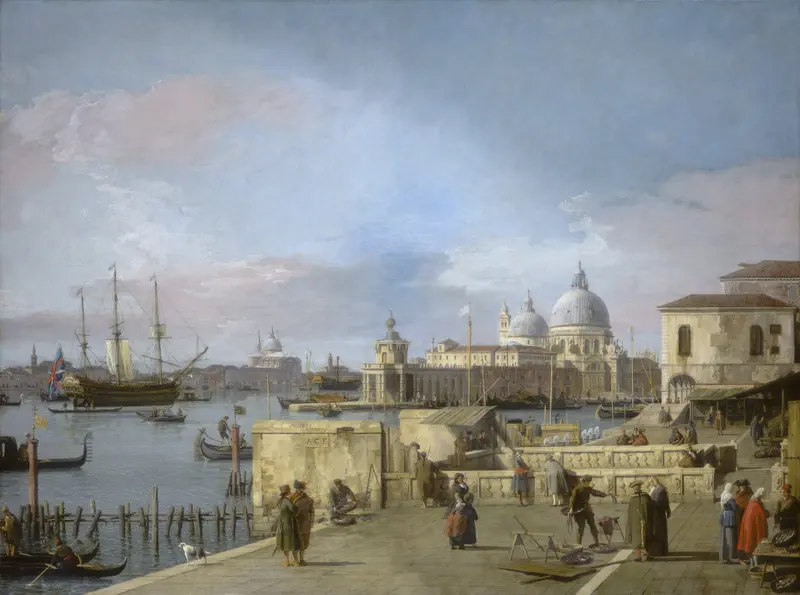
Venice: The Molo towards the Dogana and Santa Maria della Salute
Canaletto

Venice: The Piazzetta
Canaletto
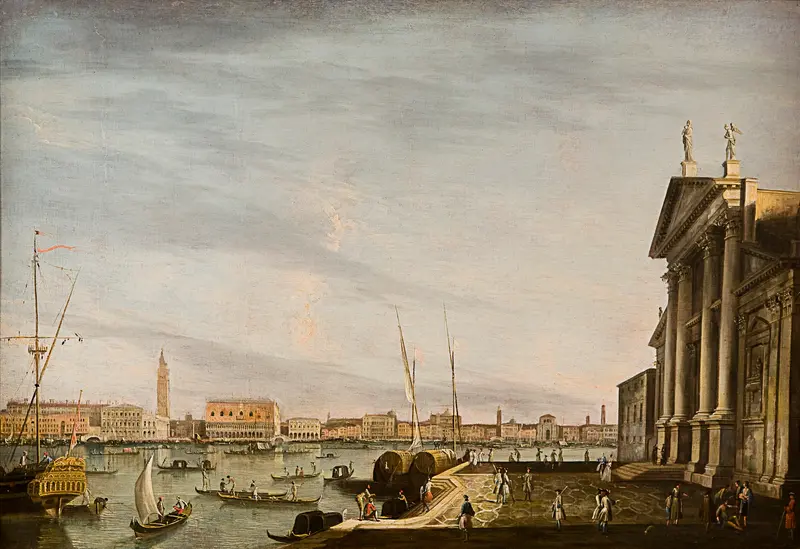
Venice, View of San Giorgio Maggiore
Canaletto

London: The Thames from Somerset House Terrace towards Westminster
Canaletto
More Landscape Art

The Starry Night
Vincent van Gogh

View of Delft
Johannes Vermeer

Water Lilies
Claude Monet
The Grand Canal, Venice, looking north-west from the Ca' Corner to the Ca' Contarini degli Scrigni, with the campanile of Santa Maria della Carità
Canaletto
Windsor Castle
Canaletto
The Grand Canal looking North-East from the Palazzo Dolfin-Manin to the Rialto Bridge
Canaletto