
Grand Central Station at Night — History & Facts
Did the painter know this moment would outlive them? In the dim glow of gas lamps and the muted bustle of the city, an air of profound nostalgia lingers in this nocturnal vision of life and loss. Look to the left of the canvas, where the intricate ironwork of the station arches gracefully overhead, framing the scene. The soft interplay of shadows and warm light creates a captivating contrast, guiding the eye toward the figures drifting beneath the grand dome. Notice how the artist uses a palette of deep blues and muted greens, suggesting the serenity of night while reminding us of the restlessness that accompanies urban life. Beneath the surface, the painting evokes a poignant sense of grief for fleeting moments.
The solitary figure at the forefront appears almost lost amid the crowd, hinting at isolation in a place teeming with life. The juxtaposition of the bustling commuters and the stillness of the architecture echoes the tensions between ambition and solitude, capturing not just a space but the emotional landscape of that era. Mielatz created this piece in 1890 during a time when urbanization was rapidly transforming American society. Living in New York City, he was deeply influenced by both the burgeoning art movements and the human stories unfolding all around him.
This painting reflects his fascination with the city and its intricate rhythms, embodying an era marked by progress, yet tinged with undercurrents of melancholy.
More Artworks by Charles Frederick William Mielatz
Browse all →
View of Rockwood Tarrytown on the Hudson, residence of William Rockefeller, no. 1
Charles Frederick William Mielatz
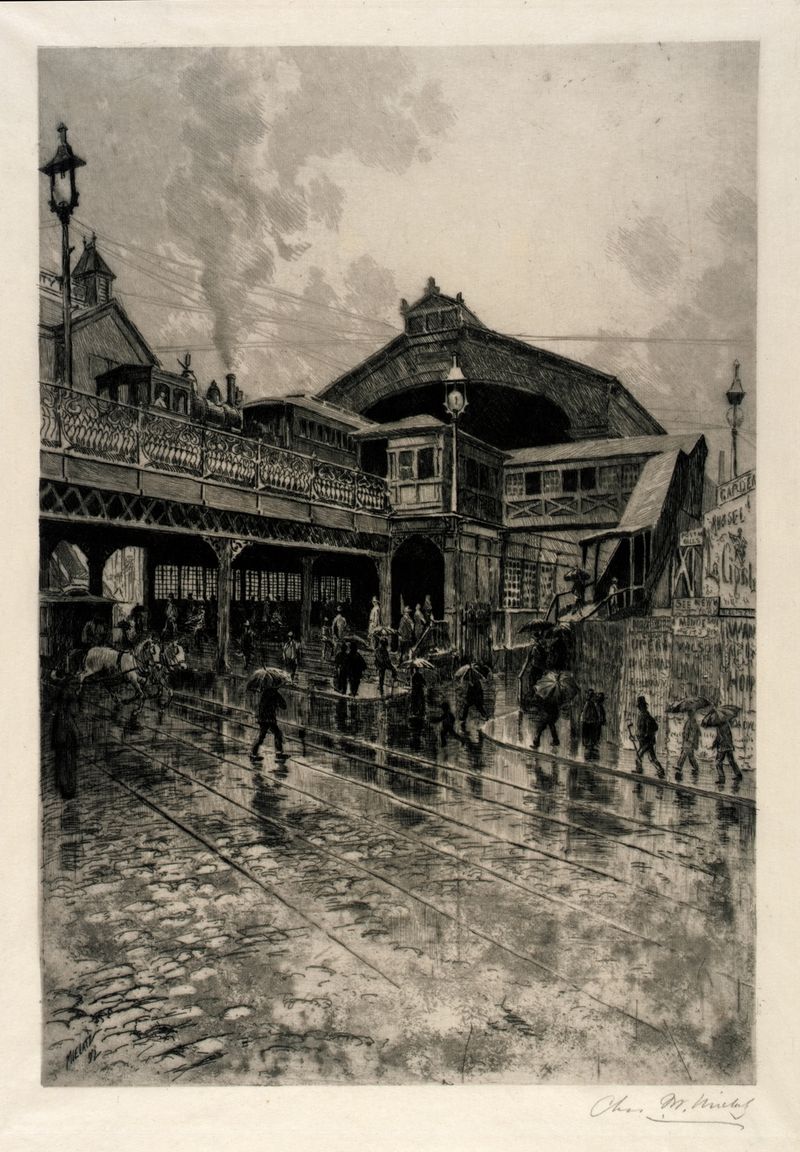
Entrance to Brooklyn Bridge
Charles Frederick William Mielatz
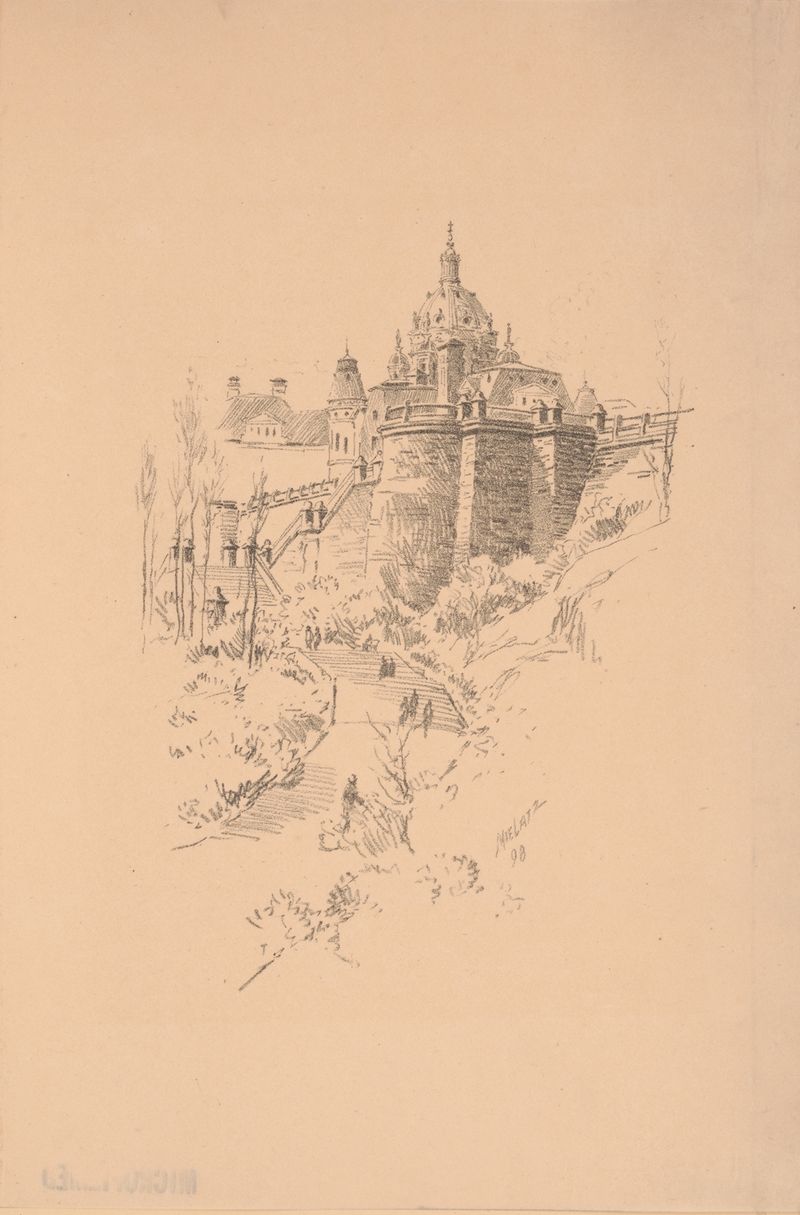
Morningside Park and St. Luke’s Hospital
Charles Frederick William Mielatz

Street Scene under Steel Bridge
Charles Frederick William Mielatz
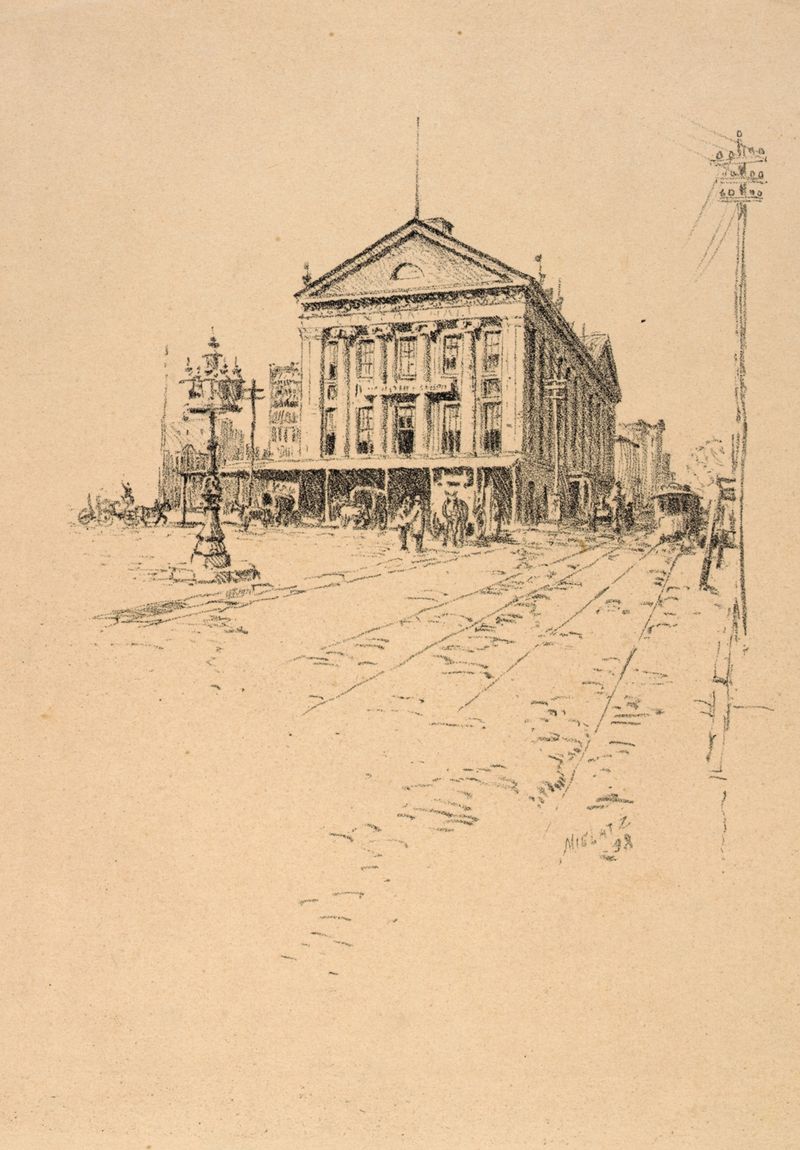
Clinton Hall
Charles Frederick William Mielatz
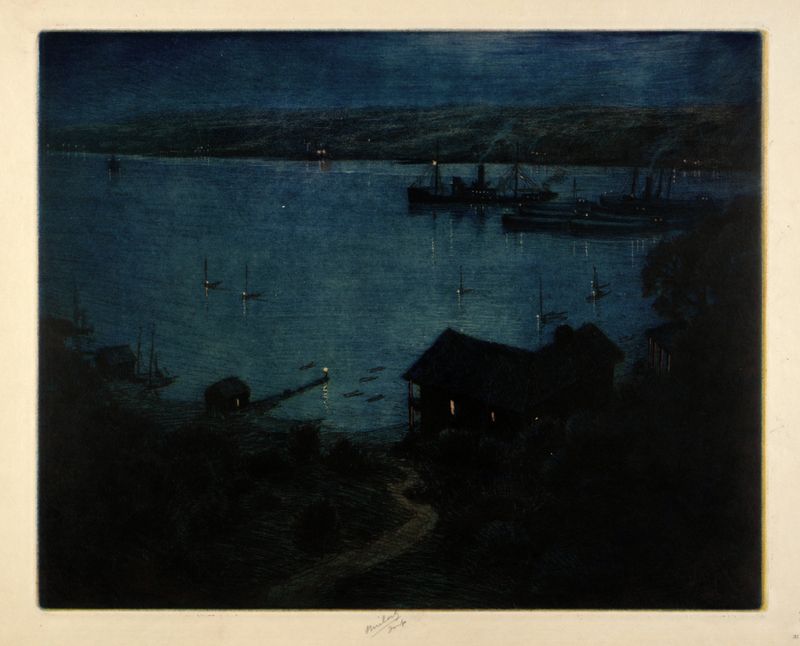
Moonlight–Hudson River
Charles Frederick William Mielatz
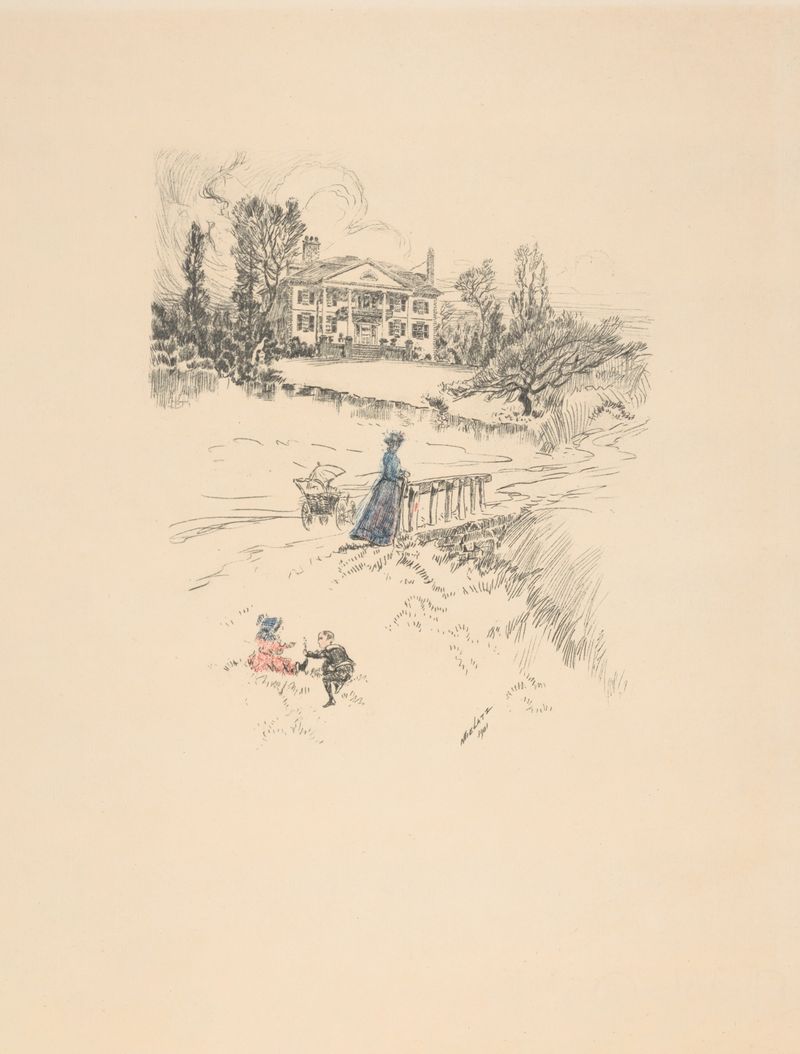
Jumel mansion
Charles Frederick William Mielatz
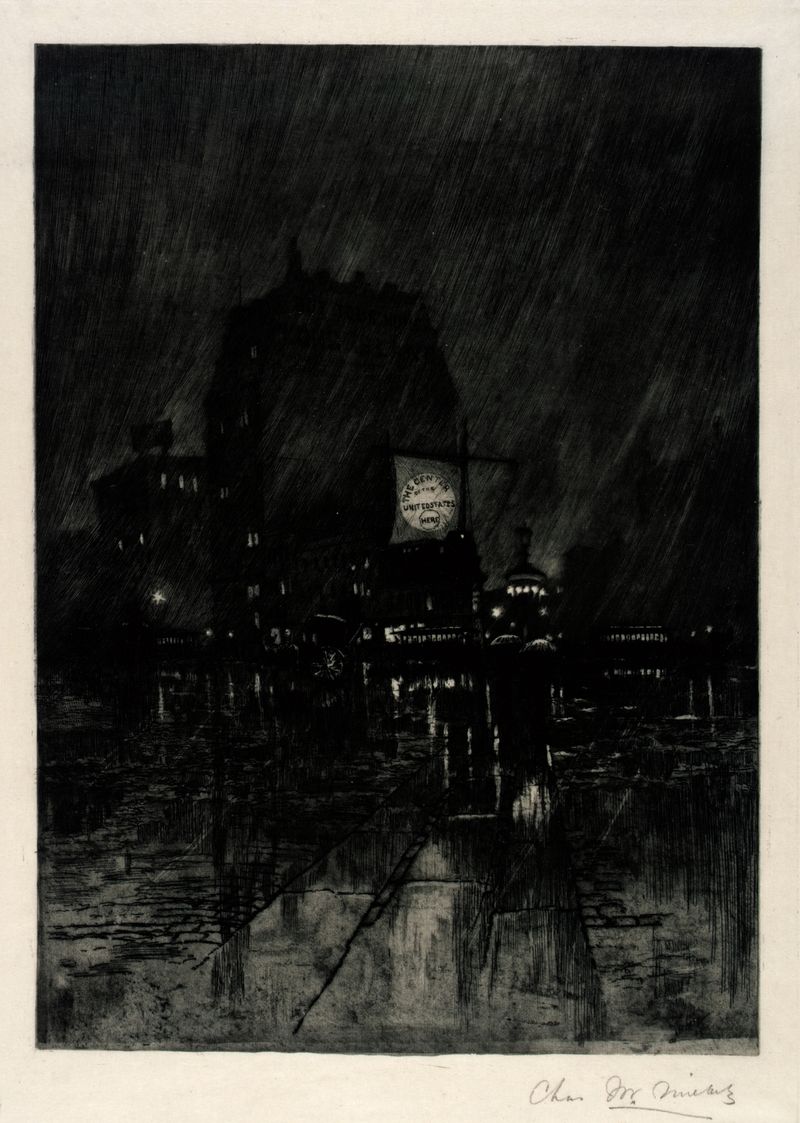
Rainy Night, Madison Square
Charles Frederick William Mielatz
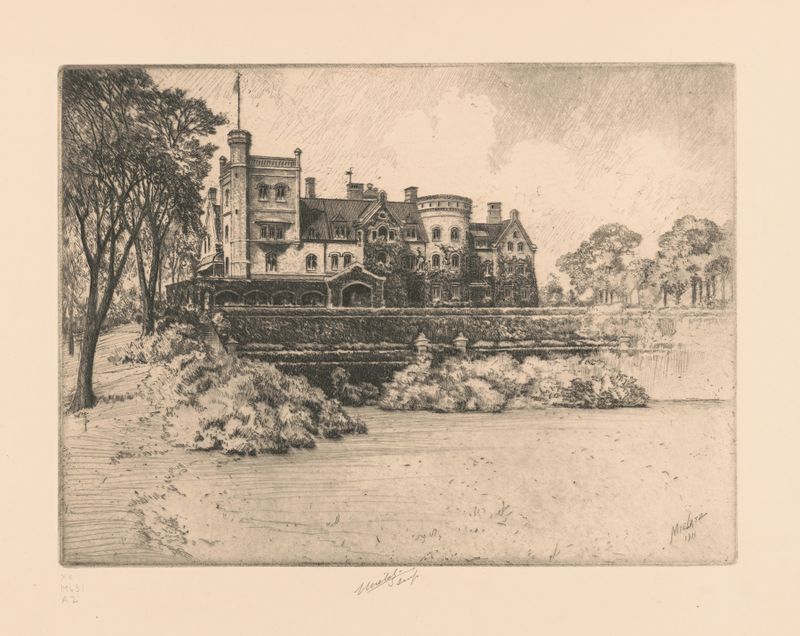
View of Rockwood, Tarrytown on the Hudson, residence of William Rockefeller, no. 3
Charles Frederick William Mielatz

View of Rockwood, Tarrytown on the Hudson, residence of William Rockefeller, no. 5
Charles Frederick William Mielatz
More Architecture Art
Browse all →
The statue of Liberty
Frédéric Auguste Bartholdi

View of Houses in Delft, Known as ‘The Little Street’
Johannes Vermeer

View of Houses in Delft, Known as ‘The Little Street’
Johannes Vermeer

The Cathedral in Rouen. The portal, Grey Weather
Claude Monet

The yellow house
Vincent van Gogh

The Church in Auvers-sur-Oise, View from the Chevet
Vincent van Gogh