
Grave of Maria Potocka in Bakhchisaray. From the journey to Crimea — History & Facts
Can beauty exist without sorrow? In the stillness of Bakhchisaray, amidst the whispers of history, a grave stands as a poignant testament to love and loss. Look to the center of the composition where a delicate gravestone rises from the earth, its surface graced by intricate carvings that reflect the craftsmanship of the era. Surrounding it, wildflowers burst forth in hues of yellow and purple, creating a vibrant contrast against the muted tones of the stone and grass. The play of light dances across the scene, casting gentle shadows that suggest both the passage of time and the weight of memories, inviting the viewer to contemplate the depth of the moment. Hidden within this seemingly tranquil scene is an emotional tension—a juxtaposition of life and death, joy and sorrow.
The wildflowers, symbols of beauty and life, bloom in stark defiance of the grave, a reminder of nature’s relentless cycle. The carefully rendered details of the grave itself speak of a longing for remembrance, suggesting that love endures even in the silence of loss, and that every blossom is an echo of a life once lived. Created between 1887 and 1899, this work emerged during a period of personal exploration for its creator, who was deeply influenced by the romanticism of the past and the quest for identity in a changing world. Working in a time when the art movements were shifting towards modernism, the artist captured the essence of a landscape laden with history and personal connection, reflecting the broader cultural currents that sought to reconcile beauty with the bittersweet nature of human existence.
More Artworks by Jan Ciągliński
Browse all →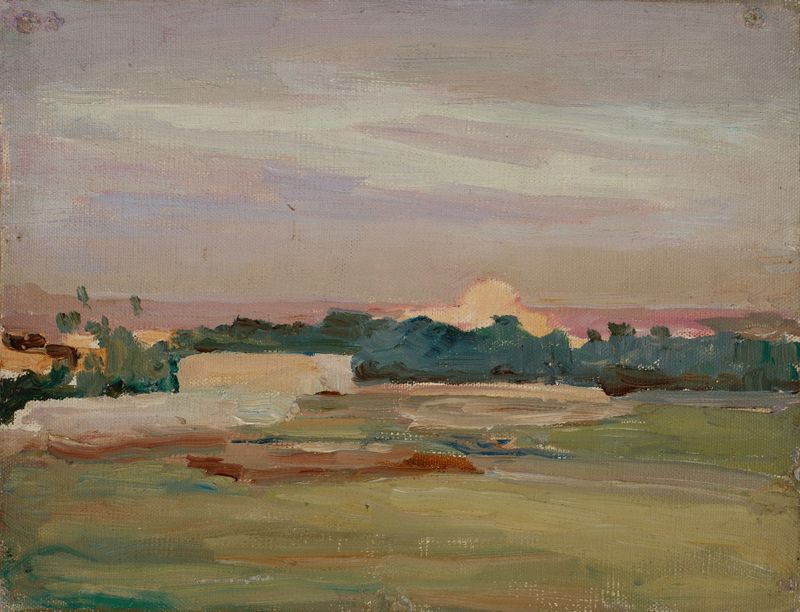
The Sirocco
Jan Ciągliński
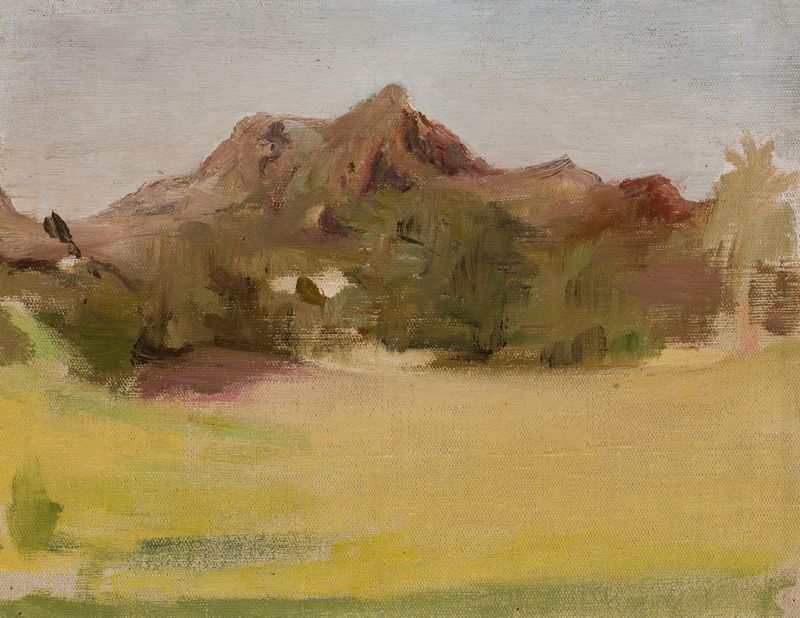
Mountain landscape. From the journey to India
Jan Ciągliński
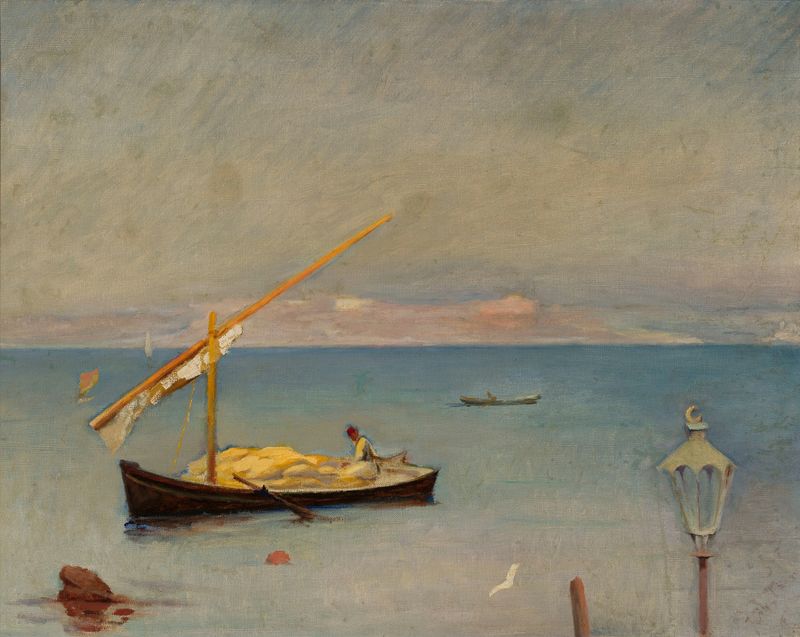
At Bosporus
Jan Ciągliński
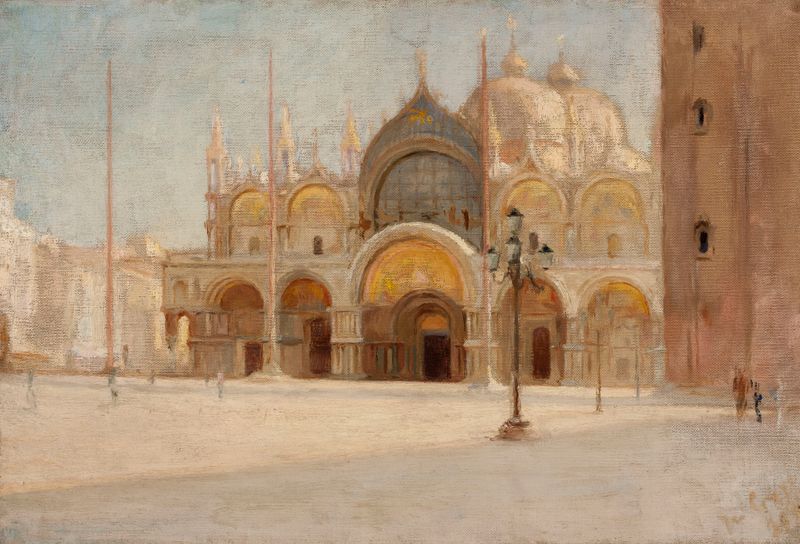
St Mark’s Square in Venice
Jan Ciągliński
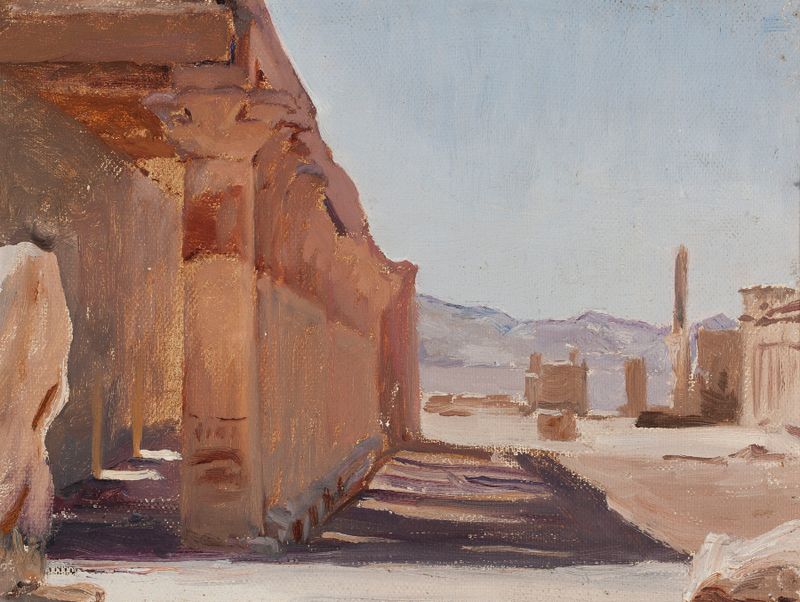
Temple. From the journey to Egypt
Jan Ciągliński
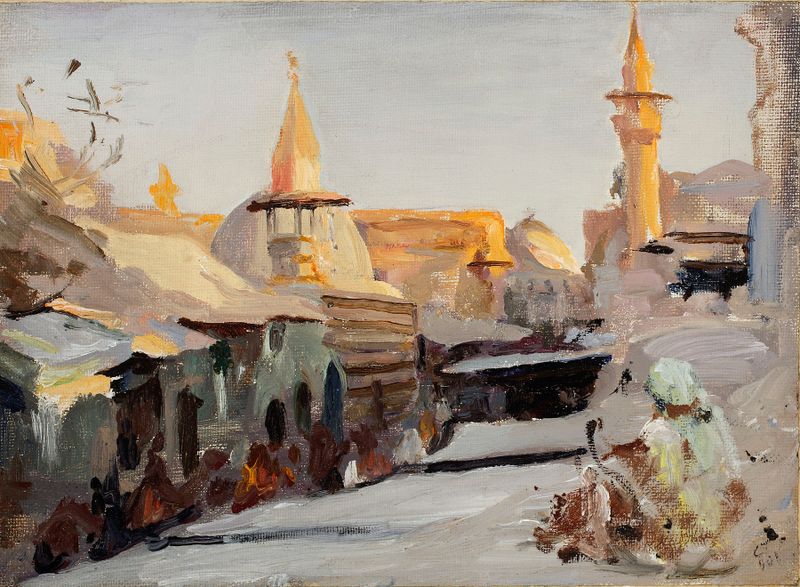
Street in Damascus. From the journey to Palestine
Jan Ciągliński
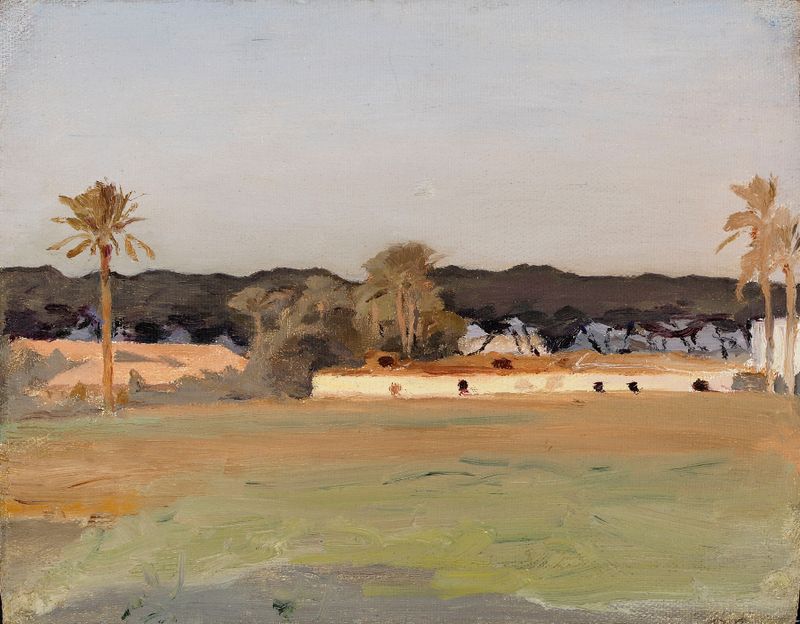
Evening. From the journey to Egypt
Jan Ciągliński
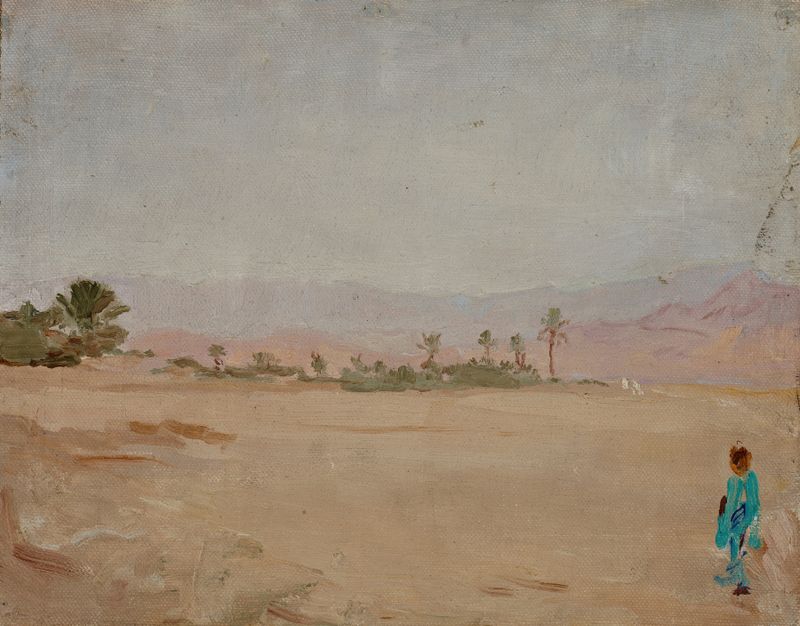
Sahara (Desert)
Jan Ciągliński
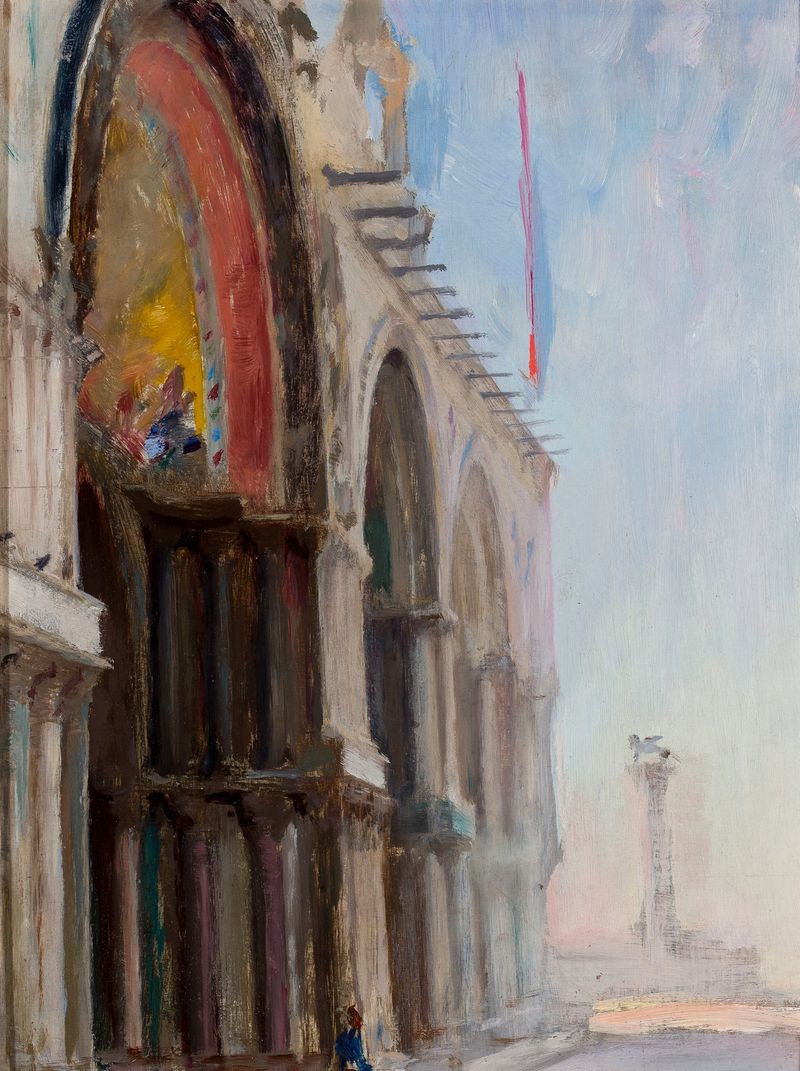
Venice – San Marco. From the journey to Italy
Jan Ciągliński
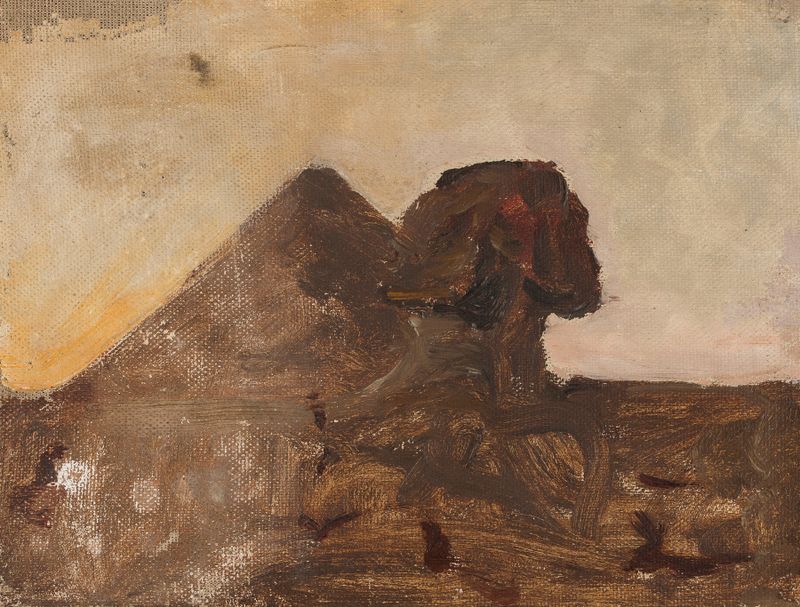
Evening in the desert – Sphinx and pyramid. From the journey to Egypt
Jan Ciągliński
More Historical Art
Browse all →
The Night Watch Militia Company of District II under the Command of Captain Frans Banninck Cocq
Rembrandt van Rijn
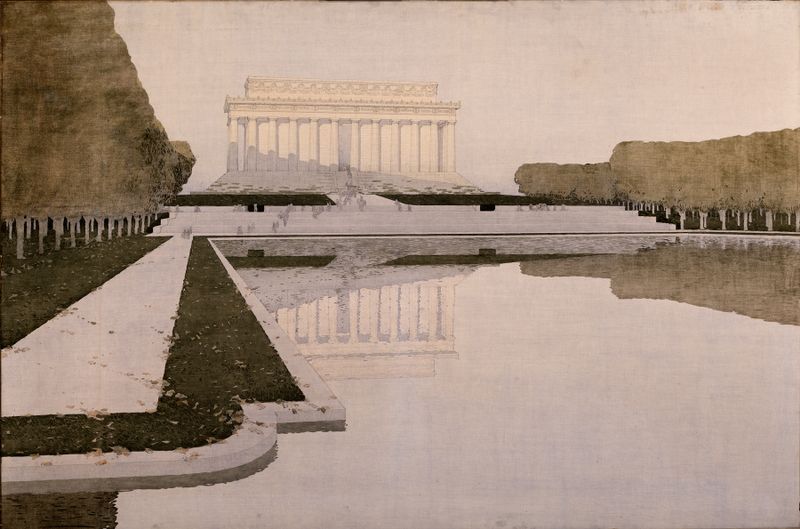
Lincoln Memorial
Henry Bacon
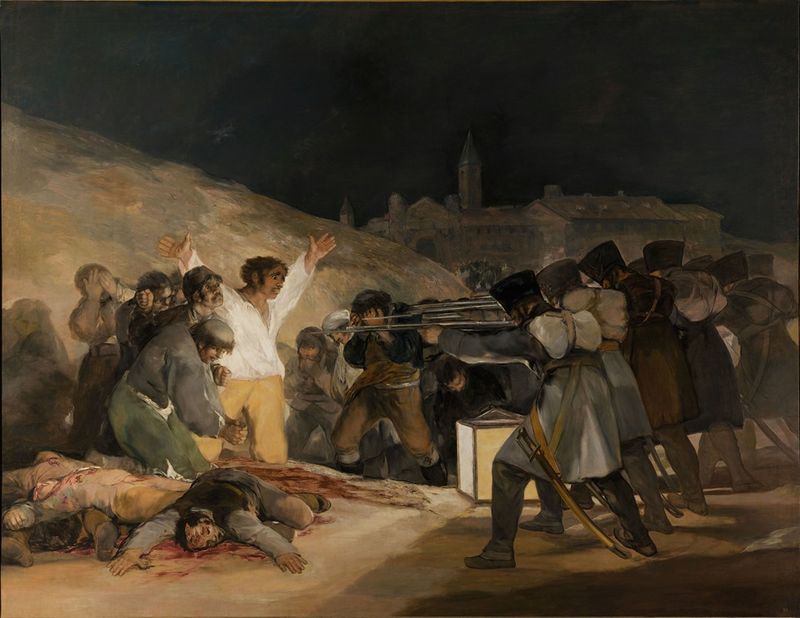
The Third of May 1808
Francisco de Goya

Isaac and Rebecca, Known as ‘The Jewish Bride’
Rembrandt van Rijn
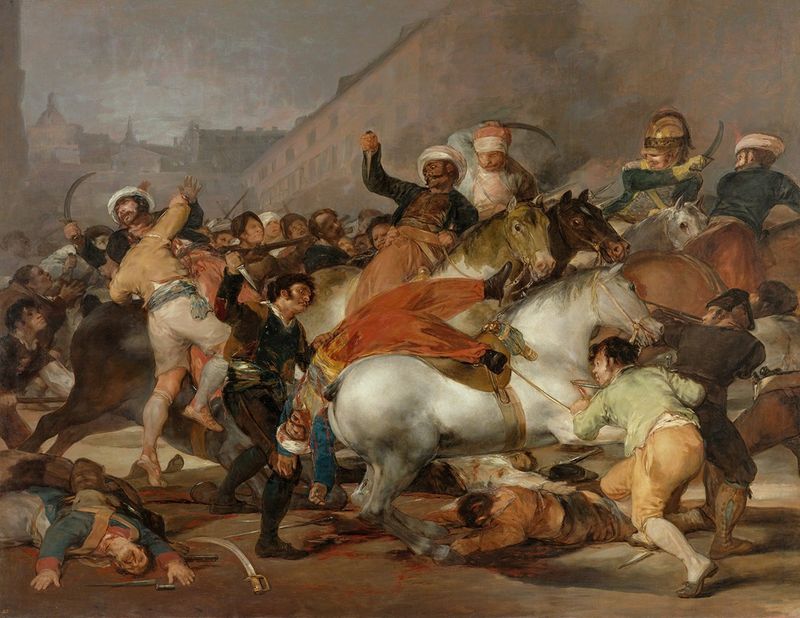
The Charge of the Mamelukes (1814)
Francisco de Goya
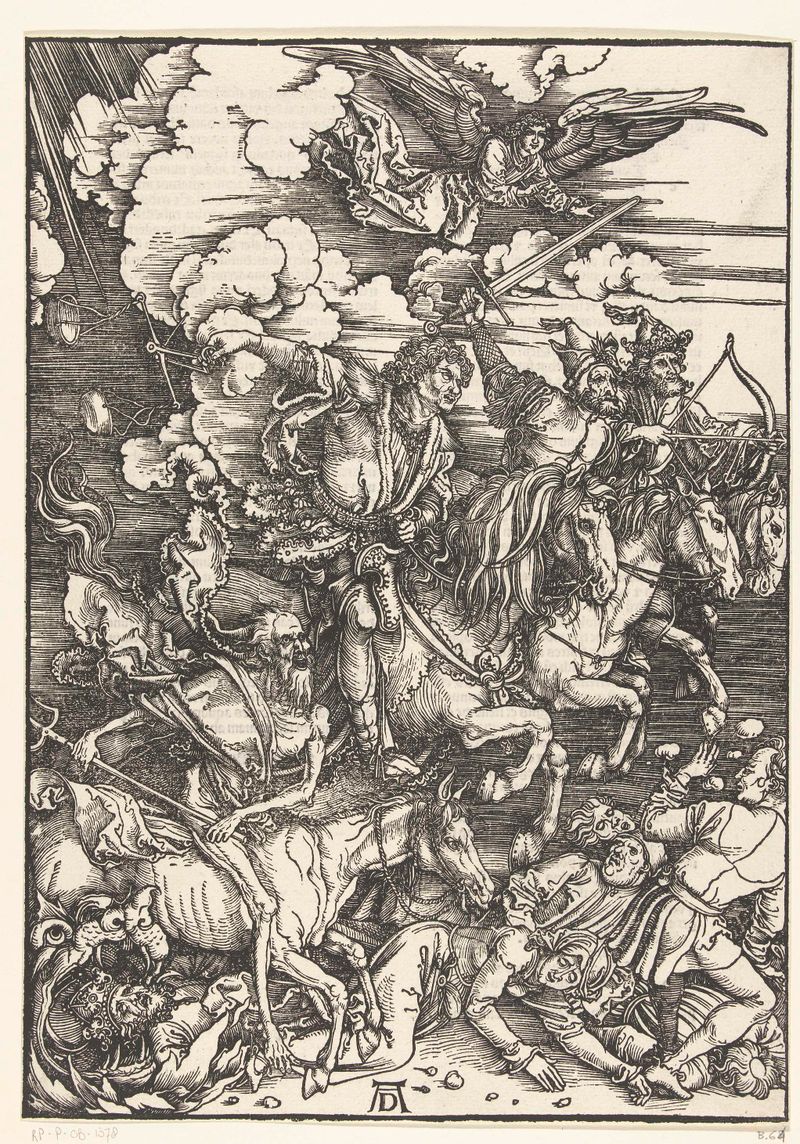
De vier ruiters van de apocalyps
Albrecht Dürer