
Gravel Pit, Rednal — History & Facts
Where does light end, and longing begin? In the quiet expanse of Gravel Pit, Rednal, a legacy unfolds, revealing the delicate balance between nature’s beauty and humanity’s relentless pursuit of progress. Look to the center of the canvas, where the sunlight cascades through the scattered clouds, illuminating the gravel pit with a warm, golden hue. The soft earth tones of the gravel contrast with the emerald greens of the surrounding foliage, inviting the viewer to explore the details nestled within this rugged landscape. Notice how the brushwork captures the texture of the gravel, almost tactile, while the distant hills recede into a hazy blue, blurring the lines between land and sky.
This masterful interplay of light and shadow draws the eye deeper into the scene, suggesting a narrative that is both serene and unsettling. The juxtaposition of beauty and toil emerges through subtle details—the workers hunched over their labor, shoveling gravel, their figures small against the expansive pit, embodying the human effort that both shapes and is shaped by the land. The delicate blooms of wildflowers by the edge of the pit serve as a poignant reminder of nature’s resilience amidst industrial encroachment. This contrast evokes a sense of melancholy, prompting reflections on the fleeting nature of legacy—what remains when the toil is done? Created in 1852, this work emerged at a time of significant change for Elijah Walton, reflecting both the industrial revolution and a personal commitment to landscape painting.
Walton was immersed in the growing discourse on nature versus industry, seeking to capture the essence of rural Britain amid a rapidly changing world. His choice of subject reveals a deep introspection, one that resonates even today.
More Artworks by Elijah Walton
Browse all →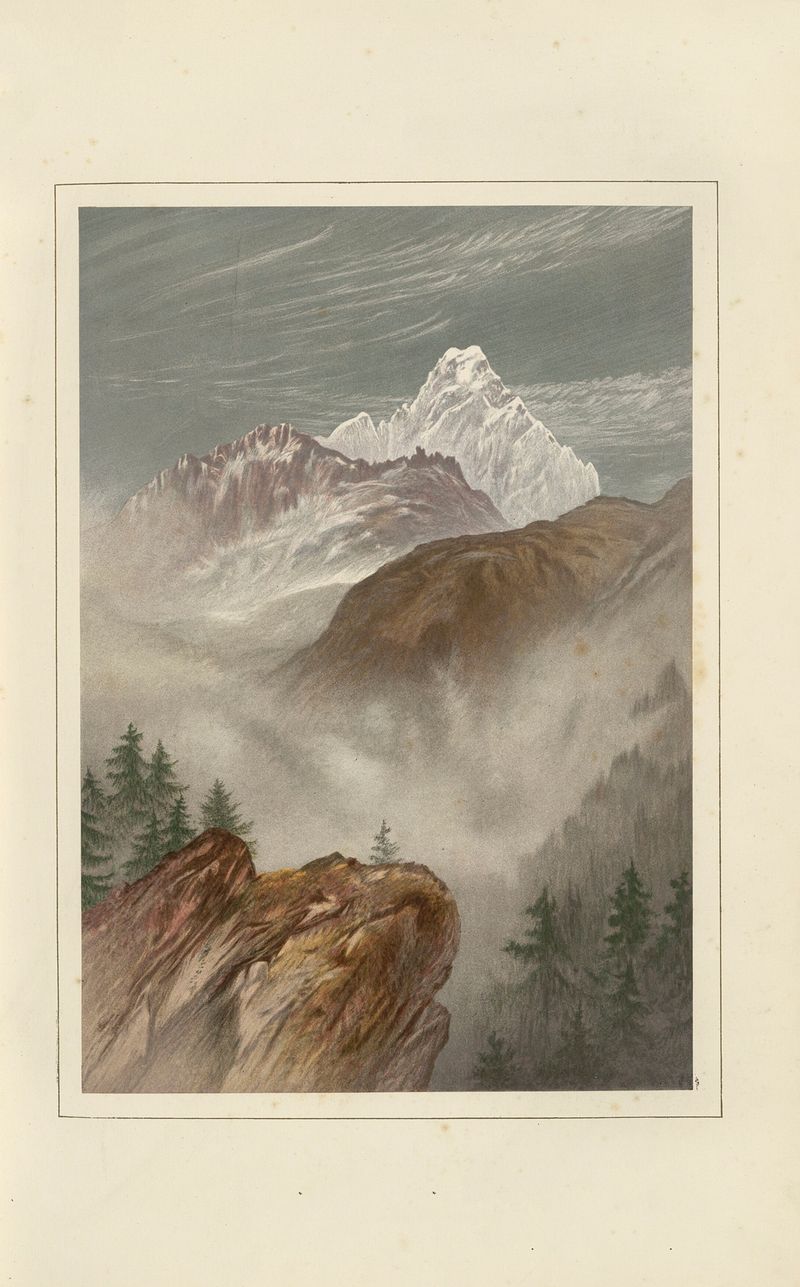
Monte Viso, from the south
Elijah Walton

The Matterhorn
Elijah Walton

The Gorner glacier
Elijah Walton

The Cascade de Roget and the Pointe de Salles
Elijah Walton
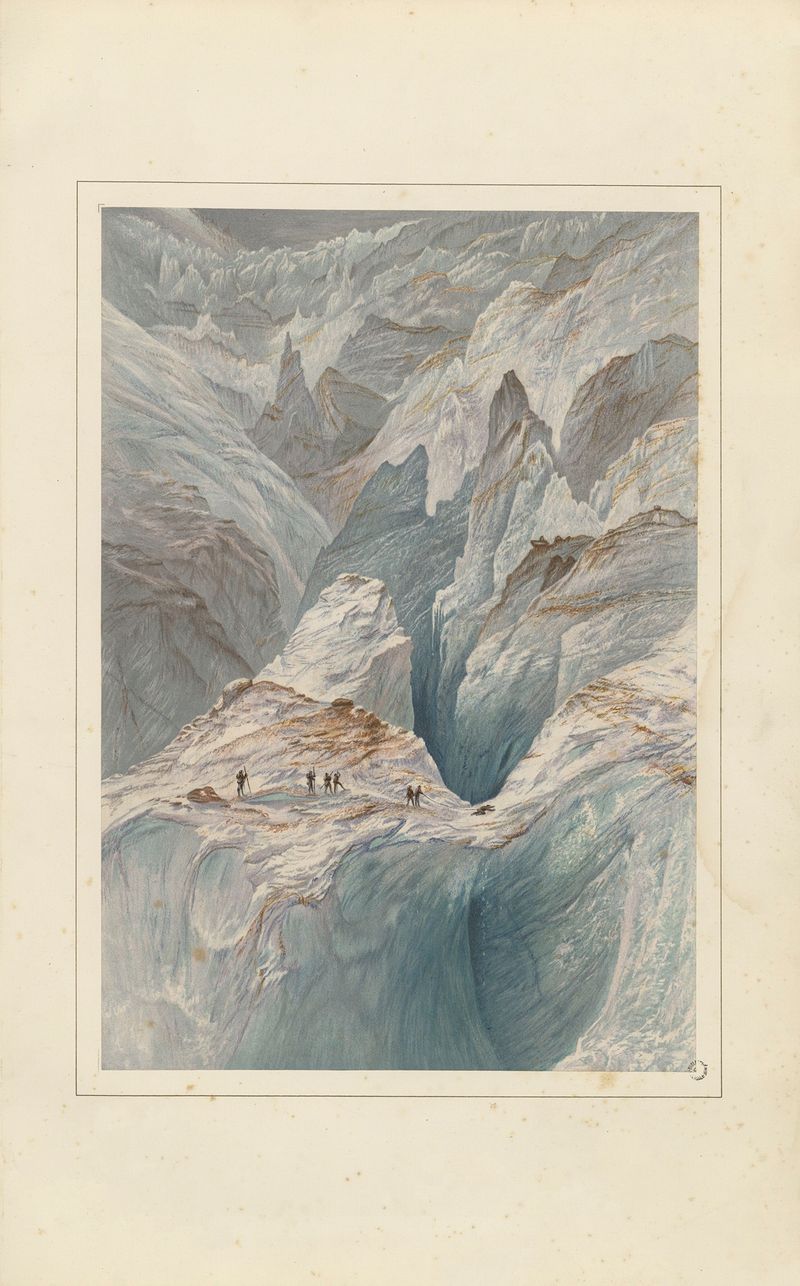
Crevasses on the Mer de Glace
Elijah Walton
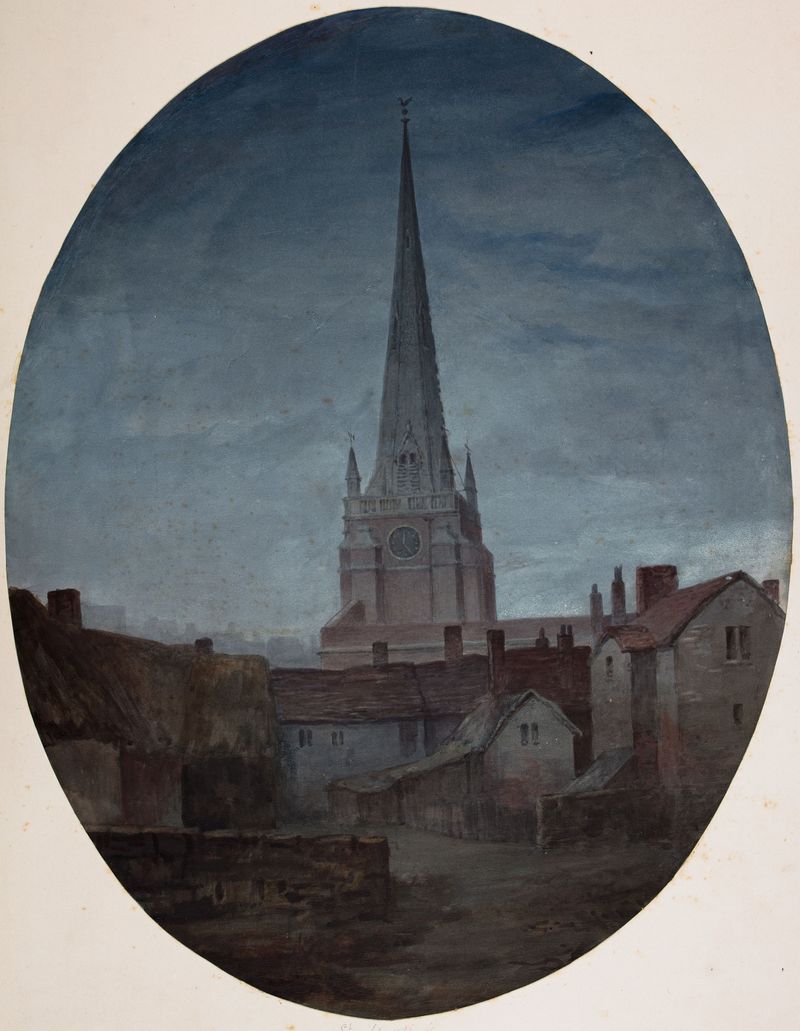
St Martin’s Church Birmingham, By Night
Elijah Walton

The Weisshorn, from near St. Niklaus
Elijah Walton

Monte Viso, from the Col de La Croix
Elijah Walton
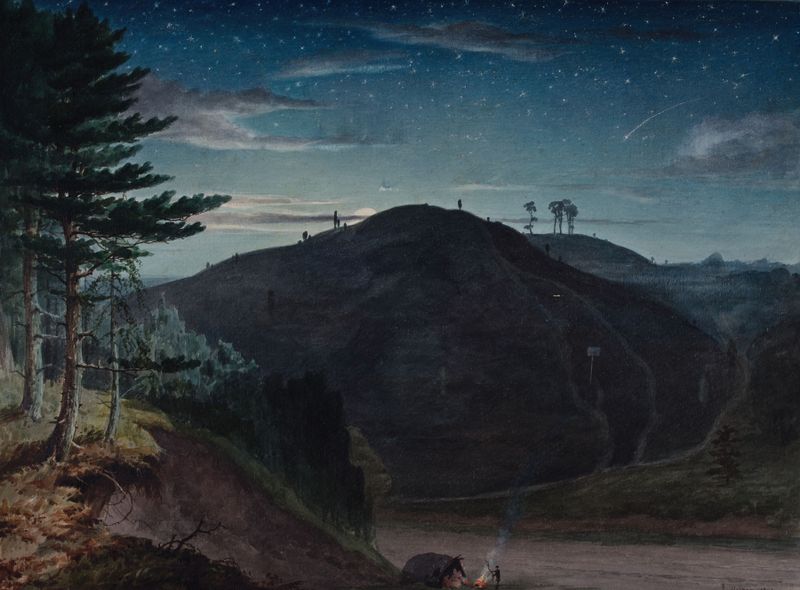
Cofton From Rednal, Moonlight
Elijah Walton
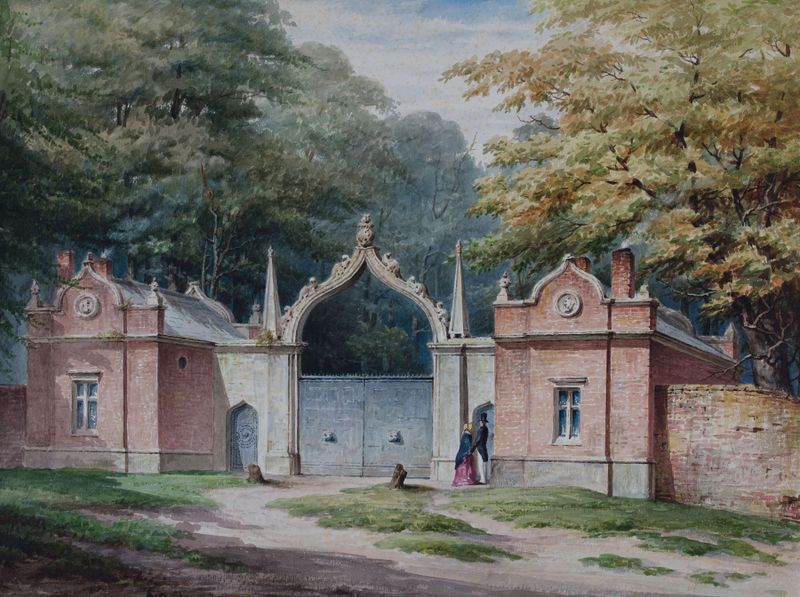
Lodge Gates, Entrance To Aston Hall
Elijah Walton





