
Graynsta — History & Facts
No other Monet painting has sparked as much confusion among art historians as Graynsta. The title itself is a puzzle—no French place or term by this name is known, and Monet’s correspondence from 1890 never mentions it. Some suggest a misreading or mistranslation in early catalogues, while others believe it might refer to a lost or renamed location along the Seine.
The work’s first public exhibition in Paris in 1891 prompted critics to speculate about its subject, with one reviewer writing, “Monet has painted a place that exists only in the mist between memory and dream.” At first glance, Graynsta presents a riverside scene shrouded in silvery fog, the banks dissolving into water and sky. Monet captures the precise moment when dawn’s first light struggles through the haze, rendering trees and rooftops as mere suggestions. The brushwork is loose and rapid, typical of his Impressionist phase, yet the palette is unusually restrained—muted blues, greys, and pale yellows dominate.
A single boat drifts near the center, its reflection barely distinguishable from the ripples. Unlike Monet’s more famous Haystacks series, where sunlight and color take center stage, here the atmosphere itself becomes the subject, blurring boundaries and inviting the viewer to linger in uncertainty. The provenance of Graynsta remains somewhat obscure. It entered a private Parisian collection shortly after its debut and resurfaced only decades later in a London auction.
The medium is not definitively recorded, though most believe it to be oil on canvas, consistent with Monet’s practice in 1890. Today, the painting is held in an anonymous collection and is rarely exhibited, adding to its aura of mystery. Graynsta stands as a testament to Monet’s restless experimentation at the dawn of the 1890s, a period that would soon yield his celebrated Water Lilies.
More Artworks by Claude Monet
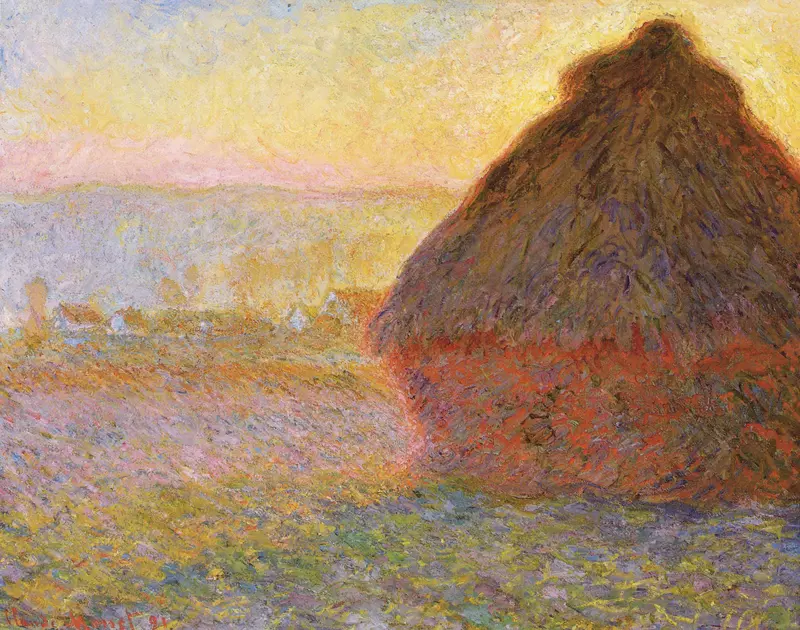
Grainstack (Sunset)
Claude Monet
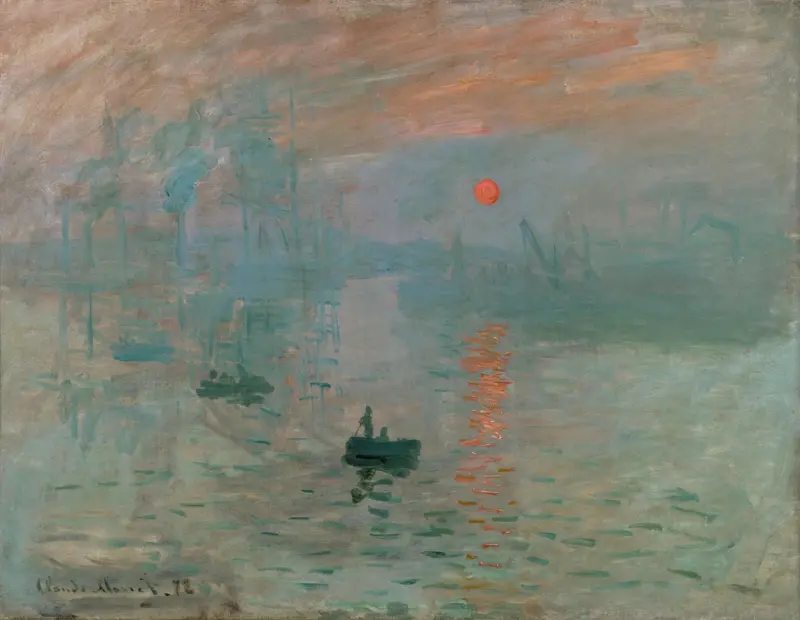
Impression, Sunrise
Claude Monet
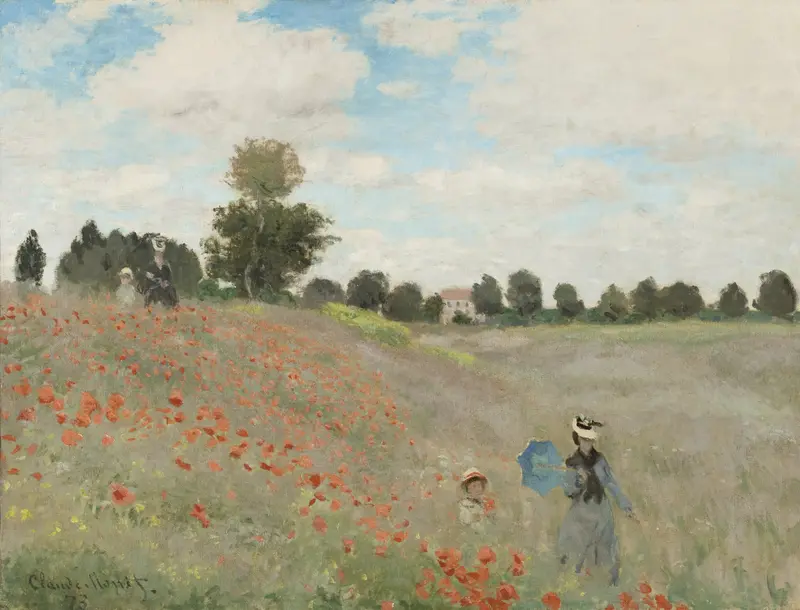
The Poppy Field near Argenteuil
Claude Monet
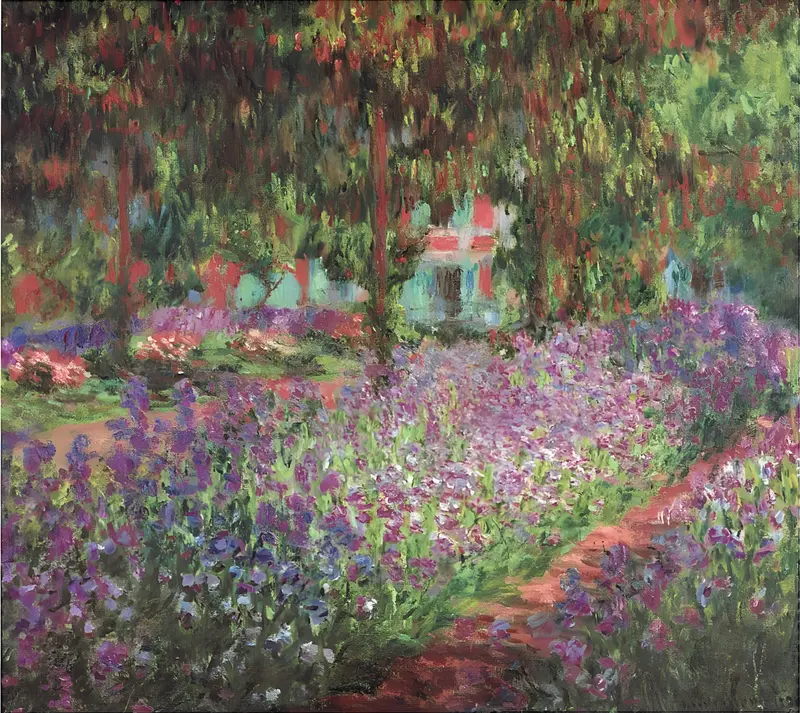
The Artist's Garden at Giverny
Claude Monet
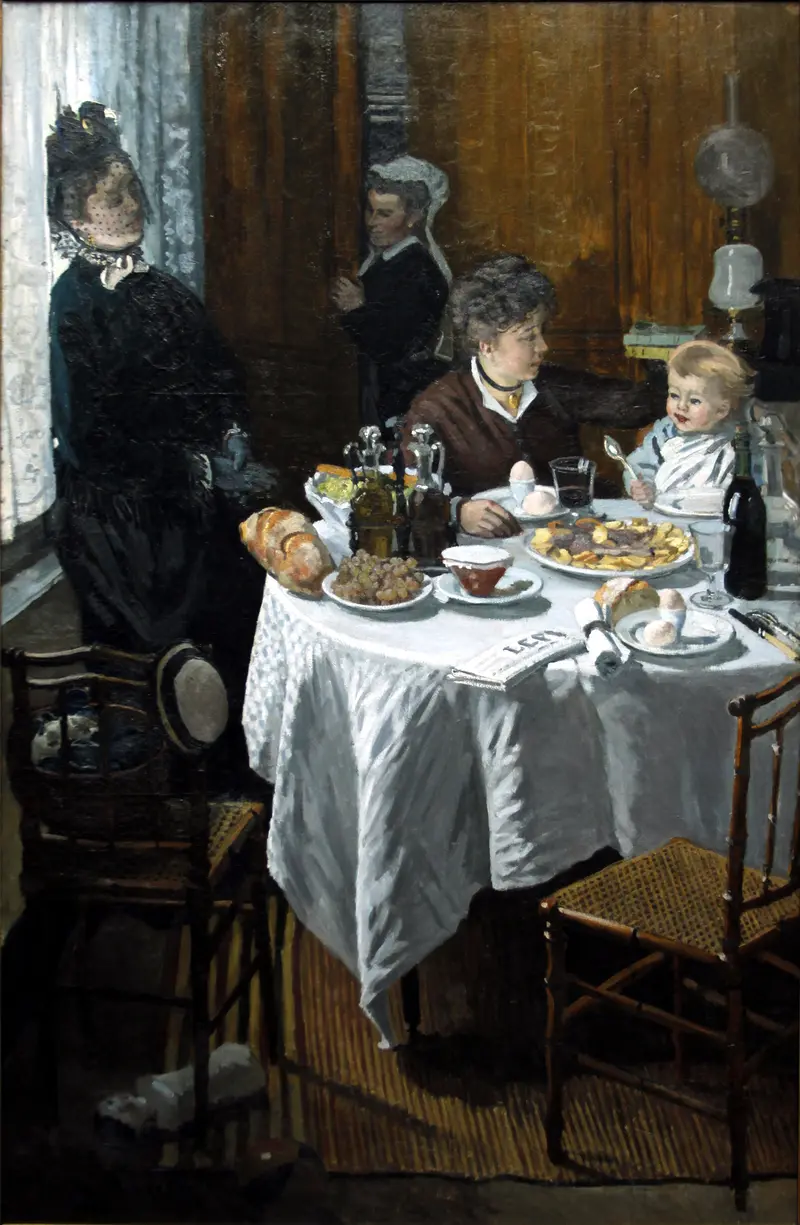
The Luncheon
Claude Monet
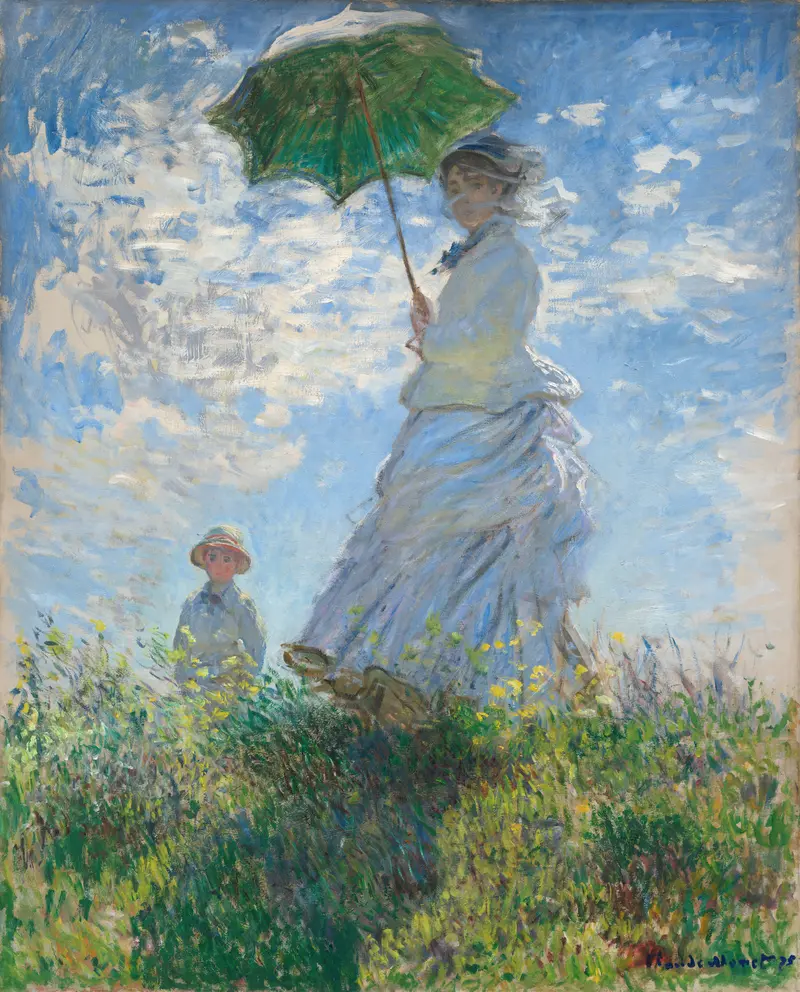
Woman with a Parasol – Madame Monet and Her Son
Claude Monet

The Gare Saint-Lazare
Claude Monet
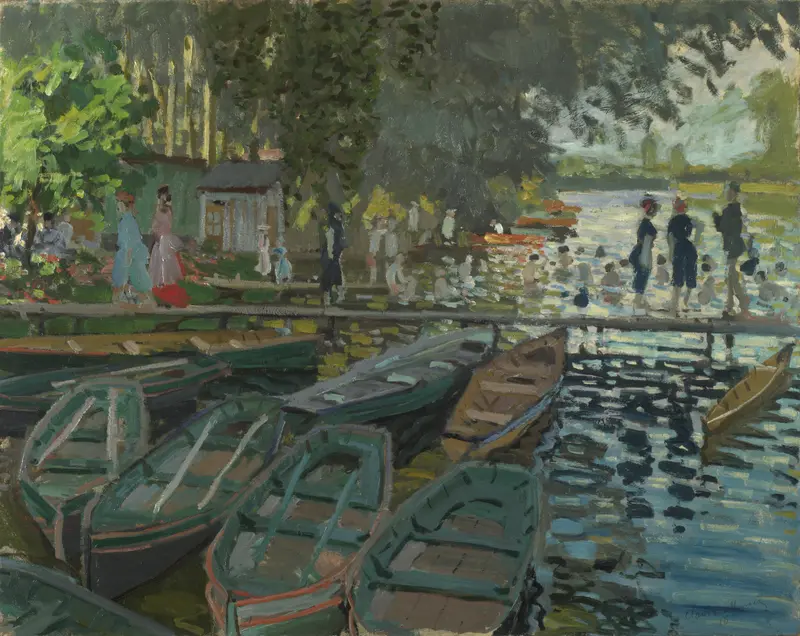
Bathers at La Grenouillère
Claude Monet
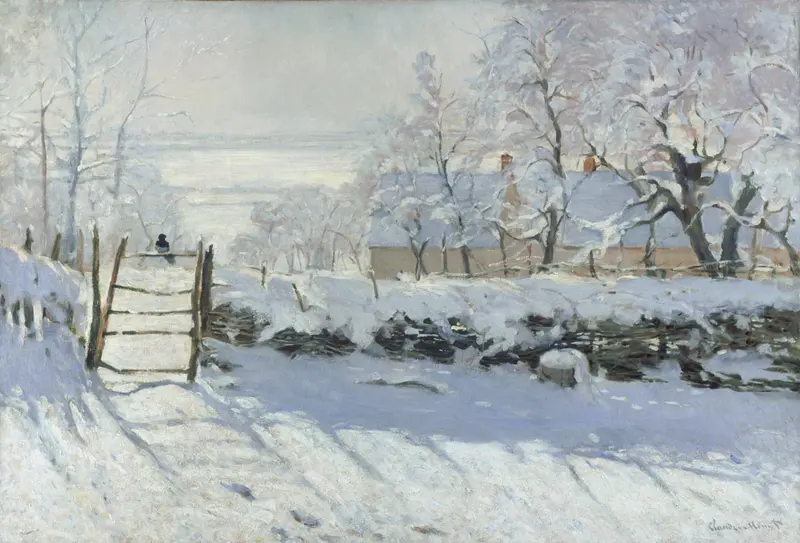
The Magpie
Claude Monet

Water Lilies
Claude Monet
More Landscape Art

The Starry Night
Vincent van Gogh

View of Delft
Johannes Vermeer

Water Lilies
Claude Monet

The Grand Canal, Venice, looking north-west from the Ca' Corner to the Ca' Contarini degli Scrigni, with the campanile of Santa Maria della Carità
Canaletto

Windsor Castle
Canaletto

The Grand Canal looking North-East from the Palazzo Dolfin-Manin to the Rialto Bridge
Canaletto