Great Black-backed Gull, after Audubon — History & Facts
In this vibrant representation, the interplay of lush tones and muted shadows speaks volumes about nature's delicate balance, hinting at the betrayals lurking beneath the surface. Look to the left at the striking plumage of the gull, where deep blacks and silvery whites create a sharp contrast against the soft azure sky. The meticulous brushwork captures the texture of each feather, inviting the viewer to appreciate not only the beauty but also the vulnerability of this majestic creature. Notice how the light subtly dances, illuminating the bird’s eye with a glimmer of life, while shadows cradle its form—evoking a sense of both freedom and entrapment. Delve deeper, and you will find hints of a disconnect in the work; the gull, though portrayed with reverence, stands as a symbol of nature's fragility.
The stark separation between the vibrant foreground and the muted background elicits feelings of isolation and uncertainty, suggesting a world where beauty can be easily betrayed by human intervention. This tension resonates deeply, reminding us of our complex relationship with the natural world—one that can oscillate between admiration and exploitation. In 1853, Haseltine painted this piece during a period of increasing interest in natural history and wildlife illustration, influenced by the works of Audubon. Living in a time where the American landscape was rapidly changing, he sought to capture both the splendor of its inhabitants and the impending threats they faced from industrialization and human encroachment.
This work stands as a testament to that era's duality—celebrating nature while foreshadowing its vulnerabilities.
More Artworks by William Stanley Haseltine
Browse all →
Mill Dam in Traunstein
William Stanley Haseltine
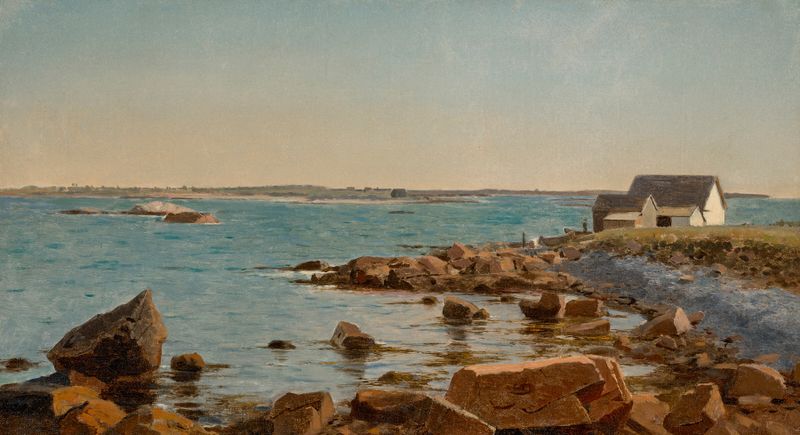
Nahant Coast
William Stanley Haseltine
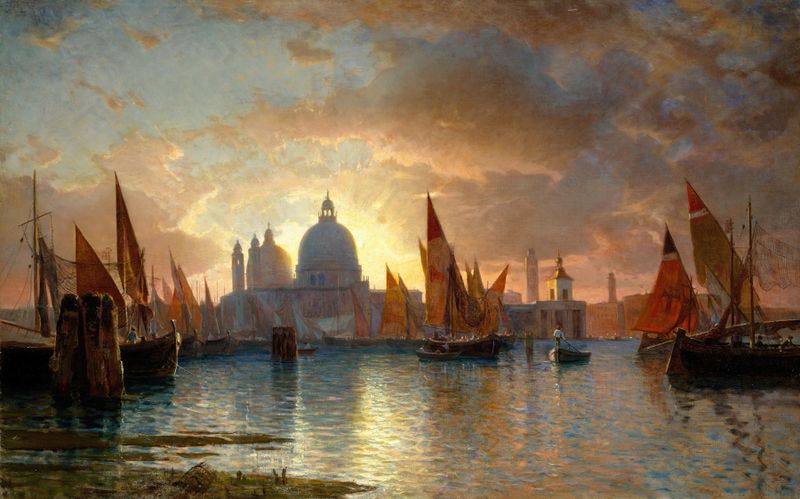
Santa Maria della Salute, Sunset
William Stanley Haseltine
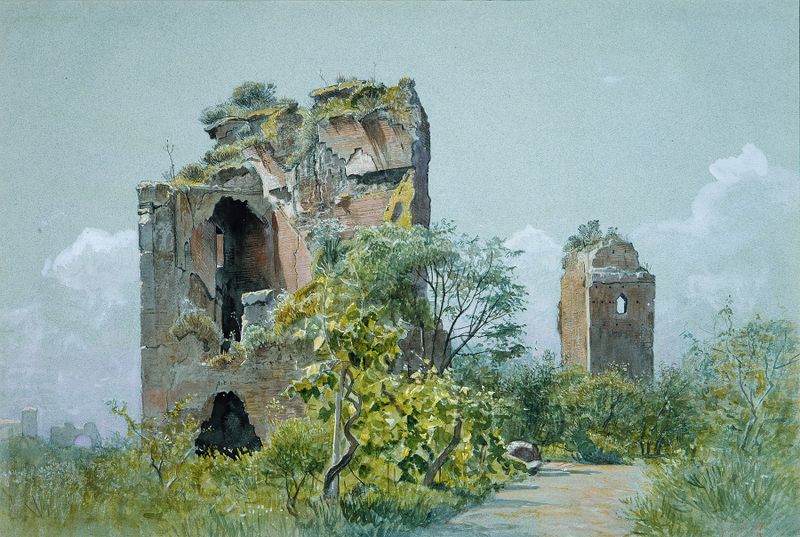
Baths of Trajan (Sette Sale, Villa Brancaccio, Rome)
William Stanley Haseltine
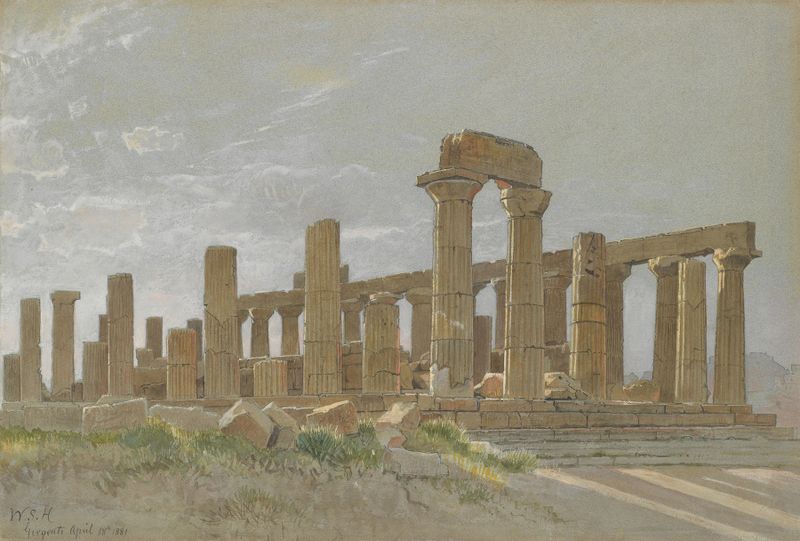
Girgenti (The Temple of Juno Lacinia at Agrigentum)
William Stanley Haseltine

Italian Hills
William Stanley Haseltine
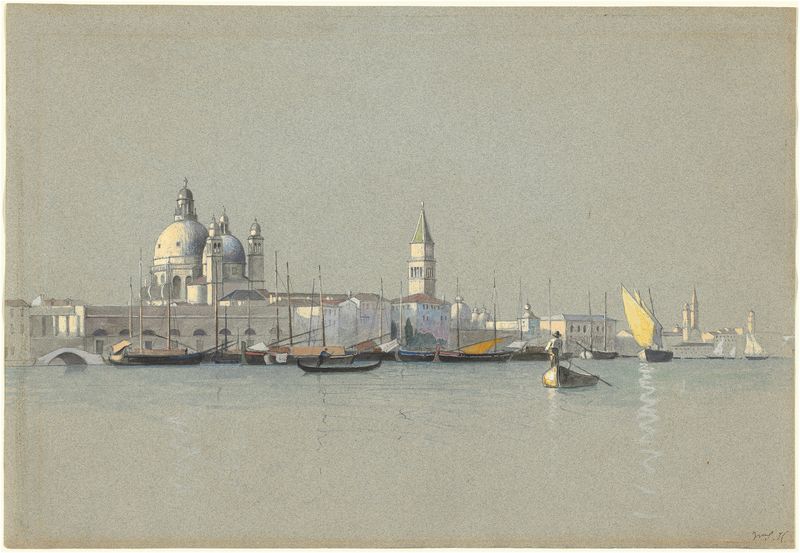
View across the Giudecca Canal toward the Salute and the Campanile of San Marco
William Stanley Haseltine
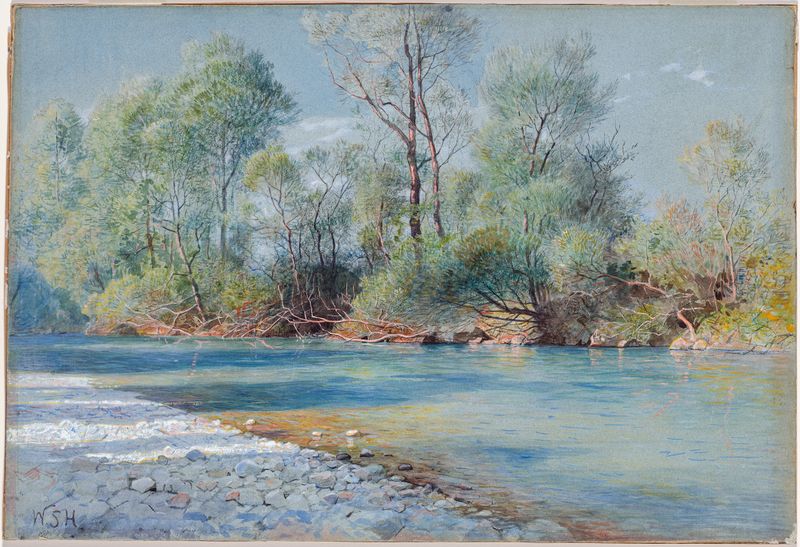
Traunstein River on the Road to Empfig, Bavaria
William Stanley Haseltine

Coast of Capri
William Stanley Haseltine
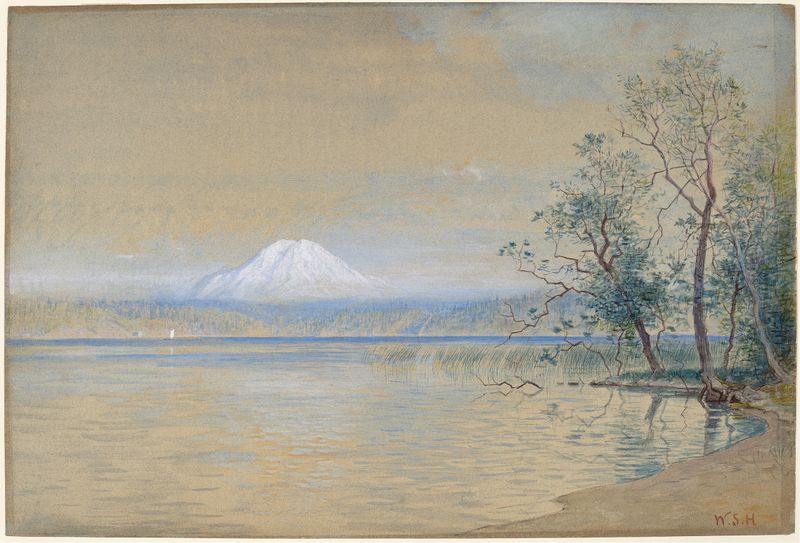
Mount Tacoma
William Stanley Haseltine