
Green and Violet: Mrs. Walter Sickert — History & Facts
Where does light end, and longing begin? In the delicate interplay of color and form, beauty emerges not just as a visual delight, but as an invitation to delve deeper into the soul. Focus on the vibrant hues that grace the canvas—look to the rich green tones that envelop the figure of Mrs. Walter Sickert, contrasting with the soft violet drapes that cascade around her. The subtle brushwork captures the play of light, illuminating her features while casting shadows that hint at deeper emotions.
Notice how the composition draws you into her gaze, which holds both serenity and a sense of introspection, reflecting the artist's masterful technique and careful choice of palette. The artwork reveals a complex emotional landscape, where the harmony of colors resonates with the tension of human experience. The juxtaposition of warm and cool tones suggests a dialogue between comfort and unease, while Mrs. Sickert's poised demeanor conceals an inner world fraught with longing.
The choice of drapery, both luxurious and suggestive, evokes themes of both beauty and confinement, inviting the viewer to ponder the balance between external appearance and internal reality. Whistler painted this work between 1893 and 1894 during a time of personal and artistic evolution. Living in London, he was at the forefront of the Aesthetic Movement, which emphasized beauty and art for art's sake. This period marked a transition for him, where he sought to capture not just likenesses but the essence of his subjects, a pursuit evident in the intimate portrayal of Mrs.
Sickert.
More Artworks by James Abbott McNeill Whistler
Browse all →
Nocturne in Blue and Silver
James Abbott McNeill Whistler
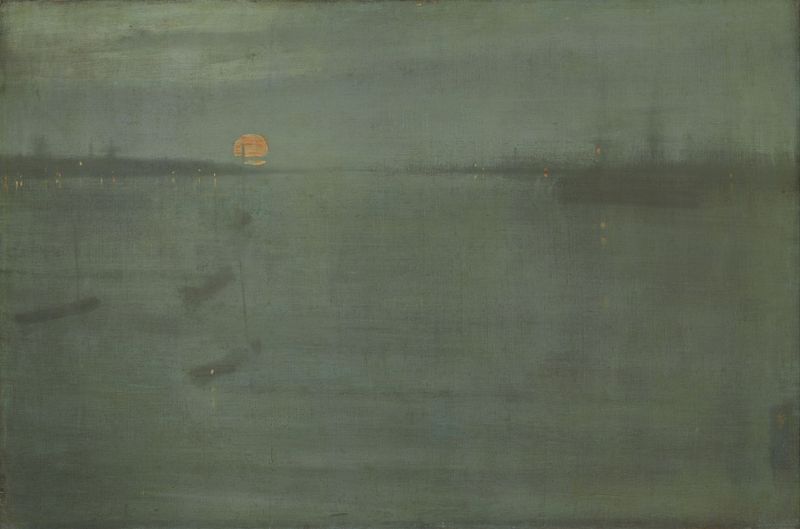
Nocturne: Blue and Gold–Southampton Water
James Abbott McNeill Whistler
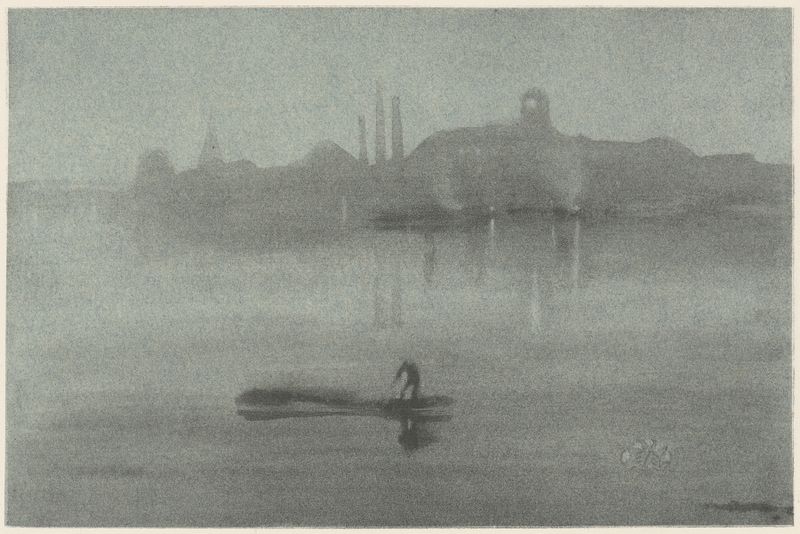
Nocturne
James Abbott McNeill Whistler
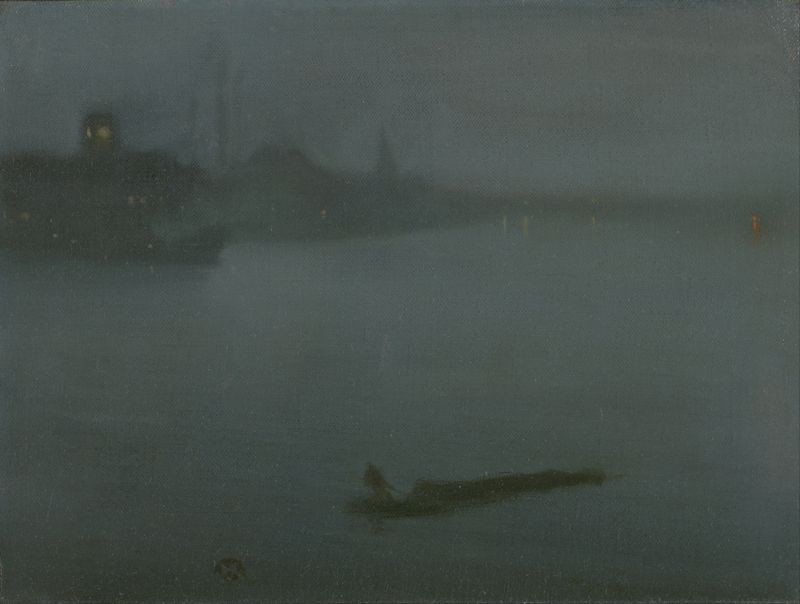
Nocturne in Blue and Silver
James Abbott McNeill Whistler
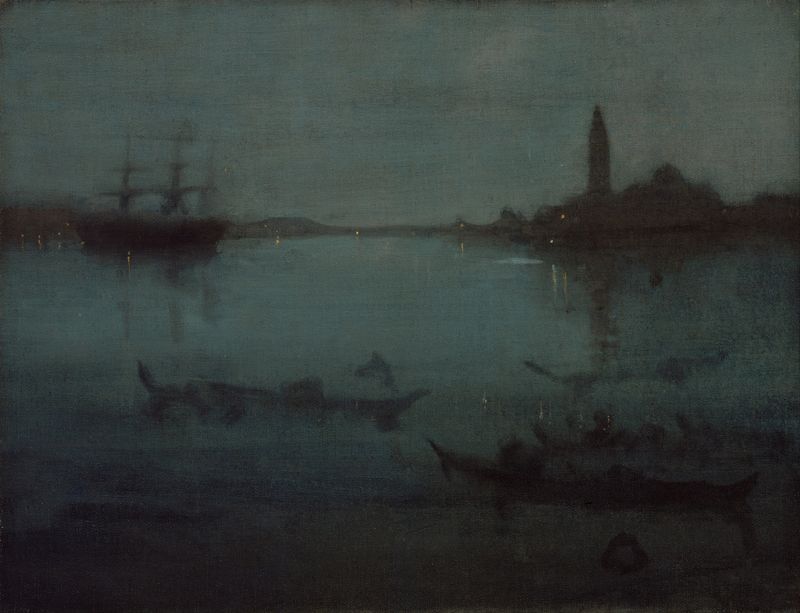
Nocturne in Blue and Silver- The Lagoon, Venice
James Abbott McNeill Whistler
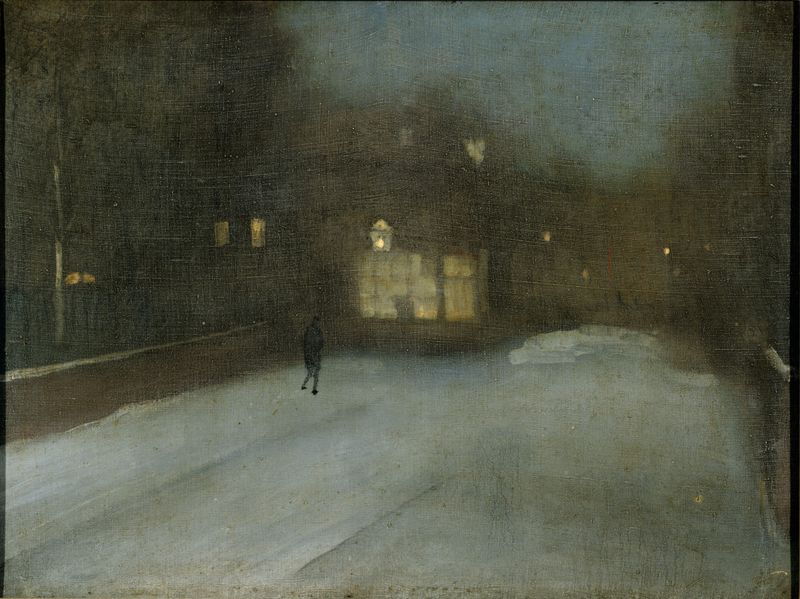
Nocturne in Grey and Gold: Chelsea Snow
James Abbott McNeill Whistler
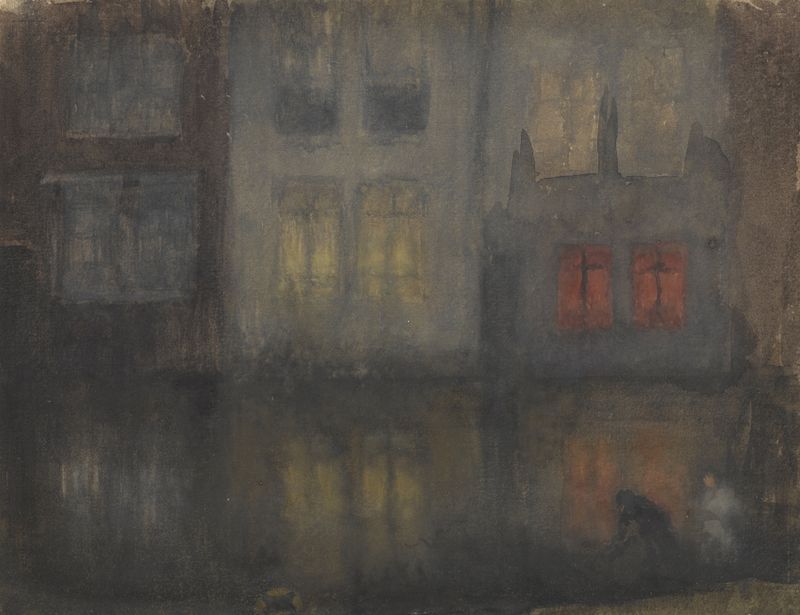
Nocturne: Black and Red—Back Canal, Holland
James Abbott McNeill Whistler
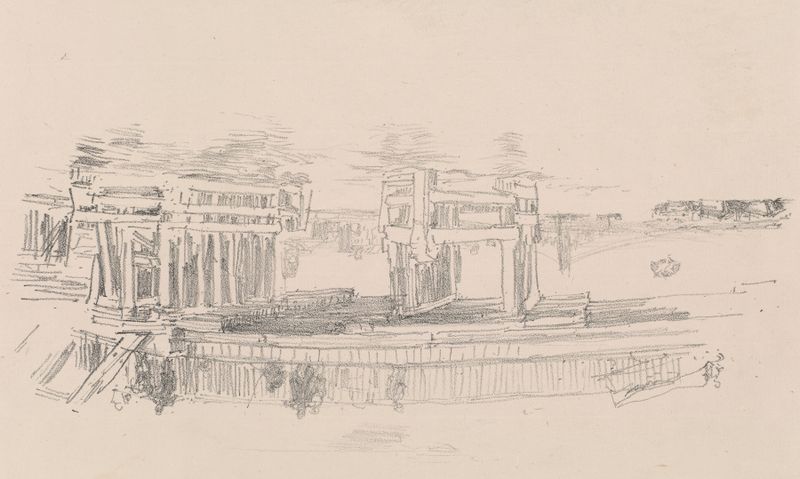
Old Battersea Bridge
James Abbott McNeill Whistler

Nocturne: Blue and Silver–Battersea Reach
James Abbott McNeill Whistler
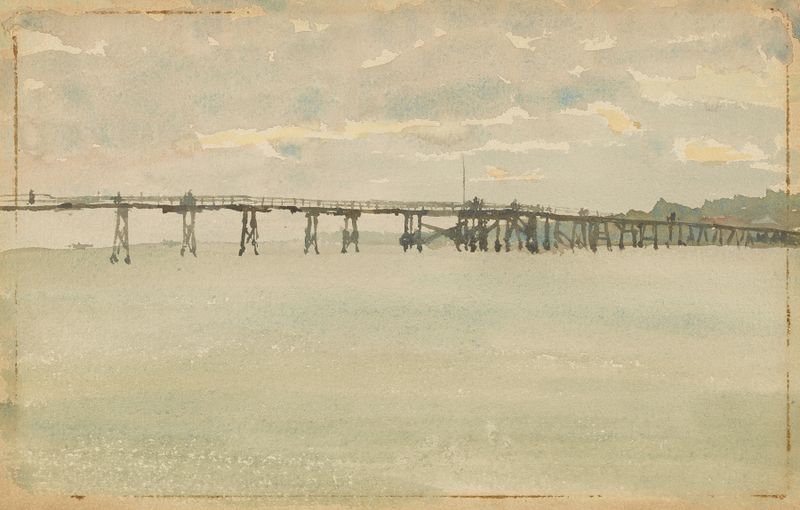
Grey and Silver–Pier, Southend
James Abbott McNeill Whistler
More Portrait Art
Browse all →
Las meninas
Diego Velázquez

Self-portrait with a Bandaged Ear and Pipe
Unidentified artist

Girl with a Pearl Earring
Johannes Vermeer

The Sampling Officials of the Amsterdam Drapers’ Guild, Known as ‘The Syndics’
Rembrandt van Rijn

The Hundred Guilder Print: the man seen on the back in the lower left corner
Rembrandt van Rijn

Portrait of Dr Gachet
Vincent van Gogh