
Grey Daylight — History & Facts
Memory is a fleeting wisp, ever elusive yet profoundly significant in our lives. Look to the center where a murky grey sky looms over a desolate landscape, drenching the scene in a somber hue. The palette is muted, dominated by shades of grey and earth tones, suggesting an emotional weight that grips the viewer. The foreground features a solitary figure, an emblem of isolation, whose posture hints at a profound introspection.
Notice how the soft, sweeping brushstrokes blend the horizon into obscurity, evoking an atmosphere tinged with nostalgia and longing. Within this composition, contrasts emerge that deepen its emotional impact. The juxtaposition of the stark, barren ground and the heavy sky evokes the tension between hope and despair, a reminder of life’s unpredictable nature. The figure, though seemingly lost, stands as a testament to resilience against the encroaching gloom, inviting contemplation on the human experience and the memories that shape us.
Each detail whispers a story of past joys and sorrows, urging the viewer to reflect on their own narrative. Frank Howard created this work in 1838, a time when the Romantic movement was gaining momentum, focusing on emotion and the sublime aspects of nature. Living in England, he was influenced by the changing landscapes of his time, both in art and the rapidly industrializing world around him. This artwork reflects not just his personal journey but also the collective consciousness of a society in search of meaning amid chaos.
More Artworks by Frank Howard
Browse all →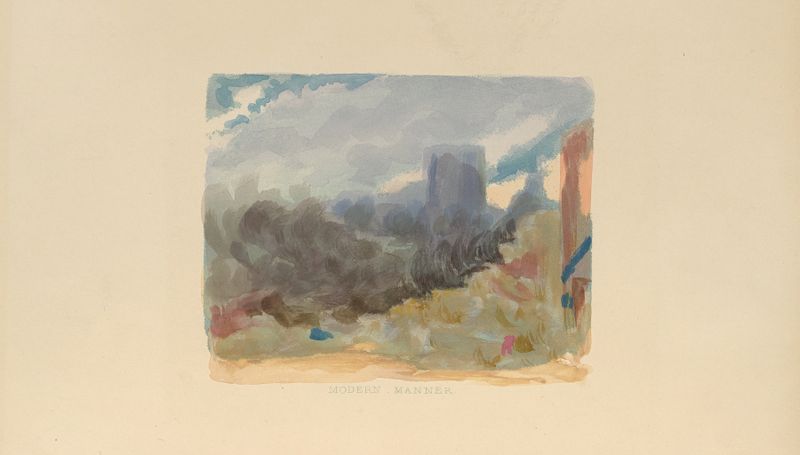
Modern Manner
Frank Howard
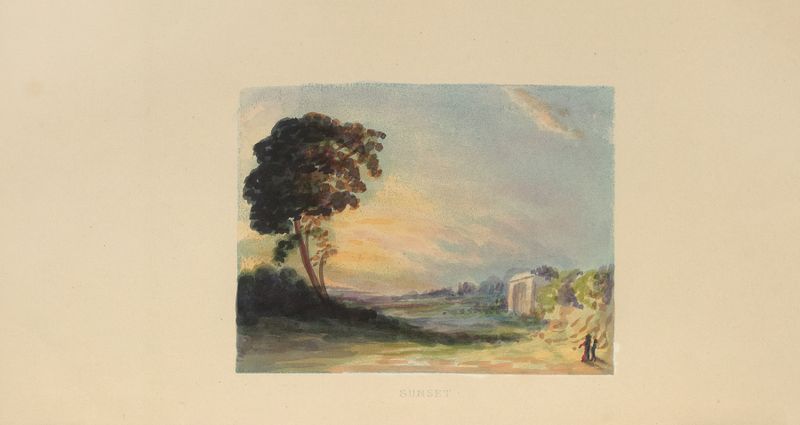
Sunset
Frank Howard
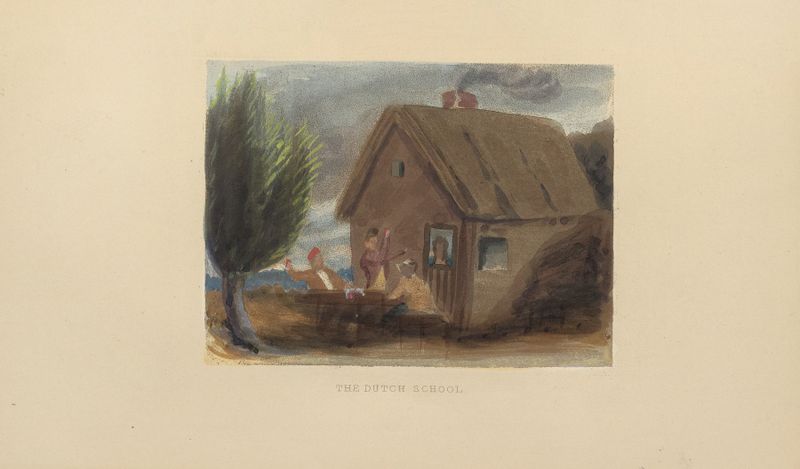
The Dutch School
Frank Howard
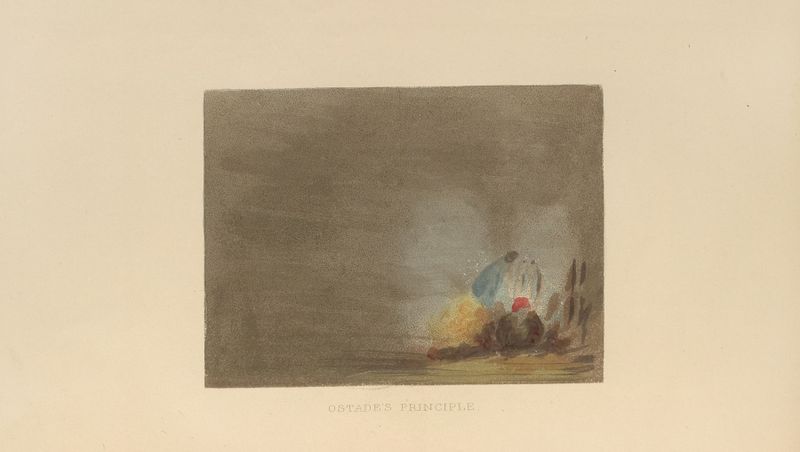
Ostade’s Principle
Frank Howard
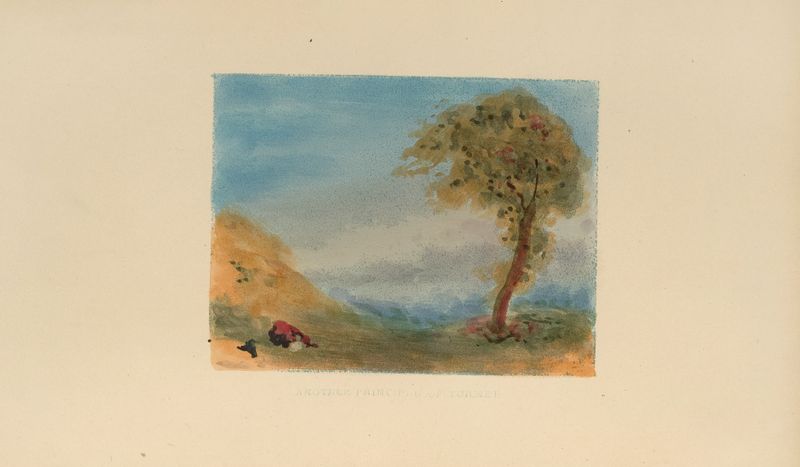
Another Principle of Turner
Frank Howard
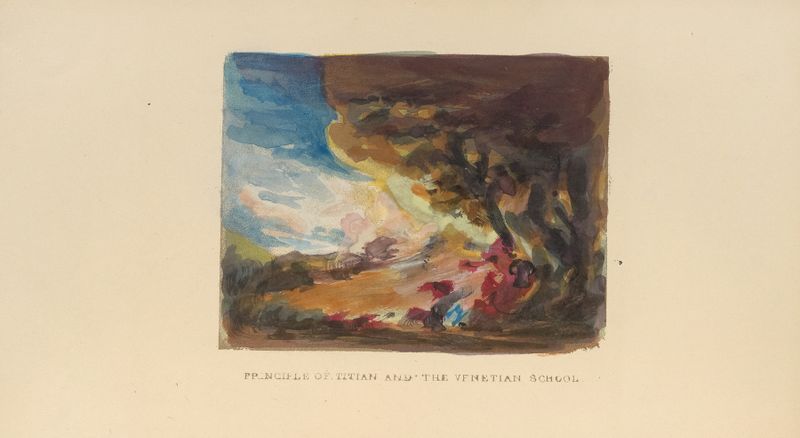
Principle of Titian and the Venetian School
Frank Howard
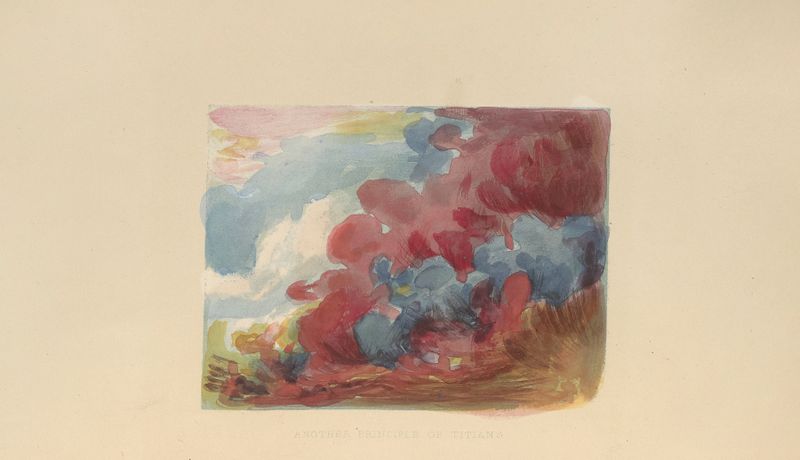
Another Principle of Titian
Frank Howard
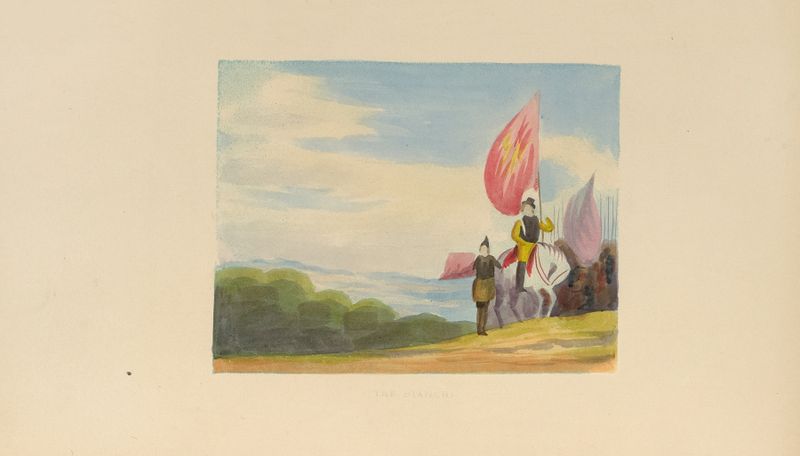
The Bianchi
Frank Howard
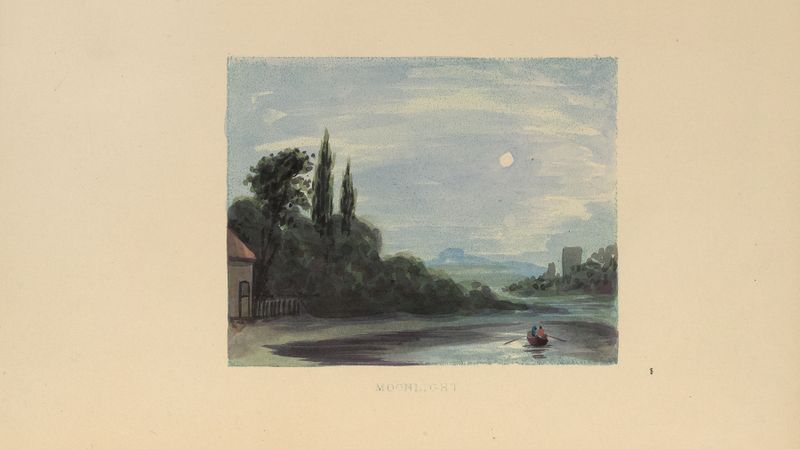
Moonlight
Frank Howard
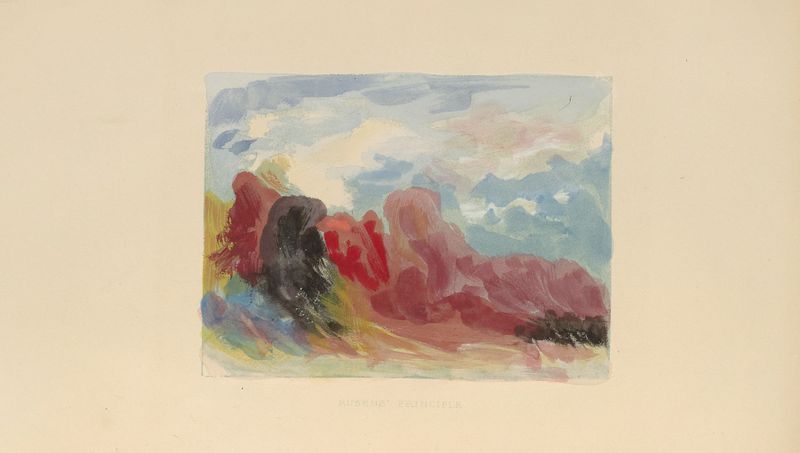
Ruben’s Principle
Frank Howard





