
Greystoke Castle — History & Facts
In Greystoke Castle, the exuberance of nature intertwines with the remnants of human endeavor, inviting contemplation on the truths hidden beneath the surface. Look to the left, where the crumbling structure stands defiantly against a lush landscape. The artist’s deft brushwork captures the intricate stonework and ivy that cling to its walls, evoking a sense of both decay and resilience. Notice how the soft morning light bathes the scene, illuminating the vibrant greens of the foliage while casting deep shadows that hint at the passage of time.
The delicate balance of light and shadow reinforces the duality of beauty and ruin within the composition. Within this tranquil scene lies an emotional tension that speaks to the fragility of legacy. The castle, once a symbol of grandeur, now stands as a ghost of history, reminding us that even the most magnificent creations are subject to nature's relentless embrace. The juxtaposition of the lively landscape against the silent ruins evokes a bittersweet nostalgia, suggesting that truth, like beauty, often carries the weight of sorrow. Painted between 1777 and 1786, this work emerged during Hearne’s prolific period in England, a time marked by Romantic ideals that celebrated nature's raw power and beauty.
The artist's keen interest in capturing the sublime reflects the broader movement in art, where the emotional resonance of landscapes gained significance. As he rendered the castle, Hearne not only documented a moment in time but also engaged with the larger narrative of humanity's relationship with the natural world.
More Artworks by Thomas Hearne
Browse all →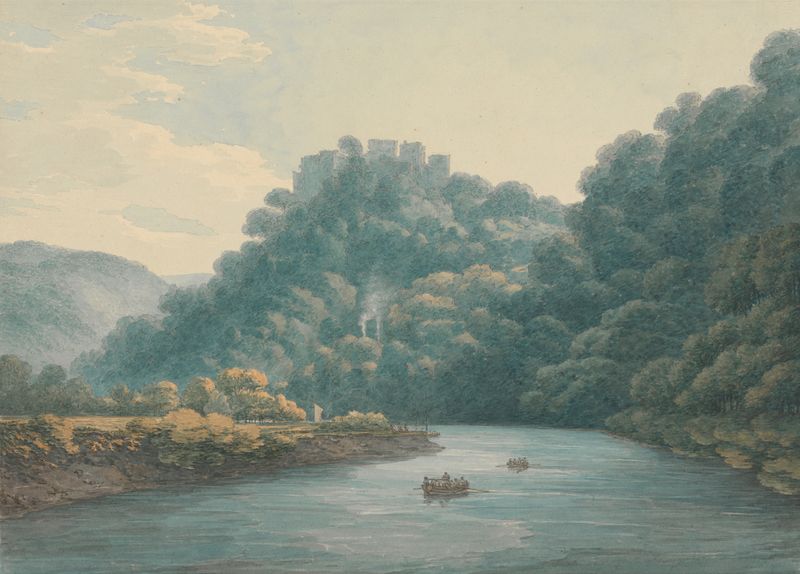
Goodrich Castle on the Wye
Thomas Hearne
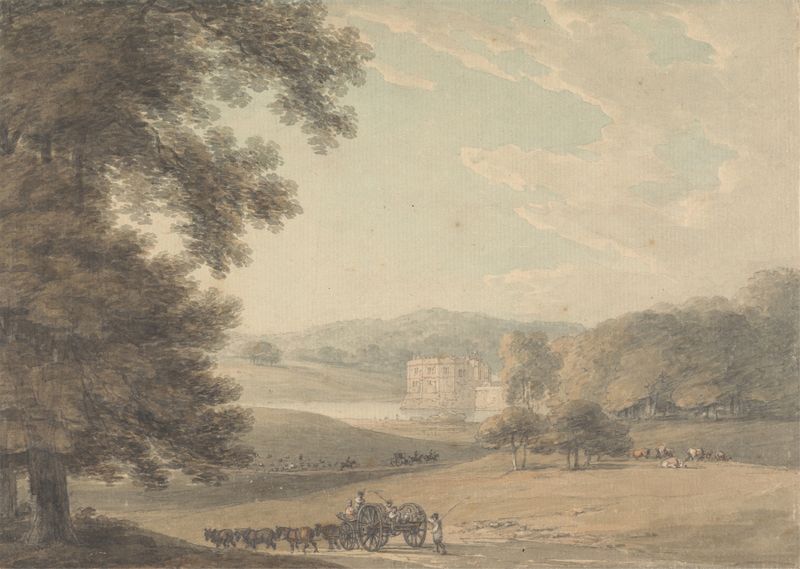
Leeds Castle, Kent
Thomas Hearne

The Ruins of Leiston Abbey
Thomas Hearne
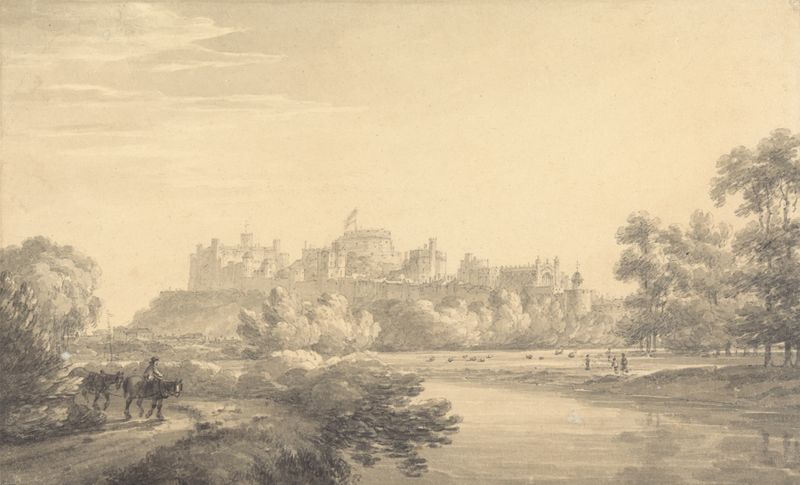
Windsor Castle
Thomas Hearne
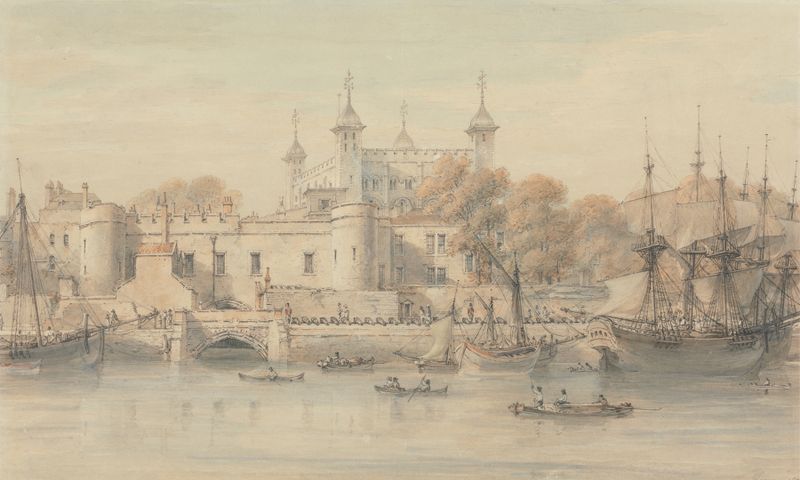
The Tower of London
Thomas Hearne
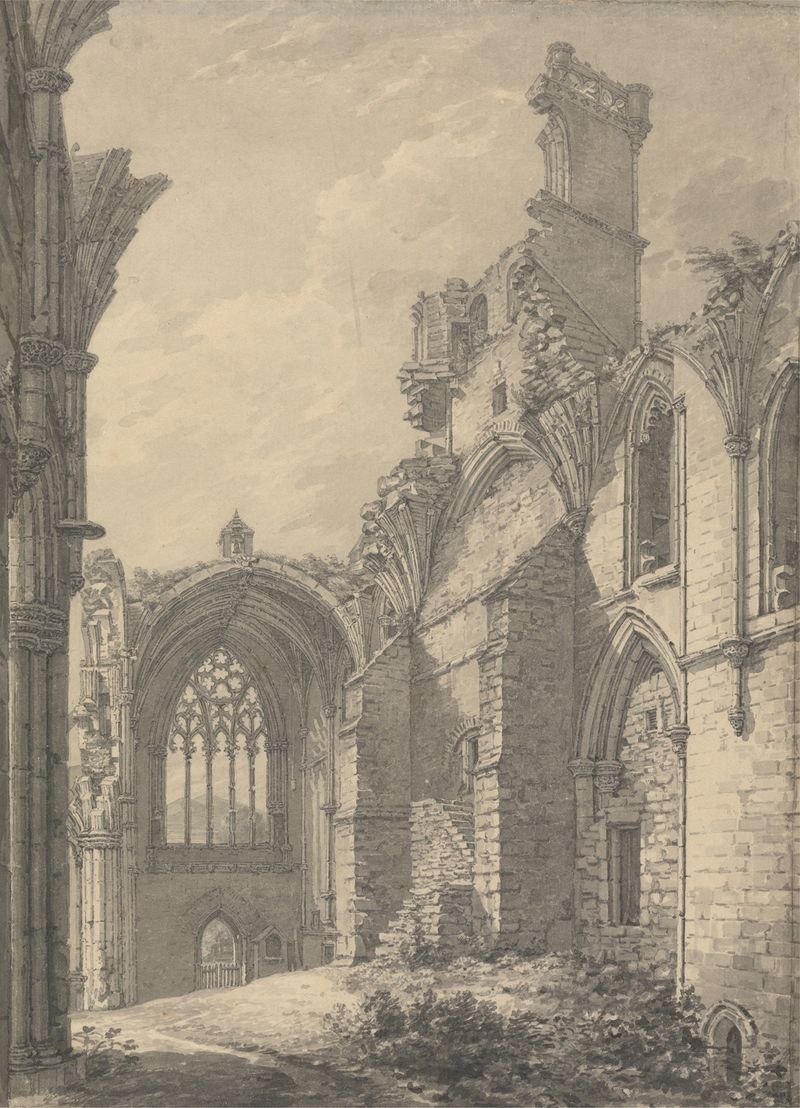
Transept of Melrose Abbey, 1778 Near Old Melrose on the River Tweed, Roxburgh
Thomas Hearne
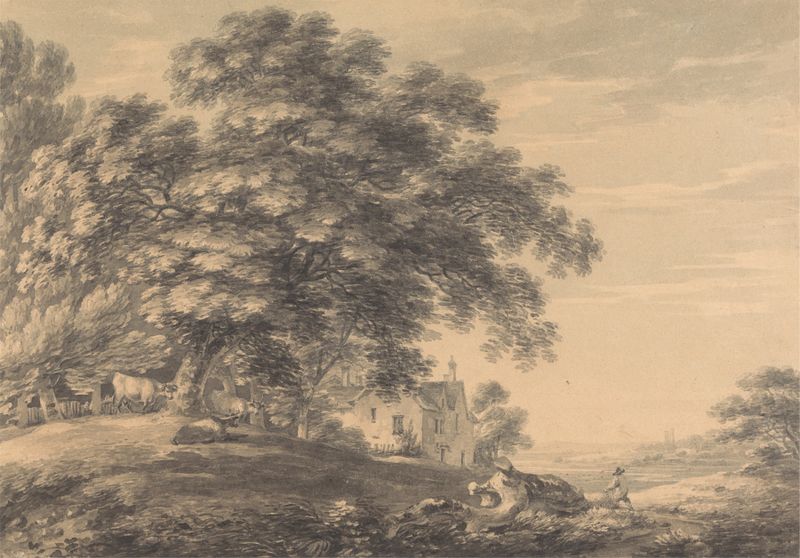
Landscape
Thomas Hearne
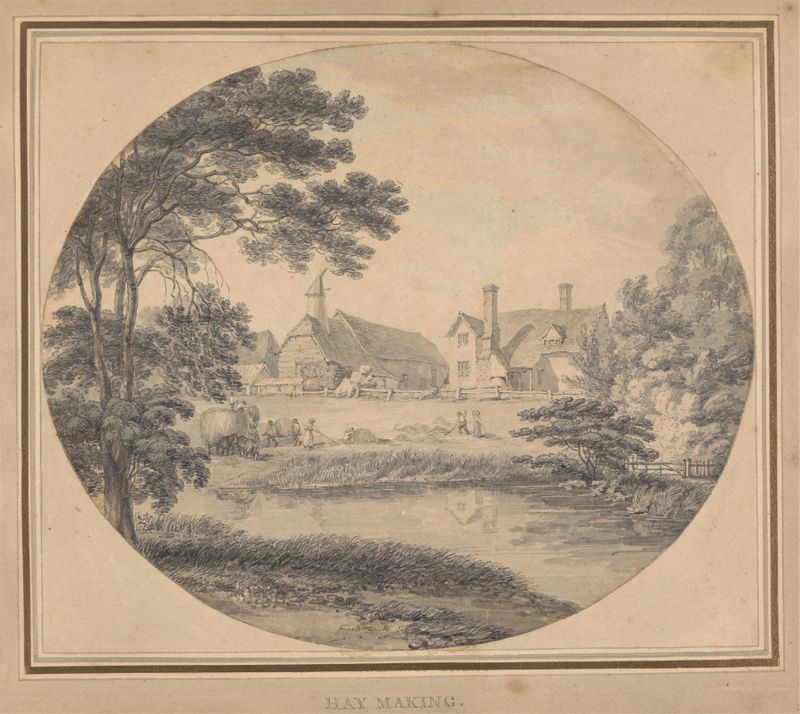
Haymaking
Thomas Hearne

Castle Acre Priory
Thomas Hearne
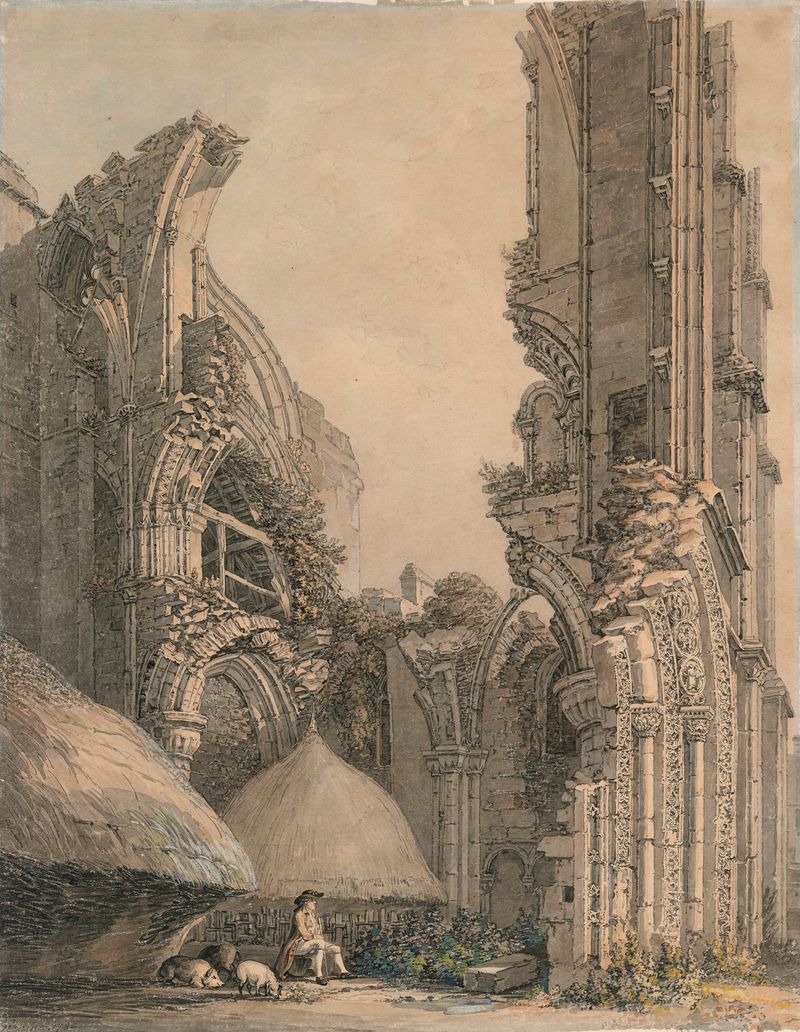
The Ruins of Malmesbury Abbey, Somerset, from the West Front (ill. for ‘The Antiquities of Great Britan’ 1807)
Thomas Hearne





